by Shakir Parray
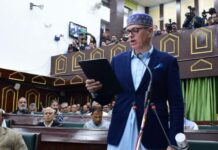
The Omar Abdullah-led government stands at a crossroads. It must choose between embracing its mandate or risking electorate alienation.
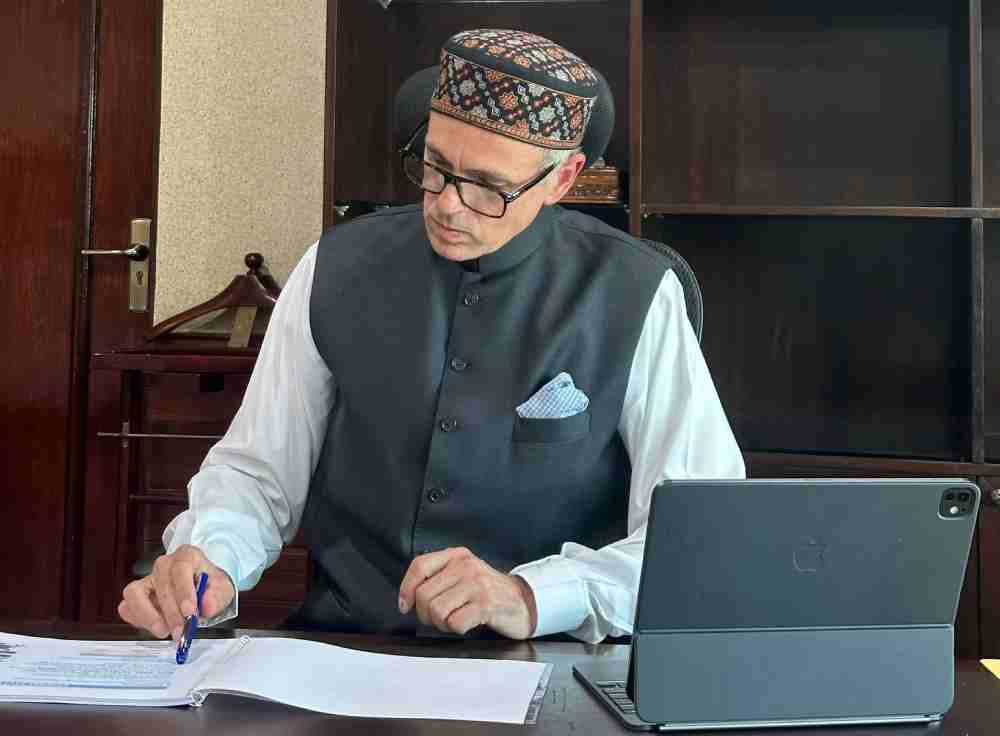
The formation of Omar Abdullah’s government in Jammu and Kashmir has sparked renewed anticipation and hope among its people. This development is particularly significant given the region’s complex landscape, comprising Kashmir, Pir Panchal and Chenab Valley, each with distinct histories and identities.
The decisive mandate secured by Abdullah’s administration embodies the collective aspirations of these regions. It underscores a profound shift in how residents express dissent, transitioning from street protests to strategic employment of democratic tools.
Through electronic voting machines (EVMs), voters have articulated their expectations. This exercise transcends mere representation, serving as a resounding call to action regarding fundamental rights, identity and dignity. Abdullah’s leadership assumes considerable significance in this context, especially considering his stance on contentious issues.
Notably, Abdullah has acknowledged the improbability of restoring Article 370 under the current central government led by Prime Minister Narendra Modi. This acknowledgement injects a dose of realism into the discourse surrounding Jammu and Kashmir’s future.
The people’s message conveyed through their voting patterns, underscores a desire for tangible change. Abdullah’s administration must navigate this complex terrain, balancing regional aspirations with the pragmatic realities of governance.
In Jammu and Kashmir, residents have evolved in their political expression, harnessing elections to convey discontent. This shift gained momentum after the BJP-led government revoked Article 370 and 35-A on August 5, 2019. This decision altered the region’s constitutional status and profoundly impacted its psyche.
The move sparked unresolved hurt, prompting voters to seek leaders who would advocate for their rights. Omar Abdullah’s election represented hope for a voice in New Delhi, articulating sentiments and demanding respect for their unique identity.
This electoral dissent is familiar in Kashmir. North Kashmir previously elected Er Rashid as MP, demonstrating a shift from confrontation to electoral expression. Omar Abdullah’s leadership reaffirms this desire for advocacy, particularly on autonomy and special status.
By endorsing his government, voters delivered a mandate encompassing development and representation aligned with their identity and aspirations. This nuanced expression underscores the region’s strategic employment of democratic tools.
The National Conference-led government’s inaugural moves have sparked concern. A recently introduced resolution omitted explicit condemnation of the August 5, 2019 decision to revoke Article 370 and 35-A, disappointing many. This omission betrays the population’s mandate, which sought to restore dignity and identity.
Voters expected confrontation with this issue, the foundation of their trust in the new government. The resolution’s silence on Article 370 and 35-A fosters unease, prompting questions about representation.
August 5, 2019, remains a painful memory, symbolising legal alteration and disregard for public sentiment. For decades, Article 370 and 35-A bridged Jammu and Kashmir with the Indian Union, recognising the region’s distinct identity and heritage.
By sidestepping this issue, the government jeopardises trust and faith among voters seeking a steadfast commitment to reclaiming rights. The absence of a firm stance fuels doubts about honouring the mandate, undermining the people’s faith in their elected representatives.
Development remains vital, yet the people’s mandate for Omar Abdullah’s government transcends physical infrastructure. The Lt Governor’s administration has made notable strides in healthcare, infrastructure and education. However, Abdullah’s mandate delves deeper, into cultural, political and emotional aspirations.
For Jammu and Kashmir’s electorate, voting was reclaiming identity. They sought representation not merely as constituents but as a distinct people, historically and politically intertwined with the Indian Union.
The new government bears crucial responsibility. Its mandate exceeds development; addressing grievances since August 5, 2019, is paramount. Citizens expect prioritised dialogue with New Delhi, advocating restoration of Jammu and Kashmir’s special status.
Development, though welcomed, cannot supplant the region’s yearning for identity and representation. The government must balance progress with preserving cultural heritage and unique political ties to the Indian Union.
Recent media interactions have intensified disappointment sentiments. Omar Abdullah’s statements on the futility of reversing the August 5 decisions have left many disillusioned. The electorate, who pinned hopes on this administration, faces a pressing question: will their government uphold the region’s special status or settle for partial measures like advocating statehood?
Supporting the National Conference meant restoring Jammu and Kashmir’s special status for many. Demands falling short are seen as compromising the mandate. The cabinet resolution’s failure to address Articles 370 and 35-A compounds betrayal feelings. Voters expected a firm stance mirroring dedication to autonomy and identity.
The Omar Abdullah-led government stands at a crossroads. It must choose between embracing its mandate or risking electorate alienation. To uphold people’s aspirations, the government must adopt a clear stance on restoring Article 370 and 35-A. Statehood restoration is crucial but cannot replace special status.

This government holds an extraordinary mandate demanding bold advocacy. Jammu and Kashmir residents expect leaders to convey messages to New Delhi unequivocally. By doing so, the Omar Abdullah administration honours trust and fulfils voter aspirations.
The path forward requires clarity, commitment and courage. Standing firm on special status enables the Omar Abdullah-led government to genuinely represent people, respecting votes and identities. Expectations are high: this government must govern, championing the cause that brought it to power. Only then can it forge an inclusive, representative future for Jammu and Kashmir.
(The author is a final-year law student at the University of Kashmir. Ideas are personal.)