by Mukhtar Ahmad Qureshi
We must not overlook the challenges that lie ahead. Many children continue to face learning gaps due to socioeconomic barriers, limited access to quality education, or the lingering effects of the pandemic.
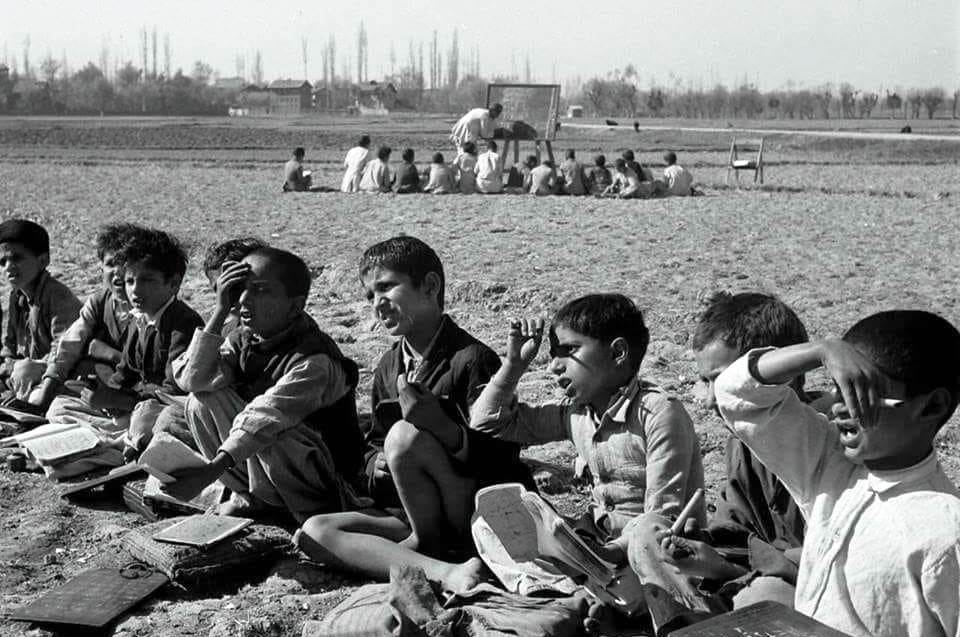
When we speak of foundational literacy and numeracy, we are not merely addressing a target or a policy initiative but engaging with the essence of our children’s future. The FLN mission, under the National Education Policy 2020, represents an extraordinary transformation journey. It is a collective endeavour in which teachers, parents, trainers, and administrators unite to secure a brighter future for our children by equipping them with basic literacy and numeracy skills. These foundational abilities are the cornerstone for all further education, paving the way for lifelong learning and growth.
The past few years have witnessed a renewed emphasis on developing foundational skills among children in Jammu and Kashmir. This mission transcends mere statistics; it is about fostering classrooms brimming with curiosity, creativity, and confidence. Schools have undergone significant changes, adapting to become nurturing spaces where children are encouraged to explore and learn through activity-based methods. This shift has not only revitalised the learning environment but has also instilled a sense of joy and discovery in education, laying the groundwork for a more engaged and empowered generation.
As ECCE teachers, your role in this journey is indispensable. You are the first point of contact for our young learners, and your efforts to create engaging, activity-based, and child-centric classrooms have been extraordinary. Through play-based learning, interactive storytelling, and creative activities, you have laid the foundation for a lifelong love of learning among children.
Your resilience and adaptability in implementing FLN directives have been remarkable. From adopting innovative teaching methods and turning challenges into opportunities to designing low-cost teaching aids and utilising local resources to make learning enjoyable, your dedication continues to inspire.
As primary teachers, you are the architects of dreams, ensuring that the foundational skills established during the ECCE phase are nurtured and strengthened. Your patient efforts in teaching reading, writing, and arithmetic have made a profound difference. By employing activity-based techniques, encouraging peer learning, and providing individual attention, you have helped children bridge learning gaps and build confidence.
Your commitment to creating inclusive classrooms, where every child feels valued, has been pivotal. Whether teaching in remote areas or managing large classes, your unwavering dedication to each learner’s progress has been instrumental in the success of the FLN mission.
As both a teacher and a resource person, my work has been deeply rooted in the principles of play-based learning, where creativity, engagement, and child-centred approaches take precedence. The focus has always been on making learning an enjoyable and meaningful experience for children while empowering fellow educators with innovative strategies to implement activity-based education.
This journey has been made possible through the support and inspiration of remarkable individuals. I extend my heartfelt gratitude to Masroor Saraf (formerly Lecturer at DIET Sopore) for his invaluable guidance, Anima Ma’am from Baramulla for her encouragement, and Mohammad Iqbal Badana and Mohammad Abid Mir (Masters) for their mentorship. I am equally thankful to Muslim Bin Akil (Teacher) for his cooperation, Nazir Qureshi Ibn Shahbaz (Master) for introducing me to the literary world, and Sheikh Gulzar from SCERT for his unwavering support.
The role of the District Institutes of Education and Training (DIETs) and the Jammu and Kashmir State Council of Educational Research and Training (SCERT) cannot be overstated. These institutions have been the backbone of this mission, ensuring that teachers receive the training, resources, and guidance necessary to implement FLN effectively.
Through capacity-building programmes, workshops, and the development of innovative resources, DIETs and SCERT have empowered teachers to adopt child-centred methodologies. By fostering opportunities for collaborative learning, research, and experimentation, they have enabled the FLN mission to grow sustainably and effectively.
Parents, too, play a pivotal role in this journey. As the first teachers of their children, their involvement in education can make a profound difference. By collaborating with teachers, reinforcing lessons at home, and fostering a positive attitude towards learning, parents contribute significantly to the success of the FLN mission.
Together, we have made notable progress. Enrollment in ECCE programmes has increased, classrooms have become more dynamic, and children have demonstrated measurable improvements in foundational skills. Schools in Jammu and Kashmir have embraced innovation, incorporating local cultural resources to make learning more relatable.
The integration of ICT-based tools and digital resources has added a new dimension to teaching, making learning more engaging and interactive. Above all, this success is a testament to the dedication and collective efforts of ECCE teachers, primary teachers, DIETs, and SCERT, all of whom have worked tirelessly to transform education in the region.
We must not overlook the challenges that lie ahead. Many children continue to face learning gaps due to socioeconomic barriers, limited access to quality education, or the lingering effects of the pandemic. To bridge these gaps, we must remain steadfast in our commitment and innovative in our approaches.
Moving forward, we must prioritise enhancing teacher training, fostering community engagement, and leveraging technology to ensure equitable access to quality education. Collaboration among all stakeholders—teachers, parents, administrators, and policymakers—will be essential to maintaining the momentum of the FLN mission.
This endeavour is not the responsibility of a single individual or institution. It is a collective effort, a community-driven mission for the betterment of our children. Every step we take today will shape our tomorrow. Teachers must continue to innovate and inspire; parents must remain actively involved; and administrators must provide the necessary support systems and resources to sustain this progress.
Let us pledge to move forward together, hand in hand, ensuring that no child in Jammu and Kashmir is left behind. This is more than a policy—it is a movement towards building an empowered, literate, and numerate society. Together, we will create a brighter future for our children.
The success of the FLN journey in Jammu and Kashmir stands as a testament to teamwork, dedication, and collective responsibility. We are not merely teachers or parents; we are change agents shaping the future of the next generation. Let us continue this journey with the same enthusiasm and determination, confident that the seeds we plant today will yield a prosperous future for our children and our region.
(The author is a writer, and columnist from Boniyar, Baramulla. Ideas are personal.)