by Vijay GagG
Homeschooling in India is an alternative form of education where children are taught at home by parents or tutors instead of attending public or private schools. While homeschooling is a global practice, it varies significantly in its approach, attitudes, and practices in India compared to other countries.
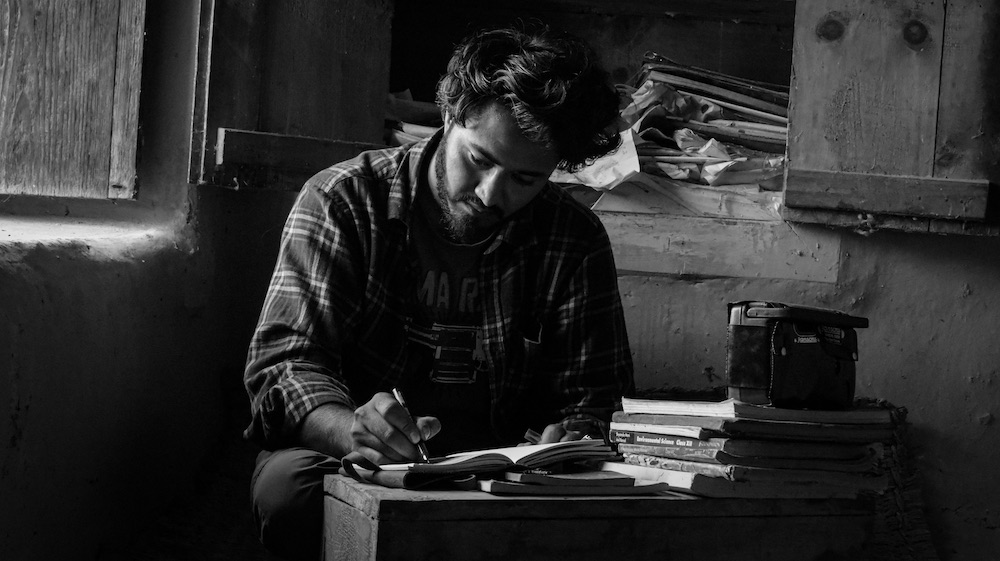
Homeschooling in India is facilitated by various organisations, including associations, education providers, and support groups. Many of these organisations operate primarily online, making them relatively unknown to the general public.
Homeschooling is more prevalent in major urban centres such as Bangalore, Chennai, Kolkata, Mumbai, New Delhi, and Pune, with minimal presence in other parts of the country. According to the Home School Legal Defense Association (HSLDA), a non-profit advocacy organisation, there are an estimated 500-1000 homeschoolers in India.
Initiating Homeschooling
Homeschooling begins when a family decides to educate their child at home, with a parent assuming responsibility for formal instruction. Families may choose to hire private tutors, but the primary responsibility lies with the parents. The next steps involve securing funds, selecting curriculum content, and determining the child’s academic progress. This form of education is often associated with the term “privatisation of education” as it provides an alternative learning environment outside of public or private schools.
Historical Context
Before compulsory school attendance laws, most childhood education occurred within families or communities. Homeschooling in India is not a new development. Historically, students (shishyas) were taught by teachers (gurus) in a tradition known as Guru-Shishya. These students were educated in various subjects, such as administration, combat, politics, and sports, either by experts or sages within the home. However, modern homeschooling in India differs significantly from this traditional approach.
How It Works?
There are established guidelines for home education in India, particularly for students who wish to take examinations. Parents often use curriculums prescribed by the National Institute of Open Schooling (NIOS) or the International General Certificate of Secondary Education (IGCSE). Children can take examinations as private candidates at regular schools. Alternatively, parents may design their own curriculum, referencing various board syllabi, and decide whether their children will register with a board and take exams.
National Institute of Open Schooling (NIOS): NIOS is an open schooling board in India that offers education up to the pre-degree level through an open learning system. Homeschoolers can use NIOS to take exams for classes X and XII. Registration with NIOS is required a year before the exam. NIOS certificates are recognised and valid for competitive exams. Courses offered by NIOS include:
Open Basic Education (OBE) Programme
Secondary Education Course
Senior Secondary Education Course
Vocational Education Courses/Programmes
Life Enrichment Programmes
For more information, visit the NIOS Website.
International General Certificate of Secondary Education (IGCSE): The IGCSE is an internationally recognised qualification for school students, typically aged 15-16, and is equivalent to Class 10 exams of CBSE and ICSE. It is conducted by two boards: Cambridge International Examinations (CIE) and Edexcel. Students can appear for IGCSE exams as private candidates. For more information, visit CIE.
Homeschooling Methods
Homeschooling in India employs various methods and materials, often customised to the preferences of children and parents. Common methods include:
Montessori Method
Un-schooling
Radical Un-schooling
Waldorf Education
School-at-home
Additional techniques used by parents/children include:
Self-Study: Encouraging independent learning.
Practical Study: Using routine-based activities to educate.
Personalised Study: Tailoring the curriculum to the child’s interests and strengths.
Educational tools such as CDs, games, magazines, TV programmes, and websites are often used.
Resources for Homeschooling
Many supporting bodies in India back homeschooling through various activities such as consultations, events, and online forums. These resources help promote and support homeschooling in any legal manner.
Legality of Homeschooling
The Right to Education (RTE) Act, effective from April 1, 2010, mandates formal school attendance for children aged 6 to 14. However, there is controversy regarding the legal status of homeschooling.
In 2011, a petition challenged the RTE Act for not recognizing alternative forms of education. The government’s stance has been inconsistent, but technically, homeschooling is not explicitly illegal under the RTE Act. The act focuses more on the state’s duty to regulate education. The Universal Declaration of Human Rights supports parents’ rights to choose their children’s education, suggesting that homeschooling should be permissible.
Factors Promoting Homeschooling
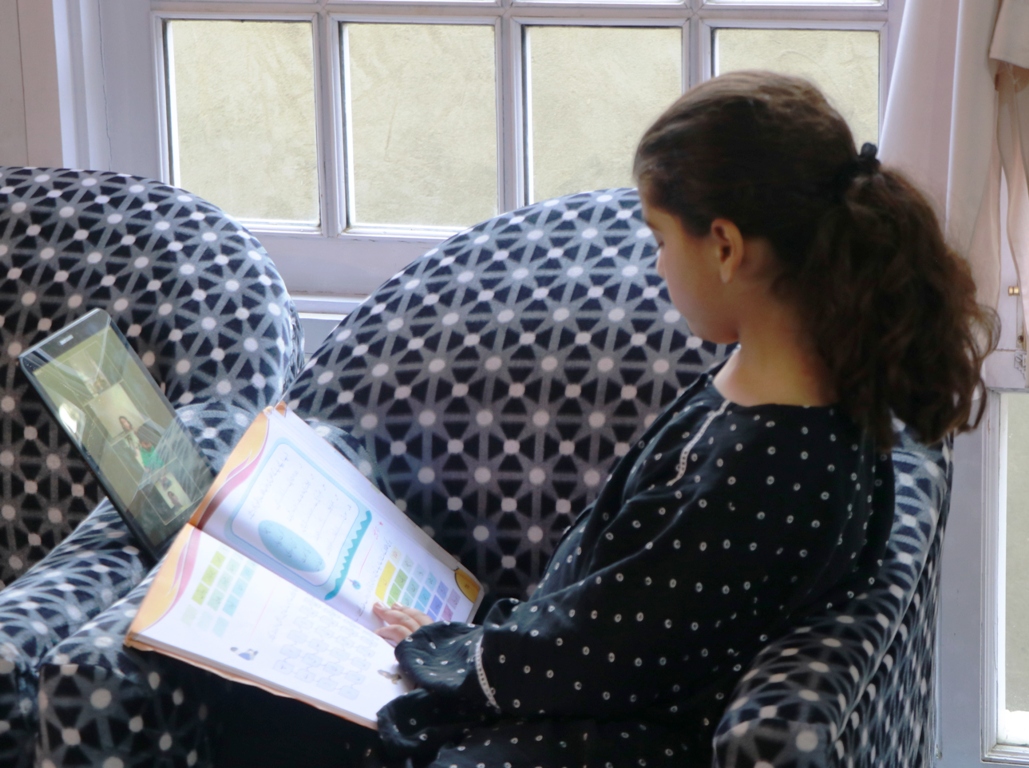
Various reasons contribute to the choice of homeschooling in India:
Dissatisfaction with Conventional Education: The Indian education system is often criticized for prioritizing exams over real-world preparation.
Flexibility: Homeschooling allows for a flexible schedule and personalized learning pace.
Disabilities: For children with learning disorders or disabilities, homeschooling can provide a more accommodating environment.
Less Stress: Homeschooling can reduce the performance pressure and negative behaviours associated with traditional schooling.
Mindset: Some children and parents prefer the homeschooling environment for various personal reasons.
Teacher-Student Ratio: Homeschooling provides more individualized attention than traditional schools.
Online Forums: These provide support and a sense of community for homeschooling families.
Specialisation: Homeschooling can better nurture a child’s talents and interests.
Enjoyment in Education: Homeschooling can make learning more enjoyable and varied.
Safety: Homeschooling can protect children from negative influences and bullying.
In conclusion, homeschooling in India is a growing alternative to conventional education, offering a personalized and flexible learning environment. While legal ambiguities exist, the practice continues to gain traction, supported by various resources and a community of like-minded individuals.
(Vijay Garg, MSc, BEd has been a Punjab Education Service (PES) officer who retired as a Principal. He has authored several textbooks. He lives in Malout Punjab.)