by Dr Rizwan Yousuf
Your supervisor is expected to be a specialist in your chosen area of research, boasting a proven record of accomplishment in publishing and often prior supervisory experience.
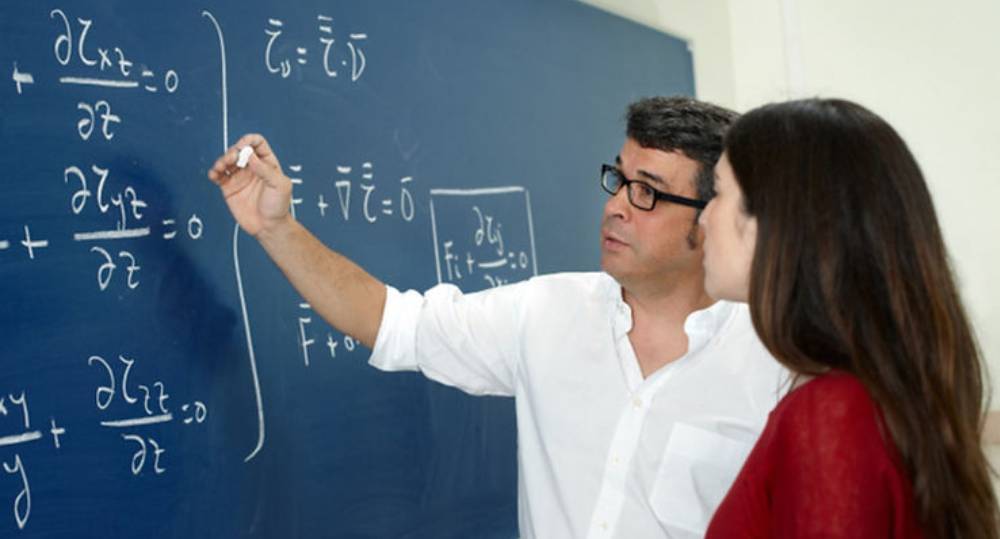
Embarking on a PhD is a transformative journey, and the supervisor plays a pivotal role in shaping its success. As one academic astutely observed, “A good supervisor does not just teach you how to conduct research; they teach you how to think.”
In today’s academic landscape, many PhD programmes, particularly in the biomedical sciences, have shortened their durations. The emphasis is on swiftly cultivating researchers, often leaving little room for students to delve into the broader context of their research. This shift has significant implications, as it may not adequately nurture the big thinkers and creative problem-solvers that society desperately needs.
Aspiring researchers must be equipped with a comprehensive set of skills. These include identifying errors, analysing case studies derived from flawed experiments, and tackling logical fallacies in the literature. They should be introduced to the scientific process in all its dimensions, including its limitations, potential pitfalls, serendipitous discoveries, and even its amusing blunders.
A PhD supervisor plays a pivotal role in shaping this journey. Beyond guiding students academically, they help navigate the rigours of research, foster intellectual independence, and ensure adherence to institutional expectations.
While the specifics may vary across universities, there are fundamental expectations that students should have from their PhD supervisor. Given the critical nature of this relationship, it is essential to understand the supervisor’s role and responsibilities.
Your supervisor is expected to be a specialist in your chosen area of research, boasting a proven record of accomplishment in publishing and often prior supervisory experience. They should be well-equipped to guide you through the nuances of your topic, offering valuable insights into existing literature and helping to identify unexplored methods or approaches.
While they may provide a strong foundation, it is crucial that you take ownership of your project rather than relying entirely on them to understand your research’s intricacies. As one expert noted, a successful supervisory relationship begins with clear expectations. Defining goals, communication styles, and meeting schedules upfront helps align both parties.
A well-structured approach is essential. An initial roadmap outlining milestones and challenges ensures a productive and collaborative PhD journey. By establishing a clear framework, you can ensure that your supervisory relationship remains focused and effective.

Regular one-on-one meetings form the backbone of a successful supervisory relationship. Whether weekly, biweekly, or monthly, these sessions provide a platform to discuss progress, share drafts, and address challenges. While universities may provide guidelines for these meetings, the specifics are typically agreed upon between the student and supervisor.
The venue for these meetings can range from the lab to a campus coffee shop, and both parties should ensure they adhere to the schedule. Supervisors are expected to review drafts, data, or other submissions with adequate notice before these meetings. This allows for constructive feedback and facilitates a productive discussion.
A PhD supervisor’s guidance extends far beyond academic matters. They also play a crucial role in professional networking. By offering introductions, co-authoring papers, or recommending conferences, they open doors to opportunities that shape a student’s academic career and networking skills.
A PhD differs significantly from other degrees, as it does not have regular formal assessments. While there may be exceptions, such as first-year upgrade exams or training modules, the ultimate evaluation depends on the final thesis. This raises an important question: what happens to the chapter drafts, data reports, and other work produced along the way?
This is where the supervisor plays a vital role. They review progress and provide formative feedback, which, although ungraded, is crucial to a student’s success. A good supervisor nurtures a student’s transition to independence, encouraging them to take ownership of their research. As students make progress, they are empowered to design experiments, choose methodologies, and make key decisions, with guidance available when needed.
Supervisors are not just academic guides but also mentors. Beyond scheduled meetings, they should be approachable for ad-hoc advice, offering solutions and perspectives grounded in their experience. While immediate responses to impromptu emails sent at 3 am are unrealistic, supervisors should respond promptly to inquiries made during working hours.
It is essential to remember that a supervisor’s value extends far beyond their expertise in a particular topic. Having completed a PhD themselves, they can offer valuable insights that help demystify what may seem insurmountable.
Ethics are the foundation of academic research, and supervisors play a critical role in upholding them. From ensuring proper approvals for human or animal studies to maintaining integrity in data analysis and publication, supervisors guide students in adhering to ethical standards. By modelling ethical behaviour and addressing potential dilemmas, supervisors instil a lasting sense of responsibility that extends beyond the PhD journey.
PhD supervisors often serve as the primary link between students and the university. They ensure compliance with institutional requirements, including research progression, professional development, and ethical standards. Conversely, they advocate for students’ interests within the university, representing their project’s unique needs and addressing any challenges that may arise.
Effective supervision extends beyond academic guidance, requiring empathy and emotional intelligence. By offering support, constructive feedback, and reassurance, supervisors help students navigate challenges and foster a positive, productive relationship. This multifaceted approach is essential in helping students overcome the inevitable obstacles that arise during their PhD journey.
The PhD journey is a test of resilience and intellect, but it is not one undertaken alone. With the right supervisor, it becomes a shared adventure – one that shapes not just research, but also growth as a thinker. A key question to consider is what one expects from their PhD supervisor, and more importantly, what one aspires to become under their guidance.
Ultimately, the success of the doctoral journey rests on the student’s shoulders. By embracing their supervisor’s guidance and taking proactive ownership of their research, students can navigate the highs and lows of this transformative academic endeavour.
(The author is an Assistant Professor at the University Institute of Science, Chandigarh University. Ideas are personal.)