by Nadira Nayeem
A deeply personal reflection on cancer, caregiving, grief and dignity, arguing that compassion, human presence and meaningful moments matter alongside medical treatment.
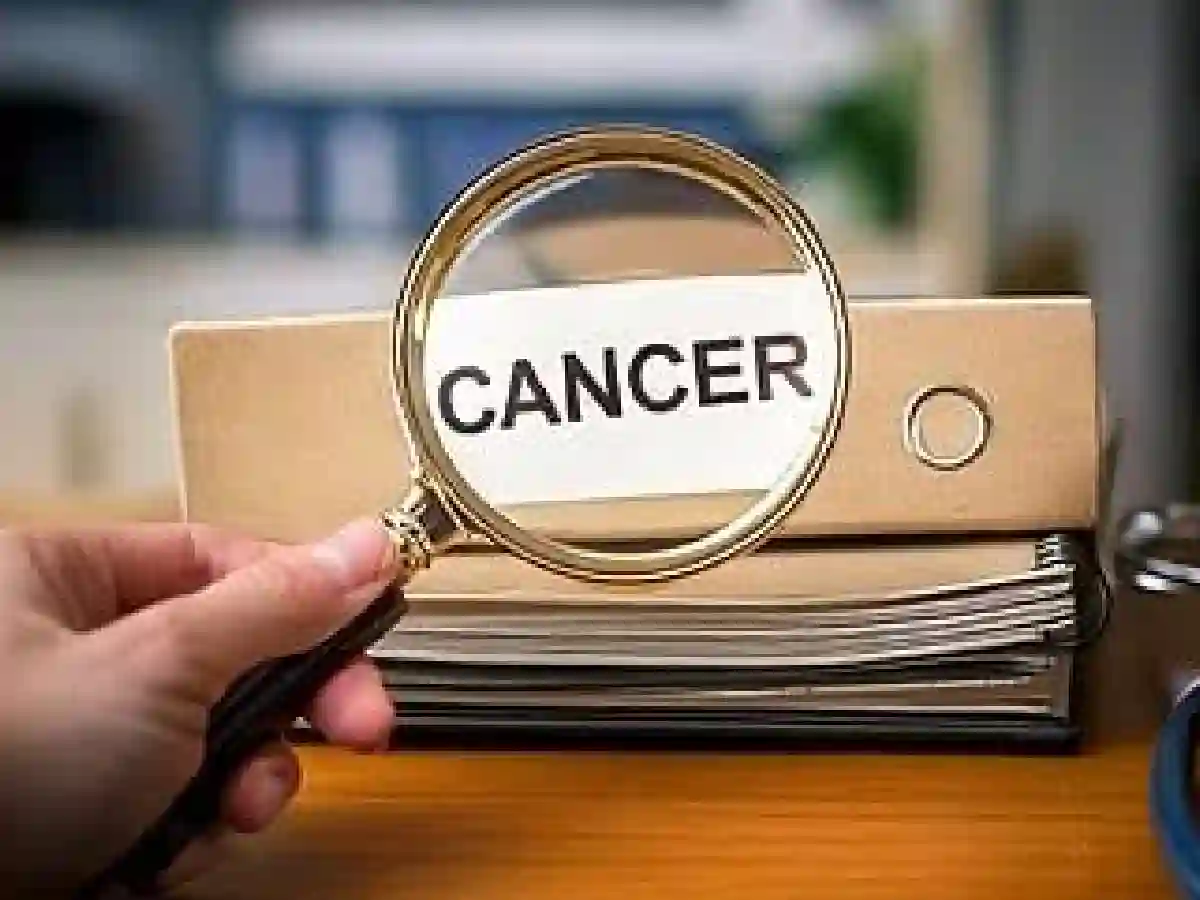
There are some diagnoses that do not merely enter a medical file; they alter the atmosphere of an entire home. Cancer is one of them.
One moment, a family is living within the ordinary rhythm of life, its small worries, its unfinished plans, its casual conversations, its assumptions about tomorrow. And then a medical report, a scan, or a doctor’s sentence can make the future suddenly feel like a fragile and uncertain place.
Perhaps this is one of the cruellest things about cancer: it does not merely attack the body. It unsettles everything around it. It changes the way a family measures time. Months become treatment cycles. Days are divided between hospital visits, medicines, and reports.
A good morning becomes a reason for gratitude; a difficult evening can make an entire household fearful of what tomorrow may bring. People who have never thought of themselves as caregivers suddenly learn how to administer medicines, understand medical terminology, and recognise subtle changes in a patient’s face, and sleep lightly enough to hear them breathe. And somewhere within all of this, there is a human being trying to remain himself.
Behind the Clinical Terms
We often speak of cancer in the language of medicine: diagnosis, stage, prognosis, treatment, remission, recurrence. These words are necessary. They help doctors understand disease and families navigate difficult decisions. But behind every clinical term is a human life, and behind every patient is an entire constellation of people who love them. That human cost deserves to be spoken about too.
Cancer can be physically exhausting, but its psychological weight can be equally devastating. The patient carries the uncertainty of what is happening inside his or her own body. The family carries a different kind of uncertainty, the helplessness of watching someone they love suffer while knowing that love, however, powerful, cannot always make the disease disappear. It can break you. It can break the confidence of a patient, exhaust the person who sits beside the hospital bed, and make the strongest among us fearful. It can make a family oscillate between hope and despair so frequently that even hope begins to feel dangerous. And yet, this is precisely where we must be most careful. Cancer may take away a person’s physical strength, but we should never allow it to take away their sense of dignity, hope, and worth.
The Morale
The morale of a cancer patient matters, so does the morale of the people caring for them. This does not mean pretending that everything will be fine. It does not mean forcing positivity upon someone who is frightened or in pain.
It means creating an environment in which the patient does not feel that they have become a burden, a diagnosis, or a countdown. It means continuing to speak to them about life, not only about illness. It means allowing laughter into the room. It means discussing ordinary things when ordinary things are what they want to discuss. It means sitting beside them without always needing to say something, and reminding them, through our presence, that they are still the person they were before the diagnosis.
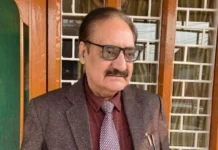
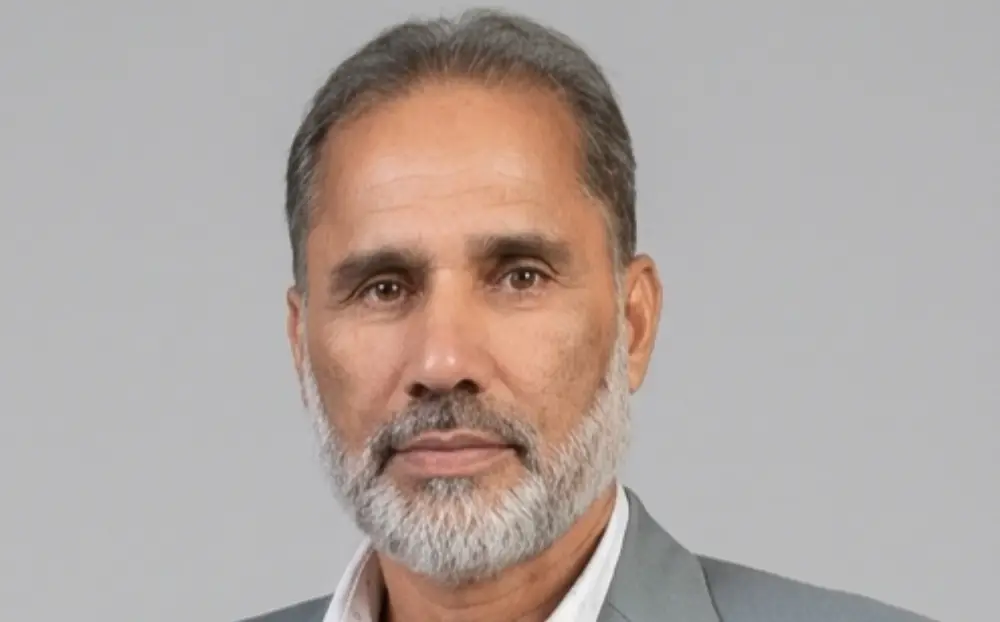
I learned this intimately while watching my own father battle cancer. He had been a remarkably healthy man, with no symptoms that suggested the severity of what was unfolding inside him. His cancer was discovered almost incidentally during an ultrasound for a routine gallstone; instead, we were confronted with a diagnosis that had already spread extensively. The prognosis was bleak. We were told that he might have only one to eight months. He lived for seventeen.
But the number is not what I remember most. I remember the manner in which he lived those months. My father possessed a rare gentleness of character. He was unassuming without being withdrawn, deeply social without seeking attention, and generous without keeping an account of his generosity. There was an ease in the way he welcomed people, warmth that made familiarity feel effortless. Even after cancer entered his life, he remained remarkably himself.
The chemotherapy was difficult. There were moments when the treatment demanded more from his body than any person should have to endure. Yet he met those difficult days with an extraordinary composure. For nearly a year and four months, there were remarkably few outward signs of the battle taking place within him.
He walked, talked, met people, and continued to engage with life. Looking at him, one could almost forget the enormity of the illness. That, too, is something cancer teaches us: the severity of an illness cannot always be measured by what the eye can see.
The Last Month
His final month was different.
In May, his condition changed with startling speed. His liver enzymes rose, fever appeared, and an overwhelming weakness gradually took away the physical independence he had retained for so long. From the first of May until the end of the month, he was bedridden. Watching that transformation was perhaps the hardest part of the entire journey. There is a particular sorrow in watching someone who once seemed invincible become dependent on another person’s hands.
But there is also something sacred about those moments. You realise that caregiving is love stripped of all ornament. It is feeding someone when they can no longer feed themselves. It is adjusting a pillow, sitting through another restless night, helping them move, listening to the same concern again, and hiding your own fear when they need reassurance. It is giving someone the dignity of being cared for without making them feel that they have lost their dignity.
The Aftermath
My father passed away on June 7. His passing taught me that cancer does not end with the last breath of the patient. For the family, there is another journey after the hospital rooms become empty, the journey through absence. And perhaps this is the part of cancer we discuss the least.
We speak about prevention, treatment, and survival. But we need to speak about living through cancer. We need to speak about the caregiver who quietly stops looking after themselves. About the spouse who becomes both companion and nurse. About children who learn to read medical reports before they are emotionally ready to understand them. About families whose finances, routines, and emotional lives are reorganised around one person’s illness. And we need to speak about what happens when treatment does not result in survival. Grief is not a medical outcome, but it is one of cancer’s most enduring consequences.
Why Awareness Matters
This is particularly important for a place like Kashmir, where cancer has become an increasingly familiar presence in our households. Familiarity, however, must never become resignation. We need greater awareness, timely medical consultation, appropriate screening where recommended, and access to quality care, but above all, we need deep compassion for those already walking through the disease.
Awareness must be accompanied by wisdom. We should not live in fear of every ache or symptom, nor should we turn cancer into a source of blame. Not every cancer is preventable, and not every diagnosis is something a person could have avoided. What we can do is become more attentive to our health, seek appropriate medical advice when something is persistent, and encourage others to do the same.
When someone we love is diagnosed, perhaps the question should not always be, “How long does he have?” Perhaps sometimes we should ask: “How can we make the time he has meaningful?”
Prognosis tells us something about the disease; it does not tell us the value of the days that remain. If medicine gives a patient another month, that month should not become merely a succession of appointments, injections, and reports. Treatment and medical care must remain central, but alongside treatment, there must also be life. There must be conversation, dignity, moments of normalcy, family, laughter when laughter comes naturally, permission to hope, and permission to be afraid without making the patient feel guilty for being afraid.
Human Presence as Healing
We sometimes imagine that being strong for a cancer patient means never crying in front of them or never acknowledging the possibility of loss. Strength can mean something gentler.
It can mean saying: “I am here.”
Not: “You will definitely be fine.”
Not: “Don’t think negatively.”
Just: “Whatever this brings, you will not face it alone.”
That may be one of the greatest gifts we can give another human being.
My father’s illness eventually taught me that we are not always given the power to change an ending. But we are given power over what happens between the beginning and the end. We cannot always determine how long someone will live, but we can determine whether the time they are given is filled only with fear, or also with tenderness. We cannot always cure, but we can comfort. We cannot always prolong life, but we can deepen it. And sometimes, when medicine has reached the limits of what it can do, human presence remains a form of healing of its own.
My father lived for 17 months after being told that perhaps he had only a few. I do not regard those seventeen months merely as time added to a prognosis. I regard them as life. There were conversations in them. There was courage in them. There were people who visited, moments that mattered, and days that looked ordinary and therefore precious. There was a man who continued to be himself despite carrying an illness that had already changed the course of his life.
That is how I want to remember him: not as the man cancer defeated, but as the man who refused to let cancer become larger than his humanity.
What We Must Do?
Perhaps that is the message we owe every person fighting this disease: do not let the diagnosis become the only thing you see when you look at them. See the person. See the father. See the mother. See the friend. See the life that existed long before the disease and the life that still exists within it.
Cancer can take much from a person, his strength, certainty, independence, and, ultimately, life itself. But while a person is still here, let us not allow the disease to take away the most precious things that remain: dignity, companionship, affection, laughter, hope, and the feeling of being deeply loved.
Because one day, for those of us who are fortunate enough to walk beside someone through illness, the hospital rooms will empty, the medicines will stop, the reports will no longer matter, and the conversations about prognosis will become memories. What will remain will not be the number of injections, reports, or clinical forecasts. What will remain is how we made them feel while they were here.
And perhaps that is the part of the cancer story we must learn to tell more often.
And for me, behind every sentence of this article is the quiet, luminous memory of my father. He lived his final 17 months not in the shadow of illness, but in the light of his own
extraordinary grace, humour, and noble spirit. His story did not end when his heart grew still on June 7th. It lives on in every lesson of patience he gave us, every warm smile he offered through the pain, and every quiet moment of composure he maintained. He taught us how to live fully, and in his final days, he taught us how to leave this world with honour. This piece is my quiet tribute to him, a noble man whose gentleness, illness could never touch, and whose memory will forever remain our home. To have walked beside him through that dark valley was the greatest heartbreak of my life, and the highest privilege.
Rest in peace, papa. Your dignity continues to light our way.
(The author is a PhD, in Political Science. Ideas are personal.)