by Rayees Ahmad Kumar
Climate change and declining water resources demand a shift towards scientific, water-efficient farming in Kashmir, with agroecology, I-Rice and sustainable soil management offering pathways to agricultural resilience.
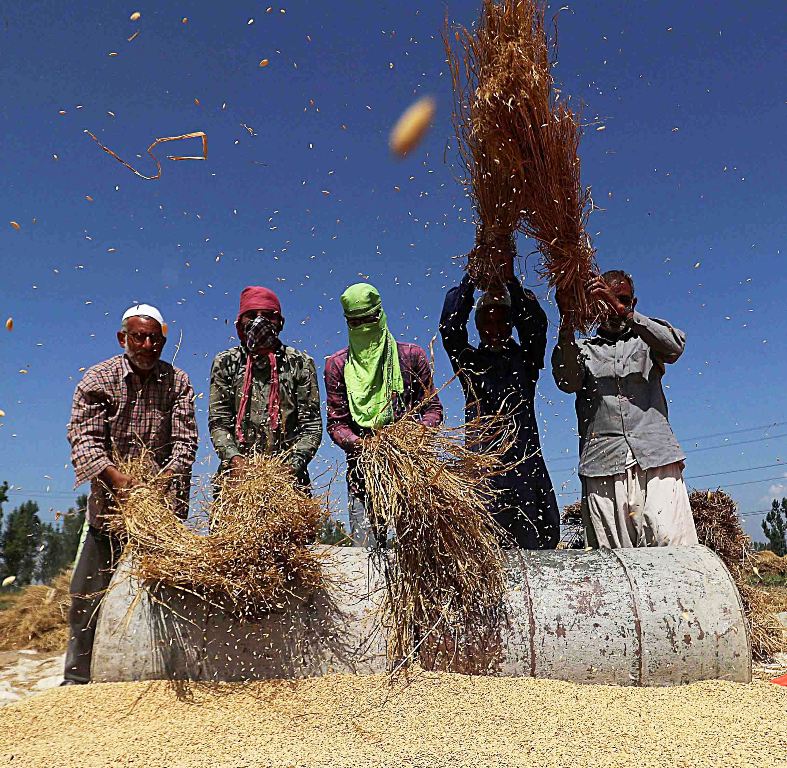
As the effects of climate change become increasingly evident across the globe, water scarcity for human consumption and agriculture has emerged as a pressing concern. In this context, prioritising drought-resilient crops and agricultural practices that deliver higher yields with less water is essential. Such climate-resilient approaches can play a vital role in safeguarding food security and ensuring sustainable agricultural development amid changing climatic conditions.
Recently, I had the opportunity to watch an informative podcast on DD Kashir Srinagar’s Jahanbeen, hosted by renowned television presenter Fayaz Ahmad Fayaz, featuring Dr Tawseef Mairaj Shah. The discussion explored several pertinent questions concerning Kashmir’s agricultural sector and the challenges it faces amid climate change and increasing water scarcity. It offered valuable insights into the region’s changing agricultural landscape and underscored the urgent need to adopt sustainable, climate-resilient farming practices to protect farmers’ livelihoods and ensure food security.
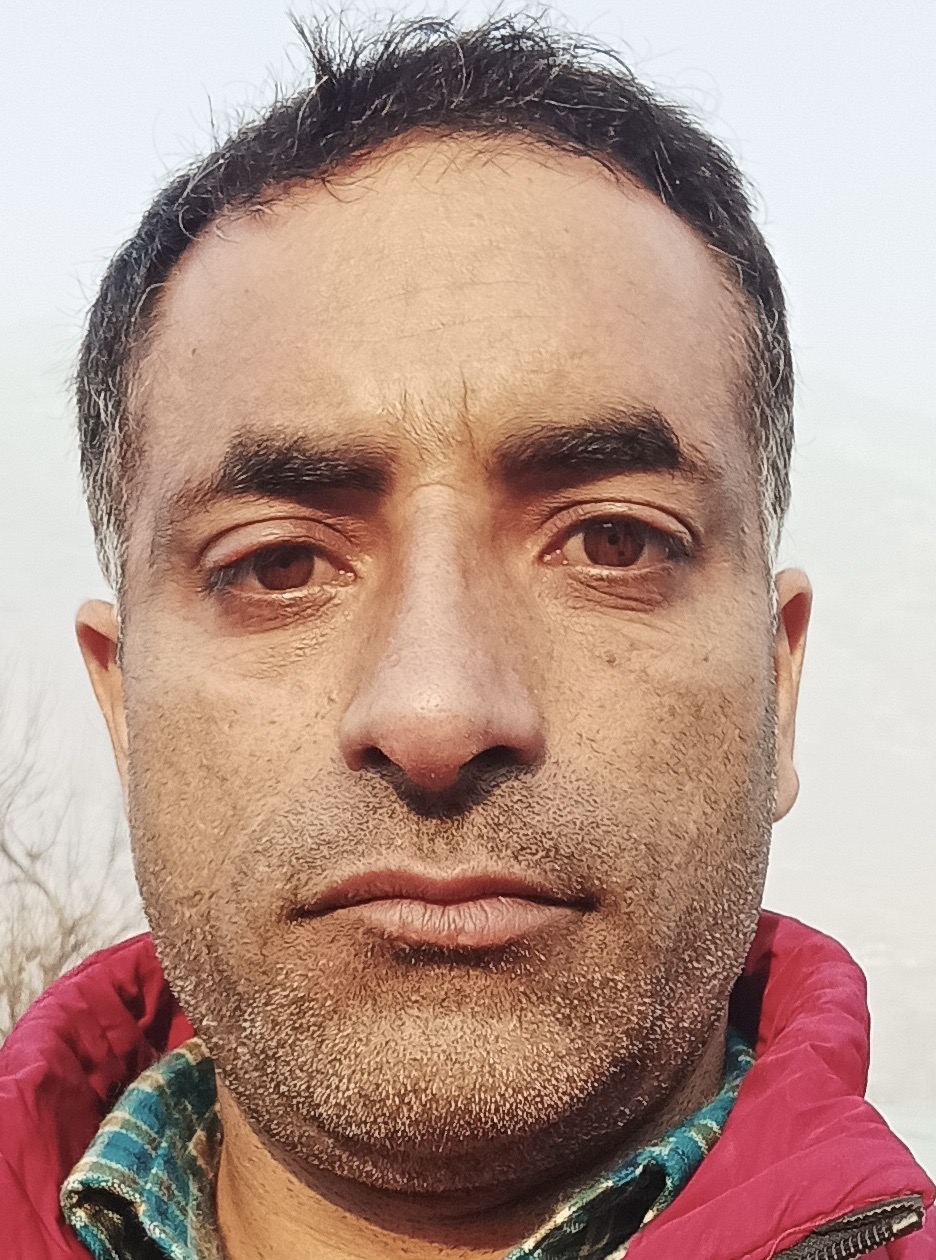
Hailing from Lelhar Kakpora village in Pulwama district, Dr Tawseef Mairaj Shah is a food systems researcher and impact entrepreneur. A trained environmental process engineer, he holds a doctorate in agroecology from the Hamburg University of Technology (TU Hamburg). He is the COO and co-founder of CinSOIL, a Berlin-based startup developing a software tool to enable sustainable decarbonisation pathways in the agrifood sector through insetting. He completed his bachelor’s degree in process engineering at the National Institute of Technology Srinagar (NIT Srinagar) and his master’s at TU Hamburg. His research interests include agrifood systems transformation, agroecology, food, soil and water security, biodiverse farming systems, and technology-enhanced ecological systems.
During the podcast, Dr Tawseef shared an interesting observation about his early understanding of agriculture. Although he had seen people engaged in farming, he had never actively participated in agricultural practices himself. This experience eventually helped him appreciate a basic yet important fact: rice comes from the soil.
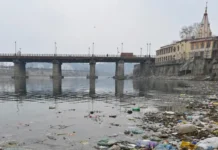
The discussion highlighted that, globally, nearly 80 per cent of available water is used for agriculture. Although Kashmir is blessed with considerable water resources, groundwater levels are declining, while water from various sources is increasingly becoming polluted. The excessive and indiscriminate use of agrochemicals is one of the major factors contributing to water pollution.
Dr Tawseef emphasised the urgent need to transition towards research-based and technology-driven farming practices. Modern technology and scientific research have opened up considerable possibilities for producing crops while using significantly less water.
He also recalled that in 2019, the Department of Irrigation and Flood Control, in coordination with the Department of Agriculture, had advised farmers against cultivating rice because of water shortages. That warning should have served as a wake-up call. The situation demands rational decision-making, scientific approaches and timely interventions to ensure the sustainability of agriculture and the conservation of precious water resources.
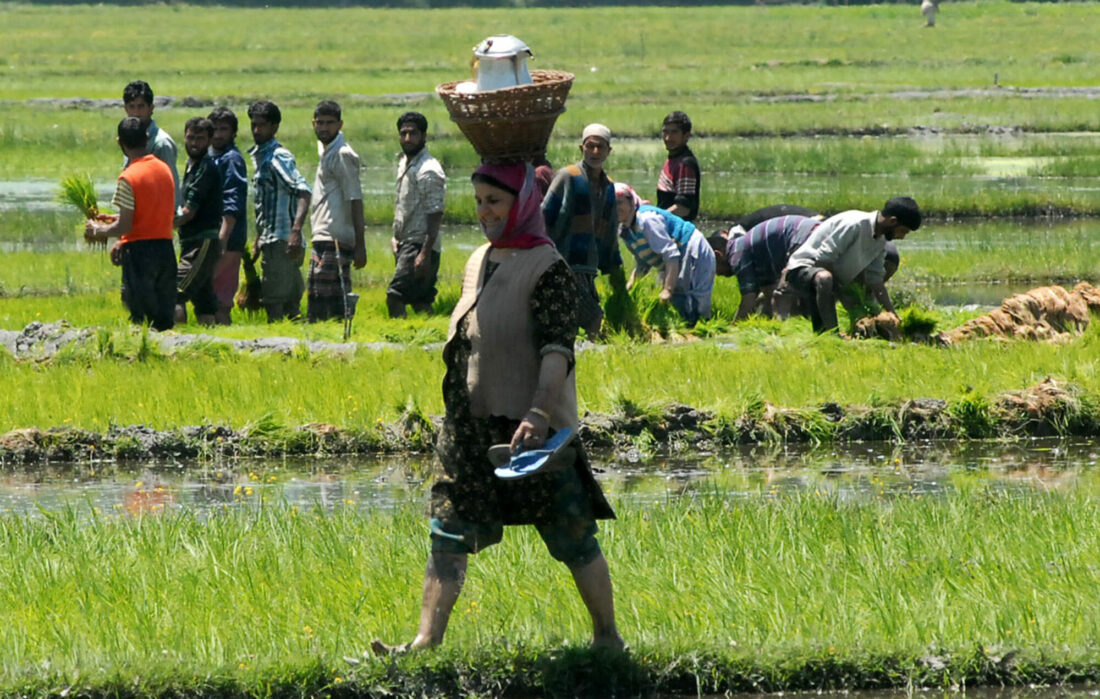
Paddy Cultivation
Explaining the concept of I-Rice, Dr Tawseef said the devastating floods of 2014 prompted him to explore sustainable agricultural practices that could reduce water consumption without compromising crop quality or yield. This eventually led to the development of the I-Rice module.
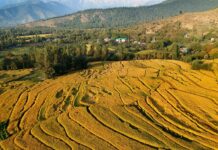
I-Rice is a non-traditional method of rice cultivation in which a single seedling is planted instead of a bunch of seedlings. Wider spacing is maintained between plants, while water is supplied only once a week.
Dr Tawseef experimented with the I-Rice module in collaboration with five to six farmers in Sagam village of Kokernag, Anantnag district. In some fields, wider spaces were maintained between rice seedlings, with beans sown in the intervening spaces. In other fields, rice seedlings were planted without leaving such spaces.
The experiments revealed that fields with wider spacing produced better results while also creating an opportunity for farmers to grow a second crop.
According to Dr Tawseef, rice blast disease has not been observed in fields where the method has been adopted. The approach helps conserve nearly 50 per cent of water, enables farmers to cultivate a second crop, reduces agrochemical use and, importantly, delivers high yields.
Soil Health
Responding to a question about soil health, Dr Tawseef described soil as one of our most important natural resources, noting that nearly 98 per cent of the world’s food is obtained from it. However, soil health is increasingly threatened by salinisation, a process in which excessive salts accumulate in the soil.
He cautioned that the gradual accumulation of salts can severely degrade soil quality, eventually rendering this living natural resource unproductive.
Healthy soil has a greater capacity to retain water and absorb essential nutrients, thereby supporting healthy crop growth. However, when water remains in the soil for prolonged periods without being adequately absorbed, contaminants may leach into the food chain.
Studies and reports from regions such as Punjab and Bangladesh have highlighted the presence of arsenic in soil and groundwater. Arsenic is highly toxic, and certain forms of it are classified as carcinogenic, posing serious risks to human health.
These concerns reinforce the need to view water management and soil health as interconnected priorities rather than separate agricultural challenges.

High-Density Apple
Discussing the growing trend of high-density apple orchards, Dr Tawseef observed that reduced spacing between plants can create conditions conducive to the spread of microbes and pathogens. This may compel orchardists to rely more heavily on pesticides and other agrochemicals.
He suggested that Kashmir’s climatic conditions may not be ideally suited to all high-density plantation practices and stressed the need for expert-level examination and discussion before promoting such systems on a wider scale.
His observations raise important questions about the long-term sustainability of orchard management in Kashmir, particularly in relation to plant health, agrochemical use, soil quality and water requirements.
Can Artificial Intelligence Help?
When asked about the role of Artificial Intelligence (AI) in water management, Dr Tawseef remarked that AI may not be the ultimate solution, but it can certainly help identify and develop sustainable, long-term approaches.
Technology, when supported by scientific research and applied to local conditions, can contribute to more efficient water use and better agricultural decision-making.
Speaking about the younger generation, he observed that students today have access to facilities and resources that were unavailable to previous generations. With the internet, YouTube and numerous other information platforms at their fingertips, young people have unprecedented opportunities to acquire knowledge, explore new areas of research and contribute to agricultural innovation.
A Timely Conversation
Overall, the podcast was an engaging and informative programme that brought several important aspects of agriculture, water management, soil health and sustainability into focus. It highlighted the need to rethink conventional farming practices and embrace scientific research, technological innovation and ecological approaches suited to Kashmir’s changing environmental conditions.
For this valuable initiative, Doordarshan Kendra (DDK) Srinagar and the host, Fayaz Ahmad Fayaz, deserve appreciation. The discussion provided an important platform for examining the challenges confronting Kashmir’s agricultural sector and the possibilities of building a more sustainable and climate-resilient future for its farmers.
(Author is a teacher. Ideas are personal.)