by Dr Mushtaq Rather
Digital Holistic Progress Cards shift assessment beyond rote learning towards competencies, self-assessment, continuous feedback and holistic development, aligning classroom pedagogy with the skills required in the 21st century.

To render the modern-era learner fully equipped with the requisite skills of the 21st century, there is a robust need for the realignment of pedagogical skills. This cannot materialise in isolation. In fact, the nature of assessment determines the type of pedagogy to be employed in the classroom. The trend, therefore, has been to prepare students for the expectations of what is actually to be assessed in the year-end or half-yearly summative examinations. Unless there is a transformation in the assessment pattern, there will be no paradigm shift in the pedagogical landscape.
The traditional assessment approaches majorly revolve around assessing the content memorised by a student. What a student actually “vomits out” in a three-hour pen-and-paper summative test is the sole criterion for deciding his career progression. Unfortunately, this has been the only yardstick through which the scholastic and non-scholastic domains of a student are measured.
Getting deep into the learning pyramid, the conventional standardised tests only evaluate the basic competencies of the learning pyramid: remembering and, to some extent, understanding. What about the higher competencies in the learning pyramid, like applying, analysing, evaluating and creating? When these higher-order competencies are not assessed or evaluated in traditional evaluation practices, how is it expected of teachers to ensure the nurturing of these competencies when they are currently least assessed? The higher-order competencies are the defining skills of the 21st century.
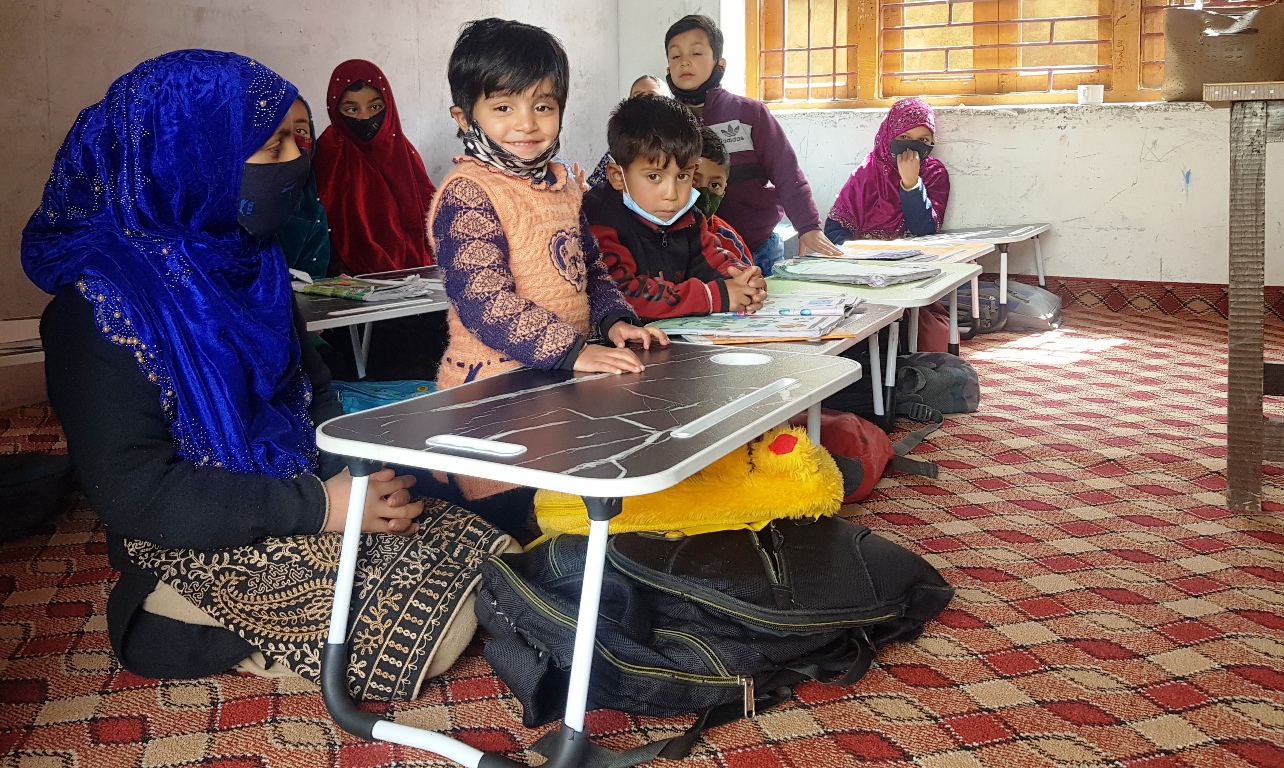
Competency-based assessment: In its attempt to potentially tackle outdated evaluation practices, the National Education Policy (2020) envisioned assessment for learning and assessment as learning (formative assessments: assessment embedded in daily classroom teaching-learning) to continuously enhance and fine-tune pedagogical skills and optimise students’ holistic development.
A shift towards holistic assessment can facilitate students in showcasing their learning through school-based assessments involving multidimensional assessment tools and techniques like observation, checklists, project work, surveys, portfolios, anecdotal records, questionnaires, assessment rubrics, etc. We must learn from the failures of Continuous and Comprehensive Evaluation (CCE), which increased fear in students who struggled with certain formats of exams.
How is HPC different?
The National Education Policy (NEP 2020) is characterised by an approach that moves away from the traditional knowledge-acquisition model of learning and assessment towards competency-based education and assessment. Assessments are characterised not by rote learning but by holistic assessment of the competencies acquired through the process of learning. A 360-degree holistic progress card has been developed in order to aid the assessment of competency-based learning and teaching by making assessments more comprehensive and holistic in nature.
For years, school report cards mainly reflected marks in subjects. However, teachers have always observed much more than that. They see confidence levels, creativity, leadership, empathy, resilience and improvement over time. The holistic progress card recognises these aspects. Under PARAKH, the national assessment centre set up by NCERT, the HPC framework supports competency-based assessment, continuous tracking of learners, focus on conceptual understanding, and inclusion of cognitive, affective and psychomotor domains. In more lucid terms, it shifts the focus from “how much did the child score?” to “how is the child growing?” One of the key initiatives of PARAKH, the HPCs for all four stages, i.e. foundational, preparatory, middle and secondary stages, have been developed.
The defining features and multiple perspectives of HPC are:
Teacher assessment (Assessment for learning): The teacher is an integral stakeholder in a student’s learning continuum. His feedback on how a child performs and the subsequent remedial learning action plan have a long-lasting influence on shaping the child’s future learning. The policy documents, therefore, put teachers at the core of the assessment scheme. Formative assessment is considered a constituent of routine pedagogical processes and is rightly referred to as assessment embedded in teaching-learning. The unique selling point of formative assessment is that it provides instant feedback to the teacher as well as to the student to assess the level of learning and to what extent the learning outcomes, competencies and curricular goals have been achieved. In case the teacher feels at any point that the desired learning objectives or outcomes have not been attained fully, he can realign his pedagogy to ensure the acquisition of learning outcomes at the end of the learning activity.
Self-assessment (Assessment as learning): The provision of self-assessment in Digital Holistic Progress is truly its hallmark feature. The behaviourist model of education is an outdated concept now. Cognitive constructivism and social constructivism vociferously advocate the child as a co-constructor of new knowledge.

The HPC empowers every student to assess himself on how he performed in a learning activity and what are the areas he needs further improvement in. He can visualise his own pace of learning. Just as a teacher assesses the student in the digital HPC through his login account, the student is also allotted unique login credentials to access his account and provide feedback related to the activity he has participated in in the classroom, how he has performed, the challenges he faced and the room for improvement. Unless each individual student submits the feedback through individual accounts, the Digital Holistic Progress would remain incomplete.
Peer and parent inputs: The HPC framework allows space for peer feedback and parental observations. This strengthens the feedback loop and gives a fuller picture of the child’s development.
Importantly, the policy does not prescribe fixed labels like ranks or rigid percentages. Schools may use descriptive indicators aligned with competencies rather than marks alone. The focus is clarity of learning, not comparison. Competency-based feedback shows strengths and areas for improvement. Descriptive reporting reduces unhealthy comparison. The approach supports confidence and mental well-being.
(The author is an educator. Ideas are personal.)