by Iqbal Ahmad
Jammu and Kashmir’s globally significant archaeological sites remain without site museums, limiting heritage conservation, research, public engagement and tourism development.
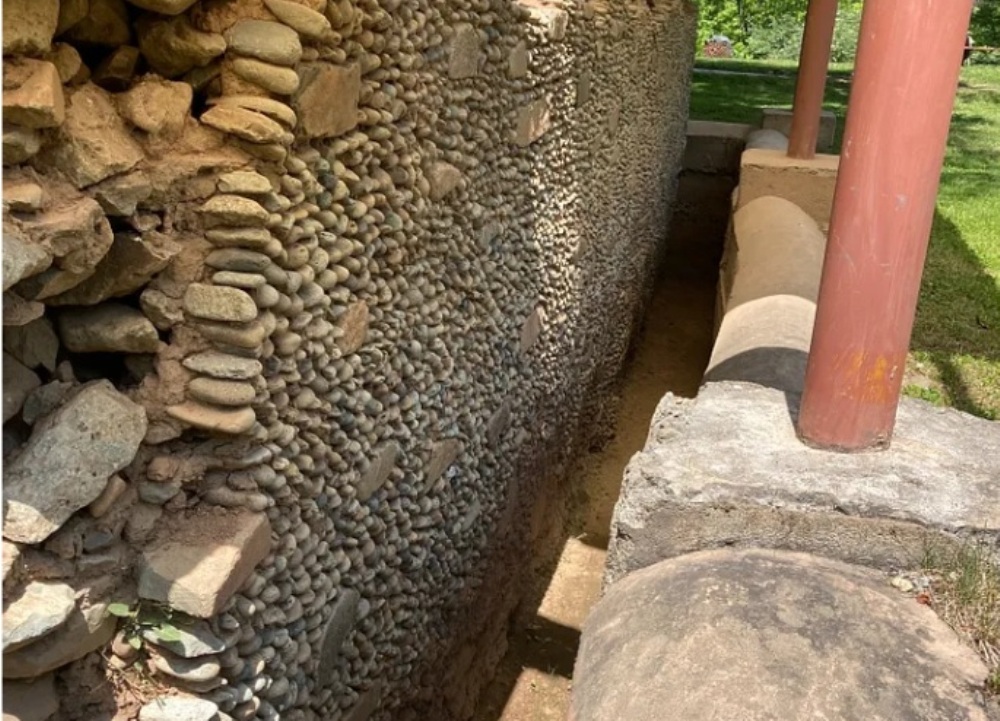
To promote the heritage and cultural tourism of the country, the Archaeological Survey of India (ASI) is learnt to have approved several more site museums for its significant archaeological sites. The ASI is to develop new museums and enhance several key archaeological sites, including Lothal, Dholavira and Adichanallur, with an estimated Rs 1,481 crore investment under its DESH scheme. These sites will feature interactive “living cultural spaces” and curated walkways to boost tourism and showcase excavation sites, with completion targeted within the next five years.
The agency is also learnt to have approved new site museums for its significant archaeological sites at Lothal (Gujarat), Chittorgarh (Rajasthan), Udayagiri (Odisha), Adichanallur (Tamil Nadu), Jhansi (Uttar Pradesh) and Dholavira (Gujarat). Unfortunately, Jammu and Kashmir is once again missing from this archaeological development and enhancement plan, as no site museum has been approved for any of its significant archaeological sites. In fact, there is not yet a single site museum established at any of the significant archaeological sites of Jammu and Kashmir, while there are already about 52 site museums set up at various significant archaeological sites across the country, where the excavated artefacts of the respective sites are not only preserved but also showcased for visitors.
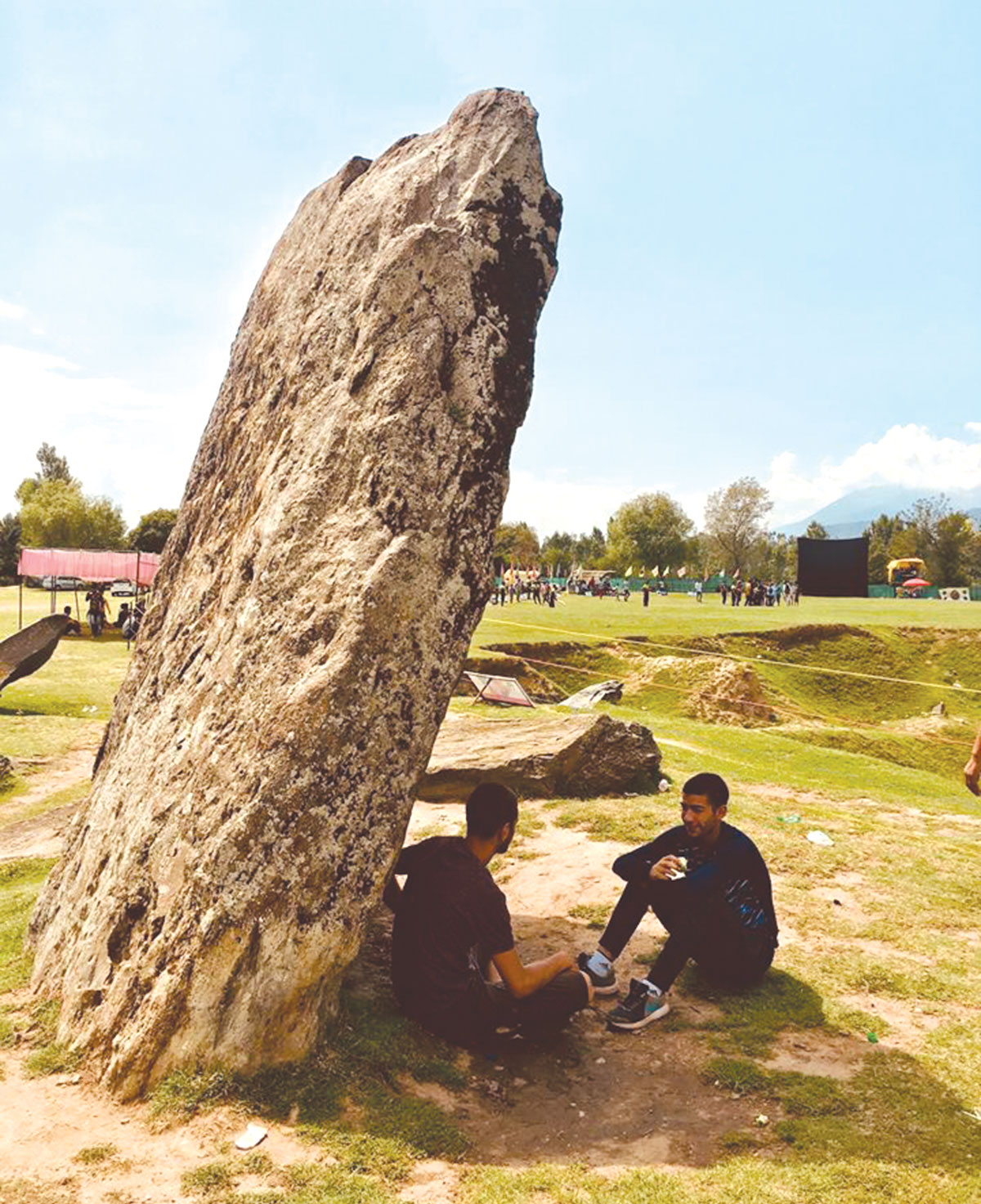
Surprisingly, there exists no site museum or even a single site museum gallery at any of the significant archaeological sites of this land. The world-class Neolithic archaeological site at Burzhama, the Kushan-era terracotta sites of Harwan, Lidder Valley and Ambaaran Akhnoor have also not been provided with site museums despite their worldwide archaeological importance and recognition.
In fact, proposals for site museums at the Burzhama Neolithic site, the Karkota-era Parahaspura site, the Kushan-era Harwan, Pahalgam and Ambaraan sites have been submitted from time to time, but no proposal has been approved to date. In today’s list of recently approved site museums, no site museum for any archaeological site in Kashmir has figured.
Almost all other states in the country have multiple site museums at their respective archaeological sites, but perhaps Jammu and Kashmir is the only region which, despite possessing world-class archaeological sites, has not yet succeeded in establishing its own site museum at any of its archaeological sites.
Although the history of archaeological exploration and excavation in Jammu and Kashmir dates back to the early nineteenth century, European and local archaeologists have discovered several archaeological sites and recovered thousands of significant archaeological artefacts from the Palaeolithic, Neolithic and historic periods.
The most significant archaeological artefacts were recovered from the excavations of the Neolithic site at Burzhama, the Kushan-era terracotta settlements of Harwan and Ambaaran Akhnoor, and the magnificent medieval remains at Parahaspura and Ushkar, Baramulla.
Jammu and Kashmir possesses a remarkable wealth of built heritage. Most of these heritage sites are well maintained and well preserved. However, none of these sites has a site museum. In fact, we are still engaged in the preservation and conservation of our cultural heritage and have not yet moved into its development and promotion phase so that these sites could be properly equipped with the necessary archaeological infrastructure
History records that during the colonial and Dogra eras, foreign travellers and tourists were greatly interested in exploring the architectural and archaeological heritage of this land. Their travelogues and the local administrative reports of that period bear witness to the fact that thousands of tourists visited its archaeological sites and museums every year. The downtown streets of Srinagar city, Khanqah Shah Hamdan, the mosque and tomb of Madin Sahib, the master remains of Buddhist and Hindu monasteries and temples at Harwan, Parahaspura, Ushkar, Tapper, Martand, Avantipura, and other monuments of the Jhelum Valley were among the principal tourist attractions.
Maharaja Pratap Singh is learnt to have kept a close watch on the tourist inflow to this land and on the facilities provided to visitors. He monitored the flow of tourists to the SPS Museum, Srinagar, and it was the duty of the Superintendent of the museum to submit a handwritten report to the Maharaja Bahadur on a daily basis, detailing the number of foreign visitors to the museum. Similarly, tourist visits to monuments were also monitored on a seasonal basis.

Until the 1980s, the State Museum and archaeological monuments were regarded as the principal heritage tourism destinations of this land. During the 1990s, however, the number of tourists declined considerably owing to the uncertain conditions that prevailed here. Even during those unfavourable years, archaeological work continued, and a number of archaeological sites and artefacts were discovered and documented.
But, to one’s surprise, not a single site museum was ever established at any significant archaeological site. Although Jammu and Kashmir possesses several world-class archaeological sites with every potential for the establishment of site museums, no such initiative has materialised. The world-famous Neolithic site at Burzhama, the Kushan-era site at Harwan, Kanishahr at Parahaspura, the Sun Temple at Martand, and the Kushan-era site and fort at Ambaaran Akhnoor are only a few of the places where site museums could have been established.
Unfortunately, the rare Neolithic bone and stone artefacts excavated from Burzhama are still languishing in the strong rooms of the Purana Qila Museum in New Delhi. Similarly, the terracotta tiles excavated from these sites remain housed in the strong rooms of the ASI. Fortunately, a few terracotta tiles and terracotta heads excavated from these sites can be seen in the museums at Srinagar and Jammu.
Scores of terracotta sites excavated across the length and breadth of the Kashmir Valley have also become inaccessible. The tile pavements that were once clearly visible at these sites have been covered with soil, and none of these remarkable remains has been left exposed for visitors. Likewise, the proposal for establishing a Natural History Museum in the old museum complex at Srinagar, utilising the already available valuable collections of stuffed birds and animals, geological specimens and minerals, has also gathered dust.

Usually, the concerned departments and the administration are held responsible for such lapses, but I do not see any fault on the part of these institutions. The cultural and heritage organisations involved in the preservation and conservation of cultural assets have been doing a commendable job, but there is a lack of a sincere and sustainable heritage policy. The Government should formulate a progressive heritage promotion policy that goes beyond the preservation and conservation phase and focuses on establishing site museums, at least at its significant archaeological sites.
It is better late than never. We can still make a beginning, and the first such site museums can be established at the historic Neolithic site of Burzhama, the Kushan-era site of Harwan, Srinagar, and Ambaaran Akhnoor. However, that will only be possible when the artefacts recovered from these sites are brought back and showcased at their original designated locations at Burzhama and Ambaaran Akhnoor, respectively.
(The writer is a senior archaeologist and author. Ideas are personal.)