by Amreen Qadir
Gurez black cumin faces counterfeit trade, ecological pressure and cultural erosion. A Geographical Indication could protect its authenticity, livelihoods, biodiversity and heritage
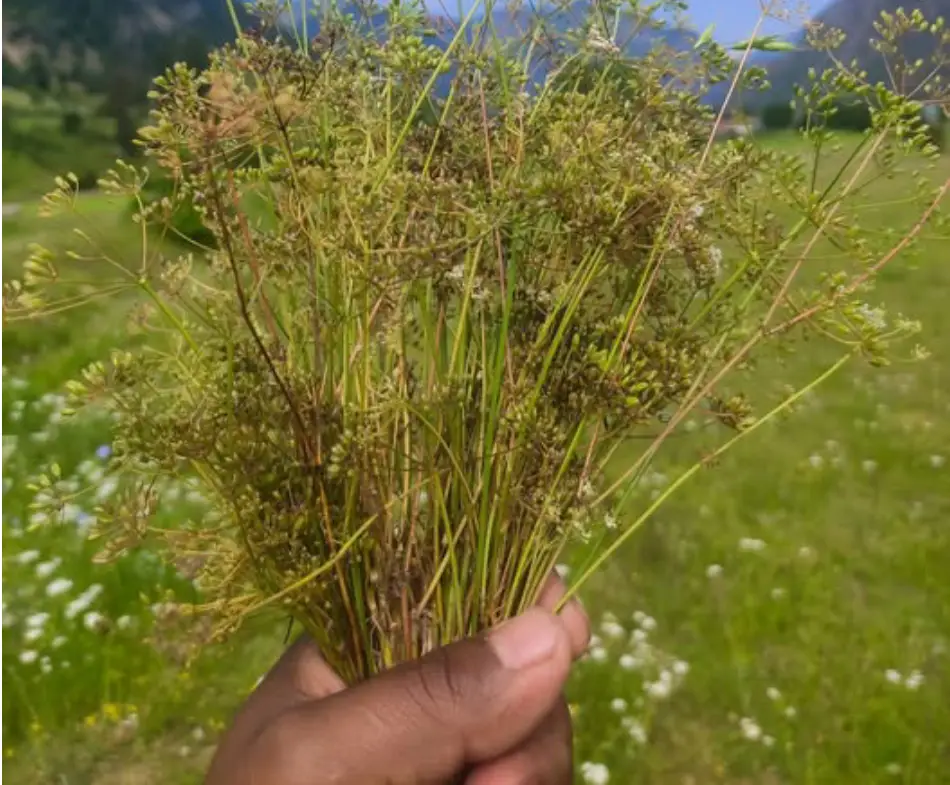
Deep in the high-altitude frontier landscapes of Gurez and Tulail, where rugged mountains confront the elements and winters test the limits of human endurance, nature yields a rare treasure. Across untouched alpine meadows, wild black cumin thrives under conditions that cannot easily be replicated elsewhere, drawing its distinct, pungent aroma from mineral-rich snowmelt, crisp UV exposure and untainted soil of the Greater Himalayas. For generations, the Dard-Shin people have acted as ecological guardians of this spice, harvesting it through backbreaking yet sustainable traditions passed down through generations.
Yet, despite its distinctive pungency, organic purity and medicinal qualities, Gurezi black cumin remains largely unprotected in the national marketplace. While other exceptional regional products across India receive formal legal protection, our wild cumin remains vulnerable to exploitation. This is no longer merely an administrative oversight; it is an urgent issue that demands intervention from the Central Government, the Ministry of Commerce and Industry, and the Department for Promotion of Industry and Internal Trade.
The threat facing Gurez black cumin is immediate and systemic. Because genuine wild black cumin is scarce and intensely labour-intensive to forage across treacherous terrain, commercial middlemen and industrial traders can flood national markets with mass-cultivated, inferior cumin sourced elsewhere, while using the prestigious ‘Gurez’ name to market it. Every season that formal recognition is delayed, local farmers and foragers risk losing vital income, consumers risk being deceived by inferior imitations, and the unique identity of indigenous biodiversity risks being diluted.
The Central Government must fast-track a Geographical Indication (GI) tag for Gurezi black cumin. Granting such status is not merely a bureaucratic exercise; it is a critical measure to secure economic justice for a sensitive and remote border region.
When traders appropriate the Gurez name to sell counterfeit produce, they undermine the prospects of local youth seeking a sustainable future on their ancestral land. We cannot afford to wait. The Central Government must act with urgency to erect a legal wall around this indigenous heritage before market exploitation permanently erodes the identity of the authentic product.
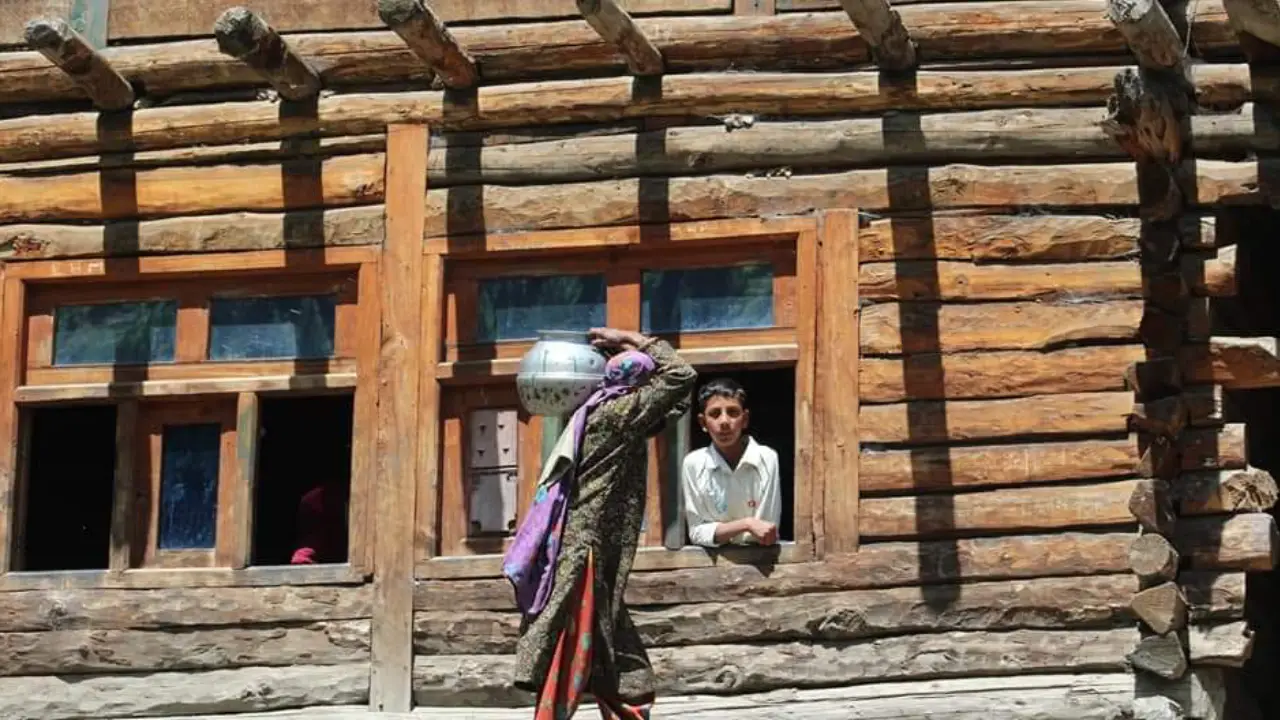
Beyond the immediate economic threat, unchecked commercial exploitation could also trigger an ecological emergency. Unregulated contractors seeking to capitalise on the ‘Gurez’ name may encourage premature harvesting and reckless over-foraging, bypassing traditional, community-enforced conservation practices that allow wild flora to regenerate. Without legally backed protection standards linked to a GI framework, the fragile alpine commons of Tulail and Gurez could face increasing degradation.
True conservation cannot happen in an economic vacuum. When local communities are fairly compensated and legally empowered as custodians of their natural resources, they have a powerful incentive to protect them.
Beyond its economic and ecological dimensions, the neglect of Gurezi black cumin represents a quiet erosion of intangible cultural heritage. For the Dard-Shin community, foraging is not merely a seasonal occupation; it is an intergenerational transmission of botanical knowledge, through which elders teach younger generations to read subtle changes in alpine snowlines, soil conditions and plant maturity.
When cheap counterfeits flood the market, they risk severing this living bridge between people and place, replacing indigenous knowledge with commercially driven extraction.
Securing a GI registration for Gurezi black cumin could transform the economic landscape of Gurez and Tulail while aligning with national priorities of rural empowerment and Aatmanirbhar Bharat. A GI tag would give local producer cooperatives stronger legal grounds to challenge unauthorised use of the name and help curb the sale of counterfeit Gurez cumin across domestic and international marketplaces.
By establishing recognised standards of authenticity and provenance, local farmers and foragers could command better prices, potentially raising rural incomes and reducing the dependence on exploitative middlemen who capture a disproportionate share of the value generated by hill labour.
Besides, GI certification could provide a foundation for modern traceability. Paired with QR-coded packaging managed by local farmer-producer organisations, with particular emphasis on women-led self-help groups involved in post-harvest sorting and cleaning, consumers in New Delhi, Mumbai or London could scan a pouch and trace its provenance to the area from which the spice was sustainably gathered.
With appropriate support from central export-promotion agencies, certified Gurezi black cumin could tap into international gourmet markets, placing India’s high-altitude Himalayan produce more firmly on the global map. Official recognition could also open access to specialised retail platforms, bringing products from the remote valley directly to national and international consumers while reducing exploitative intermediaries.
The Dard-Shin people have preserved this ecological resource through centuries of isolation, climate stress and geopolitical hardship. The mountains have taught them resilience. Now, the Central Government must match that resilience with swift and decisive administrative action that bridges the gap between the borderlands and national economic policy.
Ultimately, safeguarding this wild spice is about more than protecting a commodity. True national security in border regions is deeply intertwined with economic dignity, ecological stewardship and the ability of communities to sustain themselves on their ancestral lands.

When the government invests in the authentic products of high-altitude valleys, it strengthens local economies, anchors vulnerable communities to their homeland and helps ensure that the northern frontier remains vibrant, resilient and self-reliant.
Granting a Geographical Indication to Gurez black cumin would therefore be more than an intellectual-property measure. It would be a test of the country’s commitment to border-area development and to the communities that inhabit its most remote frontiers.
The future of Gurez rests, in part, on the choices made today. By extending a legal shield to its black cumin, New Delhi has an opportunity to send a powerful message: no region is too remote, no heritage too small and no community too distant to be valued.
Preserving the distinctive grains of the mountains is a vital step towards ensuring that the spirit of the frontier endures for generations to come.
(Heading LIFT foundation, the author works for the Doon School Srinagar. Ideas are personal.)