by Tahoora Shakeel
The restoration of AMUSU after eight years offers an opportunity to examine women’s representation, leadership opportunities and participation in university-wide student politics alongside the Women’s College Students’ Union.
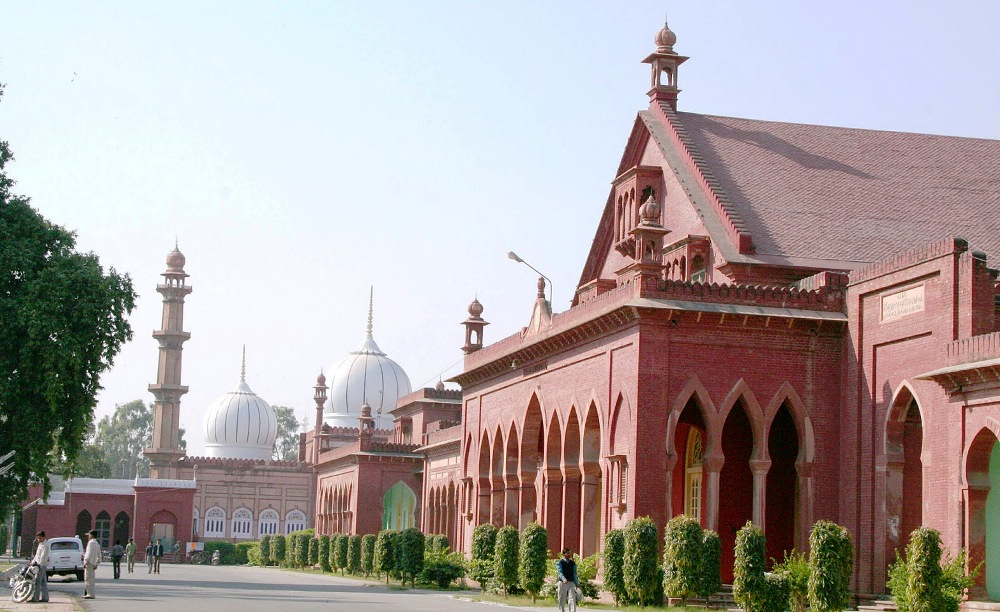
After nearly eight years without an elected Students’ Union, Aligarh Muslim University (AMU) is preparing to restore campus electoral politics. The announcement of elections, following weeks of protests and an indefinite hunger strike by postgraduate student Yasir Fahad, marks an important moment in the university’s student movement. Yet the restoration raises a question that goes beyond the return of an elected body: will the revived union adequately represent the university’s diverse student community, particularly its women students?
The last AMUSU elections were held in 2018, leaving successive batches of students without an elected university-wide representative body. For generations, the union has provided a platform for student leadership, collective expression and participation in campus affairs. Its prolonged absence deprived students of an institutional mechanism through which they could elect representatives and collectively raise their concerns. The demand for restoration was therefore not merely about reviving an old institution; it was about reclaiming a democratic space within the university.
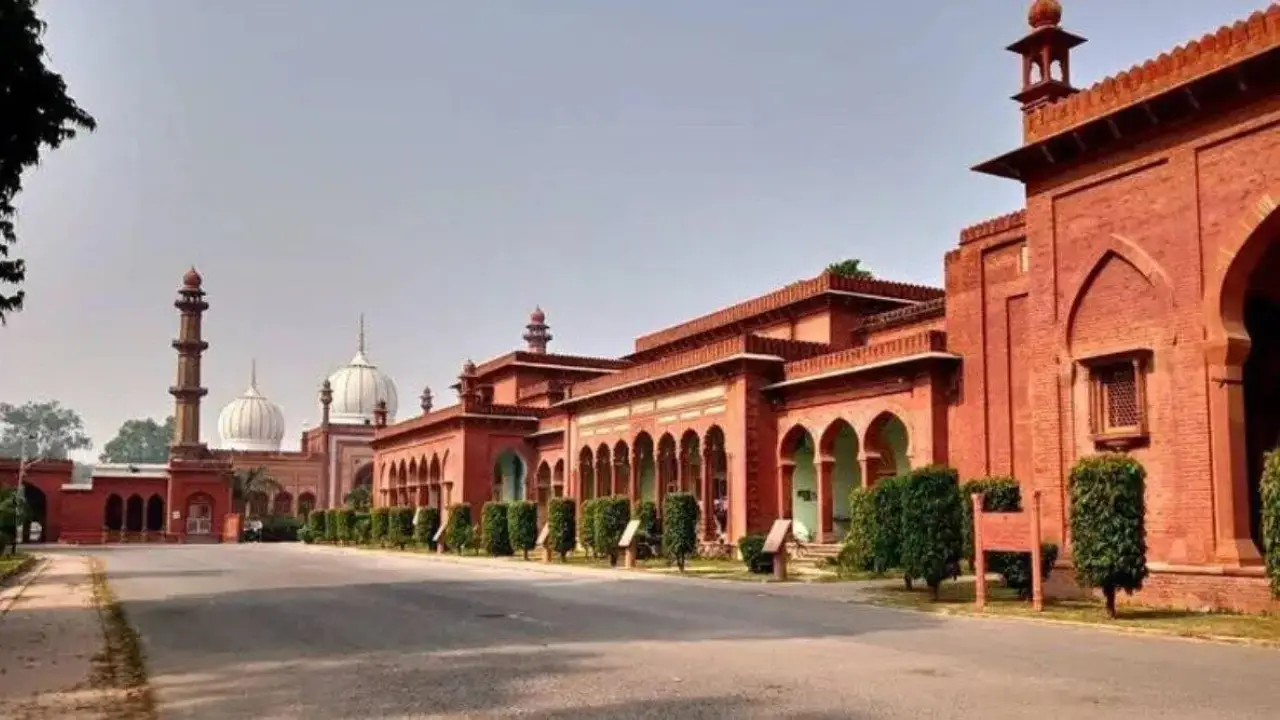
The movement entered a decisive phase on September 21, 2026, when Fahad, a postgraduate student in the Department of Urdu, began an indefinite hunger strike demanding the restoration of AMUSU and the announcement of an election schedule. His suspension by the university further intensified the controversy, while demonstrations and student mobilisation kept the demand alive. On October 9, the university announced that elections would be held on November 5, following negotiations between student representatives and the administration.
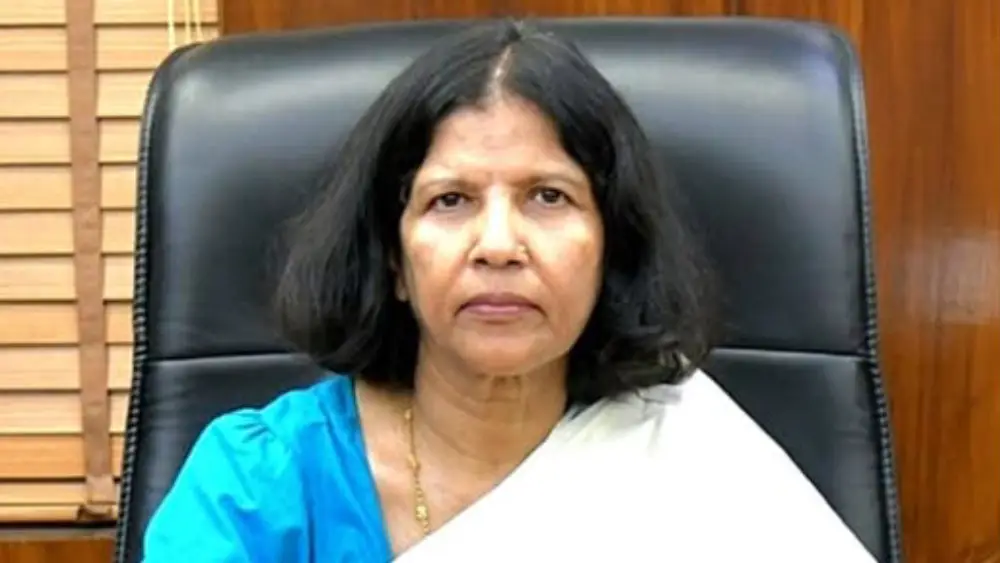
Fahad ended his hunger strike after Vice-Chancellor Naima Khatoon met the protesters and offered him juice. The university also appointed Professor Javaid Talib of the Department of Law as Chief Election Officer for AMUSU and Professor Nazia Hasan of the English Section at Women’s College as Chief Election Officer for the Women’s College Undergraduate Students’ Union elections for the 2026–27 academic session. Professor Mohd. Nafees Ahmad Ansari of the Department of Political Science was appointed the new Proctor.
The announcement marks a significant step towards restoring elected student representation, but an election schedule is only the beginning. The process must culminate in the election of representatives and the revival of a functioning union. Equally important is the question of who will participate in this process, who will secure positions of leadership and whose concerns will shape the union’s priorities. Women’s representation deserves attention not as an additional issue to be considered after the elections, but as an integral part of the university’s return to student democracy.
The Women’s College Students’ Union adds an important dimension to this discussion. Its separate electoral structure provides a representative platform for its own constituency, but it does not resolve the question of women’s participation in the university-wide AMUSU. The two bodies have distinct institutional constituencies and should not be treated as interchangeable. The central question is whether women students across faculties and departments will have meaningful opportunities to contest positions, participate in the university-wide union and influence decisions affecting campus life.
AMU’s history offers examples of women’s participation in student politics. In the 2016 AMUSU elections, three women, Ghazala Ahmad, Labeeba Sherwani and Sadaf Rasool, were elected to the union’s cabinet. Their election demonstrated that women could secure positions within the university-wide representative structure. In 2018, Afreen Fatima was elected president of the Women’s College Students’ Union, providing another example of women’s leadership in campus politics. These instances establish a historical precedent, but they do not, by themselves, reveal the extent or continuity of women’s representation in AMUSU. That requires a closer examination of election records, the positions women have held and the opportunities available to them.
A crucial distinction must be made between participation and representation. Women students may attend demonstrations, articulate grievances and vote in elections, but these activities do not automatically translate into positions of authority or influence over decisions. Meaningful representation also involves the ability to contest elections, secure leadership roles and ensure that women’s concerns remain part of the union’s agenda. The upcoming elections provide an opportunity to examine whether women from different faculties and academic departments can participate on equal terms.
Such an assessment should be grounded in evidence rather than assumptions. The university’s electoral regulations, historical records and the experiences of current and former women student leaders could help establish how the electoral arrangements operate in practice. Conversations with women students would also help identify the practical challenges they face, the issues they want the union to address and whether they believe the existing structures provide adequate opportunities for participation. Without such evidence, it would be premature to conclude either that women are systematically excluded or that their representation is already adequate.
The relationship between AMUSU and the Women’s College Students’ Union also merits closer scrutiny. A separate union can provide women students with a platform to articulate their concerns and develop leadership. However, its existence does not answer whether women can exercise comparable agency within the university-wide union. The relevant question is not whether one structure should replace the other, but whether both can serve their respective constituencies while enabling women students to participate meaningfully in the wider democratic life of AMU.

The restoration of AMUSU after years without elections offers an opportunity to revisit these questions. The student movement has brought the demand for elected representation back to the centre of campus politics, and the announced elections provide a concrete route towards restoring the union. But the significance of that restoration will depend on more than the holding of polls. It will also depend on whether the union becomes an effective platform for the university’s diverse student population.
As AMU prepares for the elections, the question is not simply who will be elected, but whose experiences will shape the union’s priorities and whose concerns will find a place in its deliberations. The return of electoral politics can reopen a democratic space; ensuring that this space is genuinely representative requires attention to the opportunities available to all students. For women, that means looking beyond participation in campus movements to their place within the institutions that claim to represent them. The restoration of AMUSU may mark the return of student democracy, but the breadth and inclusiveness of that democracy will be determined by what follows.
(The author is a student of history at the Aligarh Muslim University, Aligarh. Ideas are personal.)