SRINAGAR: Bollywood has repeatedly presented Kashmir as a paradise of snow-covered mountains, lakes, gardens and romance while largely leaving Kashmiri culture, identity and lived narratives out of the cinematic frame, according to a new academic paper examining the representation of the Valley in Indian cinema.
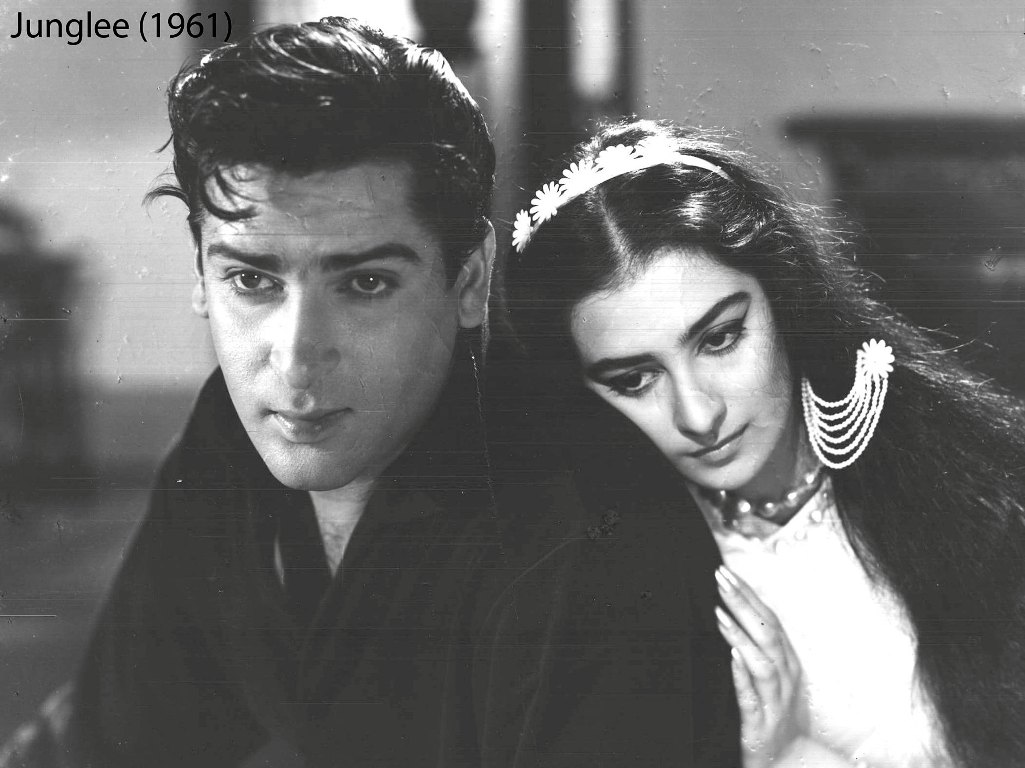
The paper, Representations of Kashmir in Bollywood Cinema, by Nivedita Sharma, published in the Journal of Research in Vocational Education, argues that although Kashmir has remained one of Bollywood’s most enduring filming locations, the industry has seldom portrayed the people and cultural identity of the region beyond a handful of familiar stereotypes.
Sharma traces Bollywood’s relationship with Kashmir from films such as Barsaat and Kashmir Ki Kali to more recent productions, arguing that Hindi cinema developed what effectively became an equation of “romance” with Kashmir. The Valley, she notes, was repeatedly used as an idyllic setting for lovers, songs and dance sequences, with its landscapes providing visual appeal while its society and culture remained largely peripheral.
“Bollywood had a simple equation: Romance is equal to Kashmir,” the paper says, describing the Valley as the “most fitting backdrop” for cinematic depictions of love.
According to Sharma, the pattern was particularly visible in the cinema of the 1960s and 1970s, when snowfall in Gulmarg, the Dal Lake, shikaras, Mughal gardens and mountain landscapes became almost permanent features of Hindi films. Kashmir, she writes, “epitomised love and romance and nothing else”, with the Valley functioning principally as a visually seductive setting for onscreen lovers.
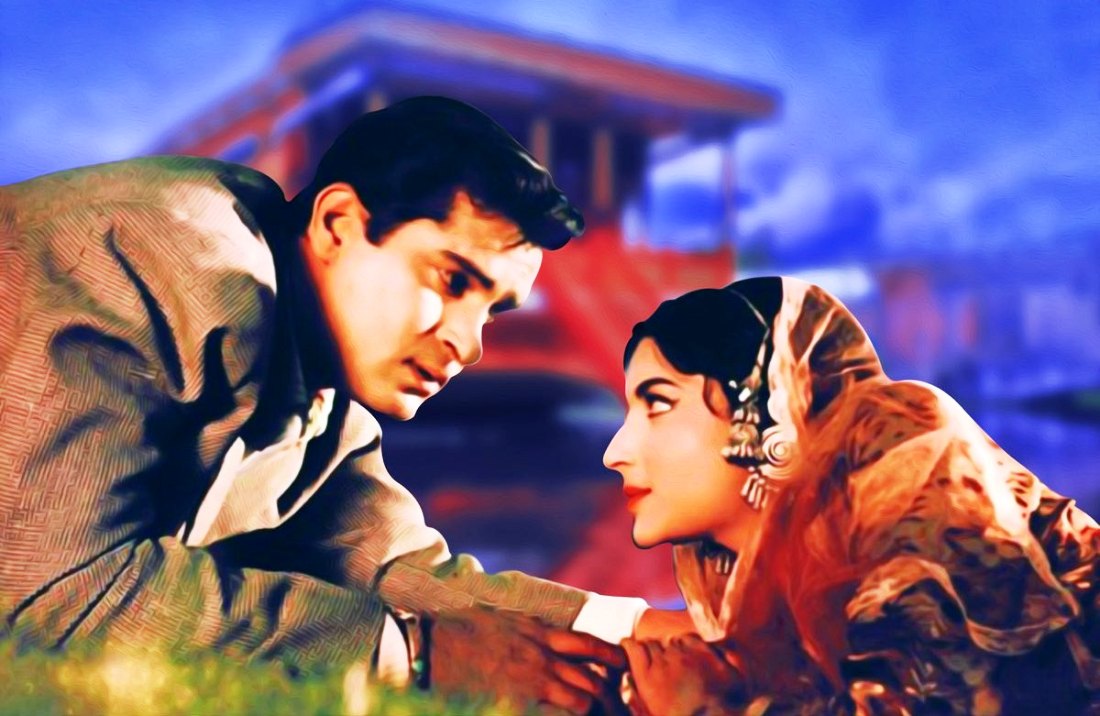
The paper points to Kashmir Ki Kali as one of the strongest examples. Its songs filmed around Dal Lake helped create an enduring cinematic image of Kashmir, but Sharma argues that the portrayal of Kashmiri women itself was distorted. The character Champa, she says, became part of a Bollywood imagination of the Kashmiri woman as “fair-skinned, docile, adorned, shy doll, fragile object of desire”, an image she says bears little resemblance to representative Kashmiri women.
The same cinematic imagery continued through films such as Junglee, Bobby, Roja and Mission Kashmir. Songs including Yeh Haseen Wadiyan and Socho Na Jheelon Ka Shehar Ho reinforced images of Kashmir as a land of beauty, open skies and romantic possibilities. In these films, Sharma concludes, Kashmir was “merely a filmset and nothing more than that”.
The paper, however, identifies a more significant engagement with Kashmiri culture through music. The Bumbroo song in Mission Kashmir brought elements of the traditional Kashmiri musical idiom into mainstream Hindi cinema, while the Kashmiri folk song Rind Posh Maal also found a wider Indian audience. Sharma argues that such examples demonstrate the potential of Kashmiri cultural material to travel well beyond the region when incorporated effectively into popular cinema.
But these examples remain exceptions rather than the rule, according to the paper.
“The contention of the paper is that there are very few instances when Kashmir culture or other aspects have a chance to be portrayed in Bollywood,” Sharma writes. She argues that Kashmiri characters have largely been confined to stereotypes, while the Kashmiri narrative itself remains minimal.
The study concludes that Bollywood’s longstanding fascination with Kashmir has produced a powerful visual image of the Valley but a comparatively weak representation of the people who inhabit it. Kashmiri identity, including culture, dress, dialect and music, has received little sustained representation, even as Kashmir’s landscapes have featured prominently in generations of Hindi films.
Sharma argues that a greater contribution from Kashmiri culture could allow Bollywood to move beyond the familiar postcard image of the Valley and develop richer narratives for audiences across India and beyond. She sees the effective use of Kashmiri folk music, history and cultural traditions as an opportunity to broaden the longstanding Bollywood-Kashmir connection.