by Dr Nisar Farhad
Rahmoo village’s community-led Karewa road initiative showcases unity, sacrifice and participatory development, transforming connectivity, livelihoods and social harmony across Kashmir’s fragile plateau landscapes
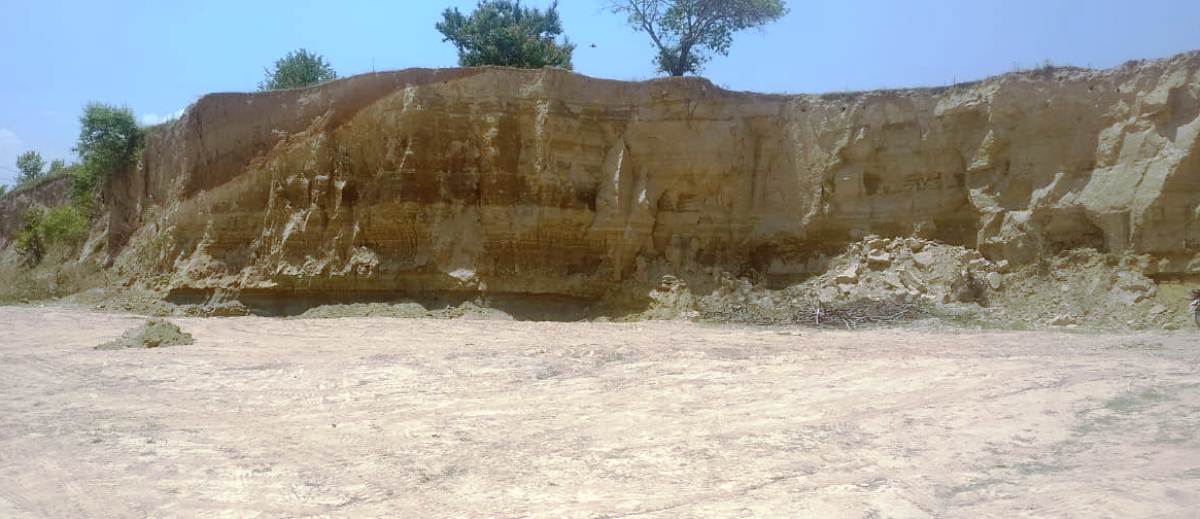
The Karewa lands of Kashmir are among the region’s most distinctive natural assets—ancient elevated plateaus shaped over centuries by glacial and lacustrine processes. Spread across districts such as Pulwama, Shopian, Budgam, Ganderbal, Baramulla, Kupwara and parts of Anantnag, these Karewas are characterised by deep, well-drained soils, gentle slopes and a unique microclimate ideally suited for high-value horticulture.
These tablelands support extensive apple orchards, almond and walnut plantations, cherry groves and, in some pockets, the world-famous Kashmiri saffron. In Pampore, Karewas have sustained saffron cultivation for centuries, while in Pulwama and Budgam, they have increasingly become hubs of high-density apple orchards, forming the backbone of rural livelihoods and agri-based incomes.
Despite their immense productivity and economic importance, Karewa areas have long suffered from poor internal connectivity. Narrow footpaths, seasonal dirt tracks and eroded slopes historically restricted farmers’ access to markets, delayed the adoption of modern horticultural practices and increased dependence on strenuous manual labour, especially during peak harvest seasons.
Rahmoo village in Pulwama district is now witnessing a remarkable phase of transformation with the construction of new Karewa roads across its fertile plateaus. Unlike conventional development projects, this initiative was entirely community-driven. The cost of labour, machinery and allied works was voluntarily borne by the farmers themselves, making the roads not merely an infrastructure achievement but a powerful symbol of brotherhood, sacrifice and shared destiny.
For decades, farmers of Rahmoo faced severe challenges in accessing their Karewa holdings, particularly during harvest time. Similar hardships have been common across Kashmir’s Karewa belt, where produce was often transported on shoulders or pack animals due to the absence of motorable roads. I vividly recall my own childhood in these landscapes, watching elderly farmers and, at times, young boys bending under heavy loads of almonds and walnuts, trekking long distances along narrow Karewa paths. Those images of sweat, patience and quiet endurance remain etched in memory, reflecting the physical toll horticulture once demanded in the absence of basic connectivity. Poor access and uneven terrain made the transportation of apples, almonds and walnuts both difficult and costly, often resulting in damage to produce and financial loss.
The newly constructed roads have now brought long-awaited relief. They allow smooth access for tractors, load carriers and modern horticultural machinery, significantly improving efficiency, reducing post-harvest losses and opening new avenues for agricultural growth and diversification.
What truly sets this initiative apart is the extraordinary spirit of cooperation and selflessness displayed by the residents. Across Kashmir, Karewa lands are often flashpoints of dispute due to rising land values, expanding horticulture and increasing pressure on limited agricultural space. The construction of these roads required the surrender of valuable agricultural land meticulously cultivated and preserved over generations. Yet farmers came forward willingly, donating land without hesitation or expectation of compensation. Large landholders led by example, offering substantial portions of their holdings, which encouraged small and marginal farmers to participate equally. Remarkably, the entire process was completed without a single dispute, reflecting deep trust, moral strength and social cohesion within the community.
The initiative was jointly led by senior citizens and youth of the village under the banner of Rahmoo Public Interest and the Rahmoo Progressive Committee. Their leadership, foresight and moral guidance proved decisive in mobilising public support and maintaining harmony throughout the project. At a time when land-related conflicts often divide families and villages, Rahmoo’s collective approach stands out as a rare and inspiring exception.
In an era increasingly marked by materialism and individualism, where even brothers turn against one another over small parcels of land, Rahmoo has emerged as a shining example of moral integrity, unity and commitment to the collective good. In recent years, several parts of the valley have witnessed disturbing incidents where minor Karewa land disputes, boundary disagreements or access issues escalated into violent confrontations and bloodshed, eroding the social fabric of rural communities. Against this backdrop, Rahmoo’s commitment to shared progress reflects rare social maturity and offers a powerful lesson in prioritising communal welfare over personal gain.
This people-led initiative received high appreciation from the Deputy Commissioner of Pulwama, Basharat Qayoom, who lauded the unity, discipline and voluntary contributions of Rahmoo’s residents. He observed that the project exemplified the true spirit of participatory development, where public welfare is placed above individual interests. The Deputy Commissioner noted that transparent planning, collective consent and community ownership were central to the project’s success and emphasised that such initiatives not only strengthen rural infrastructure but also help prevent conflicts arising from land disputes and promote lasting social harmony. He further expressed hope that Rahmoo’s experience would inspire other villages across the district.
The villagers also acknowledged the valuable cooperation and encouragement extended by SSP Pulwama Ms Tanushree IPS, SHO Rahmoo and BDO Rajpora, whose constructive engagement, coordination and facilitative approach helped ensure the smooth, peaceful and timely execution of the project, reinforcing the principle that development yields the best results when administration and community work together.

Rahmoo’s success has already begun to influence neighbouring villages, with several communities exploring similar cooperative approaches to improve Karewa roads and internal connectivity. Inspired by Rahmoo’s spirit of collective decision-making and shared sacrifice, these villages have initiated dialogue among farmers, elders and youth to resolve land-related issues amicably and prioritise development over discord. The initiative has demonstrated that when communities unite with trust and purpose, even long-pending infrastructural challenges can be addressed peacefully and effectively. As a result, Rahmoo is emerging as a replicable blueprint for rural development across the Karewa belt, fostering inter-village cooperation, strengthening social harmony and accelerating inclusive growth beyond its own boundaries.
As Rahmoo celebrates this milestone, heartfelt appreciation is due to its farmers, senior citizens and youth, whose sacrifice, vision and brotherhood have transformed a simple road-building effort into a lasting symbol of unity, resilience and hope for sustainable rural development.
(The author teaches Chemistry. Ideas are personal.)