by Rizwan Yousuf
“Winter may freeze the world, but it cannot freeze the spirit of those who endure.”
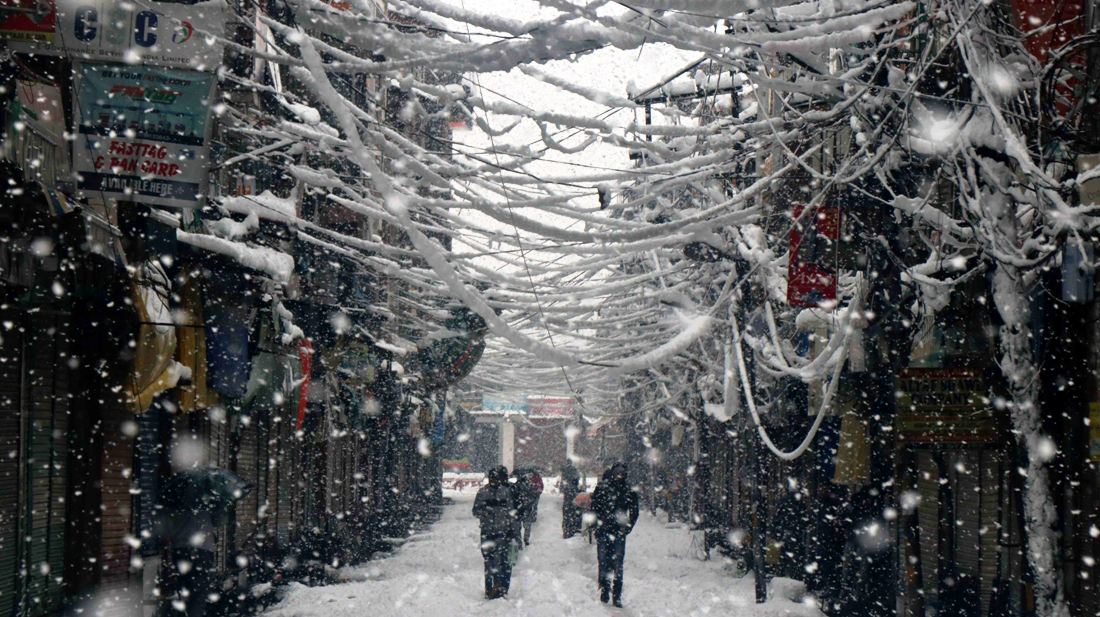
Chilla Kalan, the 40 days of intense winter, is a defining feature of Jammu and Kashmir. It brings freezing temperatures, heavy snowfall, and numerous challenges for residents and visitors. Starting in late December, this harsh phase is marked by bitter cold and poses significant health and infrastructure risks.
Health Risks
The extreme cold during Chilla Kalan poses severe health risks, particularly for vulnerable groups such as the elderly, children, and individuals with pre-existing medical conditions. The sub-zero temperatures can lead to a range of conditions, including frostbite and hypothermia, and exacerbate respiratory ailments.
Hypothermia and Frostbite: Hypothermia occurs when the body’s core temperature drops below 35°C, causing heat loss faster than the body can generate it. This condition is particularly dangerous for the elderly and young children, who may lack the resilience to endure prolonged exposure to cold. Frostbite, another grave concern, occurs when body tissues freeze due to extreme cold, often affecting fingers, toes, ears, and the nose. If untreated, frostbite can lead to permanent damage or even loss of body parts.
Respiratory Problems: The cold air exacerbates pre-existing respiratory conditions such as asthma, bronchitis, and chronic obstructive pulmonary disease (COPD). Hospitals report a surge in cases of respiratory distress during Chilla Kalan, with individuals suffering severe attacks triggered by the cold.
Prevention and Safety Tips: Health experts recommend staying indoors during the coldest hours, especially in the evening and early morning. For those venturing outdoors, wearing layers, including thermal undergarments, woollen sweaters, and insulated jackets, is essential. Hats, scarves, gloves, and thick socks are vital to protect extremities. Individuals with respiratory conditions should avoid exposure to cold air and adhere to medical advice for proper management.
Infrastructure Challenges
Chilla Kalan’s impact extends beyond health, placing immense strain on Jammu and Kashmir’s infrastructure. The region’s power supply, transportation, and essential services face significant disruptions.
Transportation Disruptions: Snow accumulation on roads and highways hampers transportation, making travel hazardous or impossible. Blocked roads affect daily life, making it difficult for locals to access vital services. For tourists, navigating snow-covered roads requires precautions like snow chains for vehicles.
Power Outages: Heavy snowfall often damages power lines, leading to frequent outages. Residents are advised to prepare for such disruptions by stocking up on essentials like blankets, candles, and non-perishable foods. While authorities work to restore services promptly, preparedness is key.
Safety Concerns
Despite the harsh conditions, Chilla Kalan’s snow-covered landscapes and winter sports attract many tourists to Jammu and Kashmir. Popular destinations like Gulmarg, Sonamarg, and Pahalgam have transformed into bustling hubs of winter tourism. However, these attractions come with significant safety concerns.
Safety Risks: Slippery paths, ice patches, and deep snow pose risks for hikers, skiers, and outdoor enthusiasts. Accidents, such as falls, are common, especially when tourists ignore safety advice or venture off marked trails. Heavy snowfall can also block access to remote destinations, complicating travel plans.
Travel Tips: Tourists should stay updated on weather forecasts and road conditions. Booking accommodations and excursions through reputable agencies familiar with local weather patterns is advisable. Carrying essentials like warm clothing, waterproof gear, first aid kits, and flashlights ensures a safer experience.
Agricultural Impact
Chilla Kalan’s freezing temperatures also affect the region’s agriculture, particularly its renowned apple orchards and walnut plantations. Farmers face significant challenges as frost damages crops, impacting yields and incomes.
Frost Damage: Frost can harm delicate buds of apple, walnut, and almond trees, reducing seasonal harvests. Vegetable cultivation also suffers as frost kills young plants and delays growth. Farmers are advised to use protective covers and ensure fields are well-irrigated to mitigate damage.
Economic Consequences: Frost damage has severe economic repercussions in a region where agriculture is a primary livelihood. Reduced yields lead to higher prices and supply shortages. Recovery requires substantial time and financial resources, compounding the struggles of farming families.
Staying Safe
With the challenges posed by Chilla Kalan, both residents and visitors must take precautions to stay safe and minimise risks:
Dress in Layers: Wear insulated clothing, woollen hats, scarves, gloves, and thick socks. Avoid tight clothing that restricts circulation.
Stay Indoors During the Coldest Hours: Limit outdoor activities, especially in the evening and early morning.

Prepare Homes for Winter: Ensure proper insulation and heating. Stock up on essentials like water, blankets, and non-perishable foods to prepare for power outages.
Travel with Caution: Avoid unnecessary travel during heavy snowfall. If travel is essential, equip vehicles with snow chains and carry winter gear.
Protect Livestock: Farmers should keep livestock in well-insulated shelters to shield them from extreme cold.
(The author is an Assistant Professor at the University Institute of Science, Chandigarh University. Ideas are personal.)