by Irfan Qayoom Shah
Instead of losing ourselves to deception, we should embrace honesty, humility, and kindness.
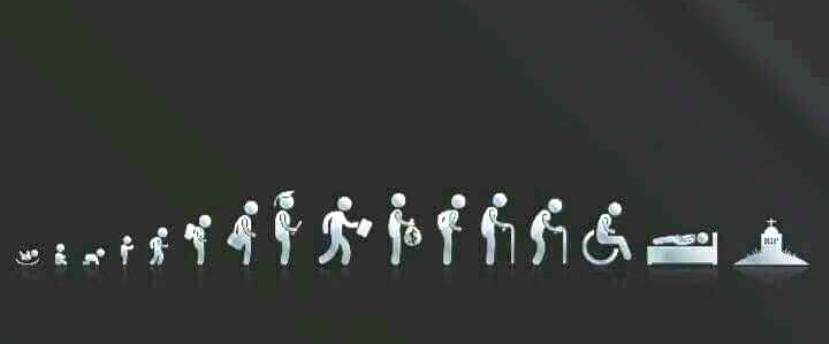
Human nature is fluid, ever-changing, and profoundly shaped by its environment. People instinctively alter their behaviour, expressions, and attitudes in response to shifting circumstances. Whether adapting to social norms, professional demands, or the intricacies of personal relationships, this adaptability serves as a fundamental survival skill. Yet, when pushed to extremes, such flexibility can breed inconsistency, hypocrisy, and emotional exhaustion.
Across cultures, societal expectations exert a powerful influence on behaviour. In traditional settings, family honour and reputation often dictate personal conduct. Individuals may suppress their true feelings to preserve harmony or uphold their family’s standing. This compulsion to conform compels many to present an idealised version of themselves, concealing struggles and vulnerabilities behind meticulously curated façades. In social gatherings, conversations frequently revolve around maintaining pleasantries rather than expressing genuine emotions, further entrenching these layers of pretence.
The growing need for validation has led many to prioritise external perception over internal truth. The notion that one’s worth is determined by how others perceive them has fostered a culture in which external validation often takes precedence. Increasingly, individuals mould their personalities not according to who they truly are, but rather to what is deemed most socially or professionally advantageous. This relentless pressure to sustain an idealised self-image distances people from their authentic essence, rendering true authenticity an ever-rarer commodity.

Scholars of human behaviour have long examined how individuals tailor their identities according to their audience. Life often resembles a stage, where people assume varied roles to align with their surroundings. In modern workplaces, this phenomenon becomes particularly pronounced, as professionalism demands emotional restraint. Employees project an air of competence while concealing personal struggles, and hierarchical structures foster power dynamics that incentivise selective behaviour.
An individual may exhibit respect and compliance towards superiors while privately harbouring frustration and dissatisfaction. With the rise of digital workspaces and social media, the chasm between public and private personas has grown ever wider. Social platforms amplify achievements and meticulously curated images of success, often obscuring the difficulties and insecurities that lie beneath the surface. The pressure to sustain an idealised online identity breeds anxiety and detachment, rendering it increasingly difficult for individuals to reconnect with their authentic selves.
At times, wearing a mask is necessary to preserve social harmony and circumvent unnecessary challenges. Yet, we often find ourselves behaving differently towards the same person depending on the circumstance—warm and friendly when we seek something, distant and indifferent when we do not. Our interactions are layered with filters, as we carefully calibrate our words and expressions to suit the moment.
This habitual pretence becomes second nature, blurring the line between who we truly are and who we project ourselves to be. But life is fleeting, and these temporary façades will inevitably fade. Rather than exhausting ourselves through endless performance, we ought to embrace honesty, accept our imperfections, and cultivate meaningful connections.
In certain situations, adapting one’s behaviour is a necessary means of navigating challenges, whether in personal relationships, the workplace, or public settings. In professional life, it is vital to remember that no position is permanent; if we hold a role today, someone else will inevitably occupy it tomorrow. Titles, authority, and influence are all transient, and clinging to them with arrogance only serves to isolate us.

True respect is not earned through power but through character and how we treat those around us. Rather than being consumed by competition or ego, we ought to cultivate humility and kindness. The most successful professionals are not those who step on others to ascend but those who uplift and inspire. Constantly reshaping ourselves to meet external expectations generates inner turmoil, leaving scant room for genuine self-expression.
The strain of maintaining a false image depletes energy that could otherwise be channelled into building meaningful connections and fostering professional growth. A workplace rooted in sincerity and mutual respect nurtures not only productivity but also inner peace. When individuals feel valued for who they truly are, they contribute more effectively, creating an environment where honesty and collaboration flourish. Yet, this should never come at the cost of losing one’s true self. The real challenge lies not in adapting to different roles but in ensuring that these adaptations do not erode authenticity.

Sincerity forms the bedrock of meaningful relationships and trust. Yet, there are moments when even those closest to us are deceived, as individuals hide behind masks of politeness, ambition, or fear. In the pursuit of acceptance and success, people often become pretentious, saying what others wish to hear rather than what they truly mean. But life is fleeting—our time here is temporary, and the illusions we construct will inevitably dissolve. Instead of losing ourselves to deception, we should embrace honesty, humility, and kindness. Recognising the transient nature of existence allows for a deeper understanding: what truly matters is not how well one performs for others but how genuinely one connects with them.
Let us cast aside pretence, act with sincerity, and leave behind a legacy of truth and compassion. When we prioritise authenticity over approval, we not only liberate ourselves but also inspire others to shed their masks. In the end, it is not our shifting identities that define us but our kindness, humility, and sincerity. Life is too brief for endless pretence; what endures is how we treat others and the sincerity with which we live.
(The author is a PhD candidate at the University of Kashmir. Ideas are personal.)