by Meer Shahzaib
In India, the divide between urban and rural voters has grown pronounced, making it challenging for politicians to cater to the needs of both groups without alienating one side.
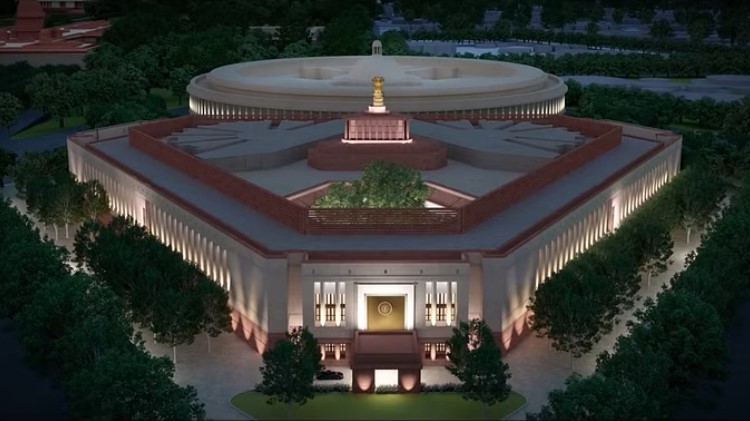
A quiet crisis is unfolding in the corridors of democracy, where the voices of the people should resonate the loudest. The gap between voters and elected officials has widened, creating an unsettling disconnect that threatens democratic governance. This disconnect is palpable, from urban metropolises to rural villages, where citizens feel unheard, unrepresented, and increasingly distant from the political structures meant to serve them.
As India navigates its democratic journey, this “crisis of representation” poses a significant challenge. It demands urgent attention, not just for the future of democracy but for the essence of political accountability. A fundamental question arises: are citizens truly being heard, or have they become mere spectators in the grand theatre of politics?
A thriving democracy requires inclusivity, reflecting the diversity of its people and ensuring no voice is marginalized. When diverse groups, such as farmers, Dalit women, students, and migrant workers, feel part of a shared national conversation, true democracy takes root. The responsibility for this lies not only with politicians but with each citizen.
Citizens must demand more from their leaders in terms of policy, accountability, transparency, and commitment to the public good. The future of democracy depends on rekindling lost trust and restoring a sense of belonging. This is vital for a healthy political ecosystem.
Citizens must ask themselves: are they content with a system serving only a few, or are they willing to work towards a democracy reflecting the true will and needs of its people? The answer will determine not just the future of politics but the future of society.
The choice is clear: allow the disconnect to deepen or work towards a democracy where every citizen feels represented, understood, and valued. Only then can democratic institutions be revitalised, becoming a testament to the power of collective will and shared vision.
For the youth, particularly in urban areas, politics has become a game played by a few elites, detached from the concerns of the common man. Yesterday’s optimism has vanished, replaced by growing disillusionment. This phenomenon is not unique to India; globally, citizens question whether their leaders serve them or merely themselves.
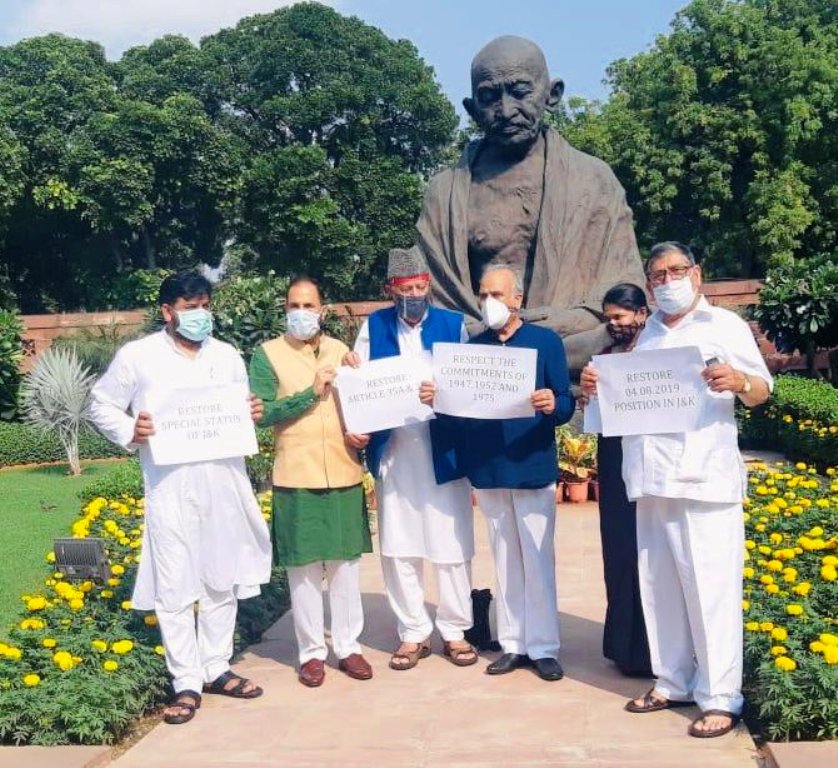
The influence of money in politics has become a glaring concern. In India, election campaigns are often backed by substantial funds from political parties, corporations, and wealthy donors. This creates an electoral system more responsive to the rich than the common citizen.
A study by the Association for Democratic Reforms revealed that many candidates in the 2019 general elections spent disproportionate amounts on campaigns, relying heavily on corporate donations. This raises a critical question: when did money become the driving force behind policy decisions, overshadowing the voices of the people?
This financial dependence on the elite has a profound impact on the democratic process. Decisions made to appease corporate giants and wealthy donors, rather than the electorate, result in a stark disconnect between leaders and citizens. This issue is not unique to India; the rise of Super PACs in the US has exacerbated the problem, creating a political arena where policy is shaped by the wallets of a few.
Polarisation has become another significant contributor to this disconnect. The political landscape has transformed into a battlefield of extremes, where moderation is viewed as weakness and compromise as betrayal. This hyper-partisan environment, amplified by social media, has given rise to an era where politicians prioritize appeasing their core base over engaging with a diverse electorate.
The art of compromise, once a cornerstone of democratic governance, seems to have been forgotten. Political debates during elections often overlook issues that matter to the common man, such as education, healthcare, and infrastructure, in favour of sensationalised rhetoric. In many democratic systems, politicians are forced to cater to the loudest voices in their parties, leaving behind the voices of millions caught in the middle.
In India, the divide between urban and rural voters has grown pronounced, making it challenging for politicians to cater to the needs of both groups without alienating one side. This raises a critical question: is this the future we envision—a political system where only extremes are heard, and the centre is drowned out?
At the heart of India’s democratic crisis lies a glaring issue: the systematic exclusion of marginalized groups from the political process. Despite celebrating its diversity, the promise of equality often rings hollow for millions living on the peripheries of economic, social, and political power.
Poverty, caste-based discrimination, gender inequality, and religious marginalisation deny vast sections of the population their rightful place in the democratic framework. Representation, in theory, should bridge this gap, ensuring every citizen has a voice in shaping policies. However, in practice, it remains the preserve of a privileged few.
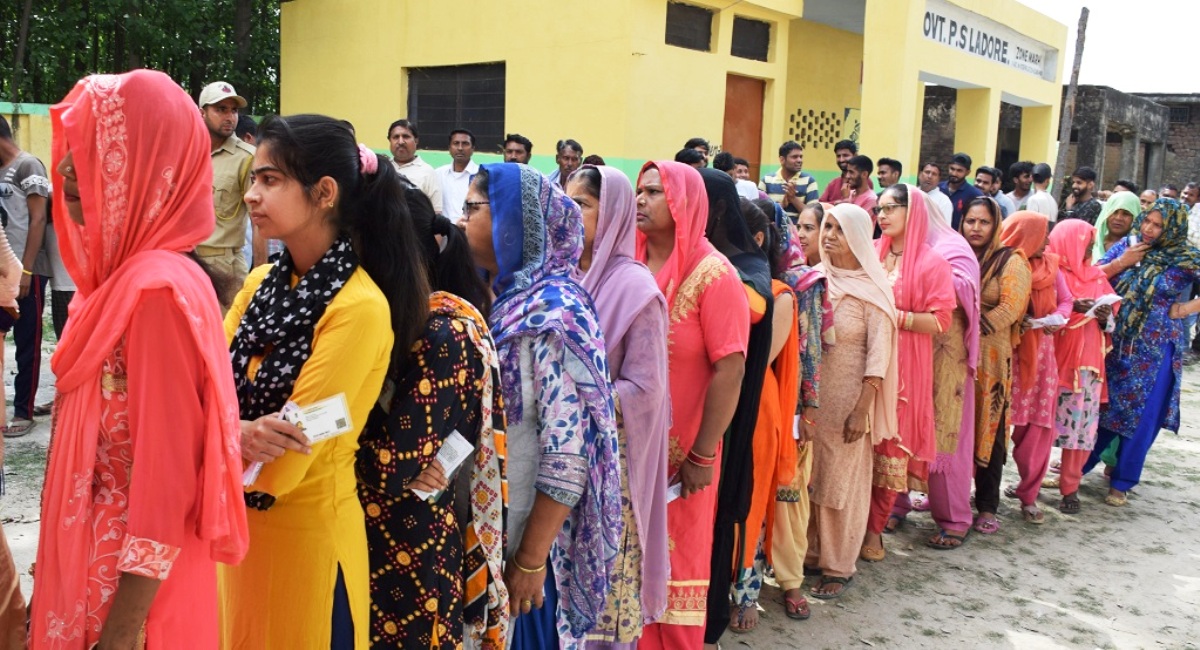
Women, Dalits, tribal communities, and religious minorities are often sidelined in the corridors of power. Their concerns, central to the nation’s development, are frequently dismissed, diluted, or lost amid urban-centric and elite-driven political discourse.
The struggles of farmers, particularly in rural areas, exemplify this disconnect. For years, they have faced declining incomes, mounting debts, and inadequate support from government policies. Their year-long protest against controversial agricultural laws, which saw tens of thousands mobilize across the country, was a poignant reminder of the disconnect between the governed and the governing.
Despite the scale of their mobilization and the legitimacy of their grievances, many felt ignored, misunderstood, or vilified by political leaders who seemed more focused on urban and corporate interests.
This exclusion extends beyond farmers. Women, who constitute nearly half of India’s population, remain grossly underrepresented in the political sphere. India’s parliament has one of the lowest proportions of women legislators in the world.
Dalits and tribal communities, historically oppressed and disenfranchised, continue to face systemic barriers preventing them from accessing political power. Religious minorities often find their concerns marginalized in a majoritarian political climate.
This exclusion undermines the essence of democracy, rooted in the principle of equal representation. When certain voices are persistently ignored, democracy ceases to function as a system of the people, by the people, and for the people. Instead, it risks becoming an oligarchy, serving only the interests of a privileged few.
To heal the growing divide, India and democracies worldwide must embark on a journey of political reform. The first step is campaign finance reform, ensuring elections are driven by the will of the people, not the interests of a privileged few.
Strengthening local governance, encouraging civic engagement, and ensuring transparency in the political process are also crucial in restoring trust. Furthermore, political leaders must engage meaningfully with the electorate, shifting away from sensationalised rhetoric towards substantive policy-driven discussions.
Platforms for dialogue, such as town halls and public consultations, can bridge the gap between politicians and constituents. In the digital realm, combating misinformation and fostering inclusive, reasoned discourse is essential to rebuilding trust.
For democracy to thrive, it must do so with the participation of all citizens. Every voice must be heard and valued. The choices made today will have far-reaching consequences, shaping the future for generations to come.
Will India allow the disconnect to fester, reducing democracy to a hollow ritual of elections and empty promises? Or will it rise to the occasion, reigniting collective action and genuine representation?

A democracy worth fighting for is one where every citizen feels valued, from the remotest village to the biggest city. It is a democracy that ensures equality, rather than simply promising it. Such a democracy demands courage – not just from politicians, but from the people who dare to demand more and believe their voices matter.
The road ahead is challenging, but the promise of a more inclusive, responsive democracy makes it worthwhile. Democracy, in its truest sense, is the collective dream of a people who believe in the power of their shared voice. As Abraham Lincoln said, democracy is a government of the people, by the people, for the people. To abandon this vision is to abandon the essence of what binds us as a nation.
(The author is a student of Economics and Political Science at Amar Singh College. Ideas are personal.)