by Nazira Maqbool
As Ramzaan approaches, Muslims prepare for fasting, prayer and reflection. Beyond abstinence, the month emphasises discipline, charity, kindness and self-purification, offering believers a path toward spiritual growth and renewal.
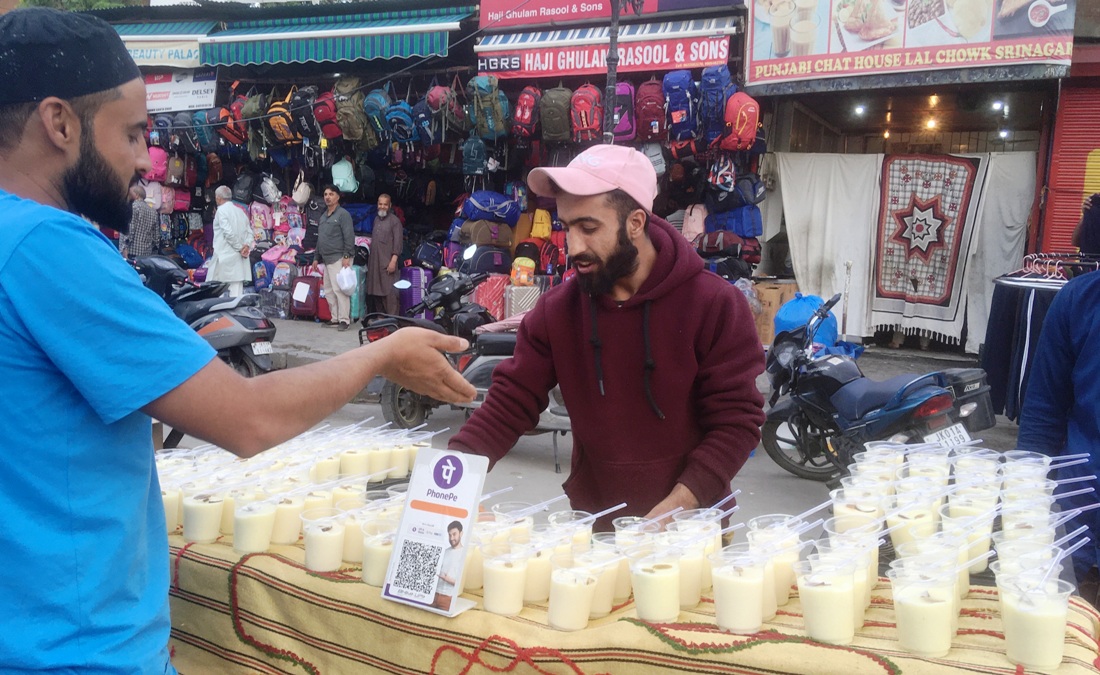
As we are all aware, the blessed month for Muslims, the holy month of Ramzan, is approaching and is just a few days away. For many, Ramzan may simply appear to be a month of fasting and prayer. However, for those who truly understand its essence, Ramzan is far more profound and beautiful. It is a divine opportunity for spiritual rebirth, self-discipline, mercy and a deep connection with Allah.
Allah says in the Qur’an: “Ramzan is the month in which the Qur’ān was revealed, guidance for mankind, and clear proofs of guidance, and the criterion (between right and wrong)” (Qur’an 2:185).
This verse alone highlights the extraordinary status of Ramzan, as it marks the revelation of the final and complete guidance for humanity.
The Messenger of Allah further emphasised the significance of this month by saying that the earlier scriptures were also revealed during Ramzan. The scriptures of Ibrahim were revealed on the first night of Ramzan, the Torah after six nights, the Gospel after thirteen nights, and the Qur’an after twenty-four nights. This shows that Ramzan has always been a sacred time of divine communication and guidance.
During this blessed month, certain responsibilities and duties are placed upon us, each aimed at purifying the soul and strengthening faith.
Fasting (Sawm) is the central act of worship in Ramzan. Allah says: “O you who believe! Fasting is prescribed for you as it was prescribed for those before you, so that you may attain taqwā (piety)” (Qur’an 2:183).
Taqwā means being conscious of Allah at all times, protecting oneself from His displeasure by avoiding what He has forbidden and fulfilling what He has commanded. When we fast, we temporarily make harām upon ourselves what is normally ḥalāl, such as food and drink. This powerful practice teaches us to control our desires and say “no” to the impulses of the nafs. As a result, fasting strengthens self-discipline and makes it easier to stay away from sinful actions even after Ramzan ends.
Ramzan is inseparable from the Qur’an. Since it is the month in which the Qur’an was revealed, reciting and reflecting upon it holds immense reward. The Prophet Muhammad used to revise the Qur’an with Angel Jibreel during Ramzan, setting a beautiful example for the Ummah.
Reading the Qur’an during this month brings spiritual renewal, clarity of heart and inner peace. It allows believers to reconnect with divine guidance and reshape their lives according to its teachings. Even a few verses read with understanding can transform the soul.
Charity holds special importance in Ramzan, as rewards for good deeds are multiplied. Giving purifies wealth, cleanses the heart from greed and nurtures empathy for the less fortunate. Muslims give Zakat al-Fitr as an obligation and increase voluntary Sadaqah to support the needy.
The Prophet was the most generous of people, and his generosity increased even more during Ramzan. Through charity, social bonds are strengthened, and the spirit of compassion spreads throughout the community.
Ramzan teaches not only physical restraint but also emotional and moral discipline. Being gentle, patient, and kind is essential during this holy month. Fasting helps believers control anger, harsh speech and negative behaviour. The Prophet instructed that if someone provokes a fasting person, they should respond with peace.
Gentleness reduces stress, improves emotional balance and strengthens relationships. It mirrors the divine mercy that believers seek from Allah during Ramzan and helps create a peaceful environment in homes, workplaces, schools and public spaces.

Ramzan is also a time of detox, spiritual, physical and psychological. Avoiding addictions such as smoking, excessive caffeine, junk food, social media overuse, or other harmful habits is a key goal of fasting. By controlling desires during daylight hours, believers train their willpower and reset their priorities.
This self-control helps individuals break unhealthy cycles and adopt a more mindful, balanced lifestyle that can continue long after Ramzan.
Although many other virtuous acts can be practised during Ramzan, its ultimate purpose is the purification of the soul. It is a month to soften hearts, remove inner impurities and renew faith. Let us strive to be gentle with one another and make our communities, workplaces, schools and public spaces more understanding and less stressful for those who are fasting.
Ramzan offers countless rewards for every good deed. Let this blessed month not pass as a routine, but become a turning point for individuals and society as a whole. May the month of Ramzan bring lasting positive change, spiritual growth and unity to the entire community?
(The author is a student of Economics in the Cluster University of Kashmir. Ideas are personal.)