by Sumaya Jan and Sameer Hussain Gull
… if a pack of biscuits is reduced from 200 grams to 180 grams while its price remains unchanged, the CPI registers no inflationary effect. Yet consumers are effectively paying more for less, thereby distorting the actual burden of inflation.
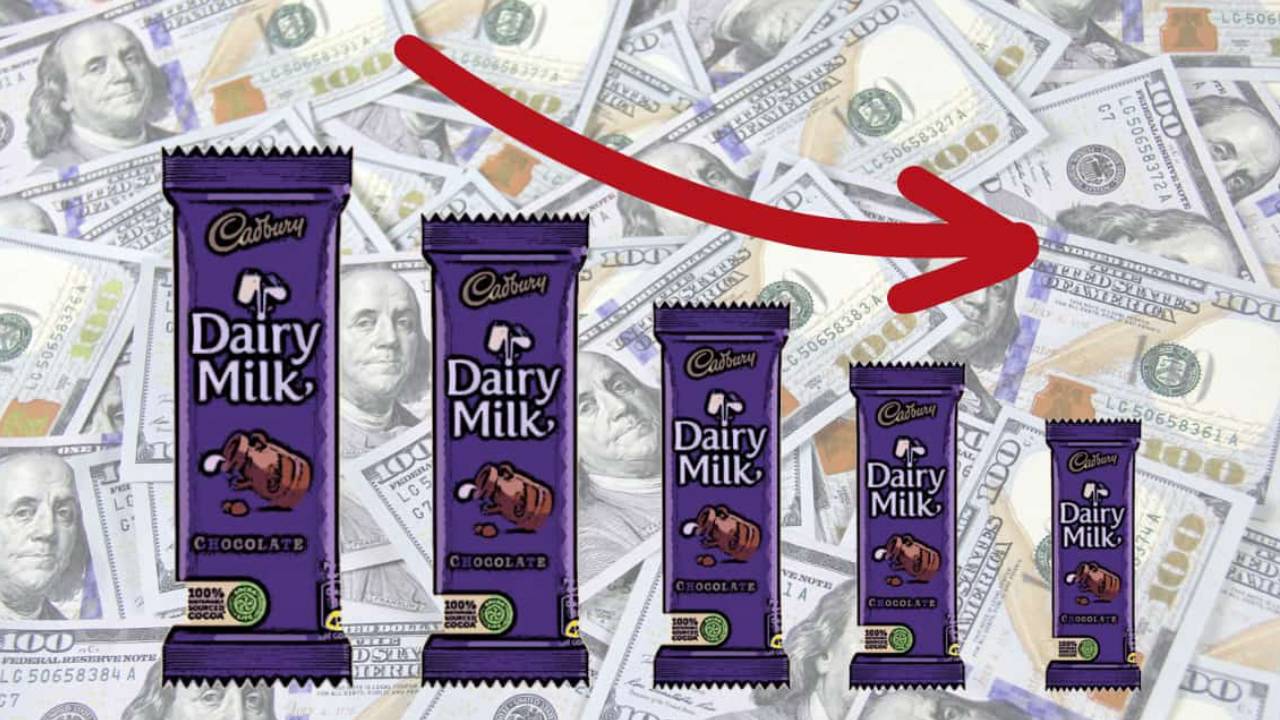
A subtle yet significant transition is underway in India’s bustling markets, often overlooked, yet deeply shaping everyday life. A packet of crisps feels lighter, a favoured chocolate bar seems slimmer, and detergent vanishes more swiftly than before. This phenomenon, known as shrinkflation, has become increasingly visible across the country, particularly between 2024 and 2025, quietly reshaping consumer habits and expectations. Though not a recent concept, shrinkflation now signals the growing difficulties confronting both consumers and businesses in an economy marked by persistent inflation.
What Drives Shrinkflation?
Shrinkflation occurs when manufacturers reduce the size or quantity of a product while keeping its price unchanged. Amid escalating inflationary pressures, this tactic has taken hold across India. Rising costs of raw materials, fuel, packaging, and transportation have squeezed profit margins for companies in the fast-moving consumer goods (FMCG) sector. Rather than risk alienating cost-sensitive customers by raising prices, many firms opt for a subtler approach: offering less for the same price.
This practice now permeates a wide array of everyday items—biscuits, chocolates, soaps, tea, and toothpaste among them. The reduction in quantity is often imperceptible, making it difficult for consumers to detect. What may initially seem a clever manoeuvre by manufacturers ultimately translates into a hidden cost, as buyers find themselves paying more for less over time.
The Consumer Impact
Though shrinkflation may appear trivial at first glance, its long-term consequences are far from negligible. For countless Indian households, particularly those with limited means, every rupee carries weight. Shrinkflation often leads people to unknowingly spend more on goods that deliver less value, disproportionately affecting low-income families who must scrupulously manage their shopping budgets.
One of the gravest concerns is the erosion of consumer trust. Because packaging frequently remains unchanged, the reduction in product volume is not immediately apparent. A bar of soap may shrink by 15 per cent, yet appear no different on the shelf. In the absence of clear labelling or honest communication, customers remain unaware and unable to make informed decisions. This lack of transparency undermines the ethical foundations of retail and gradually diminishes the credibility of brands in the eyes of the consumer.
The Regulatory Blind Spot
In India, existing packaging regulations require manufacturers to disclose the net weight of their products. However, there is no mandate to highlight reductions in size or quantity compared to previous versions. This regulatory omission makes it difficult for consumers to detect shrinkflation without scrutiny.
Consumer advocacy groups have increasingly called for greater transparency in labelling practices. Some have championed the adoption of unit pricing—displaying the cost per gram, millilitre or item—to empower consumers with clearer information for comparison. Countries such as the United Kingdom and Australia have already implemented similar measures, where both the total price and unit price are prominently displayed on supermarket shelves. This approach aids customers in making more informed decisions, and India must consider introducing a comparable system.
The Hidden Challenge
Shrinkflation presents a unique dilemma for economists and policymakers, particularly in the analysis of inflation data. Traditional inflation indicators, such as the Consumer Price Index (CPI), focus solely on price changes, disregarding alterations in product size. As a result, the true extent of inflation’s impact on households may be understated. What appears to be price stability may conceal a covert price increase, subtly eroding consumers’ purchasing power.
For instance, if a pack of biscuits is reduced from 200 grams to 180 grams while its price remains unchanged, the CPI registers no inflationary effect. Yet consumers are effectively paying more for less, thereby distorting the actual burden of inflation.
A Subtle Threat
In a country like India, where millions live on tight budgets, even modest reductions in product size carry weight. Shrinkflation is a discreet but consequential phenomenon that often escapes public scrutiny, though it demands urgent attention. As India charts a path towards economic recovery, addressing this hidden trend is essential to shield consumers from surreptitious price hikes.
Greater transparency, stronger regulatory oversight, and heightened public awareness are vital to ensure that buyers remain fully informed about their purchases. As the nation advances economically, it must reckon with the long-term implications of shrinkflation and adopt proactive measures to uphold consumer rights.
(Sumaya Jan is a Research Scholar in the Department of Economics at the Central University of Jammu. Sameer Hussain Gull is a Research Scholar in the Department of Management Studies at the Central University of Kashmir. Ideas are personal.)