After the brutal attack in Pahalgam, Kashmir’s tourism sector plunges into crisis. With the hope of a healthy tourist season dashed, survival seems to be the new challenge for too many people, reports Umaima Reshi

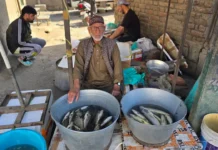
The vendor misses the beat as the aroma of Masala Roti wafts through the city centre in Lal Chowk. Though he has resumed his daily routine, he believes the change is visible. “I feel as if I am back in the past,” he said, folding up his stall before sunset.
In Kashmir, any incident of instability reflects its impact on the ground. Tourism, the primary source of income for thousands of families, gets the first hit.
The Crash
Hotels in Srinagar, once packed, whether luxury or local, felt desolate. “They feel like haunted buildings,” said Maqbool, a hotel caretaker.
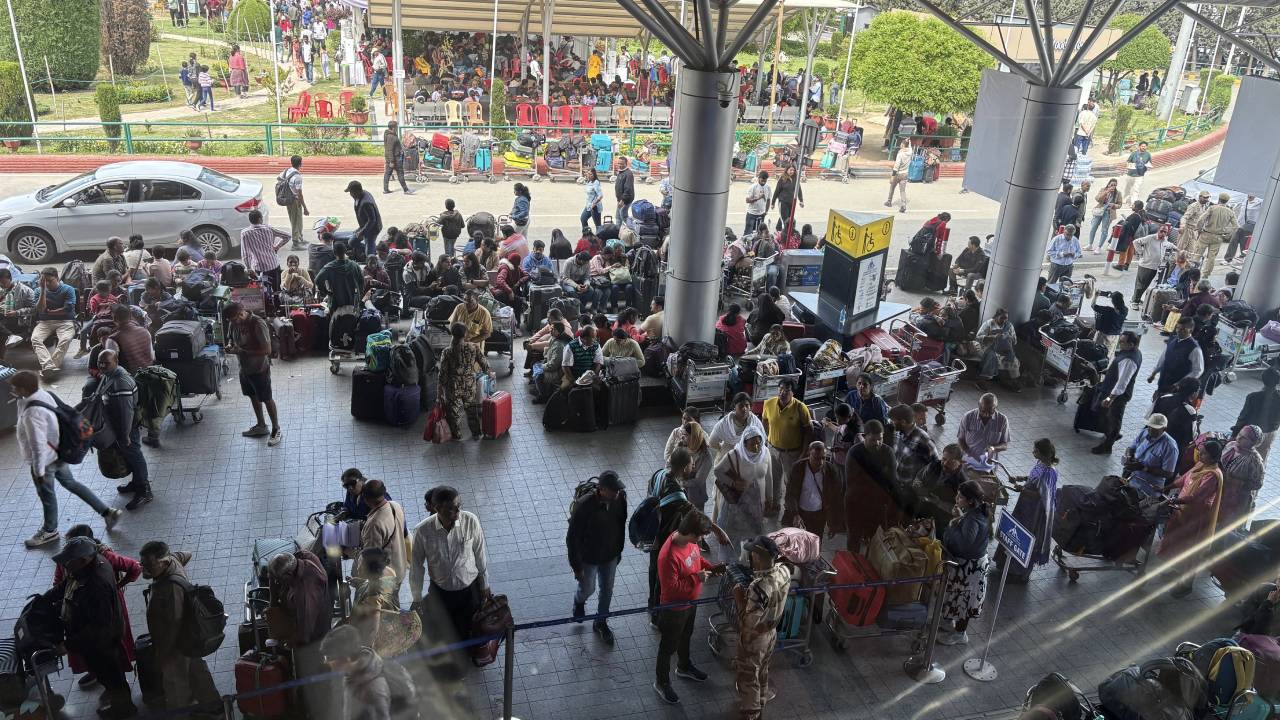
A recent report by Sciative Solutions, a firm specialising in algorithm-driven pricing, found hotel prices in Srinagar had dropped 22 per cent. Meanwhile, outbound airfare surged 46 per cent. The findings emerged a week after the deadly Pahalgam attack, which left 25 tourists and a horse handler dead.
On the Srinagar-Kolkata route, airfares soared 213 per cent, from Rs 7,666 to Rs 24,000, while inbound fares dropped by up to 53 per cent, a stark reflection of fleeing travellers and plummeting arrivals.
Shuja Amin, who runs a travel agency, noted the shift. “Inbound fares are low now,” he said. “This week, Delhi to Srinagar flights cost Rs 4,500 to Rs 5,000. Days ago, fares were between Rs 8,000 and Rs 9,000.”
Hotel occupancy dropped 30 per cent. A Srinagar hotelier, who owns five properties, said only one remains open. “Footfall has abruptly fallen,” he explained. “There was a time when I could barely visit all my hotels because of the rush. Now, they stand empty. I recently invested in renovations, furnishings, and staff recruitment, expecting a good season. But now, I am uncertain what the future holds.”
Halting Expansion
A private cottage operator, who manages several Srinagar properties, echoed the distress. “Everything was running smoothly until the incident. We operated four cottages, fully booked every day. We leased another property to meet demand,” He informed. “But now, we struggle to fill even one cottage. What was once a thriving routine came to an abrupt halt.”
Another guesthouse owner shared a similar story. “I completed my Master’s abroad but could not find work back home. Seeing the rise in guesthouses, I started one with a loan and my father’s help,” the young man said. “But now, I am stuck, uncertain, and do not know what to do next.”
According to the Kashmir Hotel Association (KHA), post-attack bookings have dropped by nearly 80 per cent.
Mushtaq Chaya, KHA Chairman, said such a dramatic fall was expected given the scale of the tragedy. He added that the emotional toll on tourism stakeholders far outweighed the financial damage.
The Collapse
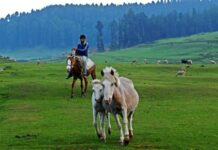
Horse riders and pony handlers have long been woven into the charm of Kashmir’s tourist sites. Reyees Ahmad Bhat, President of the Pony Stand in Pahalgam, voiced his distress over the disruption. “We have nothing to do now. Hundreds of us are idle, unsure of what lies ahead,” he said.
He recalled a time when the surge in tourism brought some relief. “We were beginning to live with stability, earning Rs1,500 to Rs 2,000 a day. Now, everything has halted.”
A pony handler in Sonamarg observed that tourists still arrived, but the buzz had vanished. “The mountains once echoed with horsemen and tourists. Now, the spirit feels lost,” he said. “Earlier, I managed four or five rides a day. Now, getting even one is rare.”
Cabs Without Passengers
“At one point, I declined ride requests due to high demand,” recalled Sameer Raja, a local cab driver. “I used to get ten to twelve calls a day, mostly from tourists.”
Sultan Ahmad, who operated a passenger vehicle, shared how routines had collapsed. “I used to begin work at 7 am, ferrying tourists. For five years, it was steady work. But since the incident, ride requests have dropped sharply. Even our ties with travel agencies have failed to help.”
Arif, another driver, lost his job due to personal reasons. In search of a livelihood, he bought a car and entered the tourist transport trade. “Initially, it looked promising. But now, with little work, I feel anxious and without income.”
Vacant Houseboats
Kashmir’s famed Shikara rides have also fallen silent. Gulzar, a Shikara rider, reflected, “After the Pahalgam attack, everything changed.” He said visitors once arrived daily, but now the flow had nearly vanished. “At times, I hesitate to step out in search of passengers. There is a sense of instability.”
He gestured towards the silent houseboats. “These were once booked for months. Now, they are beautiful, empty shells.”
Deserted Markets
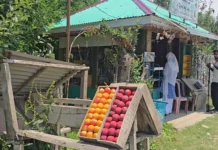
The sudden slump in tourism has hit local markets hard. Once vibrant with craft and commerce, places like Polo View, Lal Chowk, and Makka Market now stand nearly deserted.
“There are days when we have no work at all,” said a shawl and silk trader. “Polo View used to be full of life. Now, barely a few people pass by.”
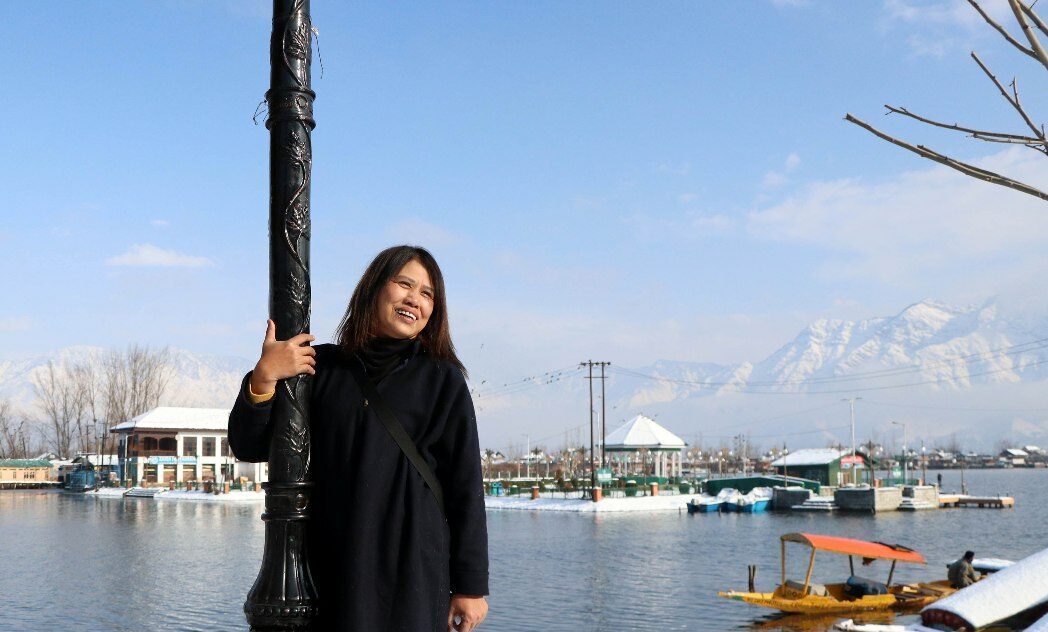
PHOTO BY BILAL BAHADUR
He recalled late evenings bustling with trade near Ghanta Ghar. “Pashmina shawls and Pherans were in demand. But it has been over a week since we sold anything.”
An ice cream vendor near Lal Chowk said local footfall remained, but tourists had vanished. “We introduced mojitos, custards, even sweetcorn to attract them. Now, it feels futile.”
Temporary Closures
On April 29, 2025, the Government of Jammu and Kashmir ordered the closure of 48 out of 87 tourist sites across Kashmir. However, officially, it was insisted that activity at major destinations continued.
“Pahalgam, Gulmarg, and Sonamarg remain open and secure. Tourists are arriving freely,” said a middle official of the tourism department. Despite public concerns, he insisted the situation was under control.