by Suhail Gaznavi
Medical negligence and inflated drug pricing are eroding public trust in India’s healthcare system, highlighting the urgent need for regulation, ethical accountability, and affordable access to essential medicines.
Healthcare is meant to protect life, not exploit vulnerability. Yet medical negligence and the unchecked pricing of medicines are emerging as serious threats to public health in India. When ethics are compromised, and profit becomes the priority, ordinary citizens suffer the consequences. From urban hospitals to rural clinics, patients increasingly find themselves trapped between negligent medical practices and unaffordable treatment costs.
A Breach of Trust
Medical negligence includes misdiagnosis, delayed treatment, surgical errors, irrational prescriptions, and unnecessary procedures. While the majority of doctors serve with dedication and professionalism, instances of carelessness or profit-driven decisions continue to surface, shaking public confidence in the healthcare system. In some cases, patients are subjected to avoidable tests, prolonged hospital stays, or expensive procedures that may not be medically justified.
Another concerning trend is the prescription of high-cost branded medicines despite the availability of equally effective and affordable generic alternatives. Such practices not only increase the financial burden on patients but also raise serious ethical questions about the relationship between healthcare providers and pharmaceutical companies.
The Consumer Protection Act, 2019, recognises medical services under its ambit, allowing patients to seek compensation for negligence. This legal position was affirmed by the Supreme Court of India in Indian Medical Association v. V.P. Shantha, wherein medical services were held to fall within the scope of consumer protection law. Despite this, access to justice remains limited for many due to procedural delays, lack of awareness, and financial constraints associated with litigation.
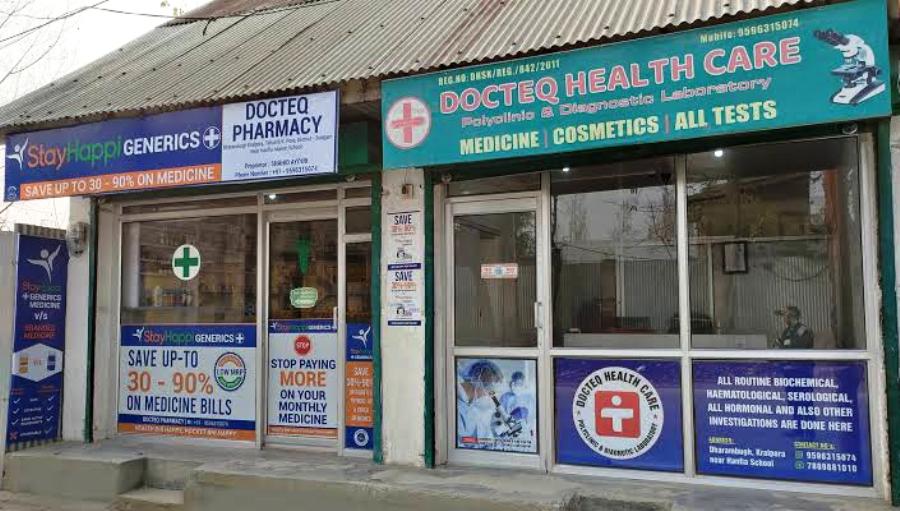
The Crisis
Alongside negligence, the circulation of substandard and sometimes spurious medicines presents a grave danger. Poor-quality drugs may fail to treat diseases effectively, prolong illness, or even cause severe adverse reactions. In extreme cases, such medicines can lead to fatalities.
Weak enforcement of quality standards, corruption within supply chains, and a lack of regular inspections contribute to this growing problem. Patients, especially in rural and economically weaker regions, are often unaware of the quality of medicines they consume and are left vulnerable to exploitation.
The Alarming Gap
One of the most disturbing aspects of the pharmaceutical market is the enormous gap between the Maximum Retail Price (MRP) printed on medicines and the price at which they are supplied within the distribution chain. For example, a strip of tablets bearing an MRP of Rs 250 is often purchased by the retailer for as little as ₹30 from the wholesaler or manufacturer. This massive difference highlights the extent of unchecked profit margins in the pharmaceutical industry.
Such disproportionate pricing directly affects patients, many of whom struggle to afford even basic medicines. Life-saving drugs, which should be accessible to all, become financial burdens. Families are often forced to choose between continuing treatment and meeting their daily needs, leading to delayed care and worsening health conditions.
Although the National Pharmaceutical Pricing Authority operates under the Drugs (Prices Control) Order, 2013, to regulate the prices of certain essential medicines, a large number of drugs remain outside strict price control mechanisms.
Pharmaceutical companies sometimes exploit regulatory loopholes by introducing slightly modified formulations, thereby escaping price caps and maintaining high profit margins.
The government has taken some limited initiatives to improve affordability and promote access to reasonably priced medicines. However, these efforts remain insufficient in addressing the broader issue of pricing disparity and market exploitation.
The Need for Reform
Addressing this crisis requires a multi-pronged approach involving legal reform, regulatory strengthening, and public awareness. First and foremost, there must be clear legislation to regulate profit margins at every stage of the pharmaceutical supply chain, from manufacturers to wholesalers to retailers.
A transparent pricing system should be introduced, linking the MRP of medicines to their actual manufacturing cost, along with a reasonable and fixed margin. This would prevent arbitrary pricing and ensure fairness in the market. Mandatory disclosure of cost structures by pharmaceutical companies would further enhance accountability.

Additionally, strict monitoring mechanisms must be put in place to regularly inspect pharmaceutical manufacturing units and retail outlets. Any violation, whether in terms of quality standards or pricing norms, should attract severe penalties, including cancellation of licenses and criminal prosecution in serious cases.
Fast-track mechanisms for resolving cases of medical negligence should also be established to ensure timely justice for victims. Public awareness campaigns are equally important, educating people about their rights, the availability of generic medicines, and the importance of seeking second opinions in critical medical situations.
Ethical Practices
The medical profession is founded on ethics, compassion, and trust. Doctors must prioritise patient welfare above all else, adhering strictly to ethical guidelines in prescribing medicines and recommending treatments. Similarly, pharmaceutical companies must act responsibly, ensuring that their pricing strategies do not exploit patients.
Professional regulatory bodies must play a proactive role in monitoring conduct and taking disciplinary action against those who violate ethical standards. Restoring trust in the healthcare system requires collective responsibility from all stakeholders.
Conclusion
Medical negligence and the unchecked pricing of medicines together form a silent but serious public health crisis. They not only endanger lives but also erode trust in institutions meant to safeguard public welfare.

Medicines are not ordinary commodities; they are life-saving essentials. Their affordability and quality must be treated as matters of public importance, not market convenience. Strong legislative action, effective enforcement, and ethical responsibility are crucial to addressing this issue.
The time has come for decisive reforms to ensure that no individual is denied treatment due to negligence or unaffordable medicines. A just and equitable healthcare system is not merely a policy goal; it is a fundamental necessity for a healthy and dignified society.
(The author is an Advocate at the Jammu & Kashmir and Ladakh High Court, Srinagar. Ideas are personal.)