As the Chinar Book Festival celebrates the written word in Srinagar, the Jammu and Kashmir government has banned 25 books for allegedly promoting “anti-national” and “seditious” content. The move reveals a growing culture of censorship that raises questions about intellectual freedom in the region, writes Muhammad Nadeem
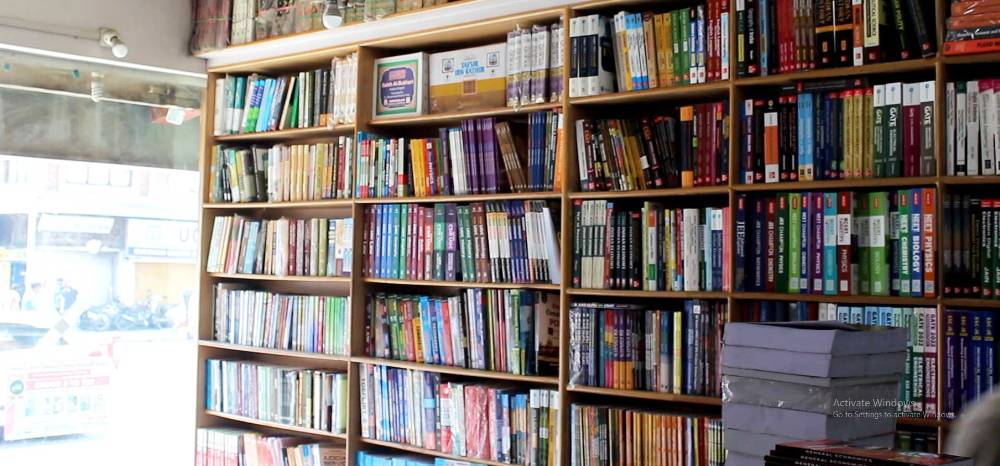
“Give a book instead of a bouquet as a greeting, such a move can make a big difference”– Narendra Modi (as written on the Chinar Book Festival billboard)
On August 5, 2025, the Government of Jammu and Kashmir issued Notification SO 203 under Section 98 of the Bhartiya Nagarik Suraksha Sanhita 2023, declaring 25 books forfeited for allegedly promoting false narratives and secessionist ideologies. The order invoked Sections 152, 196, and 197 of the Bhartiya Nyaya Sanhita 2023 and instructed that all copies be surrendered to the state. These sections prescribe imprisonment of up to seven years and fines for acts considered detrimental to national sovereignty, communal harmony, or constitutional allegiance. Once proscribed, such works may be confiscated and destroyed under state authority.
On July 8, videos circulated on social media showing police officers moving from one bookstore to another in Kashmir, searching for titles listed in the ban and confiscating copies from the shelves. The footage, widely shared online, captured the tense atmosphere as shopkeepers watched their stocks being inspected and seized.
According to the Home Department, the books in question are said to have contributed to radicalising Kashmiri youth. The notification cited intelligence inputs pointing to the distortion of historical facts, glorification of militants, vilification of the armed forces, and dissemination of material linked to religious radicalisation and political alienation.
The Catalogue
The annexure to the notification lists twenty-five titles, authored or edited by scholars, journalists, and political commentators. These include Kashmir’s Fight for Freedom by Mohammad Yusuf Saraf (Feroze Sons, Pakistan); Colonising Kashmir: State-Building under Indian Occupation by Hafsa Kanjwal (Stanford University Press); Kashmir: Politics and Plebiscite by Dr Abdul Jabbar Gockhami (Gulshan Books); Do You Remember Kunan Poshpora? by Essar Batool, Ifrah Butt, Munaza Rashid, Natasha Rather, Samreena Mushtaq (Zubaan Books); Mujahid Ki Azaan by Imam Hasan Al-Bana, translated by Maulana Mohammad Enayatullah Subhani (Markazi Maktaba Islami Publishers); Al Jihadu fil Islam by Syed Abul Ala Maududi (Markazi Maktaba Islami); Independent Kashmir by Christopher Snedden (Manchester University Press); Resisting Occupation in Kashmir by Haley Duschinski, Mona Bhat, Ather Zia, and Cynthia Mahmood (University of Pennsylvania Press); and Between Democracy and Militarisation in Kashmir by Seema Kazi (Oxford University Press).
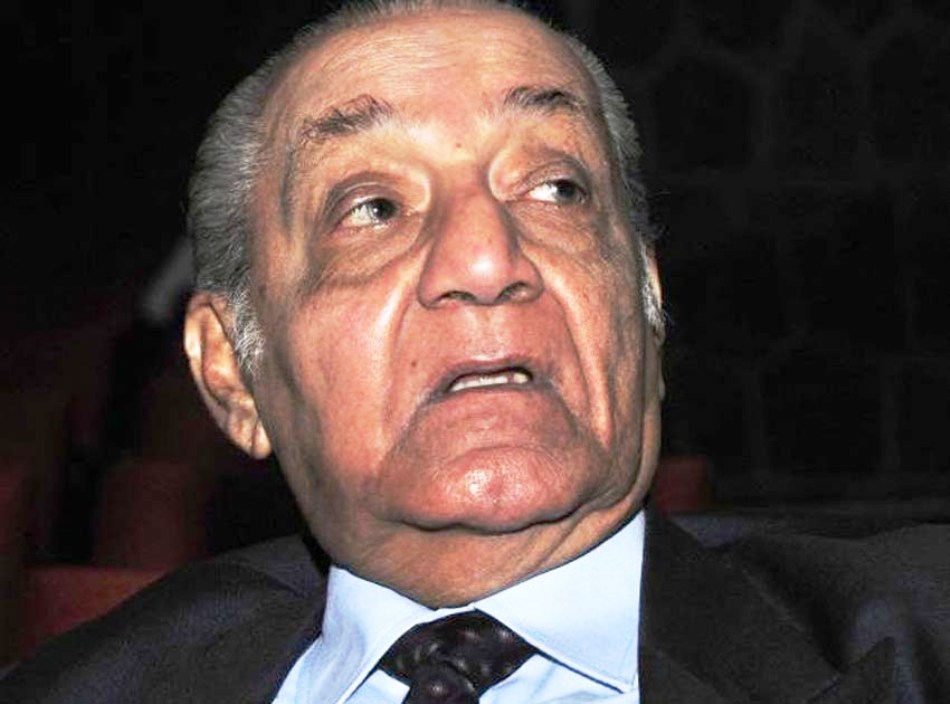
In Search of a Future: The Story of Kashmir by David Devadas (Viking Penguin); Kashmir in Conflict: India, Pakistan and the Unending War by Victoria Schofield (Bloomsbury Academic); The Kashmir Dispute 1947–2012 by AG Noorani (Tulika Books); A Dismantled State: The Untold Story of Kashmir after Article 370 by Anuradha Bhasin (HarperCollins India); Resisting Disappearance: Military Occupation and Women’s Activism in Kashmir by Ather Zia (Zubaan Publishers); Confronting Terrorism by Maroof Raza (Penguin India); Freedom in Captivity: Negotiations of Belonging along the Kashmiri Frontier by Radhika Gupta (Cambridge University Press); USA and Kashmir by Dr Shamshad Shan (Gulshan Books); Tarikh-i-Siyasat Kashmir by Dr Afaq (Karwan-e-Tahqiq-o-Saqafat) and Kashmir and the Future of South Asia, edited by Sugata Bose and Ayesha Jalal (Routledge).
Sumantra Bose’s two books, Contested Lands by Sumantra Bose (HarperCollins India) and Kashmir at the Crossroads: Inside a 21st-Century Conflict (Pan Macmillan), also fall in the banned list.
Piotr Balcerowicz and Agnieszka Kuszewska’s two books, Human Rights Violations in Kashmir (Routledge) and Law and Conflict Resolution in Kashmir (Routledge), also fall on the illegal list.
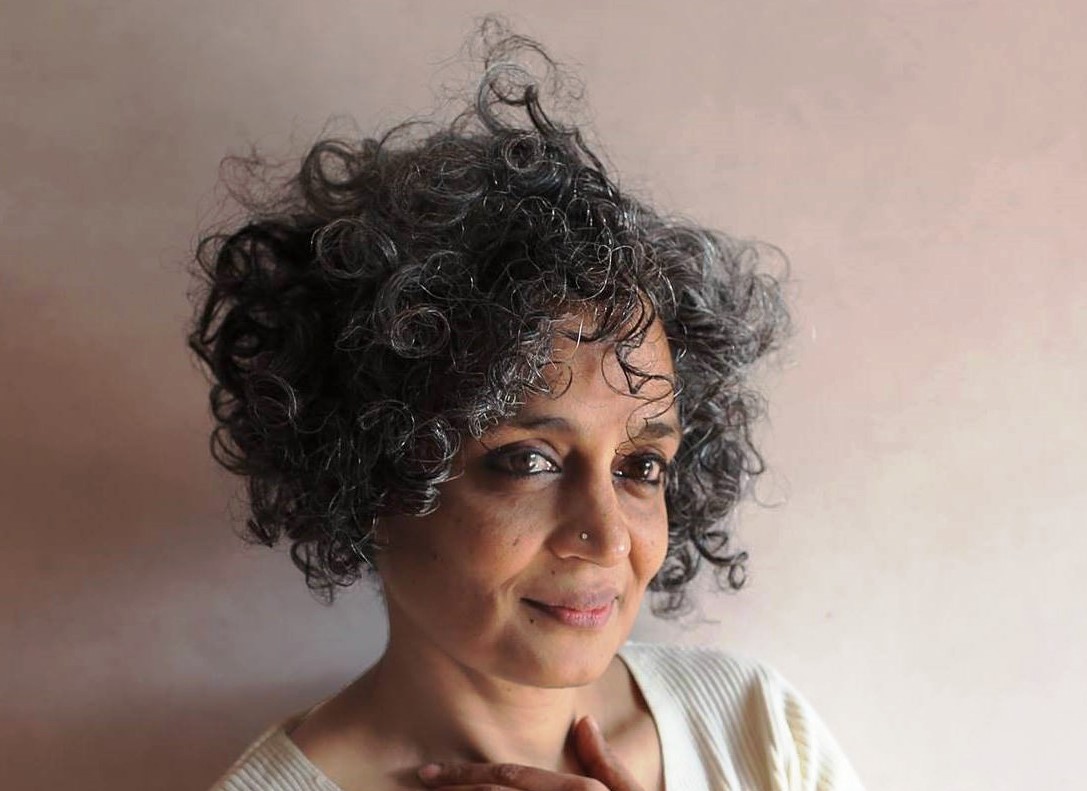
Kashmir: The Case for Freedom by Tariq Ali, Hilal Bhatt, Angana P. Chatterji, Pankaj Mishra, and Arundhati Roy (Verso) and Azadi, which Arundhati Roy (Penguin India) wrote, are also banned.
Respected Authors
These works include academic studies, historical accounts, legal analyses, and memoirs. The authors are both local and international, and several titles are published by university presses or leading imprints, indicating their intended readership is scholarly, not propagandist.
Earlier this year, police in Kashmir carried out raids on multiple bookshops, seizing approximately 668 books. The raids were justified by authorities as actions taken on “credible intelligence” about the “clandestine sale and distribution of literature promoting the ideology of a banned organisation.”
In 2023, universities in Kashmir removed the works of celebrated poets like Allama Iqbal, Agha Shahid Ali and Faiz Ahmed Faiz from their syllabi.
Recent reports suggest the NCERT’s new Class 8 history textbook omits major Muslim historical figures like Tipu Sultan, Raziyya Sultan and Nur Jahan from the curriculum, as part of a broader pattern of erasing Muslim contributions from school textbooks.
Author Responses
Piotr Balcerowicz, whose books were banned by the Jammu and Kashmir government in August 2025, responded with restraint and precision. Writing in The Wire, he reflected on the paradox of censorship, noting that such bans often lead to increased readership. At the same time, he offered a firm critique of the decision.
Balcerowicz maintained that his research presents careful, impartial analyses aimed at deepening the understanding of human rights and conflict in Kashmir. He described the government’s action as a shallow attempt to silence critical scholarship, arguing that meaningful engagement with complex regional issues demands academic openness rather than restriction.
He referred to historical instances where censorship had undermined democratic values and intellectual freedom, warning that the current approach risked repeating those errors.
“I’ve read most of these books & written one,” Anuradha Bhasin wrote on X. “They’re well researched & not one glorifies terrorism, which this govt claims to have ended. Scared of words challenging your lies!”
“Banning books by scholars and reputed historians will not erase historical facts and the repertoire of lived memories of people of Kashmir,” Kashmir cleric, Mirwaiz Umar Farooq posted on X. Such actions, he said only revealed “the insecurities and limited understanding of those behind such authoritarian actions” and pointed to the contradiction of hosting a book festival while banning critical works.
David Devadas has said that banning books contradicts the spirit of democracy and cultural tradition. He noted that his work had supported the peace initiatives of former Prime Minister Atal Bihari Vajpayee. According to him, the book had always been opposed by those benefiting from the so-called conflict industry. “It is anathema to backers of the clash of civilisations agenda,” he said. “What is mind-boggling is that books that have brought out the truth, exposed conflict entrepreneurs and the strategic moves of foreign powers, and have contributed to peace, should be targeted.”
Journalist Praveen Swami noted that the one positive takeaway from the ban was that it suggested graduate students were still reading serious material. “The one upside of this illiterate Jammu and Kashmir Government book-ban is that is suggests graduate students are still doing what they need to be doing, which is learning something,” he wrote.
Victoria Schofield dismissed the government’s claim that her book promoted false narratives or glorified terrorism. Speaking to The Telegraph, she called the allegations “patently untrue”. “I believed one of the strengths of India’s liberalism was that the book was in circulation for so many years. Sadly, this latest development is not a reflection on the book but on freedom of speech and expression, which is being eroded,” she said.
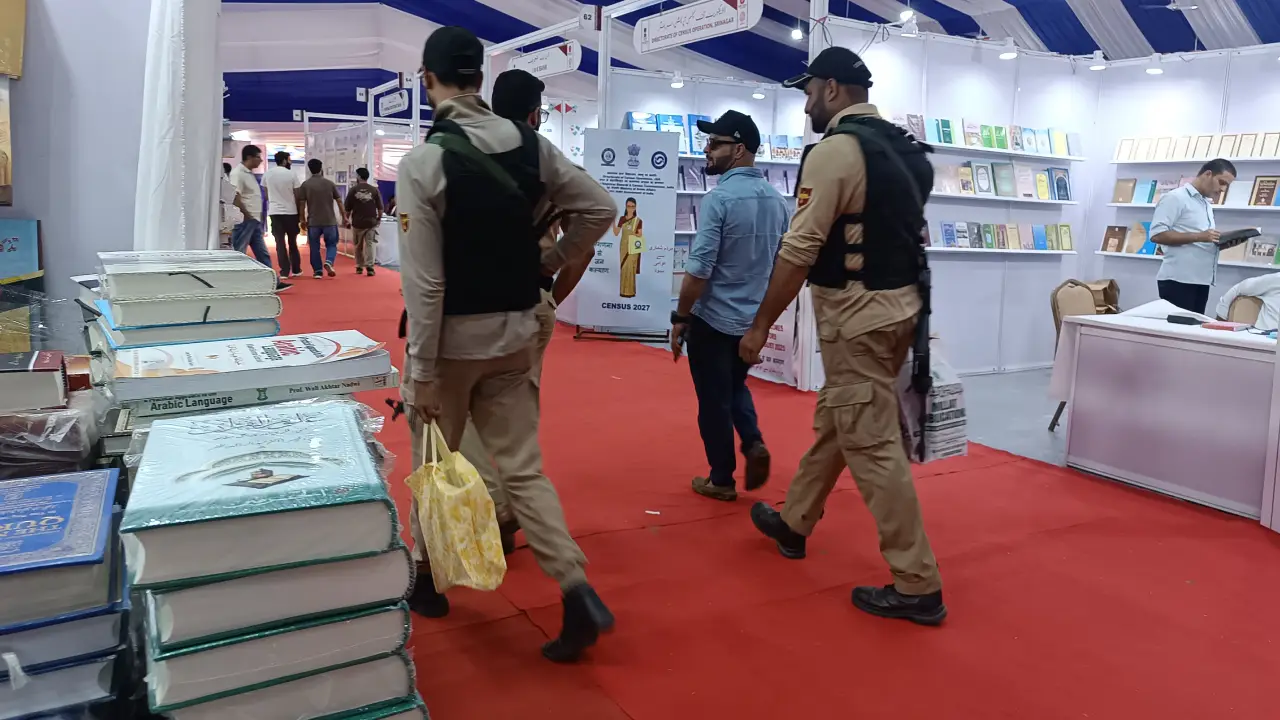
Police personnel also visited the Chinar Book Festival at SKICC, questioning booksellers at over a hundred stalls about the presence of banned titles. In some cases, they reportedly confiscated books that were not on the official list but were deemed problematic.
Abundantly Available
Most of the banned works are already available through digital platforms, including publisher websites, open-access repositories, and peer-to-peer networks. Enforcement, therefore, is likely to be symbolic. Electronic copies can be downloaded, stored, and circulated via virtual private networks, evading physical censorship. The ban may inadvertently criminalise students, researchers, and librarians who retain digital versions. It may also elevate the appeal of these titles among younger readers, who might interpret the proscription as a mark of authenticity or subversive relevance.

The prohibition of works by legal scholars, historians, and political scientists poses challenges to academic freedom. Kashmir’s contested political landscape demands rigorous analysis and open engagement. Banning these texts restricts the capacity of civil society, universities, and policymakers to access verified information. The consequence is a vacuum that may be filled by misinformation, conspiracy theories, or radical rhetoric. Educational institutions and libraries now face uncertainty: should they purge collections or risk penal action?
A Roaring Festival
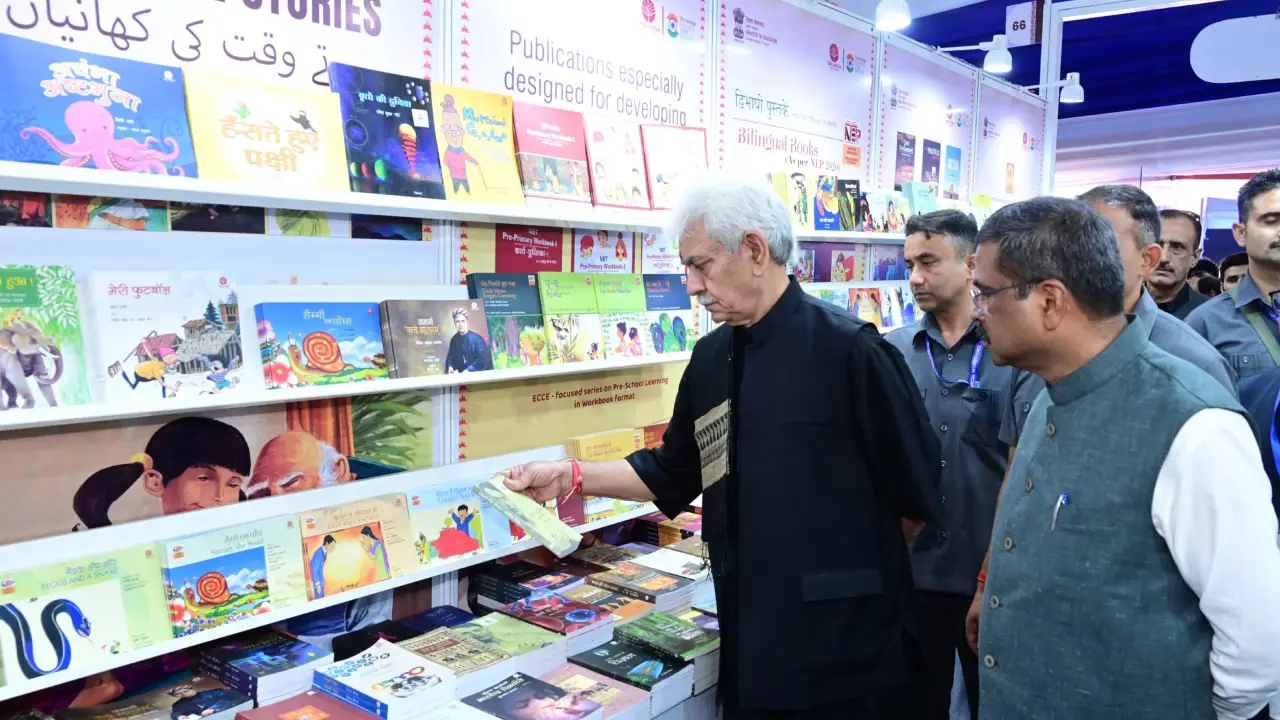
At the same moment, the Chinar Book Festival in Srinagar continues as a celebration of reading. Featuring national and regional publishers, school visits, author dialogues, and literary workshops, the event is visibly supported by the state. Slogans displayed across the venue quote Modi, declaring that books are vital to national progress and social cohesion. Other leaders echo calls for curiosity, debate, and democratic learning.
While festival attendees engage with new literature and diverse voices, the ban removes selected narratives from public circulation. The contrast is difficult to ignore. Where the festival seeks to foster dialogue, the ban imposes silence. This dissonance may damage public trust and foster cynicism about official rhetoric on freedom and culture.
Ban Impact
The cumulative effect of these measures threatens democratic ideals. The conflict between state control and individual access to knowledge is particularly sharp in Kashmir, where questions of identity and autonomy are deeply contested. Banning books may serve the short-term interests of the state, but it does so by eroding the foundations of free inquiry. The continued suppression of literature has become a symbol of governmental overreach and a catalyst for debates about the future of expression in the region.
The conflict has significantly affected freedom of expression, with censorship employed to manage narratives that challenge the authority of the state.
In the years following Partition in 1947, the earliest bans targeted literature that appeared to encourage separatism or question India’s territorial integrity. As insurgency grew in the late twentieth century, censorship became more severe. Publications portraying the experiences of Kashmiris under conflict were subject to scrutiny. The authorities claimed such texts could provoke violence or encourage hostility toward the state. The recent government notification listed 25 works said to “excite secessionism” and disturb public order, revealing an intent to regulate political discourse through literature.
Bans often coincided with periods of unrest. The emergence of temporary or region-specific prohibitions further signalled that literature had become a site of ideological contest. These acts of censorship mirror the broader efforts to manage identity and autonomy through control over narratives.
Censorship erases alternative voices and curtails independent thought. Suppression of controversial material may drive these ideas underground, making them more appealing to disaffected youth.
In Kashmir, where literacy is closely tied to understanding complex political realities, this absence of intellectual range has lasting consequences.
(The writer is an essayist, critic, and translator with over a decade of editorial experience in the media and publishing industries. Ideas are personal.)