Kashmir’s white birch, once integral to the Valley’s traditions of writing, architecture, culture, and medicine, has largely vanished from the plains, prompting concerns over the erosion of cultural heritage and the scale of ecological change underway, writes Dr Farooq A Lone

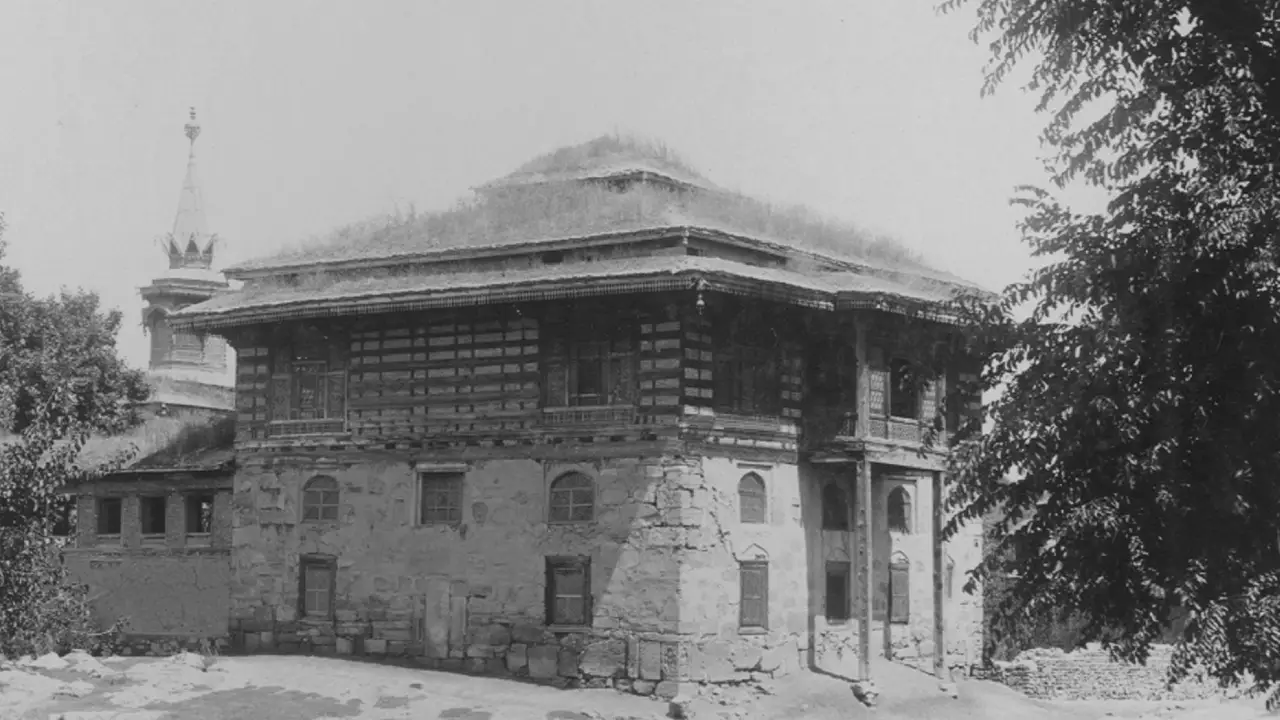
Till about the fall of the nineteenth century, a sizable chunk of Srinagar homes had burza roofs. Then some of them started using shingled roofs and eventually paved the way for tin sheets. Currently, the Madin Sahab shrine in Hawal, Srinagar, is perhaps Kashmir’s only public space with a burza pash, on which flowers grow in the same style as they did before the Mughal era.
Burza or burzeh is sourced from Burza Kul, the white birch tree, which is a fascinating element of arboreal vegetation and closely linked to Kashmir’s history, culture and heritage. The tree, and more importantly its bark, occupy a unique place in the story of Kashmiri civilisation, stretching from ancient manuscripts and religious practices to architecture, archaeology and traditional medicine.
A Prelude to Paper
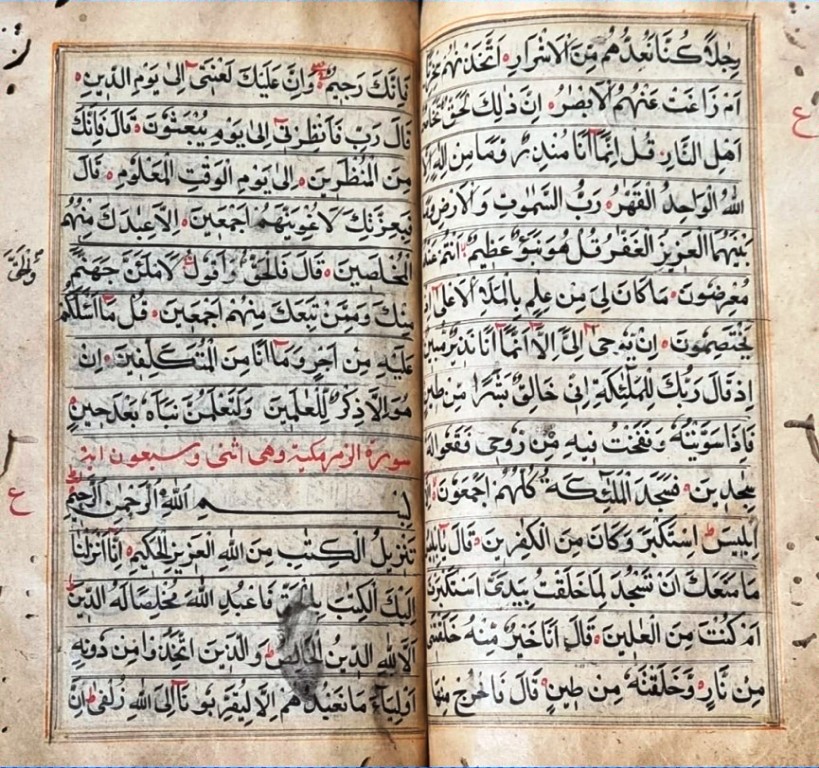
Burzeh refers to the thin sheets drawn from the inner bark of birch trees. Kashmiris appear to have long understood the remarkable utility of these sheets, especially for writing. Since ancient times, birch bark has been extensively used for books and manuscripts, and these sheets are also referred to as bhojpatra. Kashmir’s most ancient manuscripts were written on this material. Both Kashmiri Pandits and Muslim pirs made use of it for writing their respective mantras and amulets, a practice remembered across generations.
Some experts maintain that the use of birch bark was so widespread and culturally entrenched that when handmade and later machine-made paper appeared in Kashmir, it adopted the same name, burzah. This linguistic continuity alone speaks volumes about how central birch bark once was to daily life, scholarship and religious practice. Local use apart, it was also exported to distant regions before the invention of paper, and research conducted by various scholars suggests that Kashmir Burza served as a major source of ancient Indian manuscripts.
One of the most important milestones associated with birch bark in Kashmir’s wider region is the discovery of the Gilgit Manuscripts. These manuscripts, dating roughly to the fifth or sixth century AD, represent the earliest known dated birch bark manuscripts linked to the broader Kashmir area.
Discovered in 1931, they comprise a significant collection of Buddhist texts written in Buddhist Sanskrit using the Sharda script. A portion of this collection is displayed at the SPS Museum in Srinagar, with the remainder housed in the National Archives of India. Although these manuscripts are the oldest dated specimens, references by early Sanskrit writers indicate that birch bark was used for writing in ancient Kashmir as early as the third or fourth century AD.
Lucy Zuber Buehler, a German scholar specialising in the Indus script, according to some subject experts, has reported the discovery of a birch bark manuscript bearing early Indus signs, a finding that has renewed scholarly interest in the subject. In his research, Buehler has argued that birch bark, long associated with Kashmir, served as a primary medium for early Indus writing and played a significant role in the development of the subcontinent’s intellectual traditions. The artefact, described as a strip composed of several thin layers of bark inscribed with well-known Indus symbols, is regarded as highly significant, even as Buehler notes that many questions raised by the discovery remain unresolved.
Home Making
The utility of the tree extended well beyond writing. One of its major historical uses was in architecture, specifically in the roofing of shrines and buildings until the recent past. These roofs, known locally as Burza Pash, were formed by spreading a thick layer of birch bark over wooden logs to create a waterproof, water-resistant surface. A final layer of mud was added to complete the roof.
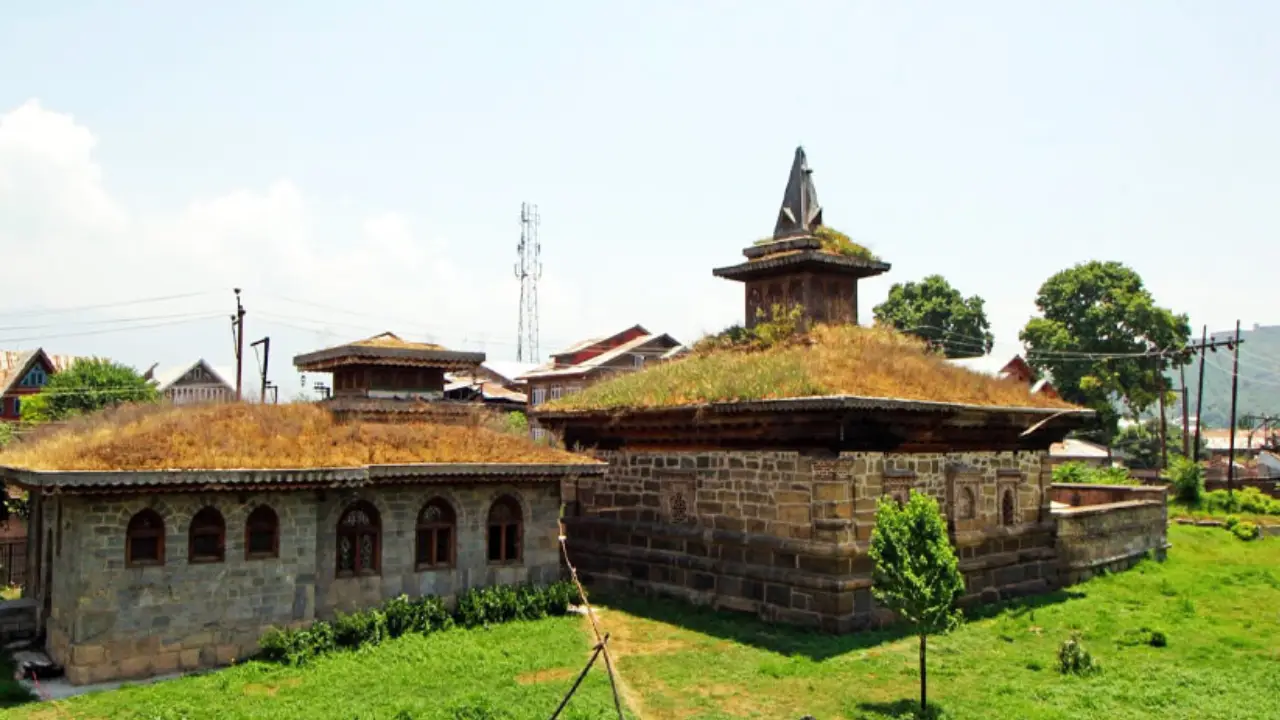
Most residential houses, religious shrines and other structures built during the eighteenth and nineteenth centuries featured Burza Pash roofs, and some such structures still survive today, quietly reminding us of a rich architectural heritage.
When mud roofs were common in Kashmir, these structures added a seasonal vibrancy to Kashmir’s built environment. The roofs supported a variety of vegetation, and in the spring, when the red flowering tulip (Gul-e-Lala) bloomed, entire neighbourhoods were transformed, with the rooftops turning red and lending the habitations a distinctive beauty that is still remembered with fondness. It was strikingly different from the thatch-roofed houses that dotted the Kashmir periphery.
Archaeological Evidences
Evidence of birch in Kashmir’s ancient geological record is equally compelling. Palaeobotanical and palynological studies have confirmed its presence in Pliocene and Pleistocene Karewa deposits. Archaeological excavations have added further weight to its historical significance, with charcoal belonging to Betula utilis (the Himalayan birch) recovered from the Neolithic I level at Burzahom and from the Northern Black Polished Ware and Kushan levels at Semthan.
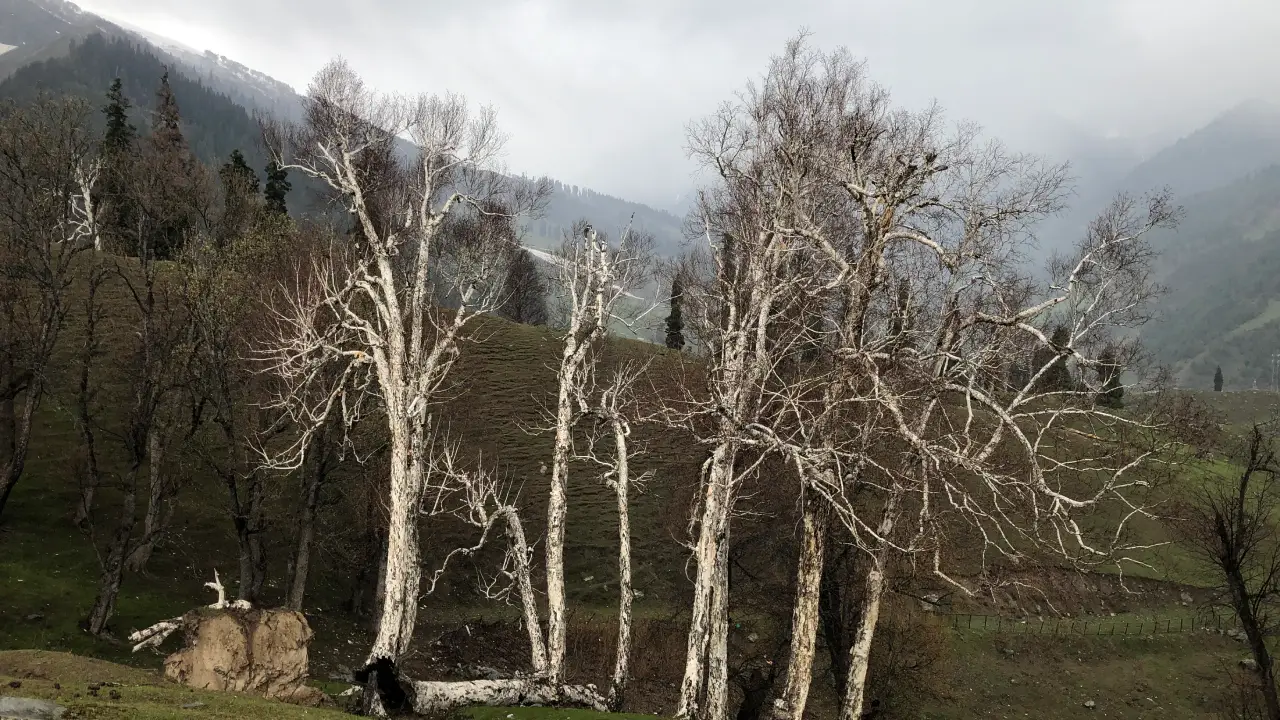
These findings suggest that birch grew at lower elevations in the past, unlike today, when the White Birch Zone is confined to altitudes between 3100 and 3600 metres, almost above the snow line. It thrives in cooler climates.
The name of Kashmir’s key archaeological site, Burzahom, long considered a type-site for the northern Neolithic, further hints at a time when birch woods existed within the valley proper. The widespread existence of Burza Pash buildings until recent decades, coupled with the abundant historical use of birch bark sheets, reinforces this conclusion.
The tree’s disappearance from the valley floor appears to be a recent phenomenon, likely the result of human activity. The removal of leaves for feeding sheep and goats, along with the peeling of bark for writing material and roofing, may have contributed significantly to its decline.
Chemical Importance
While its specific medicinal uses in Kashmir are not extensively documented, it features prominently in global folk medicine traditions. Birch sap, leaves and bark have been used to treat a wide range of ailments. As a well-known diuretic, birch helps increase urine production and flush toxins, making it useful for kidney and urinary tract conditions. Compounds such as betulin, betulinic acid and methyl salicylate give birch preparations anti-inflammatory and analgesic properties, and they have been used for joint pain, arthritis, gout and muscle aches.
Topical applications, whether in the form of washes, oils or poultices, are used for eczema, burns, wounds, rashes and even hair-related issues such as dandruff and hair loss. Birch leaf teas and sap are considered purifying tonics believed to cleanse the body and support immune function. Teas prepared from the leaves or inner bark have been used to ease stomach ailments, heartburn, ulcers and digestive discomfort.
Some traditional uses have also found validation in modern research. Birch bark extracts have shown a proven ability to accelerate wound healing. Studies on betulin and betulinic acid are exploring their potential anti-cancer properties, while laboratory research has confirmed the antimicrobial, antiviral and antioxidant properties of birch extracts, strengthening their historic reputation for aiding the body’s defences.
Diminishing Numbers
The trees that once covered the lower stretches of the Valley now survive only in the upper reaches of Gulmarg, Sonamarg, Shopian, Budgam and a few forest divisions in south Kashmir and parts of the Pir Panchal range. In some locations, these trees stand above the snow line and, seen from a distance, resemble solitary relics of a lost landscape. While the Jammu and Kashmir Forest Department is making efforts to preserve this so-called green gold, it is not publicly known whether any structured programme is underway to regenerate a species whose numbers have fallen alarmingly low. A general belief is that its overuse in past was a key factor in its dwindling numbers.
After all, this tree is central to Kashmir’s ancient manuscripts, sacred architecture, folklore, and archaeology. From traditional healing to ecological memory, the birch tree remains deeply woven into the story of Kashmir. Its decline from the valley floor is not merely an environmental loss but a cultural one, raising important questions about how much of this heritage can still be preserved and how much is already slipping beyond reach.
(A former IAS officer, the author was the Chairman of the Jammu and Kashmir Public Service Commission. Ideas are personal.)