Kashmir’s architects and residents are fusing traditional building techniques with modern design to preserve a 3,000-year cultural heritage under threat from globalisation, reports Syed Shadab Ali Gillani
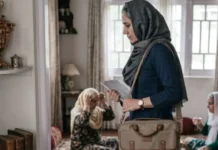
In the old city of Srinagar, 26-year-old Iram grew up in rooms shaped by centuries of craft, carved walnut screens filtering afternoon light, a top-floor Zoon Dabb gallery where the family gathered at dusk. When her family relocated and began building a new home, she made one firm request of her father: bring that feeling with you.
Her instinct reflects something much larger. Across Kashmir, a quiet architectural conversation is underway, one that pits the pressures of globalisation and rapid urbanisation against a cultural heritage spanning more than three millennia. The question at its centre is not simply aesthetic. It is existential: can a place preserve the soul of its built environment while still moving forward?
Present Trends
The Kashmir Valley’s architectural landscape is shifting in ways that worry historians, architects and ordinary residents alike. In an age of standardised building styles, the region’s distinctive vernacular, shaped by climate, craft and centuries of cross-cultural exchange, is under pressure from imported materials, foreign aesthetics and the relentless logic of the market.
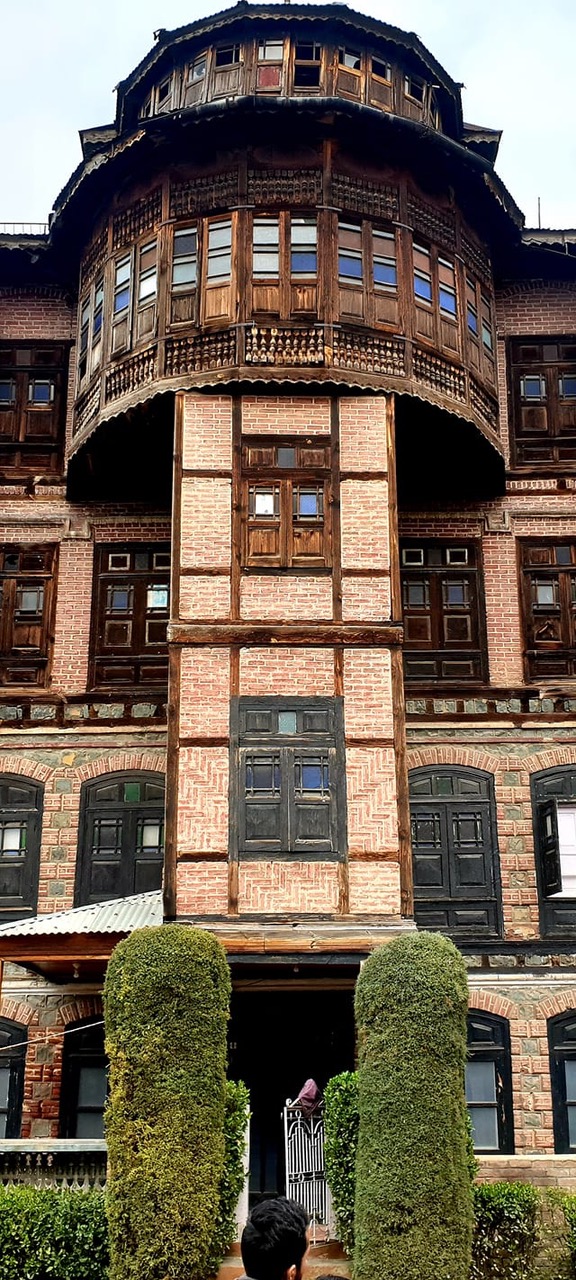
And yet, resistance is visible. Walk through newer neighbourhoods of Srinagar, and you will find modern concrete structures adorned with lattice woodwork screens, windows framed in Pinjrakari geometric carvings, and ceilings inlaid with the geometric wooden panels of Khatamband. These are not merely decorative choices. They are acts of memory.
Syed Anna Fatima, a young Srinagar-based architect at the forefront of this movement, argues that vernacular techniques and contemporary sensibilities are not opposites; they are partners. “Jammu and Kashmir bears a historic identity, and we should take pride in furthering it,” she said, “ensuring that our younger generations have the opportunity to experience it.”
One striking institutional example is the Sher-i-Kashmir International Convention Centre (SKIC) on the banks of Dal Lake, which integrates traditional wood carvings and stonework into a fully modern venue. It is a building that honours the past without being paralysed by it.
A Layered Legacy
To understand what is at stake, one must first understand what has been built. The Kashmir Valley has never been architecturally monolithic. From the Neolithic period onwards, it was a crossroads, a meeting point for Greek, Roman, Central Asian, Persian, Mughal and Afghan influences, each leaving a distinct imprint on the valley’s stones and timbers.
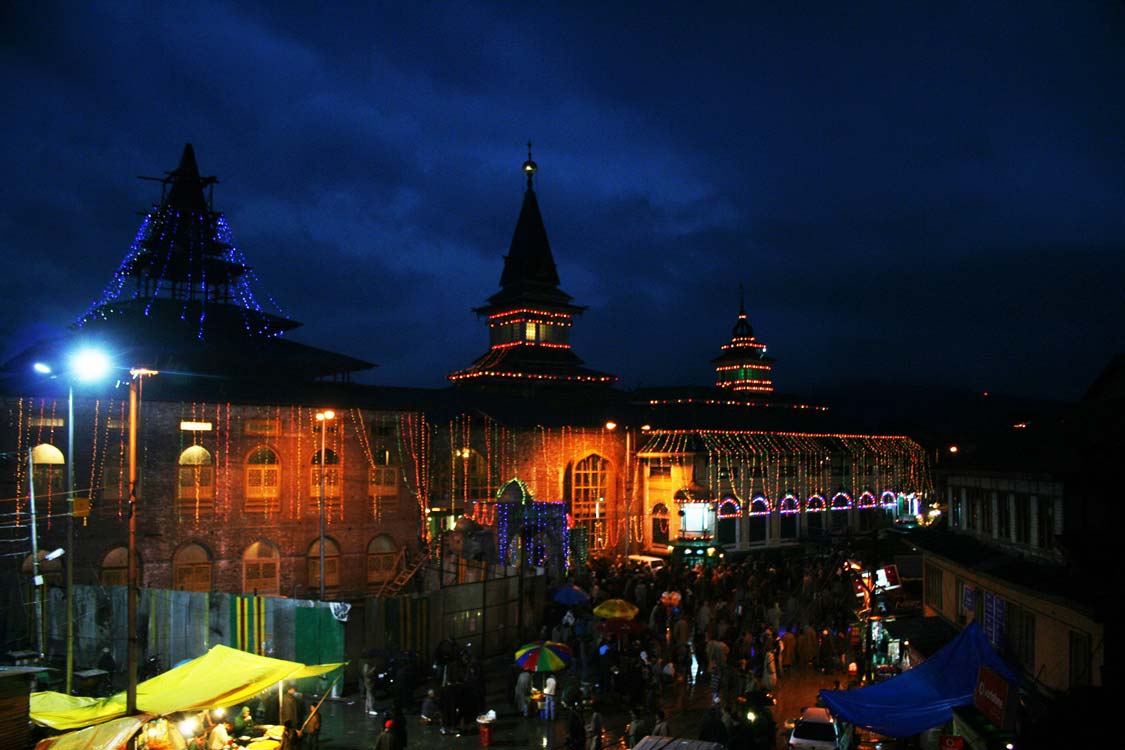
The earliest surviving remnants are the ruins of Hindu and Buddhist temples at Naranag, Harwan and Awantipora, massive stone structures dating to the 4th century BC. Buddhist rule from the 3rd century AD added monasteries and stupas. The Turkish rulers of the 14th to 16th centuries shifted the palette dramatically, introducing brick and timber and leaving behind the shrines and mosques that still define old Srinagar.
The most celebrated chapter began with Sultan Zain-ul-Abidin, whose reign saw the arrival of Persian and Central Asian artisans. Among the most significant visitors was the Sufi saint Mir Sayed Ali Hamdani, who came accompanied by 700 craftsmen masters. They introduced Naqashi, intricate painted wall designs, and Papier-Mache, alongside the wooden ceiling craft of Khatamband. The Khanqah-e-Muala shrine on the Jhelum riverbank remains the finest surviving example of this synthesis. Fusion, in other words, is not new to Kashmir. It is the tradition.
Disconnects In Fusion
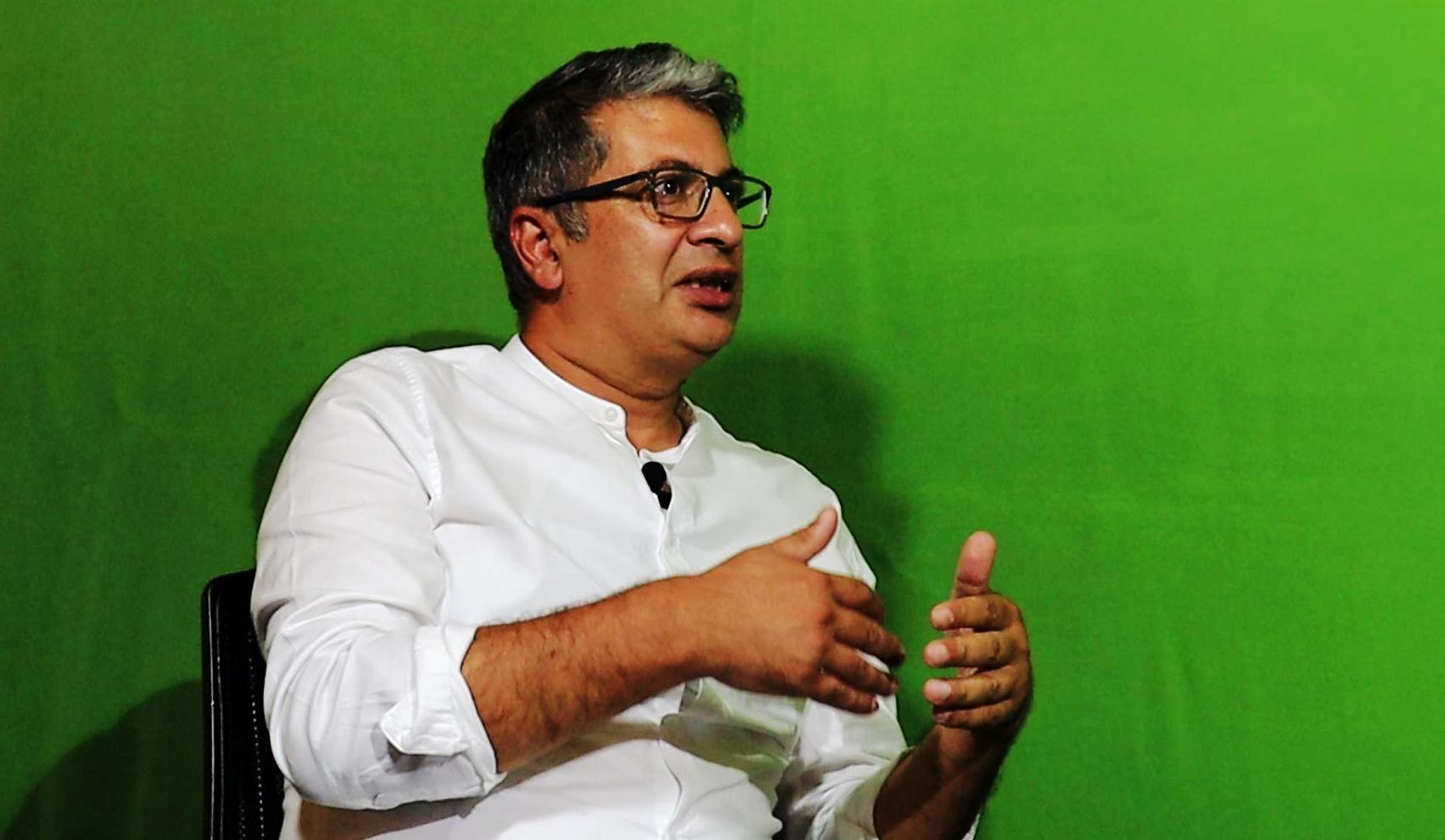
Dr Sameer Hamdani, one of Kashmir’s most prominent architects, welcomes the revival of traditional elements but frames it carefully. “We are witnessing a growing number of individuals embellishing their homes with Khanyari tiles, adorning windows with Pinjrakari, and using Khatamband in residential structures,” he observed. “There is real demand.”
The problem, he argues, is that much of this revival remains skin-deep, a market-driven response by wealthier homeowners that borrows the visual vocabulary of the past without its underlying logic.
Mehran Qureshi, who heads the Department of Architecture at the Islamic University of Science and Technology in Kashmir, goes further. He argues that modern construction in Kashmir has become predominantly cosmetic, with residents prioritising visual aesthetics while neglecting insulation, safety and structural integrity. Most troubling, he notes, is that the majority of modern residential buildings in Kashmir are poorly equipped to withstand seismic activity.
This is where the stakes move beyond aesthetics. Traditional Kashmiri construction techniques, particularly Dhajji Dewari and Taq, were not merely beautiful. They were engineered for the valley’s conditions.
Dhajji Dewari involves a timber frame in-filled with stone or brick bound by clay or lime mortar, producing a structure that flexes rather than cracks during an earthquake. Taq, common in Srinagar’s old city, uses sun-dried brick and crushed-stone walls on mud foundations with distributed load-bearing supports. Both have been validated by modern seismic engineers. Both are being abandoned for reinforced concrete.
“Dhajji Dewari and Taq are not museum pieces,” Fatima asserted plainly. “They are reliable, tested, and they represent our traditions. We can use them today.”
The Road Ahead
The barriers are real. Traditional construction is more labour-intensive and more expensive than casting concrete. Hamdani points to a deeper structural failure: “We do not even have an effective mechanism for the commercial production of wood, which was once produced commercially. Rather than being producers, we are consumers everywhere.”
There is also the question of knowledge. The craftsmen who understand Khatamband and Dhajji Dewari in their full complexity are an ageing cohort. Without institutional support and a new generation of skilled practitioners, the techniques risk becoming ornamental references rather than living practices.
Architecture schools are attempting to address this. At IUST, Qureshi and his colleagues work to introduce students to what he calls “an alternative vocabulary of architectural design, one that is socially, culturally and economically relevant.”
The goal is not nostalgia but rigour: to understand why traditional Kashmiri architecture worked, and apply that understanding to contemporary problems.
Fatima adds a note of practical advice. She urges Kashmiris to consult licenced architects before building, a step many skip in favour of informal contractors. “A licenced professional will guide you wisely, and you will end up saving money,” she said. “And you should know your rights as a client. If you wonder why a window is placed a certain way, your architect is legally answerable to you.”
A Living Heritage
The houses of old Srinagar, their carved facades darkened by decades of weather, their Khatamband ceilings intact, their Taq walls unmoved by tremors that toppled newer buildings, are not simply relics. They are arguments. They argue that it is possible to build beautifully and sustainably in this place, and that the knowledge of how to do so has not entirely vanished.
The fusion of modern and traditional architecture in the Kashmir Valley is, at its best, neither nostalgia nor pastiche. It is a negotiation between what a place has been and what it might become. Whether that conversation produces something genuine or merely decorative depends on whether architects, craftsmen and residents choose to treat heritage as a foundation rather than a façade.
For Iram, sitting in the Zoon-Dabb gallery her father built into their new home, the answer is personal. “When I gaze at the traditional houses and their interiors, I am filled with fascination.” That fascination, preserved and acted upon, generation by generation, may be the most important building material the valley has.
Dhajji Dewari: A timber-frame construction technique with stone or brick infill, bound by clay or lime mortar. Highly effective at resisting seismic activity due to its flexible, non-rigid structure.
Khatamband: Intricate wooden ceiling panels made from interlocking geometric pieces, requiring exceptional craftsmanship. Both decorative and structurally integral.
Naqashi: The art of painted wall decoration, featuring elaborate floral and geometric motifs. Introduced to Kashmir by Persian and Central Asian craftsmen.
Pinjrakari: Ornamental lattice woodwork used in windows, screens and facades. Provides privacy, filters light and is visually distinctive.
Taq: A multi-storey construction method using sun-dried brick and crushed-stone walls on mud foundations, with distributed load-bearing supports. Common in Srinagar’s old city.
Zoon-Dabb: The top-floor gallery of a traditional Kashmiri home — an enclosed or semi-enclosed space used for family gatherings, relaxation and enjoying the surrounding landscape.