Shawl artisans in Budgam preserve centuries-old craft amid financial struggles, health challenges, and competition from machine-made imitations, sustaining Kashmir’s Pashmina and wool heritage for a global audience, reports Tehreem Parvaiz
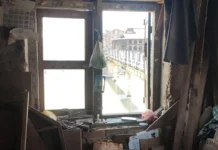
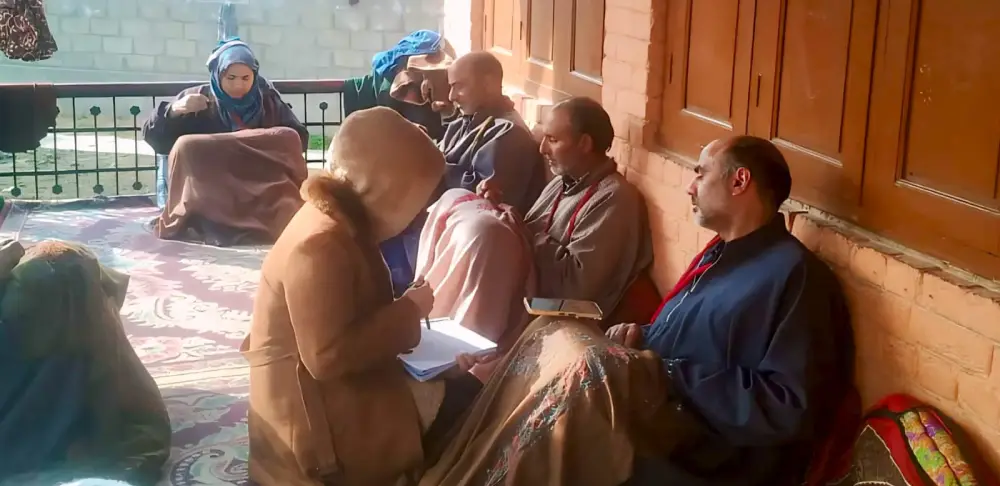
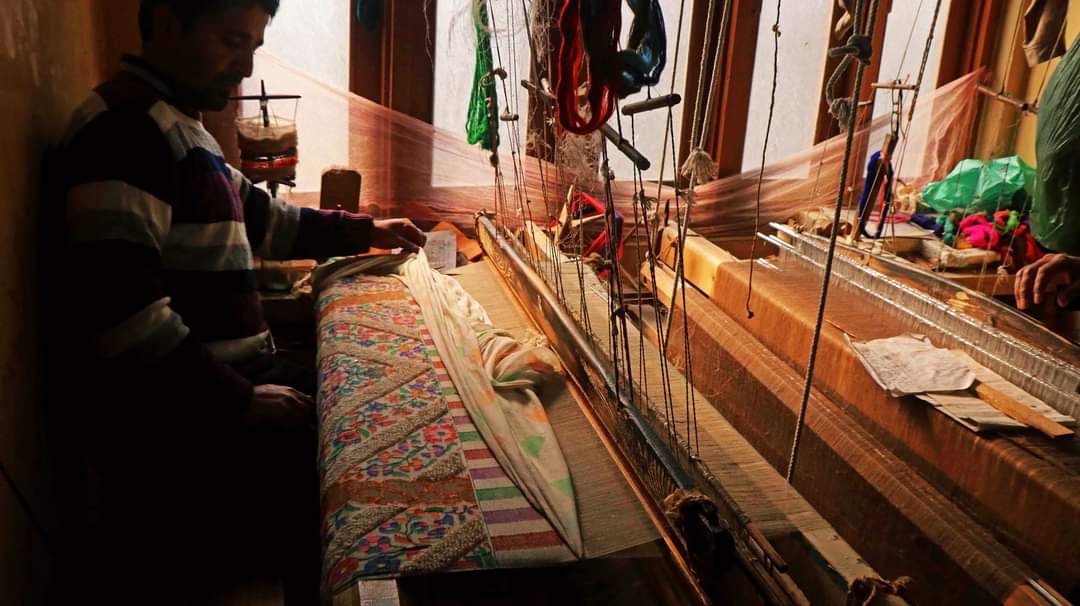
Long before a Kashmiri shawl reaches a luxury boutique, a political podium, or an international gifting ceremony, it begins in silence, in a modest room in Soibugh village of Budgam district. There, bent over wooden looms under dim light, artisans spin, weave, and embroider threads into heirlooms. Their labour is slow, deliberate, and exacting. Their reward, more often than not, is modest. Yet their craft carries centuries of history.
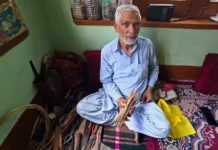
Among them is Javaid Ahmad Mir, 40, a resident of Wadipora, who has been weaving shawls for the past 20 years. He inherited the skill from his father, as generations before him passed it down. For Javaid, shawl weaving is not merely employment; it is inheritance, responsibility, and survival. Like thousands of artisans across Budgam, he sustains both his family and a fragile craft that rarely receives sustained public attention.
While Kanihama has earned recognition as a prominent centre of Kani shawls, several other villages in Budgam, including Soibugh, quietly sustain their own craft clusters. These villages may not enjoy brand visibility, but the workmanship emerging from their homes rivals the best in the Valley.
The Routine
The making of a shawl is neither mechanical nor hurried. It begins with fibre, wool or Pashmina, spun carefully into yarn. The yarn is then woven manually on traditional handlooms. After weaving, embroidery is added, often entirely by hand. Each stage demands precision. A slight error in tension, colour alignment, or needle movement can undo weeks of work.
Despite such painstaking labour, wages remain low. “I make pure hand-made shawls without any fusion and still do not get paid enough,” says one artisan, echoing a sentiment widely shared.
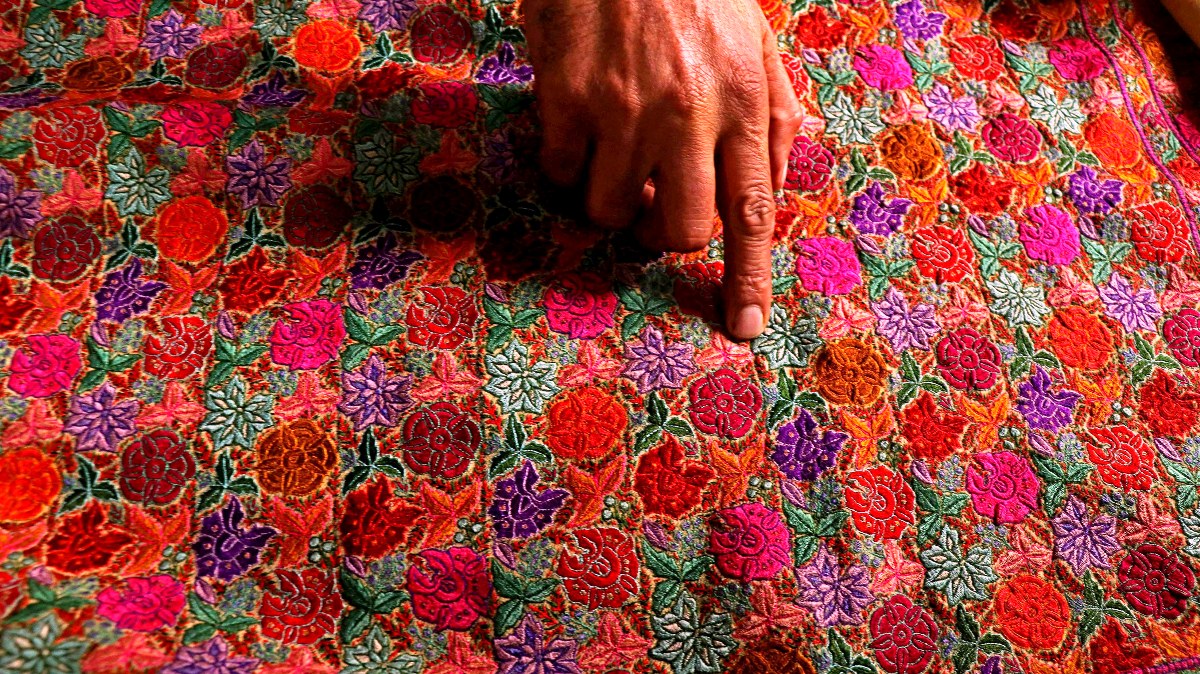
Kashmiri shawls are distinguished by intricate hand-woven patterns and embroidery inspired by flowers, paisleys, Mughal motifs, and nature. These motifs are not decorative accidents; they are historical continuities. Designs such as Shah Pasand (Emperor’s choice) and Buta Mohammed Shah trace their lineage to the Mughal period, when shawls flourished under royal patronage.
The Artisans
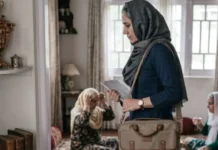
Haseena Akhter, 35, from Soibugh, has been engaged in shawl making since she was fifteen. For her family, it is the only source of income. Years of working long hours have taken a physical toll.
“It takes from a few days to several months to finish one shawl,” she explains. The intricacy of the design determines the timeline. Daily wages range between Rs 200 and 300, depending on the type of shawl and embroidery. Persistent back pain and weakening eyesight are occupational hazards.
The global appeal of Kashmiri shawls, however, stands in sharp contrast to the conditions under which they are produced. International luxury houses such as Hermes and Burberry have incorporated Pashmina into their collections. Prominent personalities, including Prime Minister Narendra Modi, Amitabh Bachchan, and Angelina Joli,e have been seen wearing Kashmiri shawls. Markets in Amritsar and international destinations such as the UAE import them in large numbers.
Yet replication attempts elsewhere have failed to replicate the nuanced hand-feel of authentic Kashmiri craftsmanship. Machine-made shawls may mimic surface appearance, but they lack the depth of weave, softness, and durability of genuine hand-spun fabric.
The Varieties
Kashmiri shawls fall broadly into three categories: wool shawls, Pashmina shawls, and Shahtoosh shawls, now banned because of ecological issues, as it is presumed that the wool used in these is secured after culling a high altitude goat.
Woollen shawls, often made from merino wool, are durable, warm, and suited for regular wear. Raffal shawls are thick and ideal for heavy Aari embroidery (Kasheeda Kari). Pricing varies based on wool quality and embroidery density.
Toosha (or Toosh) shawls are lightweight and warm, sometimes marketed as “semi-Pashmina.” However, Toosha is made from fine sheep wool, not from the undercoat of the Changthangi goat used for genuine Pashmina.
Pashmina remains the most prized. It is crafted from the fine undercoat of the Changthangi goat, making it exceptionally soft and delicate. Because the fabric is fragile, artisans must exercise extreme care during weaving and embroidery. A single Pashmina shawl can take six months to over a year to complete, depending on design complexity.
Pashmina types include solid, embellished (ombre, printed, embroidered, laced), Kani, reversible, and Kalamkari. A solid Pashmina, though plain in appearance, reflects mastery in weave uniformity. Even within solids, weave patterns create subtle variations.
Ply also determines durability. One-ply indicates a single yarn strand; two-ply involves two strands twisted together. Higher ply increases strength.
Embroidery is central to Kashmiri shawls’ identity. Techniques include Sozni (fine needlework), Papier-mâché style embroidery, and Till Dozi. Patterns such as Dordaar, Bootidaar, Palladar, and Jamawar remain in demand. Embroidery is not mere embellishment; it encodes Kashmir’s aesthetic memory.
Female Participation
Sameena, 57, recalls that shawl-making was once dominated by men. Women later entered the field, beginning with embroidery on Raffal shawls before moving to other types. She believes artisans could earn better profits if they had direct access to retail markets rather than depending on intermediaries.
Abdul Raheem, 50, has worked in this profession for 30 years. He explains that artisans do not usually sell online. They receive raw or semi-finished shawls from retailers and return them after completing weaving or embroidery. “Income is very low, and energy consumption is high,” he asserted, noting that many are leaving handmade shawl making due to inadequate returns for family survival.
Ghulam Hassan Mir, 53, with 35 years of experience, recalls earlier decades when handmade shawls fetched higher earnings. He notes that the market shifted after machine-made shawls from Amritsar began competing aggressively. Rising expenses have further eroded margins.
Nazir Ahmad Malik, 52, who has been working for 33 years, says the craft is “declining day by day because of machine-made shawls.” Machine-made products are cheaper and quicker to produce. Although they may appear attractive initially, their shine and colour often dull after several washes. Duplicate shawls are sometimes sold in the name of Kashmiri originals, creating confusion among buyers. Those familiar with authentic craftsmanship still prefer Kashmiri shawls, but price sensitivity influences many customers.
The craft’s historical roots trace back to its introduction from Iran by Mir Sayyed Ali Hamdani, also known as Ameer-e-Kabeer. However, there are historical references that Shawl making predates Kashmir’s transition to Islam. However, there are possibilities that it might have had a quality upgrade after the onset of Islam, owing to Central Asian influences. Over centuries, shawl weaving evolved into a defining feature of Kashmir’s material culture.
A Souvenir
Kashmiri shawls have long occupied a place within elite cultural life. During the Mughal period, the status of nobles was often reflected in the shawls they wore. In royal durbars, select courtiers were honoured with specially crafted shawls, including distinguished “ring shawls,” symbolising prestige and favour.
Over time, their value and reputation continued to rise. Even today, the shawl retains ceremonial and diplomatic significance. Prime Minister Narendra Modi frequently presents Kashmiri Pashmina shawls to dignitaries during official visits abroad, positioning them as embodiments of India’s cultural heritage. In such contexts, the Kashmiri shawl serves not merely as attire but as a symbol of craftsmanship, continuity, and national identity.
Neglected Artisans
This visible prestige, however, finds little reflection on the ground. While Kashmiri shawls dominate photo opportunities within and outside the Valley, the artisans who create them remain largely overlooked. The weavers behind this celebrated craft continue to operate at the margins of policy attention and economic planning.
Historically, shawl artisans were significant contributors to the region’s revenue, strengthening the public exchequer through a globally sought-after product. Today, they remain the cultural identity-makers of Kashmir, custodians of an art form that defines the Valley’s image, yet they seldom receive proportional institutional support, financial security, or sustained recognition.
Wherever one speaks to artisans, the conversation invariably returns to the same concerns: low wages, mounting competition, physical strain, and dependence on market intermediaries who absorb much of the profit. The narrative does not change from one cluster to another. It is no different in Soibugh.
Yet their engagement with the craft transcends immediate earnings. For many, it is a question of continuity. Each shawl embodies sustained concentration, inherited knowledge, and refined artistic judgment, the cumulative weight of generations woven into fabric.
In narrow Budgam homes, looms continue to click rhythmically. Threads pass between fingers hardened by repetition. Patterns emerge gradually, almost imperceptibly, until a finished shawl reveals itself as both garment and archive.
The global consumer sees elegance and luxury. The artisan sees labour, lineage, and survival.
Soibugh may not dominate headlines like Kanihama, but within its modest homes, a centuries-old craft continues, fragile yet resilient, undervalued yet indispensable. Through the dedication of the artisans, for whom shawl weaving or making is a part-time job, Kashmir’s shawl tradition endures.
Their work does not shout. It weaves.