British writer Rumer Godden sought peace in Kashmir after divorce. One of her books about her stay in Kashmir records her independence, loneliness, cultural clashes and eventual departure with her daughters, leaving fond memories. Wajeeha Hajirah reviews the book
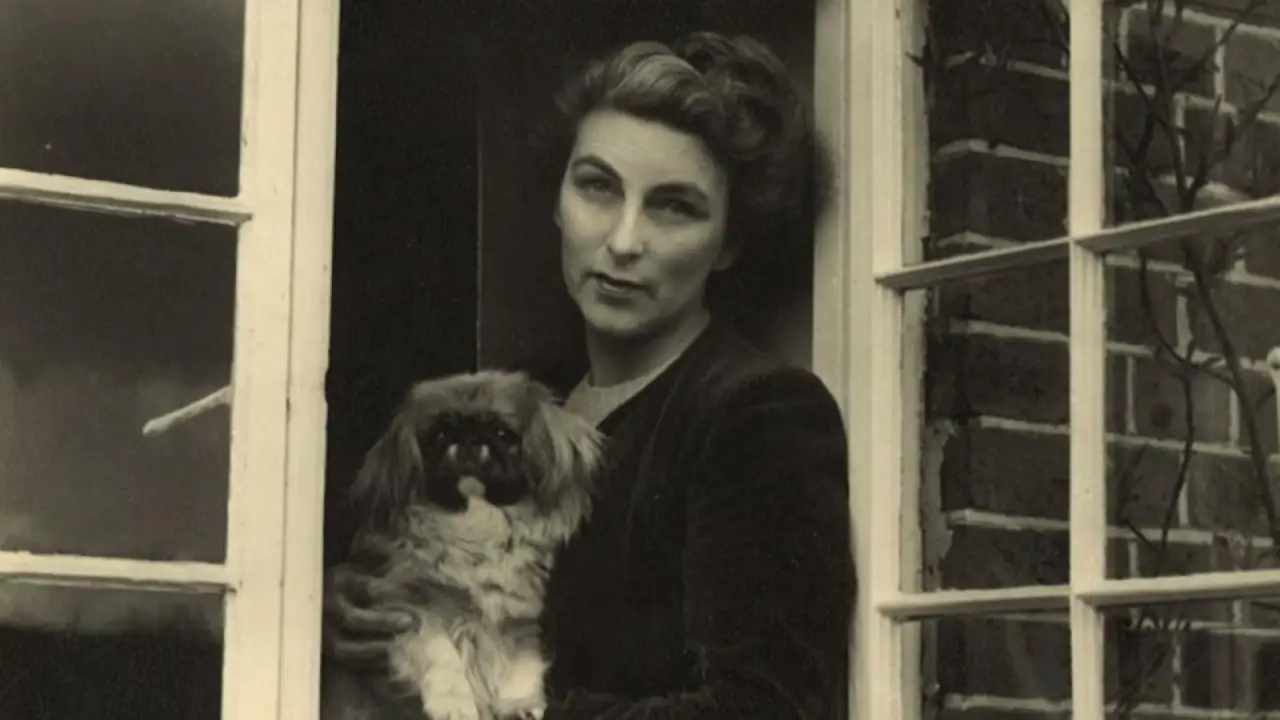
Rumer Godden thought Kashmir beautiful. She wanted to raise her daughters there. Every Least Thing, published by Speaking Tiger, gathers her writings on that chapter of her life. It is not only about a place that mattered to her. It is also about a single mother adapting to a new setting and a different culture. Loneliness, cultural misunderstandings and personal struggle run through it. So do resilience and the search for a place to belong.
Godden was a British novelist. Born in England, she spent most of her life in India. She studied at a boarding school in England and returned to India. She established a dance school. At the same time she worked on her writing and slowly built a career. Her life was hard, both emotionally and financially. She married in 1934. She and her husband had a son, but she lost him a few days after his birth. They later had two daughters, Jane and Paula. The marriage was unhappy and ended in divorce. That left her under pressure to be independent, for herself and for her daughters.
Kashmir Years
Godden came to Kashmir with her daughters during the Second World War. Her marriage had ended. Funds were limited. She left Calcutta in search of a peaceful and financially comfortable life. She wanted to rebuild after everything she had been through. She needed a place to raise her daughters, write and earn enough to support them. Kashmir felt perfect because of its peaceful setting.
Her first home in Kashmir was a houseboat in Srinagar. It was a new environment on the waters of Dal Lake. Settling there was not easy. The arrangement was only temporary. She later moved to a house called the Dove House. It was a more permanent home, secluded toward the countryside.
The Dove House gave Godden the new life she wanted. It did not provide everything the family needed. It did offer beautiful surroundings of mountains, lakes, greenery and natural beauty. Even so, the move was not effortless. She had many responsibilities. She had two daughters to raise. She had to earn a living and provide a comfortable lifestyle.
She immersed herself in writing. She also made a small herb farm to support her daughters and establish them in the new place. She worked in the kitchen garden and wrote to provide for her family. Every effort aimed at financial independence and a life of her own. The Dove House was a significant part of her life in Kashmir. It was never only a peaceful retreat.
Godden was a British woman raised in colonial India. She had a deep affection for Kashmir. Yet cultural differences and differing values became the bitter part of her stay. Her own experiences and values clashed with those of the locals.
One incident stood out. She suspected that a household servant had tried to poison her and her children. It left her insecure. She began to question her safety in Kashmir. It remains unconfirmed whether this was an attempt to kill them or simply a misunderstanding. Such incidents and misunderstandings sat uneasily beside her love for the place.
After the poisoning incident and several other reasons, Godden decided to leave. She had planned to call Kashmir her home. Instead she returned to England with her daughters. There she continued to write. Kashmir had given her peace and independence. Some personal experiences eventually led to her departure. This part of her life remained one of the most significant. It left mostly fond memories, imprinted on her heart forever.
The Book
Every Least Thing is a collection of Godden’s writings about the experiences that shaped her. She recalls relationships, hardships and her hustle for independence. The picture is of a woman attempting to build a life under circumstances that would break many people. It is also the struggle of a divorced mother who worked for her daughters in financially and emotionally difficult conditions. She writes about her life in India and how she established herself there. She also writes about her time in the Kashmir region.
Godden also published Kingfishers Catch Fire. It is a work of fiction. It follows a woman who moves to a remote village in Kashmir to build a simple, peaceful life. Misunderstandings with the local community undermine her plans. The book is fictional, yet it is inspired by Godden’s own experiences in Kashmir.
Her experiences stretch from Calcutta and the building of a dance school to the loss of a child and a divorce. Then came the blood and sweat she put into an independent life. Rumer Godden proved a strong woman. She did all she could to settle and to be financially independent.
Kashmir was a truly significant part of that journey. She moved from a houseboat to a house. She gardened to survive and to establish herself. Yet unfavourable circumstances and misunderstandings led to her departure on a bitter note. She still carried a lot of fond memories. It was an experience of a lifetime.