by Uzma Qadir Mir
The profound motivation crisis among the youth of Jammu and Kashmir stems from prolonged instability, systemic employment failures, outdated education, and unaddressed psychological trauma
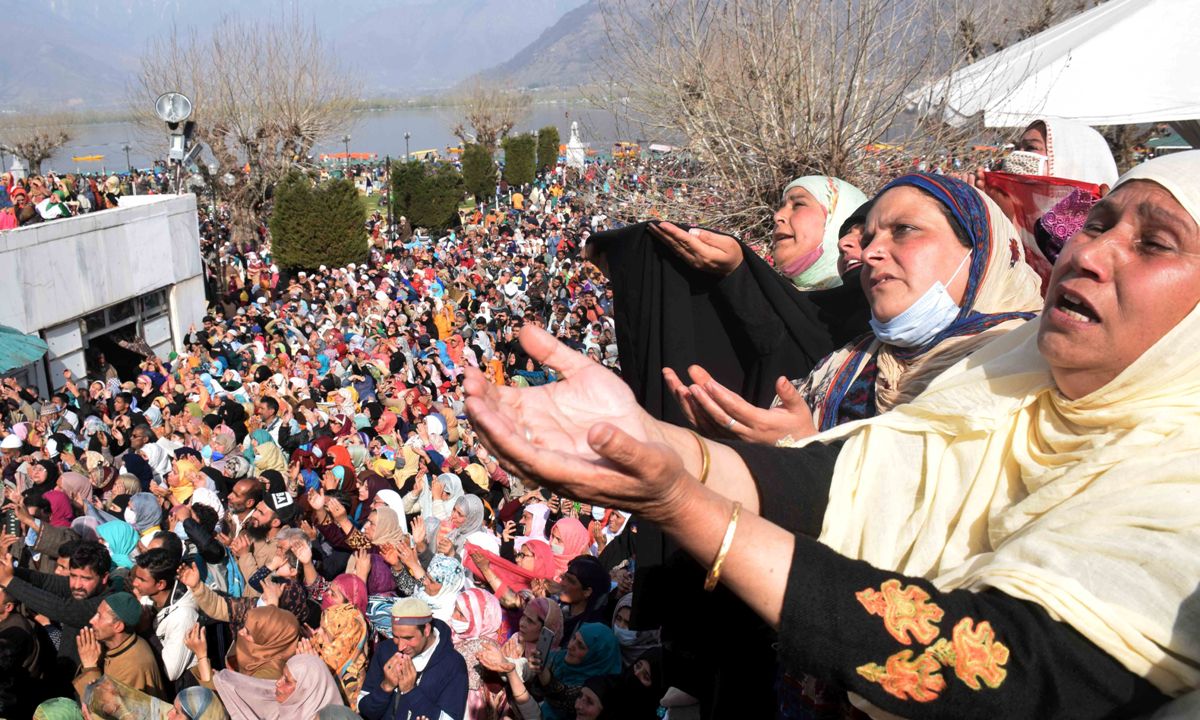
There is a specific kind of exhaustion that doesn’t stem from overwork. It comes from waiting, for normalcy, for opportunity, for a future that keeps moving further away. If you walk through the lanes of Sopore or the campuses of Srinagar’s universities, you will see it reflected in the faces of young men and women who are bright, educated, and deeply adrift. The youth of Jammu and Kashmir are not lazy. They are a generation let down by the very systems that should support them, and the cost of this failure is measured not in statistics but in abandoned dreams.
Born Into Uncertainty
To grasp the motivation crisis affecting the youth of Jammu and Kashmir, you must first understand what “normal” has meant for them. Many of today’s young people, those between 18 and 35, have spent their formative years surrounded by instability, curfews, and communication blackouts. They grew up watching their parents navigate ongoing instability. Some lived through the longest internet shutdown in the history of any democracy, lasting over 550 days after Article 370 was revoked in August 2019. Schools closed, exams were postponed, and college years disappeared into silence.
This generation has not been spoiled into passivity. They have faced repeated interruptions that hindered their personal growth.
The Employment Trap
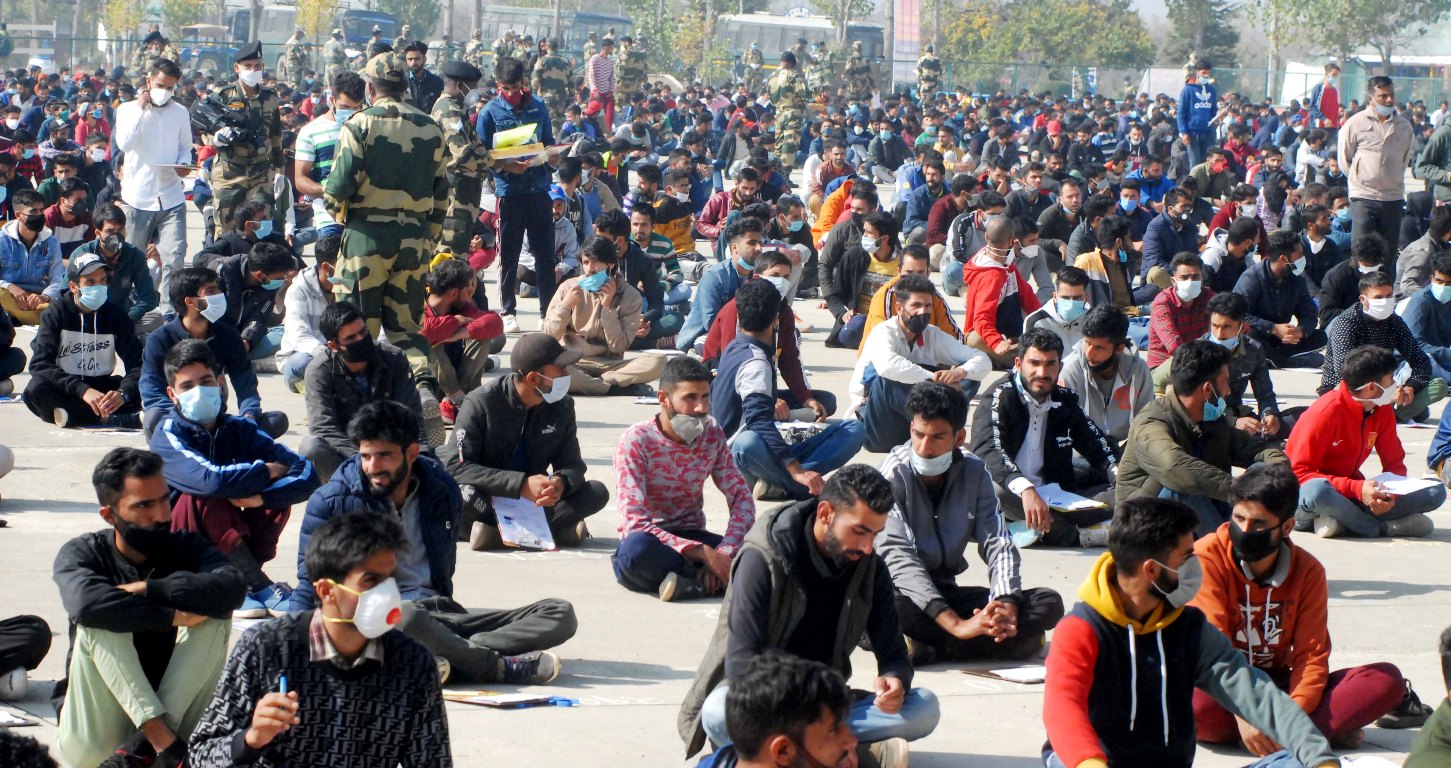
If uncertainty is the emotional wound, unemployment is the open sore. Jammu and Kashmir has one of the highest youth unemployment rates in India, double the national average. The formal economy mostly relies on government jobs, and competition for these positions is fierce. But the recruitment processes of the Jammu and Kashmir Services Selection Board (JKSSB) and others have been plagued by paper leaks, indefinite delays, and claims of corruption. Young people who have invested years preparing for exams have seen their efforts invalidated overnight. Their morale has crumbled not because of personal failure but because the system failed them first.
The private sector remains underdeveloped. Tourism, the region’s most promising industry, is seasonal, unstable, and heavily influenced by security conditions. The once-thriving handicraft and handloom sectors struggle against cheaper machine-made products and lack proper market access. Startups are rare, investment is cautious, and the entrepreneurial ecosystem that could channel youthful energy into productive ventures does not exist at the needed scale.
When a young person in Kashmir prepares for three years only to see their exam canceled, or applies to sixty jobs without any response, the resulting decline is not just economic. It is psychological. Ambition needs nurturing. When denied for too long, it sours into cynicism.
Education Without Destination
Jammu and Kashmir has made significant progress in literacy and school enrollment over the past two decades. However, education without a clear benefit becomes a hollow routine. Students are entering colleges and universities in record numbers, but what awaits them afterward? Degrees that the job market does not recognize, skills that don’t match industry needs, and geographic isolation that makes competing with peers from Delhi or Bengaluru extremely difficult.
Many institutions still offer outdated curriculums. Vocational training facilities are limited, and career counselling is almost nonexistent in government schools. Young people are encouraged to study hard without understanding why, for what purpose, or how. The outcome is educated unemployment, a state often more disheartening than uneducated unemployment because it carries the painful irony of effort wasted.
There is also a brain drain that worsens the situation. Those who can leave do so, for universities in Delhi, Chandigarh, or abroad. What remains, not due to lesser talent but lesser circumstances, is a group of young people who feel abandoned. Over time, feeling abandoned becomes a self-fulfilling cycle.

The Mental Health
What rarely gets discussed openly, yet cannot be ignored, is the mental health crisis quietly unfolding among the youth in Jammu and Kashmir. Studies by organisations like Médecins Sans Frontières and the Institute of Mental Health and Neurosciences (IMHANS) in Srinagar report alarmingly high levels of depression, anxiety, and post-traumatic stress, especially among the young. Decades of instability, loss of family, experiences of violence, and the constant stress of living under restrictions have left lasting psychological scars.
A young person with unaddressed trauma does not lack ambition by nature, they lack the mental safety to pursue it. Motivation cannot just be switched on with a government programme or an inspiring poster. It comes from a mind secure enough to envision a better future. When that security is missing, and hope seems risky, many young individuals retreat into passivity as a means of self-protection.
The Digital Paradox
The return of stable internet access in Jammu and Kashmir has transformed the region’s digital landscape. Unlike before, when long internet shutdowns restricted communication and information access, young people today have many chances for online education, freelancing, entrepreneurship, digital commerce, and global knowledge. The internet has opened doors that were once closed.
Yet this progress also reveals a troubling digital paradox. While connectivity has expanded opportunities, it has also increased social media’s impact on young people’s aspirations and mental health. Constant exposure to carefully curated lifestyles, viral success stories, and influencers projecting effortless wealth and fame creates unrealistic expectations about success. For many, comparison with seemingly successful peers online breeds frustration and self-doubt instead of inspiration.
This culture of instant rewards is slowly replacing values like patience, perseverance, and hard work. Previous generations often chased long-term goals, becoming civil servants, doctors, entrepreneurs, or professionals, understanding that substantial success took years of commitment. Today, however, the lure of quick financial gains, online popularity, and instant recognition can overshadow the significance of discipline, resilience, and setting long-term goals.
The issue isn’t digital access itself but the lack of guidance for navigating the online world responsibly. Technology is a powerful tool, but without digital literacy, mentorship, and meaningful career support, its benefits can be diluted by negative online influences. Jammu and Kashmir must ensure that the digital revolution empowers its youth not just to consume content but to build skills, create opportunities, and seek meaningful goals. Only then can digital connectivity become a true instrument of social and economic change rather than a source of distraction and disappointment.

What Must Change
None of this is unavoidable. Jammu and Kashmir’s youth are not broken, they are unsupported. Solutions, while complex, begin with honest acknowledgment.
Recruitment processes must be clear, timely, and free of corruption. Every exam delay and every leaked paper is not just administrative failure, it is a direct blow to young people’s faith in the system. Entrepreneurship cells, startup incubators, and market connections for traditional industries must be established with genuine intent, not just as bureaucratic window dressing. Mental health services must lose their stigma and be made accessible in every district because no economic policy succeeds in a community suffering psychological distress.

Most importantly, young people in Jammu and Kashmir should be part of the conversation about their own future. Their voices, frustrated, hopeful, angry, resilient, must not just be acknowledged in press releases but reflected in policy. They are not passive recipients of governance. They are, indeed, the most crucial stakeholders in the region’s story.
The lack of motivation among Jammu and Kashmir’s youth is not a character flaw. It is a reasonable response to an irrational set of circumstances, decades of instability, institutional failure, economic stagnation, and mental burdens. Beneath the surface indifference lies something much stronger: a generation that still wants to count, that still quietly dreams amid disappointment, and that is waiting, not out of laziness, but patiently and painfully—for the world to meet them halfway.
They deserve that meeting. The time for it is long overdue.
(The author is pursuing a Master’s degree in Public Administration from a Delhi-based University and writes about socio-economic development, and issues concerning Jammu and Kashmir. Ideas are personal.)