Kashmir’s fertility crisis demands a coordinated policy response: awareness campaigns, subsidised fertility care, workplace reform, and early screening integrated into routine healthcare delivery.
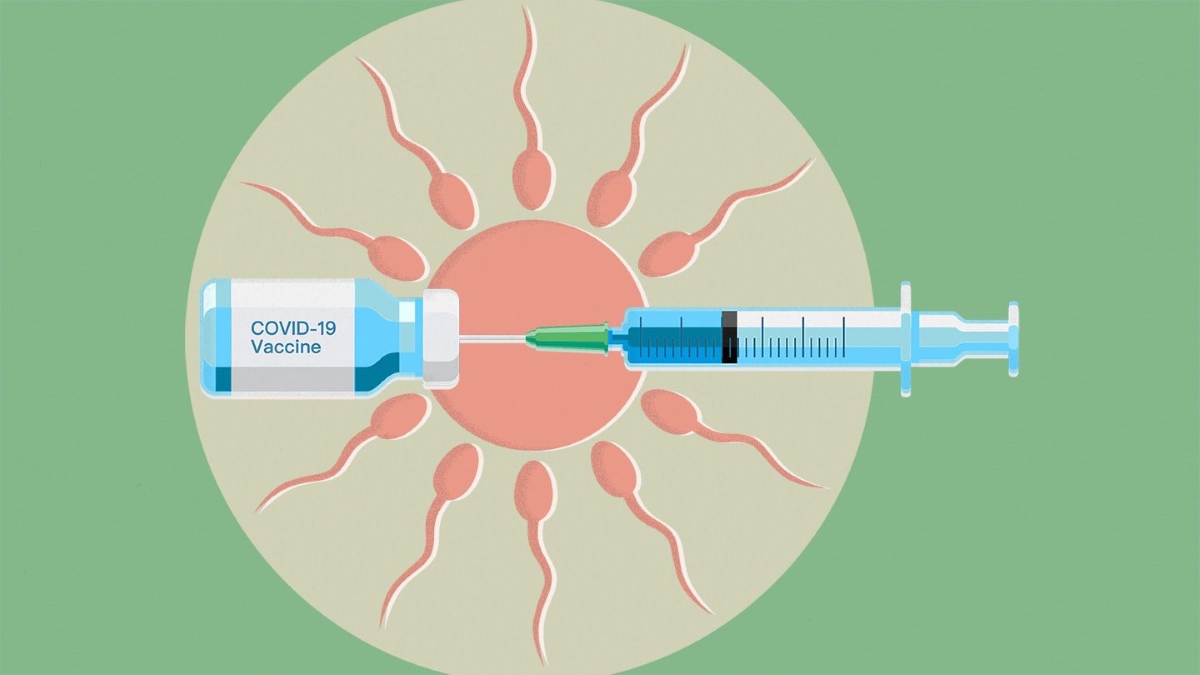
Jammu and Kashmir’s total fertility rate has fallen from 4.5 to 1.4 in four decades, a drop steep enough to alter the region’s demographic future within a generation. Some of this decline reflects genuine choice, later marriages, career priorities, smaller families by design. But a significant portion does not. Premature Ovarian Insufficiency, once unheard of in the Valley, is now a routine diagnosis in gynaecology clinics, and the silence surrounding it has already cost women years they cannot recover.
What makes this crisis particularly urgent is that it sits squarely in the gap between public health policy and social taboo. Reproductive health, especially infertility, remains something families discuss in whispers, if at all. Girls grow up unaware that irregular cycles or unexplained fatigue could signal a fertility-limiting condition. By the time the issue surfaces, almost always after marriage, when conception fails, the window for meaningful intervention has often closed. This is not simply a medical failing. It is a policy failing.
The state’s health apparatus has, to its credit, expanded reproductive health infrastructure, reducing the need for patients to travel outside Jammu and Kashmir for treatment. But infrastructure without awareness only shifts where the crisis is managed, not whether it is prevented. Three interventions deserve priority.
First, reproductive health screening should be integrated into routine adolescent and pre-marital healthcare, normalising ovarian reserve testing the way anaemia or thyroid screening is already normalised.
Second, fertility treatment, often prohibitively expensive, needs meaningful subsidy or insurance coverage under existing government health schemes, both to widen access and to blunt the exploitative pricing that clinicians themselves have flagged as a growing problem in the Valley.
Third, and perhaps hardest, public health messaging must treat reproductive health as ordinary preventive care rather than a private shame, through school curricula, community health workers, and campaigns that reach beyond urban centres where awareness is already comparatively higher.
There is also a workplace dimension the government cannot legislate away but can certainly influence. Long working hours, academic pressure, and sedentary urban lifestyles are recurring threads in the accounts of women affected by early ovarian ageing. Even where causation remains scientifically unproven, the correlation is strong enough to warrant public health guidance on rest, activity, and stress management, particularly for young women entering the workforce or higher education.
Jammu and Kashmir does not need alarmism on this issue. It needs the same steady, unglamorous work that has improved other public health indicators in the region: early detection, affordable treatment, and a willingness to discuss reproductive health as openly as any other medical condition. The cost of continued silence is not abstract. It is measured in marriages, in mental health, and in a shrinking future population the region is only beginning to reckon with.