As debates over identity, indigeneity and inclusion intensify in Jammu and Kashmir, a new reservation policy has pushed the Gujjar and Bakerwal communities into the spotlight. Their cultural distinctiveness and historic claims are now being tested by shifting definitions of tribalhood, writes Babra Wani
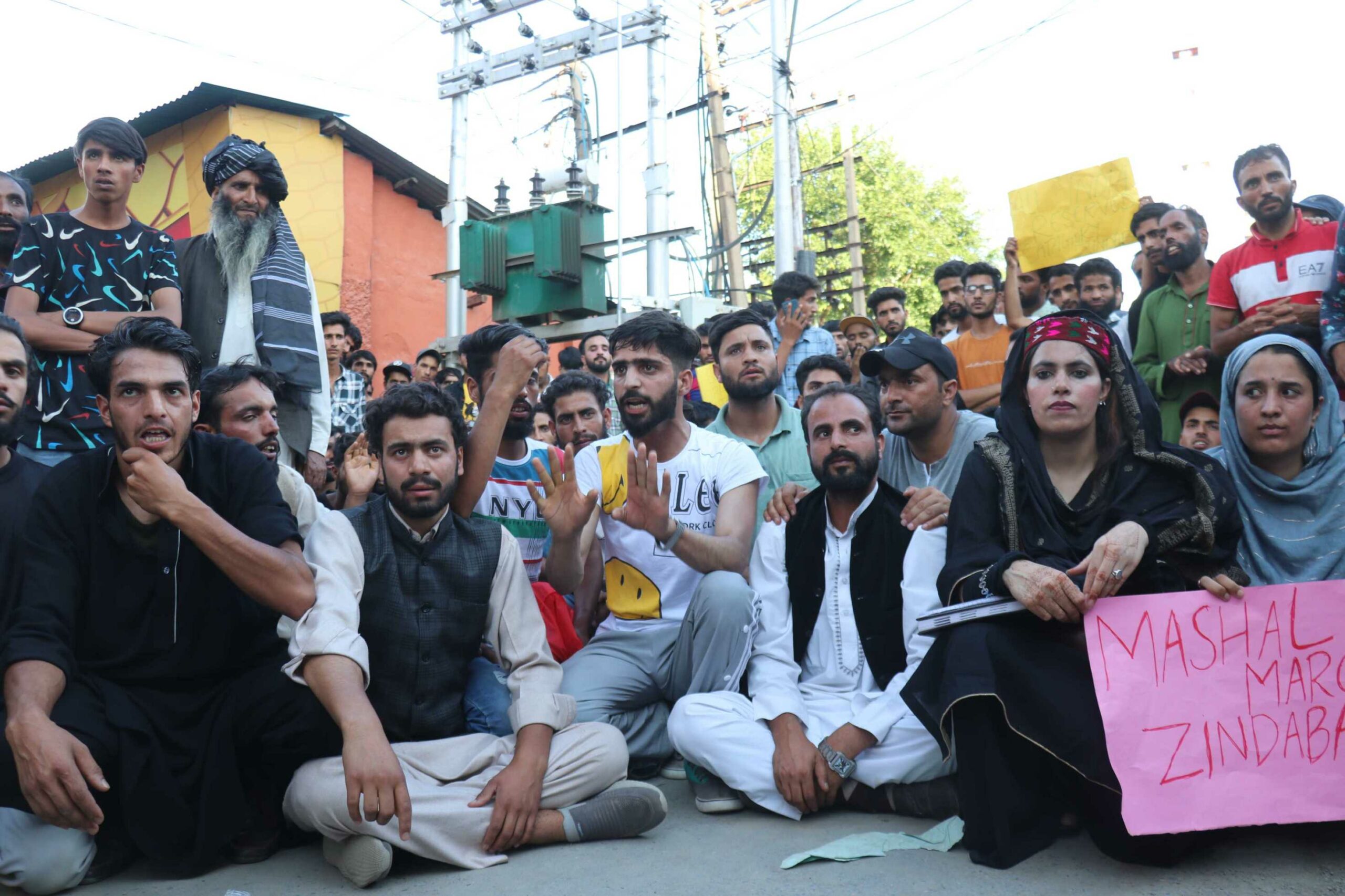
On March 15, the Jammu and Kashmir administration announced a new reservation policy. Under it, Paharis and three lesser-known communities were added to the list of Scheduled Tribes (ST), granting them 10 per cent reservation in government jobs and professional courses. The inclusion of the Pahari-speaking population, over a million strong, triggered protests from the pastoral nomadic Gujjars and Bakerwals. Listed as STs since 1991, they feared that extending tribal status to others would dilute their share. Before the intervention, Gujjars and Bakerwals made up nearly 74 per cent of Jammu and Kashmir’s ST population.
To allay these concerns, the administration carved out a separate 10 per cent quota for Paharis and the newly recognised groups, reducing the general category quota. The existing ST quota was untouched, but with the addition, the overall ST reservation in Jammu and Kashmir rose to 20 per cent.
Gujjars and Bakerwals
After Kashmiris and Dogras, Gujjars and Bakerwals form the third-largest ethnic group in Jammu and Kashmir. The 2011 Census records them as nine per cent of the population of 1.25 crore. Out of the total ST population of 12,75,106, nearly three-fourths are Gujjars and Bakerwals.
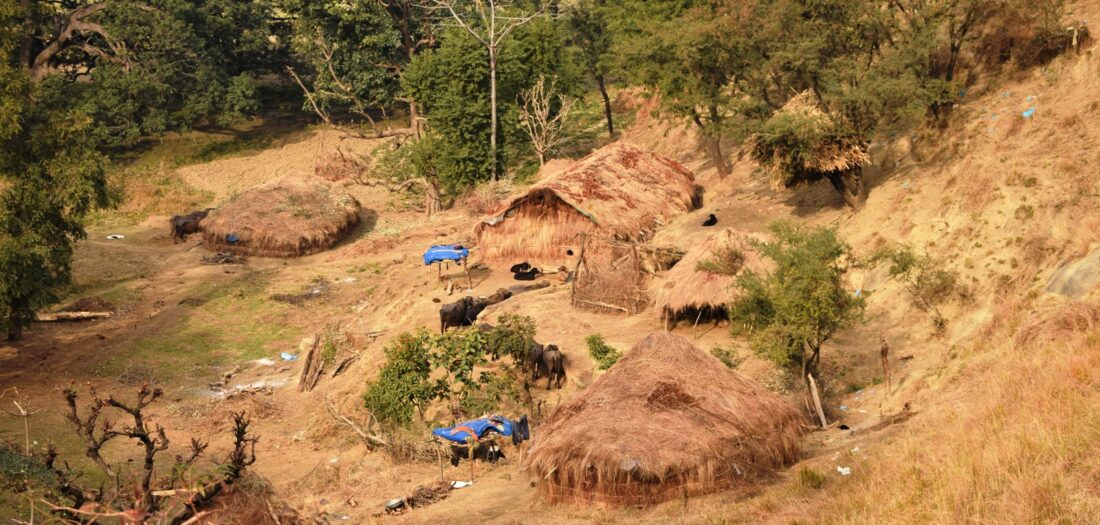
Predominantly Muslim, most Gujjars and Bakerwals live in Rajouri and Poonch, where they constitute about 35 per cent of the population. Although often clubbed together, Gujjars and Bakerwals differ in occupation. Both are pastoral nomads, but Gujjars are generally associated with cattle rearing and farming, while Bakerwals focus on sheep and goat herding.
The word Gujjar is thought to derive from the Sanskrit Gurjara or Go-Charana, meaning cattle rearer. Some scholars link it to nomadic routes through Gujarat or Gujranwala. Bakerwal, meanwhile, comes from bakri (goat) and wals (rearers).
Sub-Groups
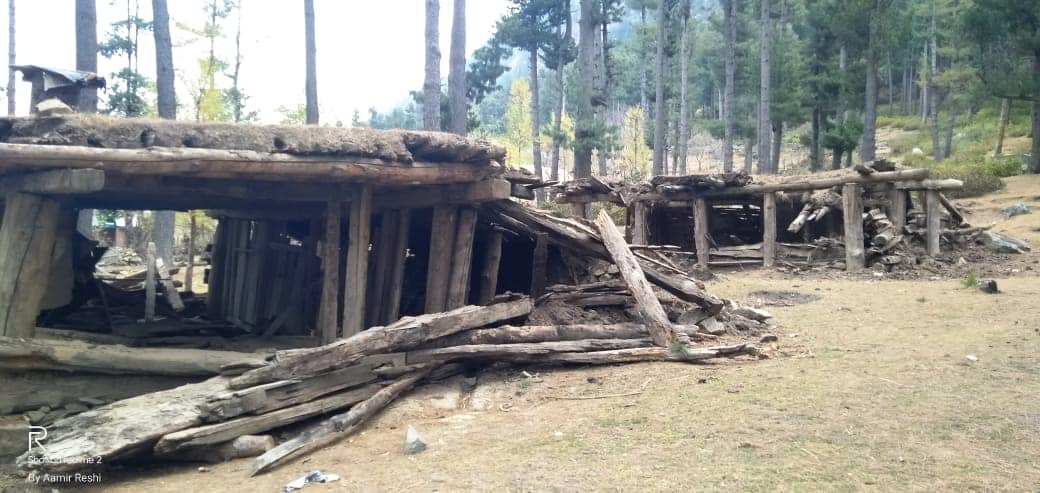
Scholars divide the Gujjars into occupational sub-groups. Audil Habib Wani, in his doctoral thesis on the welfare of Jammu and Kashmir’s STs, identifies three main categories. The first are settled Gujjars, cultivating land in permanent villages near the foothills. The second are semi-settled or transhumant Gujjars, who combine cultivation with pastoralism, living in lower mountain areas but moving to higher pastures in summer. The third group are fully nomadic Gujjars, who oscillate between winter and summer pastures with their herds.
District-wise, Gujjars and Bakerwals are widely distributed but concentrated in Poonch, Rajouri, Anantnag, Udhampur and Doda. Research by Vivek Sharma notes that Gujjars form 35 per cent of Poonch’s population, 33 per cent in Rajouri, 18 per cent in Doda, 13 per cent in Udhampur, 12 per cent in Kupwara, and six per cent each in Baramulla and Anantnag. Geographically, they are thickly settled in the Pir Panjal range (53 per cent), followed by the Chenab Valley (35 per cent), the greater Himalayas (23 per cent) and the lesser Himalayas (15 per cent).
Theories of Migration
The origins of Gujjars and Bakerwals remain debated. Sharma notes that their ancestry is “lost in antiquity”, and historians disagree whether they are indigenous or migrated from Georgia. Some research traces them to the Gujris of Georgia, who lived in Iran, Central Asia and Afghanistan before entering the subcontinent. Place names such as Juzers, Jurs, Gujristan and Gujjarkhasi are cited as evidence. Gujjar scholars themselves argue that they lent their name to numerous regions, Gujarat, Kathiawar, Gujjar Garh, Gwalior, Gujrat in Punjab and Gujranwala.
Other studies suggest origins in Rajasthan, from where nomadic Gujjars moved northwards and converted to Islam. What is clear is that multiple and conflicting accounts surround their migration into Jammu and Kashmir.

The Cultural Fabric
Despite sharing Islam with Kashmiri Muslims, Gujjars retained a distinct culture, language and cuisine. Elements of Hindu tradition remain visible, with some Gujjars celebrating Hindu as well as Islamic festivals. Their mother tongue is Gojri, though many also speak Kashmiri, Urdu, Dogri and Punjabi.
The Bakerwals, closely linked to Gujjars, live by seasonal migration. Historically settled in Jammu, they moved with their flocks in search of pastures. Bakerwals were concentrated in Doda, Rajouri, Poonch and Udhampur, and in Kashmir’s Anantnag, Pulwama, Shopian, Kulgam, Budgam and Kupwara.
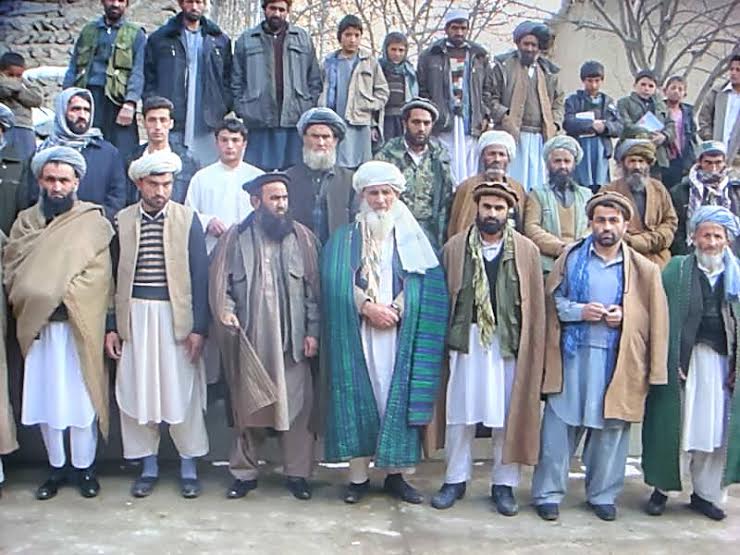
Recognised as an ST in 1991, Bakerwals are distinct in attire. Men often wear turbans or dastaars, setting them apart from others. According to Umer Jan Sofi’s study of Bakerwal social change, their presence also extends to Uttarakhand, Punjab and Himachal Pradesh.
The 2011 Census recorded 1,13,198 Bakerwals in Jammu and Kashmir, around 7.5 per cent of the tribal population. Within them, two main sub-groups are noted: Kunhari Bakerwals, who trace ancestry to the Kunhar valley in Pakistan’s Kagan region, and Illahiwali Bakerwals, who trace roots to Illahiwal, also in Pakistan.
A Politics of Recognition
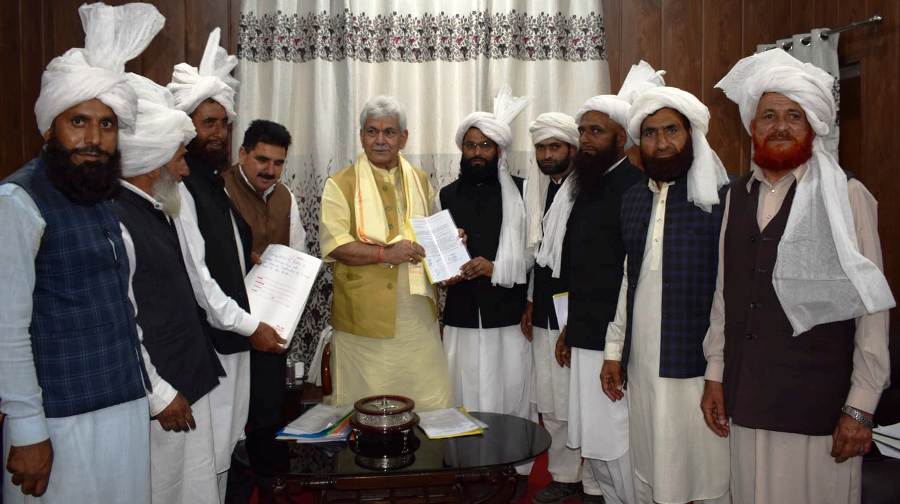
For Gujjars and Bakerwals, recognition as ST in 1991 was a milestone, guaranteeing reservation in education and employment. Their demographic strength, three-fourths of Jammu and Kashmir’s ST population, gave them a strong claim to resources. The Paharis’ recent inclusion, however, reopens anxieties.
Though the government emphasised that Gujjar-Bakerwal quotas remain intact, the debate highlights a deeper contest over identity. For the Gujjars and Bakerwals, tribal status is not merely a matter of benefits but also recognition of their nomadic heritage and historic marginalisation. For Paharis, the new status represents overdue acknowledgement of disadvantage.
The contest is thus not only about numbers but about who qualifies as “tribal” in the politics of Jammu and Kashmir. As the reservation pie expands, the struggle between nomads and newly listed groups underscores how identity, indignity and nationhood continue to collide in this contested region.