by Dr Farooq A Lone
A practical overview of Kashmir’s environmental decline and the simple, everyday actions citizens can take to protect nature.
Many among us believe that environmental degradation is mainly an industrial or global issue and that people living in developing countries are not major contributors to global warming and climate change. However, those born in the 1960s or earlier can well visualise that the Kashmir Valley itself has witnessed significant ecological changes over the last five decades. These changes have occurred gradually and therefore often go unnoticed.
Shrinkage of Water Bodies
The most visible environmental loss has been the decline of lakes and wetlands. Even many springs that were once abundant throughout the valley are gone for good.
Studies indicate that the open-water area of Dal Lake has reduced substantially over the past decades due to encroachments, siltation, urban expansion, and pollution. Its open-water area is supposed to have shrunk by about 25 per cent. Reports also suggest that Dal Lake’s overall area has decreased from about 22 sq km to around 10 sq km.
Hokersar Wetland has lost several square kilometres of area in recent decades, while Wular Lake has also experienced substantial shrinkage. A recent audit by the Comptroller and Auditor General (CAG) reported that nearly half of Jammu and Kashmir’s recorded lakes have either disappeared or significantly degraded since 1967.
Loss of Buffers
Large marshy areas that once acted as natural sponges have been converted into residential colonies, roads, and commercial establishments. Many wetlands and floodplains in the Jhelum basin have been encroached upon or urbanised.
Environmental experts believe that this loss of natural water-retention areas contributed significantly to the devastating floods experienced in recent decades.
Rapid Urbanisation
Srinagar, other towns, and villages of Kashmir have expanded enormously.
Agricultural land, orchards, wetlands, and open spaces have increasingly been converted into housing colonies and commercial areas. Official data cited in various reports indicate that thousands of hectares of agricultural land have been lost due to unplanned urbanisation.
Water Quality
Fifty years ago, streams, springs, and lakes were generally cleaner.
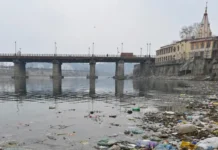
Today, untreated sewage enters many water bodies. Excessive nutrients have led to weed infestation and eutrophication in lakes. Aquatic biodiversity has declined in several wetlands.
Retreat of Glaciers
The glaciers of the Kashmir Himalayas are receding. Scientific studies show significant retreat of glaciers such as Kolhai, Thajwas, and others. Glacier shrinkage threatens future water availability for rivers, agriculture, and drinking water supplies.
Biodiversity Decline
Many species of birds, fish, and wild animals have experienced habitat loss.
Shrinking wetlands have reduced habitat for migratory birds. Changes in forests, grasslands, and water systems are affecting wildlife populations and ecological balance.
Solid Waste Surge
The quantity of waste generated today is many times higher than it was fifty years ago. Plastic bags, disposable packaging, and non-biodegradable materials have become common. Waste disposal systems have struggled to keep pace with growing populations and changing lifestyles.
A Cause for Hope
This history of environmental change should not lead to pessimism. Rather, it should inspire every citizen to become a custodian of the Valley’s natural heritage, ensuring that future generations inherit a cleaner, greener, and more resilient Kashmir.
The least we can do, individually and collectively, can be summarised as follows:
Kashmir is blessed with rivers, streams, springs, and lakes, yet water pollution is increasing. Common residents can help by avoiding the dumping of waste into rivers, streams, and lakes, using water judiciously at home, protecting local springs and traditional water sources, and participating in community clean-up drives around water bodies. Clean water is essential not only for human health but also for agriculture and biodiversity.
Plastic waste has become one of the most visible environmental problems in Kashmir. Practical measures include carrying cloth or jute bags while shopping, avoiding single-use plastic bottles and cups, reusing containers wherever possible, and segregating plastic waste for recycling. Reducing plastic consumption helps keep villages, towns, and tourist destinations clean.
Solid Waste Management (SWM) is a growing concern in urban and rural Kashmir. Residents can contribute by separating biodegradable and non-biodegradable waste, composting kitchen waste for use in gardens, avoiding littering public spaces, and supporting local waste collection and recycling initiatives. Proper waste management reduces pollution and improves public health.
Trees absorb carbon dioxide, improve air quality, and prevent soil erosion. Individuals can make a significant contribution by planting native tree species around homes and farms, protecting existing trees from unnecessary cutting, participating in afforestation programmes, and encouraging schools and community groups to undertake plantation drives. Even a few trees planted and nurtured by each family can make a significant difference.
Since agriculture and horticulture are major occupations in Kashmir, the use of chemical fertilisers and pesticides directly affects the environment. Farmers can protect the ecosystem by following recommended doses of fertilisers, using integrated pest and nutrient management techniques, adopting organic manures wherever feasible, and avoiding indiscriminate spraying of pesticides. Reducing chemical use protects soil health, water quality, and human health.
Kashmir’s lakes, wetlands, and forests are ecological treasures. Citizens can help preserve them by avoiding encroachments on wetlands, reporting illegal dumping or tree felling, discouraging activities that damage natural habitats, and supporting conservation efforts by local authorities and communities. Healthy wetlands and forests act as natural buffers against floods and climate change.
Energy conservation reduces greenhouse gas emissions. Simple actions such as switching off lights and appliances when not in use, using energy-efficient bulbs and appliances, making maximum use of natural daylight, and promoting solar energy where feasible can significantly reduce environmental impact.
Vehicle emissions contribute to air pollution and climate change. Residents can reduce their environmental footprint by walking short distances, using bicycles when possible, sharing vehicles or using public transport, and maintaining vehicles properly to reduce emissions. These measures also improve public health and reduce fuel expenses.
Tourism is a major economic activity in Kashmir. Local communities can contribute by encouraging tourists not to litter, maintaining cleanliness around tourist destinations, promoting eco-friendly tourism practices, and avoiding construction activities that harm natural landscapes. Sustainable tourism ensures that future generations can continue to enjoy Kashmir’s natural beauty.
Kashmir hosts a rich variety of plants and animals. Citizens should avoid disturbing wildlife, help prevent illegal hunting and poaching, protect nesting sites and natural habitats, and encourage the cultivation of native plant species. Biodiversity is essential for maintaining ecological balance.
Environmental protection is most effective when communities work together. Individuals can educate children about environmental responsibility, participate in local awareness campaigns, encourage schools, mosques, and community organisations to discuss environmental issues, and lead by example in adopting eco-friendly practices. Awareness creates a culture of conservation.

Traditional Kashmiri society followed many environmentally sustainable practices, including reusing household materials, conserving water, using locally available resources, and maintaining community forests and grazing lands. Combining traditional wisdom with modern environmental knowledge can provide sustainable solutions.
Conclusion
A common Kashmiri may not directly influence global carbon emissions or international climate policies, but he or she can play a crucial role in protecting the local environment. Conserving water, reducing plastic use, managing waste responsibly, planting trees, minimising chemical inputs in agriculture, protecting forests and wetlands, and promoting environmental awareness are practical actions within everyone’s reach. Environmental protection is not merely a governmental responsibility; it is a collective duty. If every household adopts environmentally responsible practices, Kashmir can preserve its natural heritage and contribute meaningfully to the global effort against environmental degradation and climate change.
(Author is a retired IAS officer who was Chairman of Jammu and Kashmir Public Service Commission. Ideas are personal.)