by Dr Mushtaq Rather
Great teachers are not born; they are made through a long and arduous process that ultimately yields rich rewards.
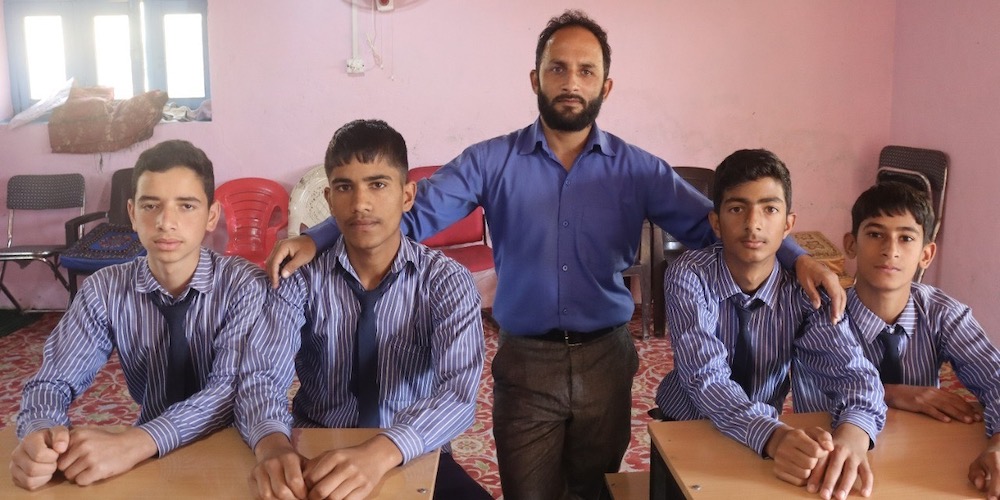
The role of a teacher is no longer confined to the mere transmission of black-and-white information within the four walls of a classroom. The modern educator must embrace a multifaceted role, one that addresses the challenges posed by the 21st century. Teachers hold a central position in shaping the future of their students, guiding them towards the realisation of their innate potential. This progression, smooth and purposeful, is largely attributed to the efforts of dedicated educators.
To prepare today’s learners to navigate the demands of this century effectively, it is the core responsibility of the teacher to cultivate a conducive learning environment. Such an atmosphere fosters the acquisition of essential 21st-century skills: critical thinking, creativity, collaboration, and communication. It is imperative for educators to continually refine their pedagogical skills, ensuring their students remain viable and competitive in an ever-evolving world.
Essential Ingredients of a Good Teacher
In the context of global demands, a teacher’s role is challenging and vital. The educator must ensure that learners are deeply engaged in the activities designed and executed within the classroom. For meaningful teaching and learning to occur, the teacher must employ well-considered strategies to spark interest and cultivate a ‘readiness to learn’ among students.
Once learners are motivated, the teacher’s task becomes more straightforward: to impart the necessary knowledge with the reasonable expectation of achieving desired outcomes. But what truly makes an exceptional teacher? What are the hallmarks of greatness in this noble profession?
Experimenters and Innovators of Pedagogy
Teachers must experiment with their pedagogical tools to make the teaching-learning process both engaging and outcome-oriented. They should embrace risk in their academic endeavours, unafraid to explore diverse methodologies to convey complex concepts. A reluctance to innovate for fear of failure stifles growth. A truly versatile teacher dares to take the road less travelled, undeterred by potential setbacks when designing and implementing innovative teaching strategies.
Mastery Of Technological Tools
A defining characteristic of the 21st-century teacher is a profound understanding of technological tools and their application in the classroom to enhance teaching and learning. To remain effective, educators must familiarise themselves with digital advancements in education and continuously refine their technical skills. As facilitators, they must strike a delicate balance between traditional pedagogical methods and technology-driven approaches.
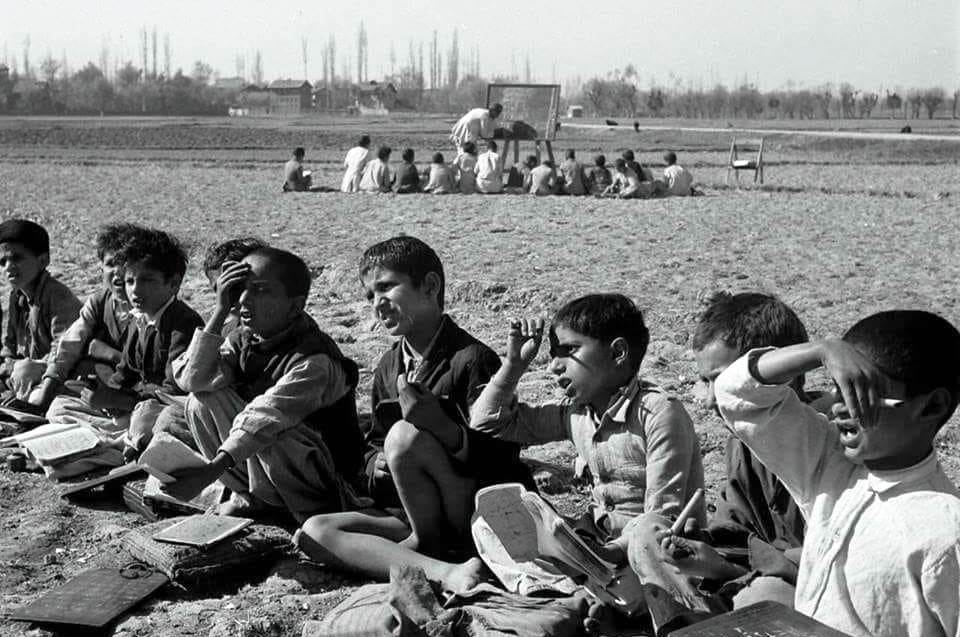
In an era dominated by artificial intelligence (AI), where augmented reality (AR) and virtual reality (VR) are reshaping the educational landscape and setting new standards, teachers cannot rely solely on outdated practices. Instead, they must adapt, creating space for blended or hybrid modes of learning.
Learners as Co-Creators of Knowledge
Teachers must abandon the outdated notion of being the sole authority in the classroom and instead recognise learners as pivotal stakeholders in the teaching-learning process. To remain relevant to modern students, educators must move beyond the traditional ‘chalk and talk’ method, embracing a more inclusive approach. Today’s learners are not empty vessels to be filled with content disconnected from their lives. The National Education Policy (NEP) 2020 and the National Curricular Framework for School Education 2023 (NCFSE 2023) strongly advocate a shift from the behaviourist model of teaching to the constructivist model.
This approach insists on viewing students as co-creators of knowledge rather than passive recipients of information. The teacher’s role, in this context, is to ignite curiosity and foster a conducive environment where learners can construct new knowledge based on their prior understanding. Such an approach is essential for addressing pressing local and global challenges, from climate change and solid waste management to drug abuse, cybersecurity, and financial fraud.
Self-Reflection
Self-reflection is a powerful tool for teachers, enabling them to introspect on their achievements and identify areas for improvement. Versatile educators regularly reflect on their professional and academic practices, asking themselves critical questions: Did my students learn anything today? Could I have done better? Was my pedagogical strategy effective? Did I collect and analyse student feedback thoroughly? Such introspection allows teachers to evaluate their methods and grow as educators. Conversely, a teacher who neglects this practice lacks the momentum to progress and refine their craft.
Socially Well-Connected
A teacher’s acceptability and versatility are deeply rooted in their social commitment. Educators must approach their responsibilities with caution and diligence, safeguarding the fragile ecosystem and reaching out to marginalised communities through education.
They must instil in students a concern for the environment and the underprivileged, inspiring them to engage in transformative outreach activities aimed at creating a more equitable world. Teachers must remember that schools do not exist in isolation; they must forge strong bonds with the community to transform their institutions into vibrant centres of learning.
Repository of Knowledge
The moment a teacher stops learning, they cease to be effective educators. Professional learning is not a singular event but a continuous journey. Teachers must engage in their intellectual growth before they can inspire the same in their students. A modern educator is expected to possess not only a deep understanding of their subject but also a broad familiarity with other disciplines.
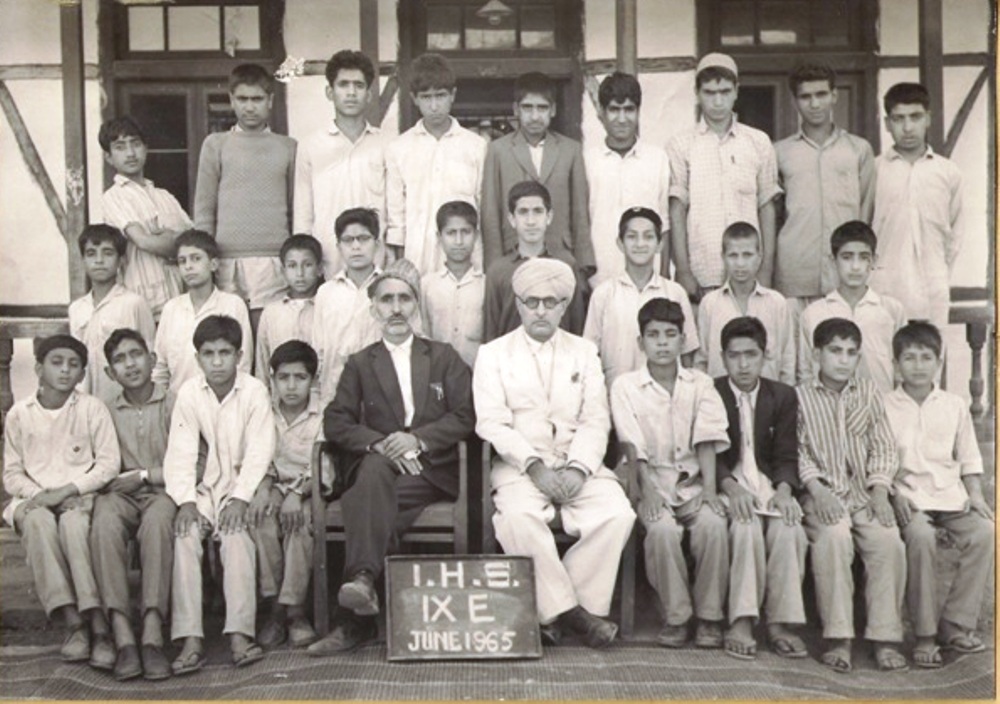
The National Education Policy (NEP) 2020 explicitly rejects the rigid separation of subjects, advocating instead for a multidisciplinary approach. Today’s teachers have no choice but to immerse themselves in diverse literature, evolving into true repositories of knowledge. Great teachers are not born; they are made through a long and arduous process, one that ultimately yields rich rewards. While rooted in their disciplines, educators must remain acutely aware that knowledge is interconnected, embracing inter- and multidisciplinary projects to enrich their teaching.
Case Study and Research-Oriented
A versatile teacher actively involves students in solving real-life complexities through case studies and research problems. Case studies, as a dynamic learning methodology, require students to explore intricate real-world issues and propose viable solutions. When executed authentically, they serve as a powerful tool for learning across various disciplines, bridging the gap between theoretical knowledge and practical application.
This approach fosters an engaging and stimulating educational experience. Furthermore, teachers who seek to address classroom challenges through action research projects should be wholeheartedly encouraged, as this practice enriches both teaching and learning.
(The author is an educator and columnist from Mattan, Anantnag. Ideas are personal.)