by Nazira Maqbool
Through memories, landscapes, culture and conflict, the writer presents Kashmir as a homeland of beauty, resilience, hospitality and aspirations beyond political turmoil.
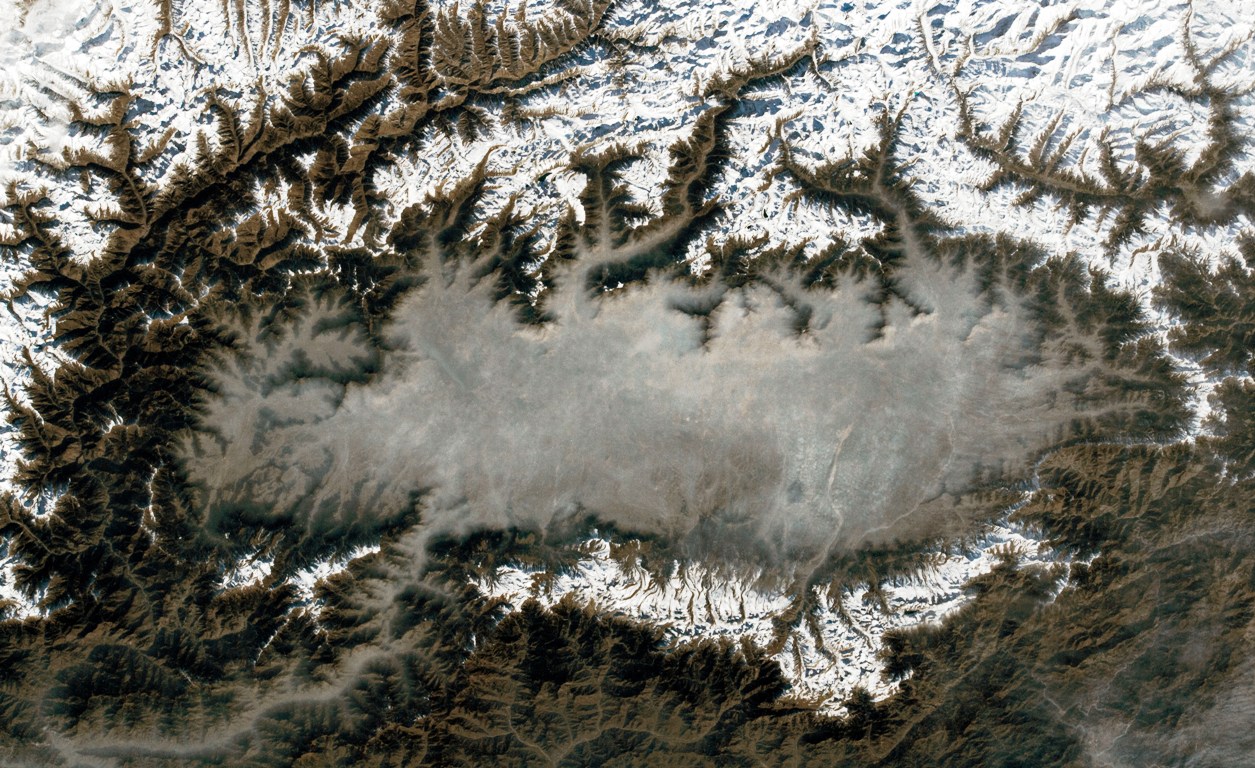
Often regarded as a place where heaven brushes the earth, Kashmir, fondly known as the land of Sufis, rests like a radiant sapphire at India’s northernmost tip. It is more than a geographical location; it is a living narrative where each individual discovers a story of their own. With over sixteen million inhabitants, each offering unique perspectives, Kashmir becomes a mosaic of experiences and emotions. Even its name carries inherent sweetness, evoking lush meadows, vibrant colours, and pristine waters, as though crafted by a master artist. Yet, beyond its breathtaking landscapes, Kashmir’s greatest treasure remains the warmth and compassion of its people.
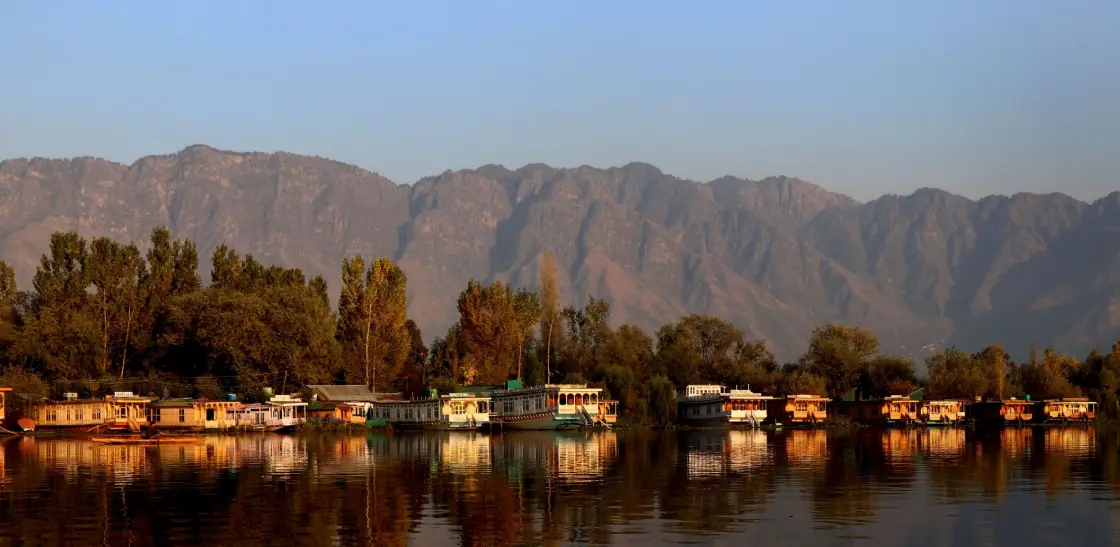
For me, nothing compares to the serenity of sitting by the banks of Dal Lake. In those moments, my soul feels gently lifted, its burdens washed away and filled with profound calm. Shikaras glide gracefully over the water, harmonizing with the lilting melodies of Kashmiri folk songs. The aroma of freshly brewed kehwa, served with saffron grown in Pampore, adds a comforting, soulful touch. Kashmir cannot be confined to mere words, yet I strive to give it voice.

Over the years, I have seen my homeland admired like a beautifully adorned bride, particularly by the Mughal emperors, who left behind timeless gardens where nature gracefully resists the march of technology. From snow-clad mountains reminiscent of Antarctica to lush meadows evoking Switzerland and the frozen waterfall of Drung mirroring Canada’s Niagara Falls, Kashmir showcases nature’s boundless artistry.
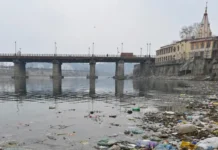
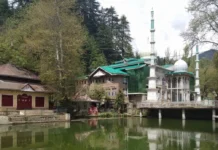
The valley’s crystal-clear waters, emerging from springs like the revered Chashma Shahi, remain as pure and life-giving as its people. Growing up, I never understood the concept of “potable water,” for every stream, spring and rivulet offered purity in abundance. From the milk-white waters of Pahalgam to the deep blue of Nilnag and the serene green of Verinag, Kashmir provides life at every step.
Kashmir’s climate further symbolises contentment and serenity. Spring arrives with almond, apple and cherry blossoms, accompanied by a gentle breeze. Mild summers nurture flourishing forests, while autumn casts a golden canopy over the valley. Winter transforms Kashmir into a wonderland, blanketing the land in snow and creating a backdrop befitting a bride. Winter represents profound peace: footsteps fall silently, laughter echoes through slips and falls, and each sigh creates a delicate mist, enhancing the valley’s ethereal charm.
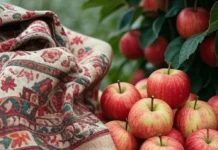
Kashmiri culture leaves an indelible mark. The rhythmic sound of a stone and wooden beater, mixing meat to the traditional song wanwun, has been a familiar melody since childhood. The dastarkhwan, a traditional dining spread, brings families together, while folk dances with fluttering pherans resemble colourful peacocks celebrating in the rain. Kashmiri craftsmanship is unparalleled: walnut wood artisans carve exquisite furniture, carpet weavers create intricate designs, women craft jewellery with simple needles, and local artisans fashion footwear from dried straw. Even the humble kangri, a portable fire pot, exemplifies the beauty of simple yet indispensable creations.
Kashmir’s history is rich, layered, and complex, shaped by empires, cultural shifts, and persistent conflict. From my experiences and the stories shared by elders, I often feel Kashmir is like a rope in an unending tug-of-war among powerful nations. Beautiful places attract both admiration and danger. I have witnessed leaders, elected by the people, serve their own interests while the masses suffer.
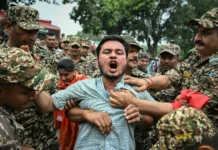
In some streets, a PhD scholar sells groceries outside the home of a politician, while unemployment peaks across communities. Yet, despite adversities, what shines brightest is the resilience of its people. Students endure curfews and disrupted networks yet achieve remarkable accomplishments. Mothers, whose only candle was extinguished by conflict, now sell bulbs in the marketplace. Border communities rebuild homes repeatedly, refusing to surrender their spirit. Like grass trampled in a bullfight, Kashmir persists—like an eagle weathering the harshest storms and emerging stronger.
Even tourists are not spared from this turmoil. I remember a couple arriving to celebrate their honeymoon, only to be caught in violence—a heartbreaking reminder that no one escapes the impact of conflict.
Amid these two faces of Kashmir-one leaving an ache in my heart, the other offering healing-I often question the world: why must I carry identity proof even at home? Am I a dream destination or a place feared by all? Should Kashmir be secured, or are outsiders unsafe? What has driven some of my people to despair and addiction?
As a true Kashmiri, I see myself as the sky that shades everyone equally, offering no shelter to one religion over another, embracing all at a holistic level. My heart aches for the Kashmiri Pandits who left their homes. I am a palace with doors open to all, a lap that nourishes guests, and a land known for hospitality, truthfulness, and safety. I am not a terrorist; I am the real Kashmir. I aspire to become a doctor, an engineer, a leader with innovative ideas. I seek employment, recognition as a decision-maker, and the opportunity to contribute meaningfully. I dream of being a beacon of imagination, not of conflict.
In essence, Kashmir represents a piece of heaven, where every aspect, including its its landscapes, people, and traditions reflects beauty. Nature here leaves no flaw; everything is perfect, pure, and authentic. Our culture, attire, language, and customs embody modesty and dignity. Kashmiris are survivors, gems forged in adversity. For a moment, let political legacies step aside, allowing the real Kashmir to emerge.
Let young innovators share their opinions, let entrepreneurs address economic challenges, and let fresh ideas flourish in companies led by scholars and skilled professionals. Much of the negativity stems from giving one’s best efforts without recognition. If talented youth—artists, PhD scholars, and skilled individuals—are given the positions they deserve, they will channel their energy toward growth, secure their futures, and freely express their ideas. This would reduce drug abuse and negativity, ensuring Kashmir is celebrated not only for its natural beauty but also for the spirit and resilience of its people.
(The writer is a BA (Economics) student from Cluster University, Srinagar. Ideas are personal.)