Drawn by better returns, people living on water-scarce hillsides in Jammu and Kashmir are replacing labour-intensive maize with the relatively low-maintenance lavender. The shift has taken root, but with annual production still around 3,000 litres and turnover barely Rs 10 crore, it may be too early to call it the “purple revolution” as officials claim is underway, reports Asrar Sayeed
In his early 40s’, Bhaderwah’s Touqeer Bhagwan began cultivating lavender in 2017. His journey was fraught with challenges, yet the vision of building an enterprise centred on essential oils and lavender-derived products kept him grounded.
“In 2017, I realised that in the coming years or maybe decades, lavender farming would hold immense potential,” Bhagwan said. “My family shared this belief, which prompted me to dive deep into learning about the business. I conducted in-depth research before laying out my first lavender farm.”
Across Jammu and Kashmir, stories similar to Bhagwan’s are emerging, marking a structural shift in the regional agrarian economy. A crop that was once an experimental novelty has rapidly transformed into what many native growers describe as the future crop of the region.
Aroma Mission
The foundation for this agricultural shift was laid in the mid-2000s under the Central Government’s Aroma Mission, led by the Jammu-based Council of Scientific and Industrial Research-run Indian Institute of Integrative Medicine (CSIR-IIIM). What began as a modest trial has expanded into extensive fields spanning districts in Kashmir as well as Jammu. Currently, its cultivation has taken root in Pulwama, Budgam, and Anantnag (Kashmir), and Doda, Udhampur, and Ramban (Jammu).
India ranks eighth globally in biodiversity and is widely recognised for its rich reservoir of medicinally significant plant species. World Health Organisation (WHO) estimation indicates that India’s domestic and global demand for medicinal plants will surge from the current Rs 1,16,200 crore ($14 billion) per year to Rs 41,50,000 crore ($5 trillion) by 2050. Concurrently, the market for lavender oil in India is expanding at a compound annual growth rate (CAGR) of 5.5 per cent, with total trade expected to reach Rs 8,300 crore ($1 billion) annually. Despite having a rich biodiversity, Jammu and Kashmir does not rank among the top 10 Indian states in MAP cultivation and sale.
Crop Shifting
Jammu and Kashmir is a traditional agrarian-dominated economy and has been experimenting with crops for ages. In the last 30 years, it has shifted from essential paddy cultivation to apple orchards. In areas that have irrigation issues, people continue to have maize, almonds and walnuts. Now, they have got a choice as lavender thrives in water-scarce belts.
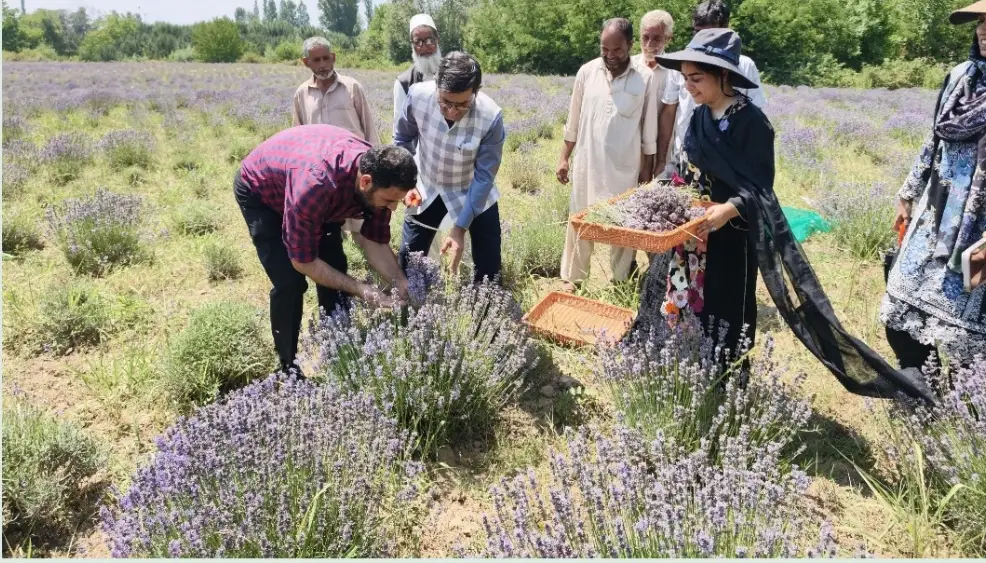
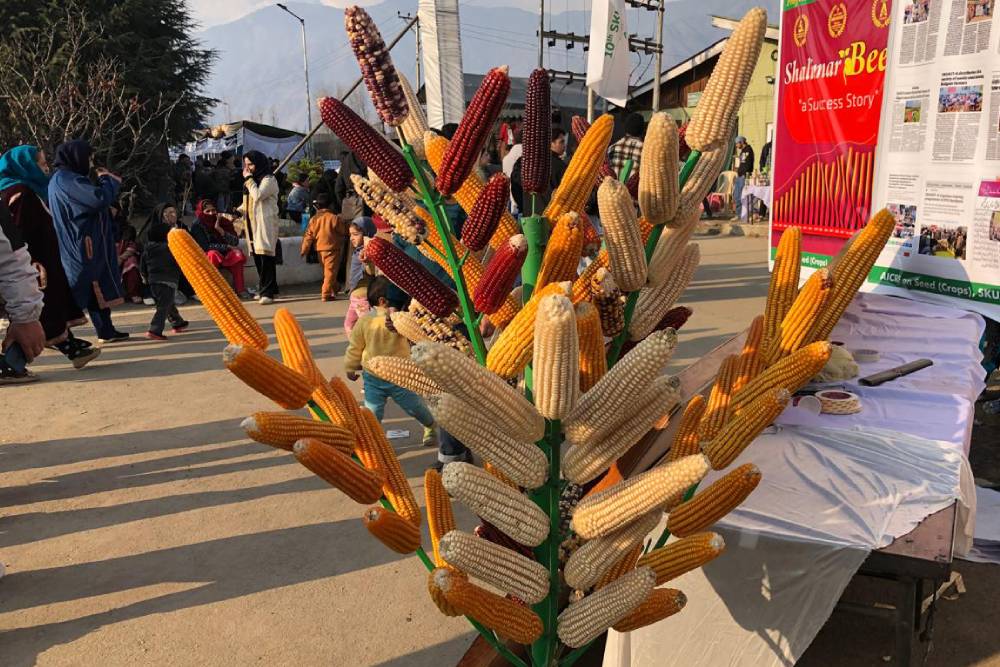
Maize is sown every spring and requires labour-intensive hoeing and later a chain of processes during harvest. Lavender, a perennial shrub, thrives on the same land, requires just one or two irrigations a year, is naturally resistant to many pests, and can continue flowering for nearly two decades after planting. Harvesting lavender is an intensely fragrant affair.
Lavender appears to have entered Indian scientific cultivation earlier, with a 1957 paper documenting work on exotic aromatic plants in Jammu and Kashmir. But CSIR’s institutional history identifies the decisive introduction of lavender to Kashmir with Dr Akhtar Hussain in the 1970s, when planting material was brought from Bulgaria and established at field stations in Pulwama and Manasbal. CSIR-IIIM separately dates the successful commercial cultivation of lavender in Kashmir to 1983.
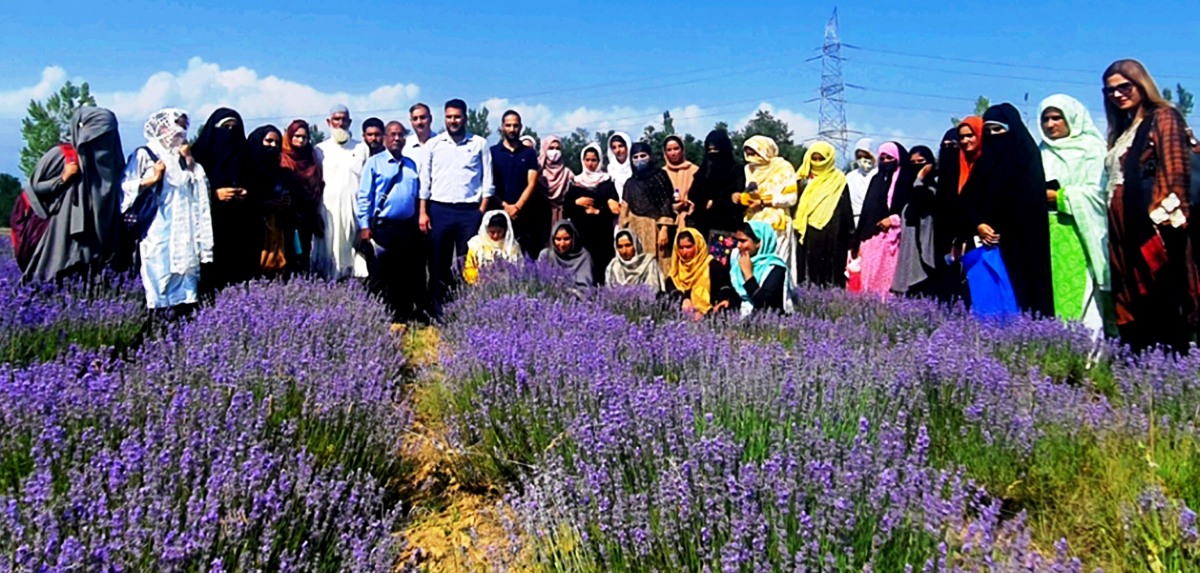
Officials believe that around 1200 acres of land across Jammu and Kashmir are dedicated to lavender farming. The oil crop has generated incomes in areas where traditional agriculture faces severe stress due to shifting climate patterns, acute water scarcity, and poor soil chemistry.
Good Returns
Madiha Talat, a 28-year-old entrepreneur who runs an established lavender enterprise, described her early operational phase as exhausting and seemingly impossible. “I was initially drawn to establishing a lavender-based business after watching how people in several European countries had achieved remarkable results,” Talat said. “Their well-established companies generated generational employment and steady profits. That was when I realised the crop had huge potential to become a major mainstay in Jammu and Kashmir.”
The economic returns driving farmers away from corn plantation to lavender are stark. Under traditional maize cultivation, net annual farm income hovered between Rs 40,000 and Rs 60,000 per hectare. Transitioning to lavender has elevated net farm returns to between Rs 3,50,000 and Rs 6,00,000 per hectare.
In terms of raw output, growers in the Bhaderwah (Doda) belts alone produced over 3,100 litres of lavender essential oil over four years. With premium-grade lavender oil fetching up to Rs 12,000 per litre in commercial markets, the total revenue generated by the region is around Rs 3.70 crore. Officials estimate that almost 3100 farmers are cultivating lavender and producing almost 3000 litres of the fragrant medicinal oil a year, and the turnover has crossed Rs 10 crore.
On the global stage, European nations have historically dominated the Lavender oil sector, with Bulgaria and France remaining the largest producers. Collectively, Europe controls almost one-third of the world’s lavender oil production.
CSIR-IIIM Director, Dr Zabeer Ahmed, believes Jammu and Kashmir holds the natural assets required to capture a larger market share. “The best thing we have realised through the Aroma Mission is that the quality of lavender oil produced in Jammu and Kashmir is superior compared to other parts of the country,” Ahmed said. “This is primarily because the unique soil conditions and temperate climate of the region support the crop most optimally.”
Government Support
To encourage widespread adoption, CSIR-IIIM Jammu has provided lavender planting material free of cost to thousands of growers under the Aroma Mission. The institute has instituted a circular buy-back system to support nursery development. It has also created a germplasm bank for the plant.
“What we basically do is, when a farmer raises a nursery and does not wish to proceed further into field cultivation, we purchase the nursery stock from him and distribute it free of cost to other growers,” Dr Ahmed explained. “We pay between Rs 2.30 and Rs 2.50 per sapling to compensate the nursery growers. Last year alone, we purchased Quality Plant Material (QPM) worth approximately Rs 60 lakh directly from local farmers.”
This institutional support system has enabled individual enterprises to scale up operations. Talat’s business now employs six full-time workers and handles an expanded product portfolio. “During the initial stage, managing operations was very difficult and required immense manual labour,” Talat recalled. “However, with time, the sustained hard work poured in by my team yielded strong financial returns. We initially launched with a few basic items, but our catalogue has now grown to 15 distinct products. Beyond domestic shipping across India, we have started fulfilling international orders.”
Bhagwan also admitted that lavender farming yields returns nearly ten times higher than conventional field crops. “I manufacture a range of products, including essential oils, therapeutic balms, and hair oils,” Bhagwan said. “Demand for these items has grown steadily over the past few years, building a broad consumer base across the country. The potential in lavender farming is immense, and I am confident that over the next few years, it will emerge as a central driver of farm incomes and rural employment.”
Almost 200 farmers have opted for a pilot project with CSIR-IIIM and brought their beehive colonies to the Boonera farm. The result was startling as the Lavender honey emerged as an impressive by-product that values around Rs 6000 per kilogram in the global market. In the first pilot study, about 120 kg were scientifically authenticated as mono-floral lavender honey, with more than 61 per cent of its pollen traced to lavender. A subsequent DNA barcoding and chemical profiling confirmed its botanical origin.
Standardisation Needs
As interest spreads across districts like Anantnag, Budgam, Ganderbal, and Pulwama, small landholders are developing farms ranging from 10 to 15 kanals. However, overall yield and revenue distribution remain uneven due to gaps in technical knowledge and processing facilities.
“Lavender can be a massive income generator for farmers across Jammu and Kashmir, but knowledge levels are currently inconsistent,” noted a senior official from CSIR-Jammu. “For instance, some farmers produce a grade of lavender oil that sells for Rs 4,000 per litre, while others produce a refined quality that commands Rs 7,000 per litre. Targeted government intervention is necessary to standardise extraction processes and bring all growers to a uniform, high-value benchmark.”
Agri Tourism
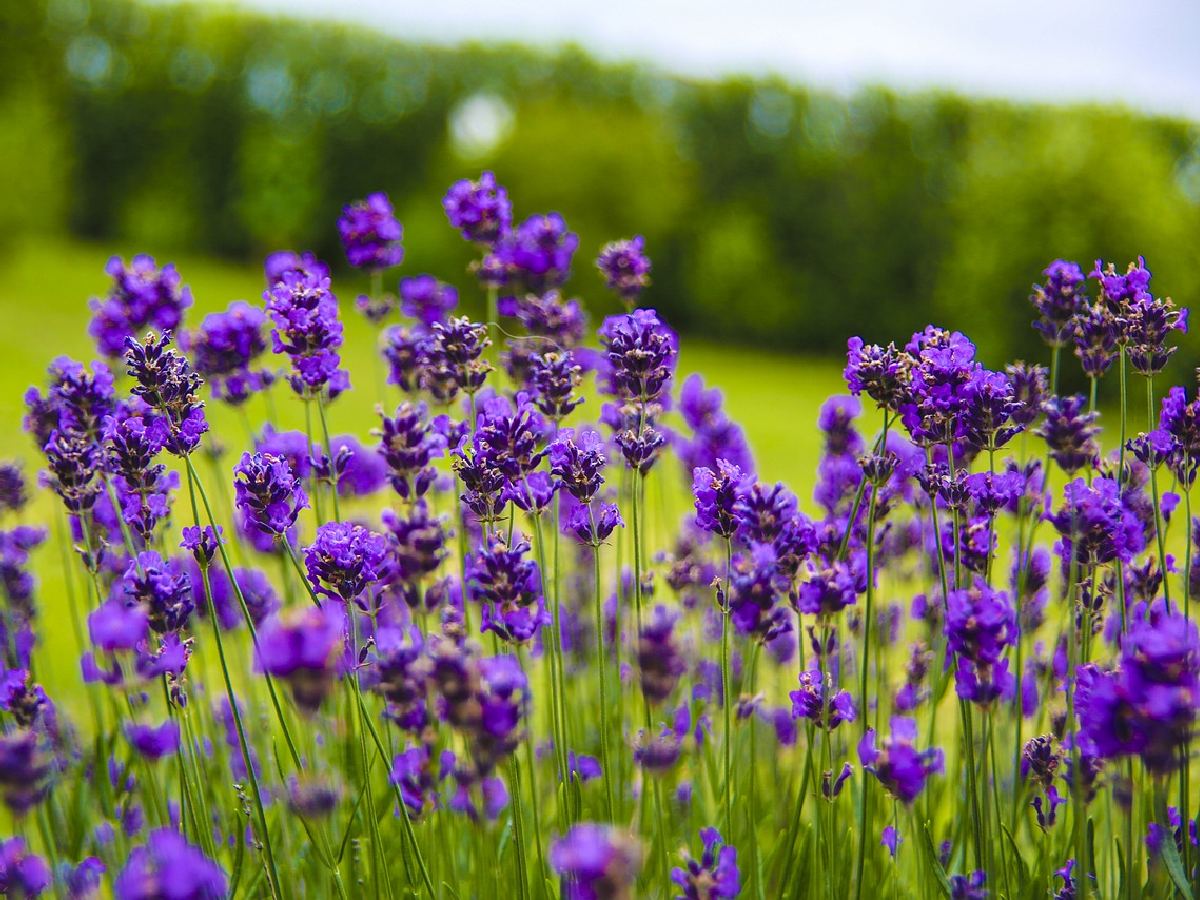
Beyond crop harvesting and essential oil extraction, the administration is actively leveraging lavender cultivation to expand the regional agri-tourism portfolio. Specialised lavender parks have been established across strategic locations, featuring manicured fields that bloom into vibrant purple landscapes during the peak summer season.
A prime example is the newly developed park at Nunar in Ganderbal district. Designed as an agri-tourism and floriculture hub under the Jammu and Kashmir Lavender Mission, the facility integrates commercial cultivation with demonstration plots aimed at showcasing medicinal and aromatic plants. The visual spectacle of blooming lavender set against high-altitude landscapes has turned the park into a major stopover for domestic and international travellers.
Saroj Kumar, a tourist visiting from Rajasthan, described his encounter with the site while driving to Sonmarg. “It was my first time seeing an actual lavender field,” Kumar said. “My family and I immediately pulled over to explore it. The park offers panoramic views from a central watch house positioned directly within the structured rows of lavender, framing the surrounding mountains perfectly.”
Park officials emphasise that the appeal extends beyond pure visual aesthetics. “Apart from being visually mesmerising, lavender fields create an inherently tranquil environment,” an official stationed at the site noted. “The aromatic profile of the blooming fields has a calming effect on visitors, which complements the natural landscape of Jammu and Kashmir.”
Sectoral Challenges
Despite the economic momentum, structural hurdles remain before lavender can achieve equal footing with traditional agricultural commodities. To date, approximately 5,000 farmers have been directly integrated into lavender cultivation across Jammu and Kashmir, with thousands more benefiting indirectly through nursery management, post-harvest processing, value-addition, and retail marketing. For small and marginal landholders, the crop has proven to be an alternative to low-yielding traditional cropping systems.
However, pioneers like Bhagwan and Talat emphasise that institutional support must scale up alongside farmer adoption. They advocate for expanded infrastructure, organised market linkages, and streamlined processing facilities to prevent new entrants from facing the logistical bottlenecks that characterised the early years of the transition.
In response, CSIR-Jammu continues to expand its outreach strategy. Beyond free distribution of Quality Plant Material, the institute regularly organises technical workshops, field demonstrations, and public lavender festivals. It has already installed 55 distillation units for growers. Through these sustained efforts, lavender is steadily replacing maize, and the high-altitude growers are getting a better income crop.