by Sadia Raashid
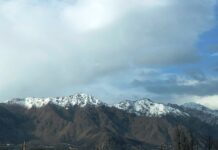
During Chillai Kalan, temperatures plummet below freezing, lakes and rivers such as the iconic Dal Lake freeze, icicles form, water pipes seize, and the entire valley is blanketed in snow.
In the heart of Kashmir, where the valley narrates tales of resilience and beauty, winter arrives with its most formidable face: Chillai Kalan. A well-known ancient Kashmiri saying, ‘wand tchali, lol vadith’ —winters depart, but the longing remains—encapsulates the bittersweet relationship between the people of Kashmir and this profound season. Chillai Kalan, though harsh, leaves behind cherished memories of warmth, familial bonds, and cultural traditions. While the biting cold freezes rivers and blankets the valley in snow, it also stirs a deep connection to home, heart, and heritage.
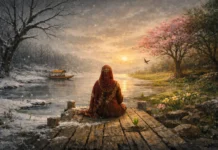
Chillai Kalan is a tale of contrasts—where the icy grip of the frozen valley meets the enduring warmth of the human spirit. It is a time when the valley, cloaked in pristine white, transforms into a canvas of hardship and hope, reminding us that even in the harshest winters, beauty and belonging can flourish. This 40-day reign of frost and silence is more than a season; it is the essence of Kashmiri winter. It is a period when nature reduces life to its bare essentials, inviting the soul to seek warmth from within.
In Kashmir, winter is more than a picturesque season; it is a three-part narrative penned by nature itself, a journey through cold, persistent frosts, and fogs, culminating in the first signs of spring. The story unfolds in three distinct phases: Chillai Kalan, the severe cold; Chillai Khurd, the little cold; and Chillai Bacha, the baby cold. Each phase carries its rhythm and temperament, weaving together tales of survival, beauty, hope, and transformation. Together, these phases define the unique relationship between the resilience of Kashmir’s people and the unforgiving yet nurturing embrace of winter.
Chillai Kalan, 40 days of harsh winter, casts its spell, transforming everyday life into an experience of extremes. It is said to begin on the night of 20th December, officially starting on 21st December and lasting until 31st January. This is the most severe and celebrated phase of winter. During Chillai Kalan, temperatures plummet below freezing, lakes and rivers such as the iconic Dal Lake freeze, icicles form, water pipes seize, and the entire valley is blanketed in snow. Chillai Kalan is followed by Chillai Khurd, the small cold, which spans 20 days from 1st February to 20th February. The final phase, Chillai Bacha, the baby cold, lasts for 10 days, from 21st February to 2nd March, marking the gradual transition towards spring.
The shift in climate becomes unmistakably evident as the sun grows warmer and the snow begins to melt. With the arrival of Chillai Kalan, life slows down, yet the spirit and beauty of Kashmir and its people shine even brighter. This phase encapsulates tradition and togetherness in equal measure.
In Kashmir, the kangri, a traditional earthen firepot, becomes an indispensable companion, alongside the pheran, a long woollen gown worn by both men and women. These elements reflect the
elegance and simplicity of Kashmiri culture. Notably, the first day of Chillai Kalan is celebrated as World Pheran Day. The season would feel incomplete without harissa, a rich meat delicacy that serves as the ultimate comfort food for Kashmiris during the winter months.

Chillai Kalan, a Persian term, translates literally to “major cold.” Intriguingly, in Persian tradition, the night of 21st December is celebrated as Shab-e-Yalda, or the Night of Birth, also known as Shab-e-Chelleh. Among Azerbaijanis, it is referred to asChillaGejasi, marking the beginning of the first 40 days of winter. This Iranian concept of Chillai Kalan remains alive in Kashmir, where it was originally known as shisher maas in the Kashmiri language.
Over time, however, the intensity of Chillai Kalan has softened, and with it, the essence of Kashmir’s winter soul has begun to fade. The crackling warmth of kangris, the slow-cooked harissa, and the shared stories around glowing hearths are increasingly becoming memories, replaced by modern convenience and individualism. While progress is inevitable, it must not eclipse the heritage that defines the valley. To preserve the soul of Chillai Kalan, Kashmir must strike a delicate balance—embracing modernity while safeguarding the traditions that anchor its people to their land and history.
(The author is a recent graduate from Government Degree College, Anantnag – an emerging writer, passionate about shedding light on meaningful topics through compelling storytelling. Ideas are personal.)