by Dr Farooq A. Lone
Kashmir’s obsession with social approval is driving extravagant weddings, wasteful spending, debt and anxiety. The article urges families to embrace simplicity, preserve traditions and prioritise dignity over display.
We hear some sentences so often that we stop noticing their power.
“Lukh kya wanun?”
“Log kya kahenge?”
What will people say?
These are perhaps some of the most powerful and most expensive questions in our social life. They have influenced our marriages, our clothes, our homes, our children’s education, our cars, our celebrations and even the way we conduct our mourning. This concern has quietly entered our household budgets and, in many cases, our minds. We may not realise it, but a considerable part of our lives is sometimes organised around an invisible audience.
What will the relatives say?
What will the neighbours say?
What will the community say?
What will people think of us?
And so we spend. Sometimes we spend money we do not have. Sometimes we borrow. Sometimes we sacrifice savings meant for more important purposes. Sometimes we waste food, resources and precious time. All because we are afraid of what people might say.
Wedding a Performance?
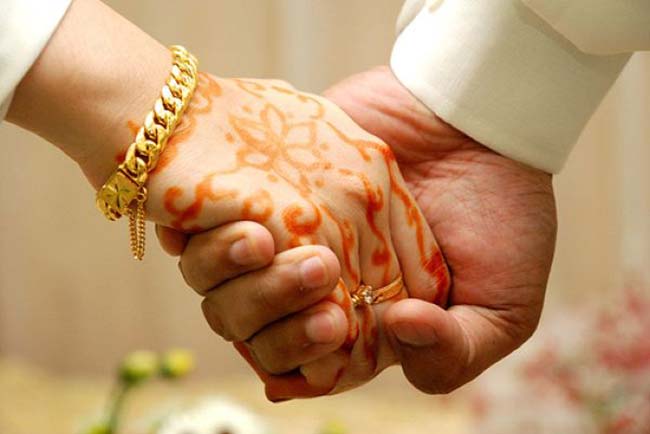
A Kashmiri wedding was once primarily a social and family occasion, a time when relatives gathered, neighbours participated and people shared in the happiness of the families involved.
Today, weddings have increasingly become occasions for display and comparison.
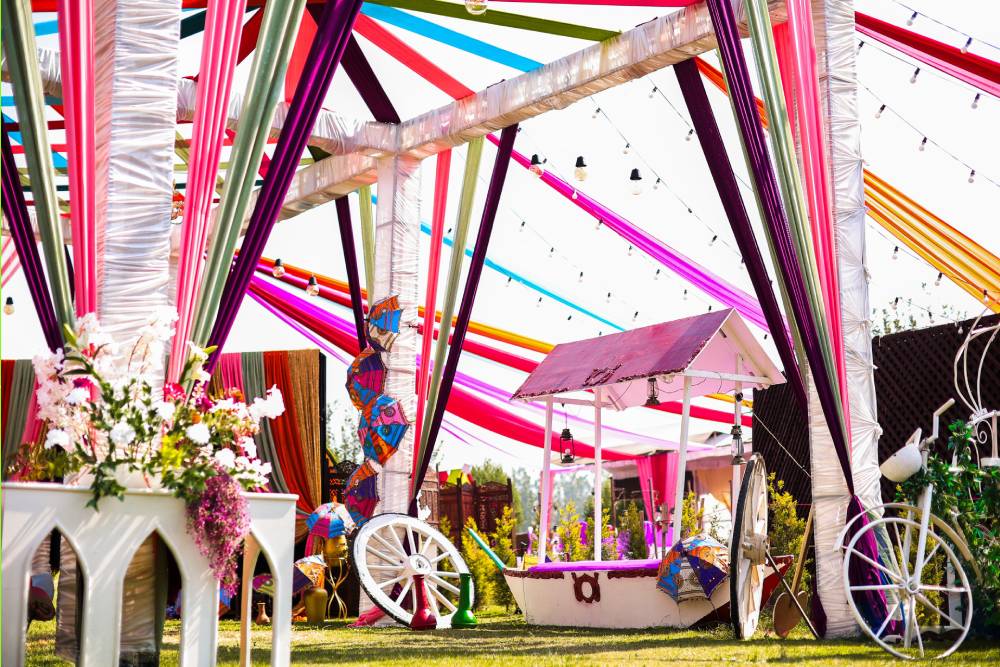
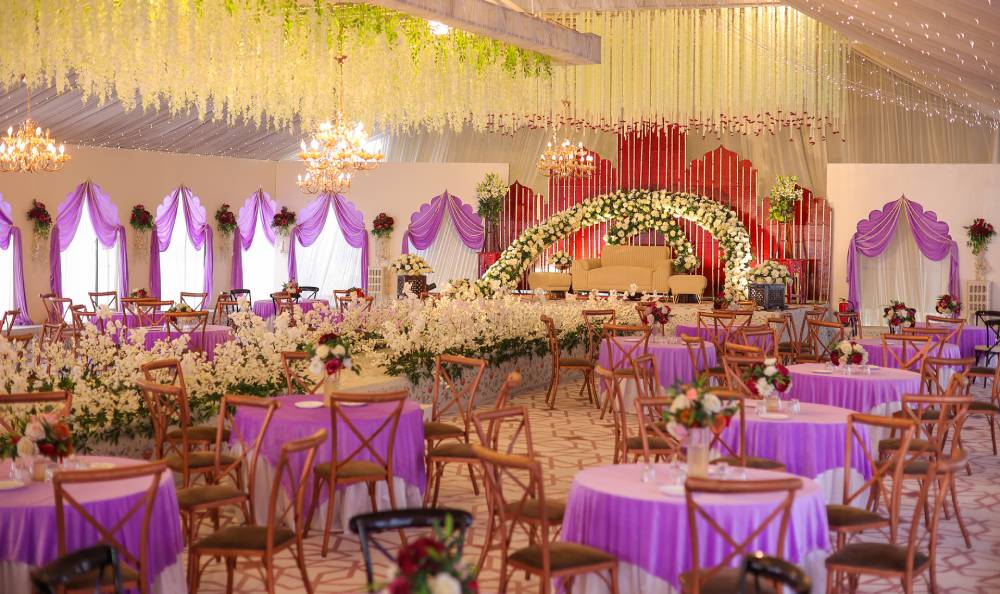
The number of functions grows. The guest lists expand. The clothes become more elaborate. Jewellery becomes a statement. Venues become increasingly expensive. Photography and videography become elaborate productions. Food menus become longer. Decorations become grander. And social media ensures that the entire spectacle can be displayed to a much larger audience.
The wedding is no longer experienced only by those who attend it. It is photographed, recorded, edited and displayed for hundreds or thousands of people who were never there. The celebration becomes, in part, a performance for an audience.
And once weddings become performances, competition is inevitable. Someone will always have a more expensive dress. Someone will organise a bigger function. Someone will serve more dishes. Someone will arrive in a more expensive car.
And another family, watching all this, begins to wonder: “If they can do it, why can’t we?”
The question quietly becomes: “What will people say if we don’t?”
And the cycle continues.
Borrowed Prestige
Perhaps the most disturbing part is that families with modest incomes sometimes feel the greatest pressure. The wealthy can afford extravagance. The middle class tries to keep pace with the wealthy. And families with limited resources may feel compelled to imitate both.
This can produce a peculiar form of social economics: we spend according to the income of others rather than according to our own means.
A family may have carefully saved for years. That money could have supported higher education, helped establish a business, improved the family home, provided medical security or simply created a financial cushion. But a significant portion of it may disappear in a few days of celebration.
And when the lights are switched off and the guests have gone home, the family is left with the bills. The applause is temporary. The financial consequences are not.
Hospitality to Waste
Food deserves particular attention. Kashmir has a proud tradition of hospitality. Feeding guests generously is part of our culture, and there is no reason to abandon that beautiful tradition.
But generosity is not measured by the quantity of food thrown away. There is a point at which abundance becomes waste.
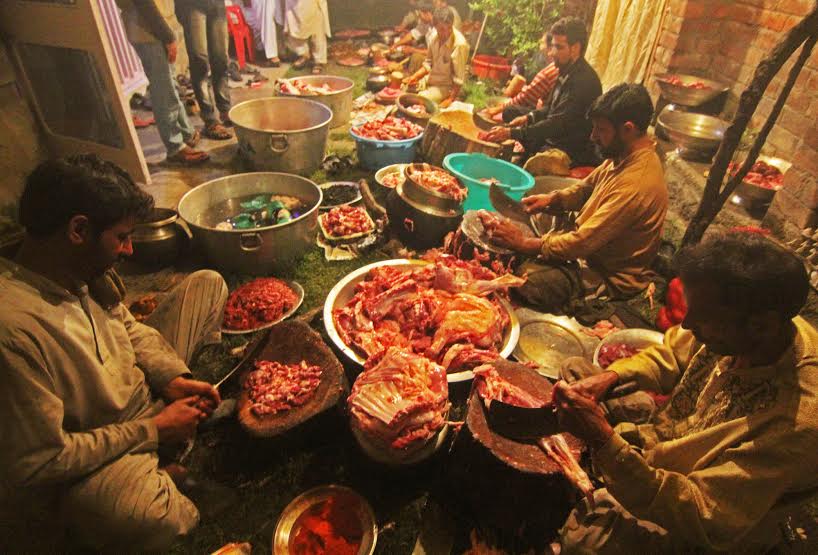
At some gatherings, enormous quantities of food are prepared because the hosts fear that there may not be enough. The result can be a paradox: we demonstrate our generosity by preparing more food than people can consume.
Food that required farmers to cultivate crops, workers to produce and transport ingredients, families to spend money and cooks to labour for hours may end up as waste in a stream after a few hours.
There is something profoundly disturbing about this. A society cannot claim to value food while treating excessive waste as a symbol of hospitality.
Consumerism Is In
The syndrome does not end with weddings.
It has entered our homes. A house is increasingly expected to demonstrate status. Furniture must look impressive. Appliances must be upgraded. Phones must be replaced. Cars must be newer. Clothes must keep changing. Children must possess what their friends possess.
The logic is simple: if others have it, we should have it too. And if we cannot afford it, credit and borrowing make imitation possible.
Consumerism has therefore changed the meaning of aspiration.
Earlier, aspiration often meant: “How can I improve my life?”
Increasingly, it can mean: “How can I look successful to others?”
These are not the same thing.
Social Media Impact
The old “neighbourhood audience” has now become a digital audience. Earlier, perhaps a few neighbours and relatives knew what happened at a wedding. Today, photographs can reach hundreds of people within minutes.
A carefully staged photograph can create an impression of a life that may have little connection with the financial reality behind it. Social media has made comparison continuous.
We see someone else’s wedding.
Someone else’s holiday.
Someone else’s house.
Someone else’s clothes.
Someone else’s car.
Someone else’s apparent success.
We rarely see the loans, sacrifices, family tensions or financial pressures behind the photograph. We compare our real life with somebody else’s edited life. That is a dangerous comparison.
Paying a Price
Young Kashmiris are increasingly caught between tradition and modernity.
They are educated. They are exposed to the world. They understand the value of financial independence.
Many would perhaps prefer a simpler beginning to married life.
But social expectations can be powerful.
A young couple may want a modest wedding, yet parents may worry: “What will our relatives say?”
A young person may want to save money for a home, but family expectations demand an elaborate celebration.
A daughter or son may feel uncomfortable with excessive expenditure but hesitate to speak because the wedding has become a matter of family prestige.
Thus, the very people who will have to live with the consequences may have the least influence over the expenditure.
Psychological Cost
There is another cost that cannot be calculated in rupees. That is what we call “anxiety”.
The fear of judgement can become a form of psychological imprisonment. People begin to monitor themselves constantly:
Am I dressed well enough?
Is my house good enough?
Is my child’s achievement good enough?
Is my wedding good enough?
Is my lifestyle good enough?
And the answer is never permanently “yes”. Because there will always be somebody who has more.
The result is a society in which abundance does not necessarily produce contentment. We can have more and still feel that we have less.
We have confused dignity with display. This is perhaps the central problem.
There is nothing undignified about simplicity.
There is nothing shameful about living within one’s means. There is no loss of honour in having a modest wedding. There is no humiliation in serving fewer dishes.
There is no failure in wearing a reasonably priced dress. There is no disgrace in driving an ordinary car or using public transport.
But somehow, we have allowed ourselves to believe otherwise. We have begun to equate display with dignity.
That is a dangerous social mistake.
True dignity lies in being able to say: “This is what we can comfortably afford, and we are happy with it.”
Cultural Correction
The answer is not to reject our traditions.
Kashmir’s traditions of hospitality, family bonding and community participation are precious. The answer is to distinguish between tradition and excess.
We can have beautiful weddings without extravagance. We can feed guests generously without wasting food. We can dress elegantly without competing over price. We can celebrate without borrowing beyond our means. We can honour our guests without turning the occasion into a demonstration of wealth.
We can preserve the warmth of our culture while rejecting the pressure of social comparison.
Log Kya Kahenge?
The first step is individual courage.
Somebody has to be the first.
The first family to say: “We will have a simple wedding.”
The first parent to say: “We will not go into debt to impress relatives.”
The first host to say: “We will prepare sufficient food, not excessive food.”
The first young couple to say: “We would rather begin our married life financially secure than socially impressive.”
Once a few families do this, others will find it easier. Social norms are not permanent. They are created by society, and society can change them.
Let Us Change What We Admire
Perhaps the greatest change required is not in expenditure but in social admiration. Instead of admiring the most expensive wedding, let us admire the most thoughtful one.
Instead of praising the largest feast, let us praise the celebration that produced little waste.
Instead of admiring the most elaborate display, let us admire the family that managed its resources wisely.
Instead of asking how much was spent, let us ask whether the young couple began their life with dignity and security.
Let us celebrate parents who invest in education.
Let us celebrate young people who create businesses.
Let us celebrate families who help someone in need.
Let us celebrate those who plant trees, protect water, support a child’s education or contribute to their community.
These are forms of wealth that do not disappear when the wedding lights are switched off.
A Different Question
Perhaps the time has come to replace one question with another. Instead of asking, “Log kya kahenge?” let us ask, “What is right for us?”
Instead of asking, “What will people think?” ask, “Can we afford this without compromising our future?”
Instead of asking, “Will people consider us successful?” ask, “Will this decision make our family happier and more secure?”
And instead of asking, “How impressive will this look?” ask, “How meaningful will this be?”
These are healthier questions.
Do Not Stop Celebrating
Kashmir should never stop celebrating. Our weddings should remain joyous.
Our homes should remain welcoming. Our hospitality should remain generous.
Our traditions should remain alive.
But celebration does not require extravagance. A beautiful wedding does not have to be an expensive wedding. A generous host does not have to be a wasteful host. A prosperous family does not have to display its prosperity. And a modest family should never be made to feel inferior.
Perhaps this is the cultural change we need most: to make simplicity respectable again.
The Courage to Let People Talk
Ultimately, people will talk.
If you spend, some will say you spent too much. If you don’t spend, some will say you could have done more. If your wedding is grand, someone will compare it with another. If it is simple, someone will still have an opinion.
There is no way to silence everyone. So why sacrifice your peace trying to satisfy everyone?
Let people talk. They will talk today and move on tomorrow.
But you and your family will live with the consequences of your decisions.
The borrowed money will not disappear because the guests have gone. The wasted food will not become useful because someone praised the feast. The unnecessary expenditure will not become an investment simply because it looked impressive in photographs.
And the anxiety of living beyond one’s means will not be erased by social applause.
Perhaps we need to rediscover a very old Kashmiri wisdom: cutting one’s coat according to the cloth.
Live with dignity, but within your means. Celebrate with joy, but without waste. Respect society, but do not become its prisoner.
Because, at the end of the day, people do not live our lives. We do.
And perhaps the most liberating response to “Lukh kya wanun?” or “Log kya kahenge?” is not anger, rebellion or indifference.
It is simply: “Let them say what they say. We have chosen a life we can afford, a celebration we can enjoy, and a future we can live with.”
That is not a rejection of society. It is a recovery of self-respect.
(An IAS officer, the author retired as Chairman, Jammu and Kashmir Public Service Commission. Ideas are personal.)