As Eid-ul-Azha nears, Kashmir’s festive spirit is dimmed by economic hardship, subdued markets, and a steep decline in consumer spending. From silent sacrificial stalls to dwindling charity and celebrations sustained by borrowed means, the valley’s strained observance of the festival speaks to a deeper unravelling of disrupted traditions, fading joy, and the rising cost of faith in difficult times, report Syed Shadab Ali Gillani and Babra Wani
Fists clenched; hope crumpled into three worn notes. In her right hand, Mahjabeen, 38, held the last Rs 1,500 of the month like a lifeline. Her eyes swept the shimmering displays of the Goni Khan market of sequined suits, pastel tunics, and fluttering dupattas under the summer sun, but her steps remained uncertain. She did not enter a single shop.
Behind her, her ten-year-old daughter walked silently, pausing at every pink and blue dress that glowed behind glass. Her gaze lingered, but her feet followed her mother’s restraint.
Only at the jostling crossroads of Amira Kadal and Hari Singh High Street, where makeshift stalls spilt onto the pavement and street vendors shouted into the festive air, did Mahjabeen slow down. Amid the scent of cheap attar and knock-off bangles, hope flickered for a deal, for dignity, for a little Eid sparkle they might afford.
She stopped at a vendor selling frocks for girls. Her daughter’s eyes lit up. Mahjabeen asked the price. “Three hundred,” the vendor replied. Her daughter smiled. Mahjabeen did not. That money had to stretch for everything. She looked at her daughter and offered Rs 250. “Please, brother, I do not have much money.” After some bargaining, they settled at Rs 270. The child beamed.
“I had to buy a dupatta for myself too, but I do not think I will manage,” Mahjabeen said. “My husband drives an auto. He has not earned much. That is why we are facing sakhti this Eid.”
Her story is one among many.
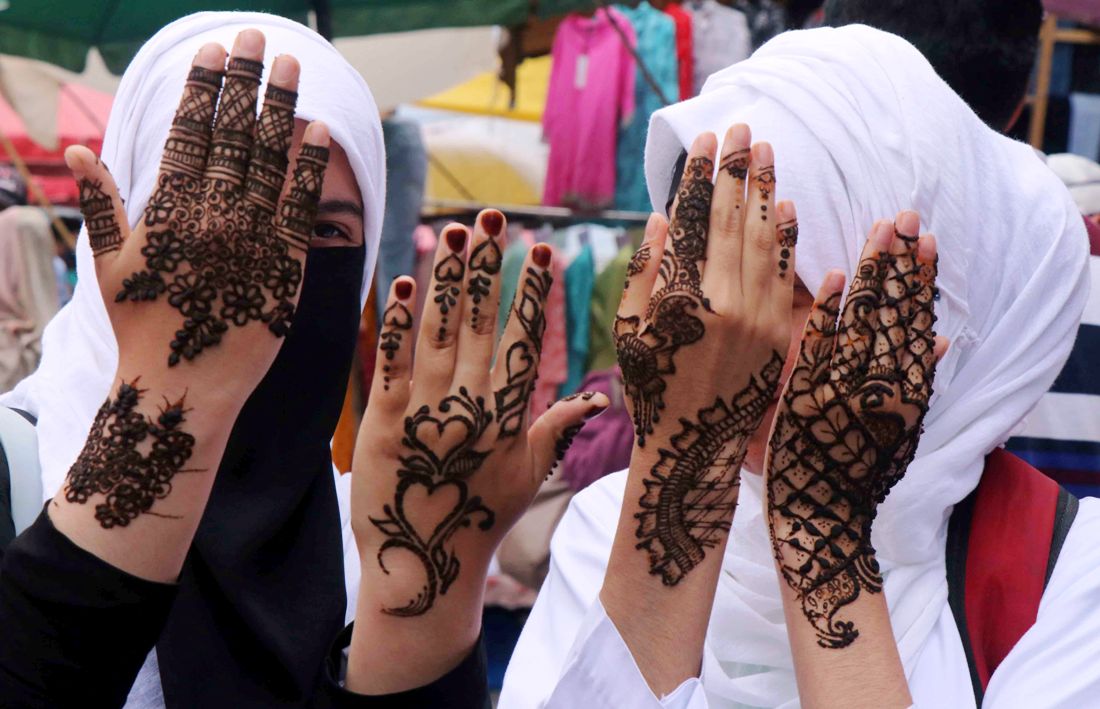
No Money, No Eid
For families like hers, Eid shopping has become a painful exercise in sacrifice. This year, the economic downturn, worsened by rising prices and erratic earnings after the Pahalgam massacre, has dampened the festive mood across Kashmir. Traders report sparse crowds, shorter shopping lists, and more bargaining than buying.
Khursheed Ahmad, an auto driver from Budgam, put it plainly: “Eid is about money. When you have money, you celebrate. No money, no Eid.”
He said that since the April 22 attack, the number of passengers boarding his black auto had dropped sharply. His earnings had fallen. “People do not have money. Believe me, they do not,” he said. “I have two children. They need clothes too. They have desires, too. But money matters.”
Eid ul Azha, one of the two major Islamic festivals, is marked globally with joy. In Kashmir, markets once lit up with pre-Eid crowds. That tradition has faded. The markets never fully recovered after the pandemic, and political developments deepened the strain.
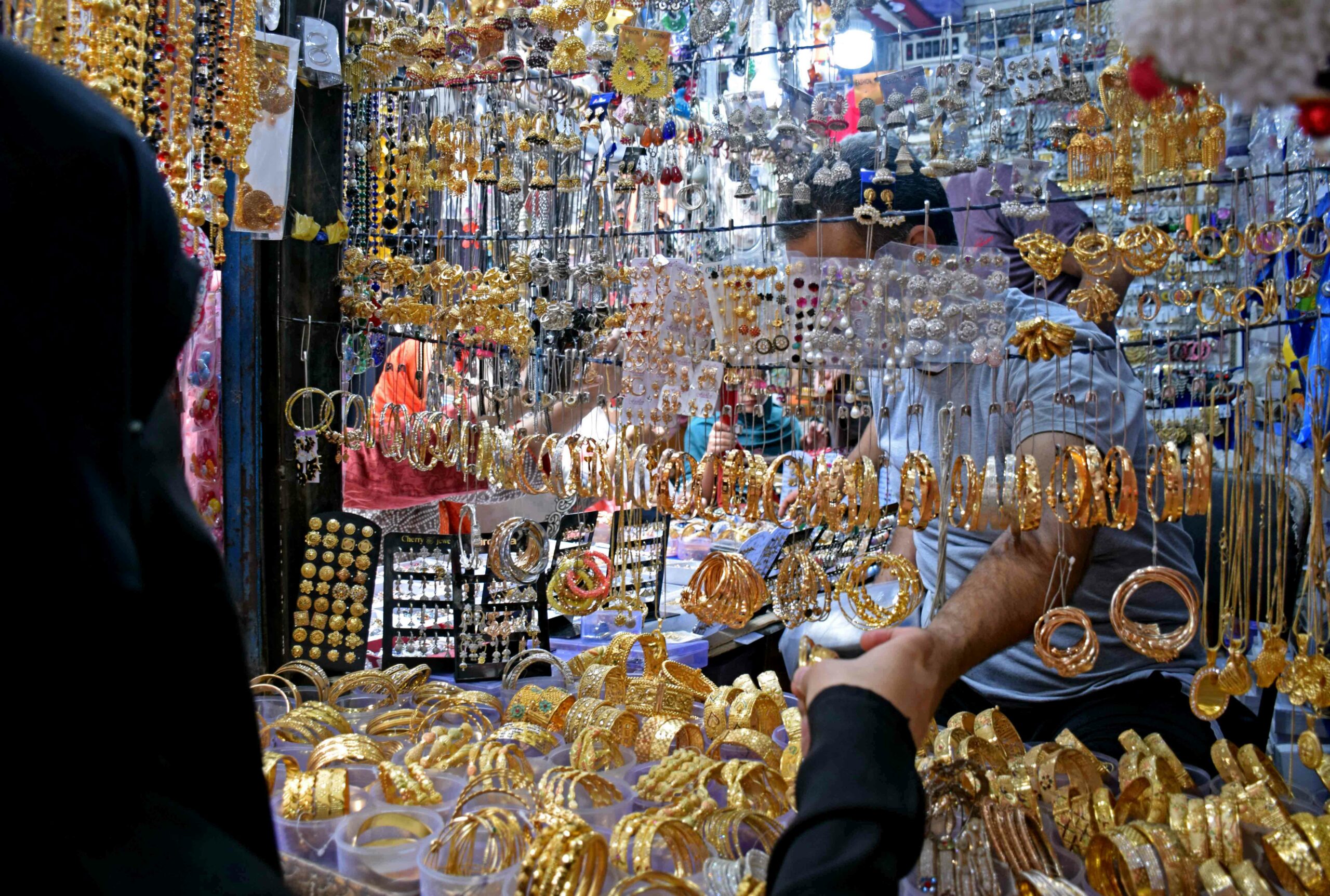
KL Image: Bilal Bahadur
Festival in Crisis
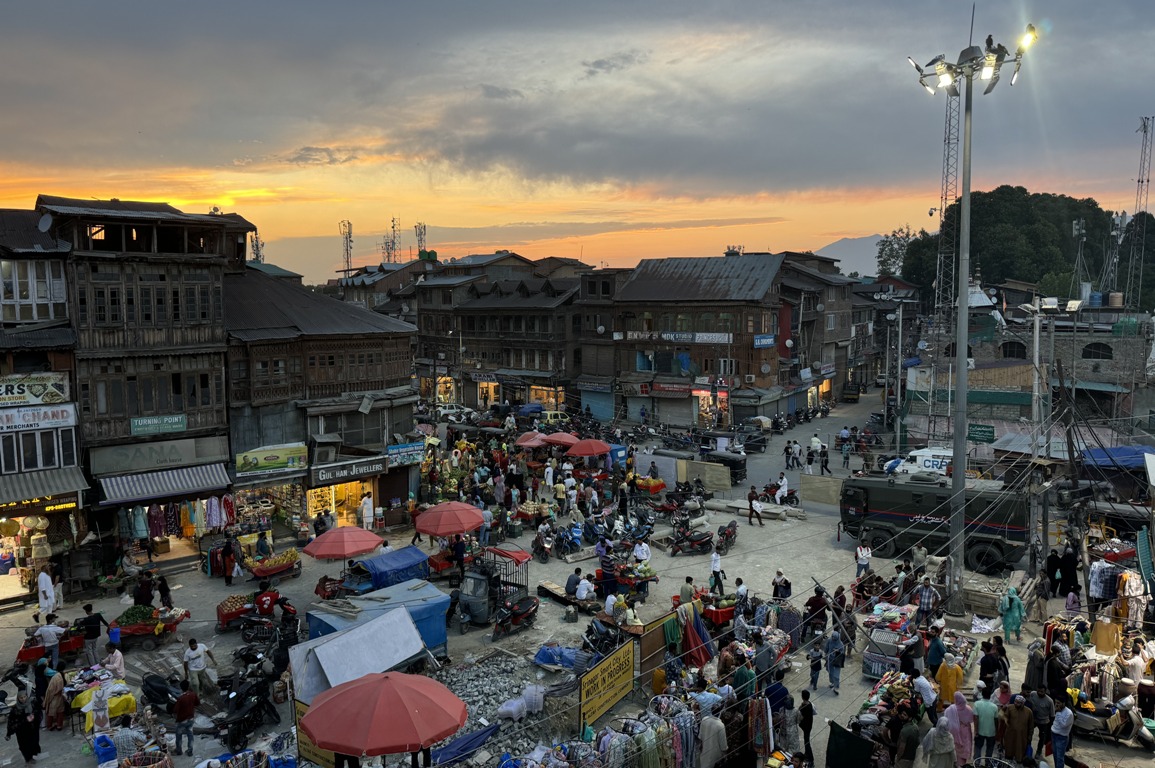
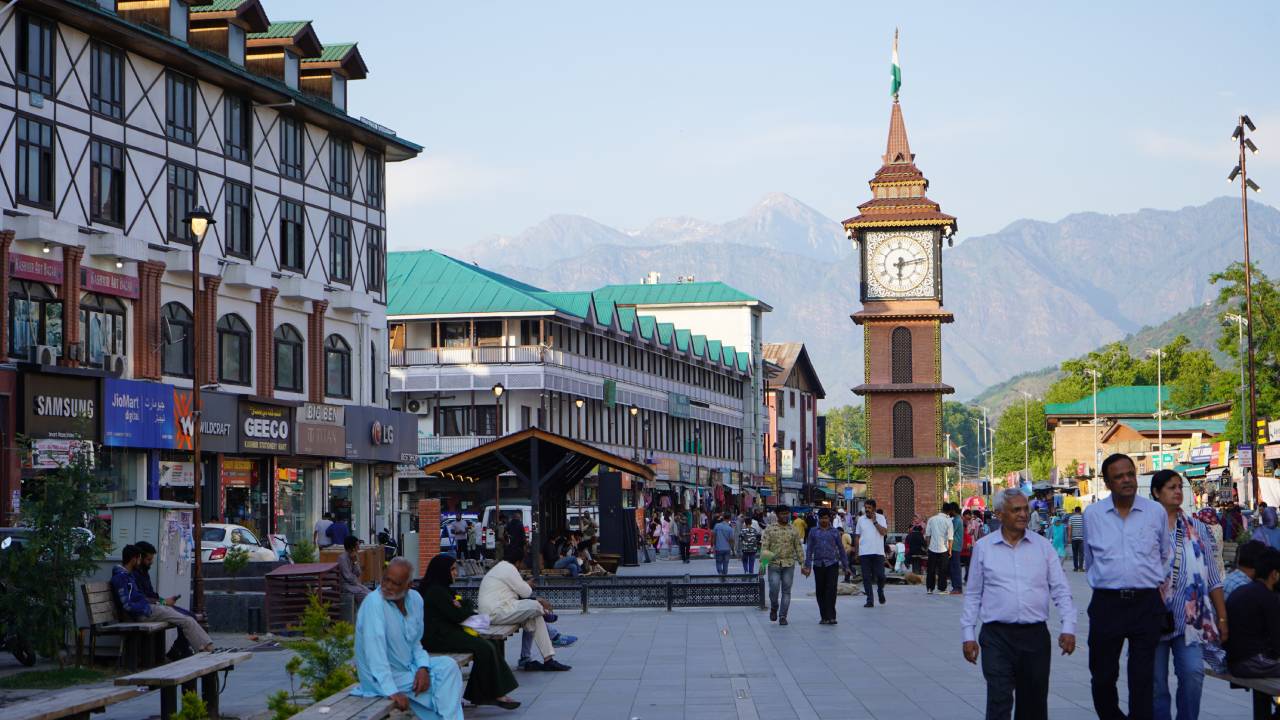
Srinagar’s central markets Goni Khan, Jamia Market, Maharaji Bazaar and Lal Chowk are reporting their lowest footfalls in years.
A shopkeeper of two decades said this was the quietest Eid season he had seen. Most people, he said, were shopping only for their children. “Only those selling children’s items are making any sales.”
Others, he noted, were struggling. “Bakery owners, apparel shopkeepers, footwear sellers. Everyone is suffering. The whole market is crying over low sales.”
Even a children’s wear shop owner said business had plunged. “Last Eid, I had twenty customers a day. This time, it is just three.”
Faiz Bakshi, General Secretary of the Kashmir Chamber of Commerce and Industries, said trade across the region was in distress. “Everyone is confused and concerned. There is no money. It is especially hard for lower-income groups. Even buying sacrificial animals is difficult.”
“The market trend this Eid is very depressing,” said a shopkeeper in one of Anantnag’s subdued bazaars. “Compared to earlier years, there is no excitement. Cash flow is low. Business sentiment has collapsed.”
Bakshi said several factors were at play: a wider economic downturn, local instability, and incidents like the Pahalgam. “Only two days are left for Eid. Still, there is little activity. This is unprecedented.”
The animal markets are also struggling. “There is very little demand,” he said. “Prices have gone up. People’s purchasing power is weak. Most are waiting till the last minute to bargain. It is hard for everyone.”
A scholar of economics, requesting anonymity, said she had observed a noticeable shift in consumer behaviour. After visiting the market for three days in a row, she noticed more people buying from vendors than from shops. “They say shops are too expensive. Vendors who do not pay rent, electricity or taxes offer cheaper rates. But even they are struggling. It is not as if they are making profits either.”
Yet traders hold out for a last-minute rush. “People buy perishables and sweets closer to Eid,” said Bakshi. “They want fresh items. So there may be a rise in food sales. But apparel sales usually happen earlier. That window has passed. This year, it remained shut.”
He also pointed to another challenge. “Websites like Myntra and Flipkart have damaged local markets. Young people now prefer shopping online. We cannot compete with their discounts and return policies.”
In Kashmir, new clothes for Eid have long symbolised celebration and renewal. Families would crowd the markets, searching for the perfect outfit. Now, many are turning to online platforms instead. From embroidered pherans to designer suits and abayas, digital boutiques offer a wider selection and doorstep delivery.
Saba, a resident of Baramulla, said she chose to shop on Meesho this year. “There were more designs and lower prices online,” she said. “If you pay digitally, you save Rs 100 to 150. With so little cash in hand, online shopping made more sense.”

Eid was approaching, but the usual market rush had vanished, said Yasin Khan, president of the Kashmir Traders and Manufacturers Federation. He rejected the routine refrain that tourism decline was the main cause, describing it as only a small part of a much larger crisis. The decline had been steady and driven by multiple, overlapping problems.
He explained that a global recession and intense local economic pressures had weighed heavily on Kashmir. Despite being seven years old, the Goods and Services Tax had added burdens without support. The 2014 floods, 2019 lockdowns, COVID-19’s impact, and rising competition from online retail had pushed the business environment to the brink. Market activity, he estimated, was down by 90 per cent, far worse than some claims of 60 to 70 per cent. Even during Eid-ul-Adha, people struggled to meet basic religious duties, let alone shop freely.
As a trader and distributor, Khan observed that money was not circulating. Retailers could not pay suppliers since sales barely covered costs. Though tourism accounted for 6 to 7 per cent of GDP, horticulture contributed more, yet suffered from poor infrastructure and stalled projects. Contractors went unpaid, markets remained stagnant, and government dues piled up.
The crisis is complex, not caused by a single factor, and without meaningful government intervention, the economic future of Kashmir’s traders and small businesses would remain deeply uncertain.
Eid Without Celebration
India’s e-commerce sector has seen notable growth. National data show that 67 per cent of the urban population uses the internet, compared with 31 per cent in rural areas. Reports reveal a 26.2 per cent year-on-year increase in order volume and a 23.5 per cent rise in gross merchandise value (GMV) over the previous fiscal year. Analysts project the market will expand from US$ 38.5 billion in 2017 to US$ 200 billion by 2026.
But these figures meant little to Saima this Eid. An avid shopper who once enjoyed selecting dresses for the occasion, she bought nothing this year. Her bank account held just Rs 1,200. A new dress was out of reach.
“I feel bad. But this is my reality,” said Saima, a receptionist at a travel agency. Her salary had not been deposited due to the ongoing financial crisis. She said it felt absurd to think of shopping when she could not even afford to order food.
Zahoor Ahmad, 40, from Pahalgam, a father of three, echoed her pain. During Eid-ul-Fitr, he had bought six dresses, shoes, and toys for his children. But this Eid, he struggled to afford even the basics.
The Pahalgam massacre had cost him his livelihood. Once a pony helper with a steady income, Zahoor had been jobless for over two months and had exhausted his savings.
“This Eid is not like what it used to be,” he said. “On Choti Eid, we were doing well, full of hope. Now we are on the edge, desperate and dejected.”
His voice trembled as he described his three children, aged thirteen, ten, and six, still waiting for their new dresses. “Every Eid, my eldest daughter gave me a list. I tried ticking off every item. Even last Eid, we had a good time. But now, I do not know anymore.”
Zahoor said it was not only his story. Many who had jobs in the once-thriving tourism industry now faced the same fate. While he held some hope for the upcoming Amarnath Yatra, he felt helpless about not fulfilling his children’s expectations.
“Children do not understand. They wonder why I sit idle or why I no longer bring them snacks. They are too young to know what it means to be unemployed. For them, Eid means good food, new clothes, and toys.”
He also pointed to civic failures affecting business. Roads were jammed, footpaths blocked by vendors, and parking was nearly impossible. “People cannot even see the shops. The government should create designated weekly markets as in other states. Right now, it is chaos. Shopkeepers who pay rent and taxes suffer the most.”
A vendor at Lal Chowk voiced similar concerns. On the day the Lt Governor visited, they were forced to close their stalls. “That was a complete loss. We barely make ends meet.”
Bakshi, a trader, offered a bleak summary. “We cannot even quantify the losses. Some manufacturers say they produced only 40 to 50 per cent of their usual Eid stock. One shopkeeper told me this was the worst Eid in terms of customer turnout. It is not an exaggeration. It is just a very difficult time.”
At Srinagar’s central livestock market in Eidgah, conditions were equally grim. The ground was muddy, full of potholes, with no shelter or water facilities. “Some sellers even lost sheep due to bad weather,” said one vendor. “They travel from far-off villages to feed their families. The administration should have made basic arrangements.”
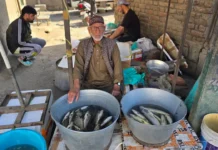
Across Kashmir, the story was the same. Sellers stood with herds of sacrificial animals, waiting all day for buyers. On some days, they sold several. On others, only a few.
“I thought last year was bad. But this year is worse,” said Qasim, selling sheep at Bagh-e-Mehtab. “People come, ask prices, look around. Sometimes a deal happens. Sometimes not.”
Rafiq Ahmed, from South Kashmir, used to buy two sheep every Eid. This year, he managed only one. A hailstorm had damaged his orchard just days before Eid. “The produce has suffered in recent years. Still, we were content. But this year is different. We are struggling badly. That has affected how much we can spend.”

Festival Without Sacrifice
In Rafiq’s case, some hope lingered. But for Amir, a resident of Chanapora, Eid-ul-Azha had always meant qurbaani. This year, they decided against it. His father, a tourist cab driver, had not earned enough to buy an animal. “For the first time, we are not performing qurbaani because we cannot afford it,” Amir said.
Across Srinagar, Anantnag, Pulwama and Baramulla, sellers sat beside unsold sheep, goats and cattle, their eyes scanning the sparse footfall. The usual hum of bargaining was faint. Buyers arrived late, lingered less, and mostly left empty-handed.
Eidgah, one of the Valley’s largest qurbaani markets, was unusually quiet. Hundreds of sellers had set up stalls, but buyers were scarce. A vendor blamed the chaos on the venue’s condition. “It is hard to walk here,” he said. “Eidgah is in shambles.”
Weeks of rain had turned the Eidgah grounds into a muddy swamp. Ankle-deep sludge and stagnant water-filled potholes. The festive crowd of years past was gone, replaced by silence, slush and a few trudging footsteps. The seller gestured at the mess. “We have to wear rubber boots just to stand here.”
He explained that Kashmiris usually preferred the Kaju breed from Rajasthan, known for its favourable meat ratio of 70 per cent meat and 30 per cent wastage. These animals required care, and the cost of feed, maintenance and shelter had risen sharply. Yet the market lacked basic infrastructure.
“There is no water, no sanitation, no washrooms,” he said, showing his dirty hands. “There used to be a tap. We fed the animals from it. Now it is shut. We cannot even wash before eating.” He and fellow sellers pooled money to buy wooden planks to create a walkway, but the effort fell short.
Despite paying rent for tents, stall owners said the authorities failed to provide even minimal support. “The officials took money, but gave nothing in return,” he said. “Even the tent owners are suffering. Everyone is losing.”
He added that the waterlogged ground was not just hurting sales but also threatening the animals. The risk of injury and death loomed with every slippery step.

Markets in Decline
Another seller recounted how two of his sheep died after falling into an open drain. “We picked them up and kept them inside, but they did not survive,” he said. The conditions, he added, were to blame.
A non-native vendor pointed to the rains and sudden weather shifts as having hurt business. “There should have been safety measures,” he said, adding that customers had thinned considerably.
The impact extended beyond the livestock trade. Not just clothing, food, and sacrificial animals, but offerings, too, had seen a stark decline. Across Srinagar, the festive spirit was shadowed by economic strain.
Shrinking Charity
Although Eid-ul-Fitr usually witnesses a surge in zakaat and sadqah, many groups collect donations during Eid-ul-Azha as well. This year, however, they reported a severe drop.
Fatima, a member of a charity group, recalled distributing more than 40 food kits last Eid. “This time, we have not even reached our target of Rs 20,000,” she said. Those who used to give thousands now manage only a few hundred. “Everyone says their income has fallen. That is true. All of us are struggling.”
Her story echoed across other groups and individuals collecting aid. For many, the joy of Eid had been replaced by anxiety over debt.
Some families, unable to manage basic expenses, were borrowing money just to afford rations. A labourer from Ganderbal said he had taken a loan to buy rice, spices, oil and other essentials. “I plan to buy chicken on the day of Arafa,” he said. “Later, neighbours will share the qurbaani meat.”
He had borrowed Rs 10,000 from a friend, promising repayment by the end of June. “This is the first time I am celebrating Eid on borrowed money,” he said quietly. “There is no work.”