Inside Kashmir’s rehabilitation centres, former patients describe abuse, isolation and humiliation, raising urgent questions about whether these facilities heal addiction or deepen the trauma, reports Afreen Ashraf
Rahil woke up staring at an unfamiliar ceiling. For a few moments, nothing felt strange. Then slowly he realised this was not the ceiling he had looked at for 20 years of his life.
He rolled his eyes around without moving his body, trying to understand where he was. The room was small and narrow. All four walls, along with the ceiling, were plain whitewashed. A small rectangular window painted green let in only a thin line of light. There was a steel bed with a thin mattress over it, a dirty blanket folded nearby, and no pillow to rest his head on. In one corner of the room sat a surveillance camera.
Then another realisation struck him. He was naked.
For the next few hours, he began asking questions. “I kept asking where I was,” Rahil recalled. “Nobody answered me properly.”
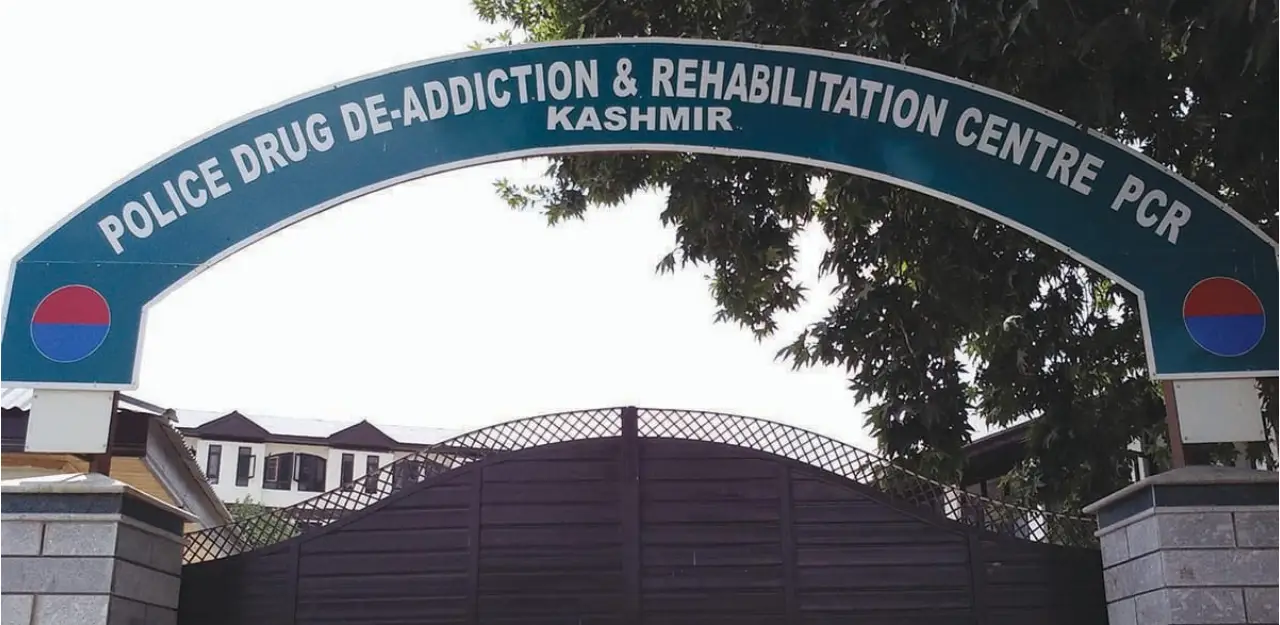
Only after some time was he informed that he had been admitted to a rehabilitation centre in Budgam. His family had brought him there after recently discovering his drug addiction, which, according to Rahil, began following a period of personal turmoil. Like many families in Kashmir dealing with addiction inside their homes, they believed rehabilitation would help him recover.
What followed was something else entirely.
Walls Close In
For more than three weeks, Rahil remained inside that room in near-complete silence, with nobody to talk to. He had no sense of structure, no activity to occupy his hours, and no meaningful human contact to anchor his days. The solitude began affecting him in ways he had not expected.
“At times those whitewashed walls began playing tricks with me,” he recalled. “When you spend most of your days in solitude, your mind starts imagining people. You begin talking to them even when you know they are only inside your head.”
Counselling sessions were rare, he said, and human interaction inside the centre very limited. The surveillance camera in the corner of his room became the only constant presence he was aware of. “Sometimes I thought maybe they were only examining me through the camera,” he said. “Maybe they were just monitoring me.” He was not sure whether anyone was actually watching, but the uncertainty itself became its own kind of pressure.
One incident still disturbs him. He was taken from his room for what was described as a bathing session. “I was pushed inside a bathroom, two men standing outside near the entrance. Water was thrown at me through a pipe.” He found it awkward and humiliating. That sense of humiliation, he said, did not leave him.
As the days passed, Rahil grew increasingly desperate to speak to someone, anyone. “At last, for how long can you control yourself,” he said. One day, while moving through a corridor, he quietly slipped into the office room and stole back his phone. “I only wanted to talk to someone,” he said. The staff discovered it almost immediately. “They came, took my phone and started beating me. One among them abused me very badly.”
Rahil said the centre did not push him toward recovery. It pushed him toward the edge of something else. “I felt like if I stayed there longer, I would lose my mind,” he said. “It felt like punishment.”
Paying for Pain
Nineteen-year-old Aqib, a resident of Srinagar’s Downtown area, was just 16 when he fell prey to drug addiction. Unlike Rahil, he did not arrive at a rehabilitation centre because his family admitted him without warning. He went on his own, asking for help.
“I went there because I literally wanted to get treated of my addiction,” Aqib recalled. He had made the decision himself, arriving with the hope that something inside those walls would help him find his way back. “They charged me Rs 50,000 for the course of treatment.”
His experience, however, was not far from Rahil’s. “They initially pretended to be really nice with me,” he said. But the reality of life inside the centre became clear quickly. “I remained there for just a week or so but then I begged my parents to help me come out of it.” During his stay, Aqib said he developed suicidal tendencies. “I saw terrible things happening there. The co-addicts I was with were being beaten by the staff. In fact, I was beaten too.” When he raised the matter, he was told that the beatings were part of the treatment.
Aqib describes the sessions he endured as boxing sessions more than counselling ones.
He also remembers hearing from fellow patients that if they ever got the chance to flee the place, they would. And that they would leave drugs on their own, but they would never return to that rehabilitation centre, or any other. The institution meant to help them had instead become something they needed to escape from.
“You already feel broken when you enter these places,” said a volunteer who has worked for years in order to rehabilitate addicts. “You are ashamed. Sick. Weak. But instead of making you feel like you can recover, some people make you feel dirty.”
Aqib is unambiguous about what ultimately helped him: “I did not even quit my addiction because of rehab.”
Valley in Crisis
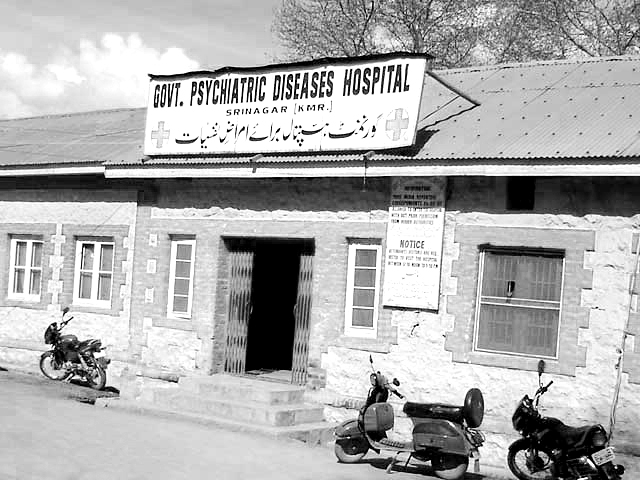
Across Kashmir, stories like these are becoming increasingly common as the Valley continues battling the substance abuse. Hospitals are overwhelmed, families are desperate, and rehabilitation centres, both private and government-run, have rapidly expanded across districts. Yet the expansion of facilities has not been matched by oversight of what happens inside them.
According to surveys conducted by IMHANS Kashmir and official consumption data cited by the Jammu and Kashmir administration, over 67,000 individuals in Kashmir may be dependent on drugs, with most users falling between the ages of 17 and 33. Official figures presented by the Jammu and Kashmir administration show that more than 32,000 people have registered for treatment related to substance abuse since 2022, while thousands continue visiting outpatient and inpatient de-addiction facilities every year.
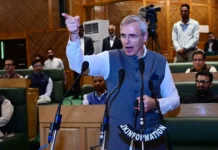
Government figures indicate that dozens of de-addiction and rehabilitation facilities now operate across Jammu and Kashmir under different schemes and departments. Private centres continue to grow alongside them. Official sources said Kashmir has only four drug de-addiction centres and after inspection, all were found all right. In Jammu, however, where 13 were operating in private sector, one was sealed because it did not fall in the perfect category. The government told the assembly early this year that there were 20 Addiction Treatment Facilities (ATF) operational across the erstwhile state of which 11 were in Kashmir and nine in Jammu region.
As the number of cases rises in homes and neighbourhoods, more families are turning towards these centres with hope that their children will be saved.
Eleven-year-old Yahya was accompanied by his grandmother to a rehabilitation centre. “I did not want his parents to come because they have a name in society and people may have recognised them,” she explained. Yahya himself had insisted on going after someone told him that if he continued with his addiction, nobody would marry his sister, who was just eight. His family feared the same. Shame had reached even into a child’s reasoning.
In many cases, relatives described the decision to admit a family member as one taken out of desperation rather than certainty. When a family member begins stealing money, disappears for days, and suffers violent withdrawal symptoms, parents are rarely comparing treatment models. That desperation has created a system where accountability can become secondary to the singular goal of making the addiction stop.
Silence Persists
Perhaps the most invisible part of Kashmir’s rehabilitation centre crisis is the silence that surrounds it. Families do not speak openly. Patients rarely file complaints. And the social architecture of shame in Kashmir is so deeply embedded that it effectively shields even questionable institutions from scrutiny.
“People prefer private centres mostly to ensure anonymity,” said Dr Arjumand. “They do not want themselves to be disclosed because of stigmatisation.” In Kashmir’s deeply conservative social atmosphere, addiction carries shame not only for the individual but for entire families. As a result, questions about conditions inside rehabilitation centres frequently remain buried beneath the larger desperation to make addiction disappear.
Many recovering users said the fear of stigma follows them long after they have left drugs behind. Some worry that once they are identified as former addicts, their experiences will automatically be doubted. “In Kashmir, once you are labelled an addict, your credibility disappears,” said a volunteer. “People assume an addict is unreliable, or unstable. That fear keeps many silent.”
Several former patients admitted they had never spoken publicly about their experiences before. They said they feared humiliating their families. Others believed nobody would trust them against institutions that claim to provide treatment and recovery. To speak was to risk being disbelieved. And to be disbelieved while also carrying the label of addict was a risk many were unwilling to take.
A senior doctor associated with addiction treatment in Kashmir, speaking off the record because he continues to work within the field, revealed many people remain unaware that patients inside rehabilitation centres are still protected by law. “Substance dependence does not strip a person of dignity or rights,” he said. “If survivors overcome the fear of social stigma and formally report abuse, some centres can face serious legal consequences.”
The doctor recalled witnessing patients who allegedly attempted self-harm after traumatic experiences inside rehabilitation facilities. “I have seen patients who tried to harm themselves after getting access to objects there. Some had cut their wrists.” He recently met a young patient who had become terrified of hospitals altogether after his experience inside a rehabilitation centre. The place that was supposed to treat him had instead left him afraid of treatment itself.
That silence creates space where questionable practices can continue unchallenged. The conversation ends at whether a person has stopped using drugs, not at how that recovery was achieved, and not at what it cost them.

Experts Weigh In
The experiences of Rahil and Aqib are not simply personal accounts. They reflect a pattern that addiction experts and medical professionals have consistently warned against.
Addiction experts across the world have repeatedly argued that recovery cannot grow in an environment built on fear, shame or humiliation. Canadian physician and trauma specialist Gabor Maté, whose work focuses deeply on trauma and substance dependence, has long maintained that people struggling with addiction need compassion rather than judgment. Because addiction already carries immense shame within families and society, many recovering users say humiliation inside treatment centres only deepens the wounds they are trying to escape. As Maté’s work suggests, no person heals by being degraded or hurt. Healing begins when someone is finally seen not as a criminal, a burden or a moral failure, but as a human being in pain.
Dr Yasir Hassan Rather, Professor, Department of Psychiatry, GMC Srinagar, makes a similar argument from within the local medical context. He said relapse after rehabilitation is common, especially when treatment environments are built around fear, humiliation or violence instead of emotional and psychological care.
“We should treat them as patients, not as criminals who have lost their morals or character,” he said. “People who fall into addiction often have underlying psychological problems. If we have to take them out of this trap, we first need to protect their mental health.”
Studies on substance-use recovery have found that shame and trauma during treatment can negatively affect recovery and increase the chances of relapse later. For many recovering users in Kashmir, memories of rehabilitation itself often become another emotional burden they carry long after leaving drugs behind.
One counsellor working in addiction recovery in Kashmir said the biggest mistake society makes is expecting addicts to recover through shame. “You cannot humiliate someone into healing,” he said.
The question, then, is not simply whether these centres exist. It is whether their methods can ever produce what they claim to offer.
Government vs Private
Compared to many private centres, government-run de-addiction facilities are generally viewed by patients as less aggressive in their methods. “Medical treatment is more structured, and regular monitoring is also ensured,” said Dr Tariq.
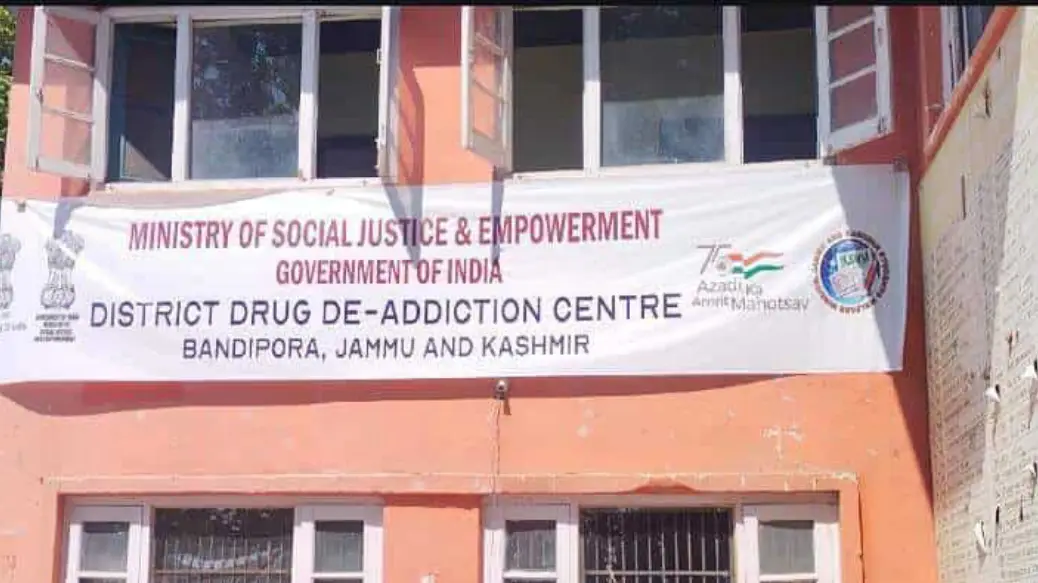
As per recent Jammu and Kashmir government data, there are about 20 government-run de-addiction and rehabilitation centres across the region, including 11 Addiction Treatment Facilities in Kashmir division. To ensure that treatment reaches even remote areas of the valley, three functional District De-Addiction Centres have been established at Kulgam, Pulwama and Bandipora. The government also claims that nearly 69,000 people have received treatment or rehabilitation support through these facilities and related programmes.
Dr Yasir said government-run rehabilitation facilities follow scientific protocols where patients are admitted along with their families. “They cannot be tortured there,” he said. “We treat them as patients.” He adds that government institutions are actively trying to shift addiction treatment towards a healthcare model rather than a punitive one, through counselling, medicines and awareness programmes.
Doctors working in these facilities acknowledge, however, that the pressure on resources, staff and psychiatric support systems has increased enormously. “The number of patients has gone up drastically over the years,” said Dr Arjumand. The infrastructure is expanding, but the human capacity to deliver compassionate, specialised care has not always kept pace.
Yet alongside these efforts remains a troubling reality: weak monitoring and gaps within the system itself. A 22-year-old alleged that drugs were still accessible inside a government rehabilitation facility through outside contacts and networks. “If somebody really wanted substances, they could sometimes arrange them,” he claimed. These allegations are difficult to independently verify. But they raise a different and equally serious question: how effective can rehabilitation become if addiction networks continue finding ways even inside treatment spaces?
The promise of these institutions and their actual conditions do not always match.
Recovery Is Possible
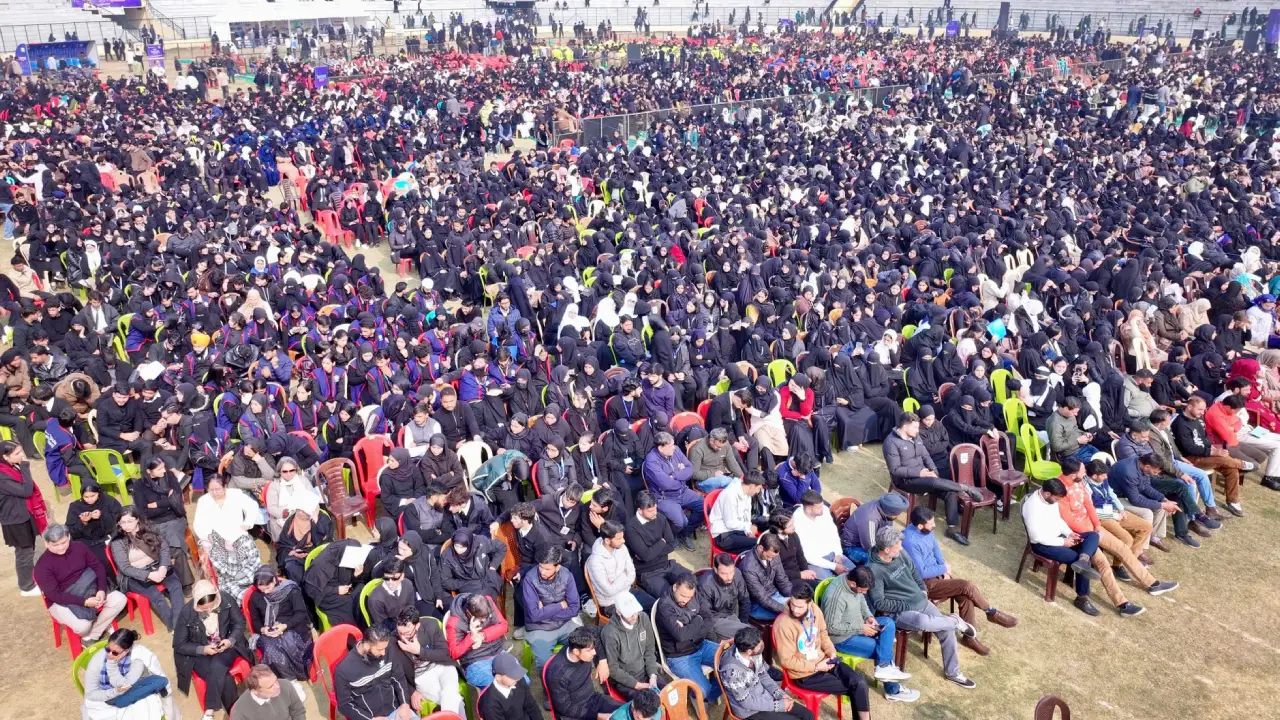
To portray only failure would be dishonest. Some rehabilitation centres have genuinely helped people return to life. There are real success stories, and they matter.
Amir was 18 when his elder sister decided to take him to a government-run rehabilitation centre in Srinagar after he developed a heroin addiction. She had searched across the city for treatment options, including both government and private facilities, before making her choice.
Amir recalled that the environment inside the centre was structured around routine and interaction. “The staff were supportive, and we had activities every day,” he said. “We played sports like football in the evenings, and there were group sessions as well.” The treatment process combined counselling with physical activities and supervised interaction among patients. “The atmosphere was not isolating,” he said.
After completing his stay, Amir gradually recovered. He has now been addiction-free for four years. He continues to view the rehabilitation centre as part of his recovery process, asserting it helped him rebuild discipline and routine during a critical phase of his life.
His story is a reminder that the system is not uniformly broken. When the conditions are right, when staff are trained and humane, when routine replaces isolation and counselling replaces punishment, rehabilitation can work. The question is why that version of care is not consistently available to everyone who walks through those doors.
Aqib offers his own clear assessment. “I don’t think the people present in these rehabs are well equipped or well trained to handle drug addicts,” he said. “These centres definitely need upgradation and well-trained staff who know how to behave.” He recalled a married man who was inside the same centre for the third time and had run away thrice, each time citing mistreatment. The man said he would rather fight his addiction outside than endure what happened inside.
Real Stakes
Without rehabilitation services, many users would remain entirely untreated. That is what makes this issue genuinely complicated, and why it demands honest examination rather than either blanket condemnation or uncritical defence.
Addiction across Kashmir has already put families in crisis. Rehabilitation centres remain essential because for many they represent the only available path toward recovery. But treatment cannot succeed if care is replaced by fear, humiliation or abuse. The two goals, removing addiction and preserving dignity, are not in conflict. They are inseparable.
A volunteer who regularly visits recovering users and helps families navigate treatment options revealed the problem goes beyond infrastructure alone. “You cannot save people only by locking them inside buildings,” he said. “Recovery needs monitoring, counselling, trust and constant support even after they leave rehab. Otherwise, many return to the same trap again.”
These are not simply stories about addiction. They are stories about what happens to vulnerable people once society decides they need correction, and then turns away from the details of how that correction is carried out.
The testimonies shared by former patients force an uncomfortable but necessary conversation. Recovery is not only about removing substances from a person’s body. It is also about protecting their dignity, mental health and humanity throughout the process. A system built on punishment may produce silence. It cannot guarantee healing.
Visible Gulf
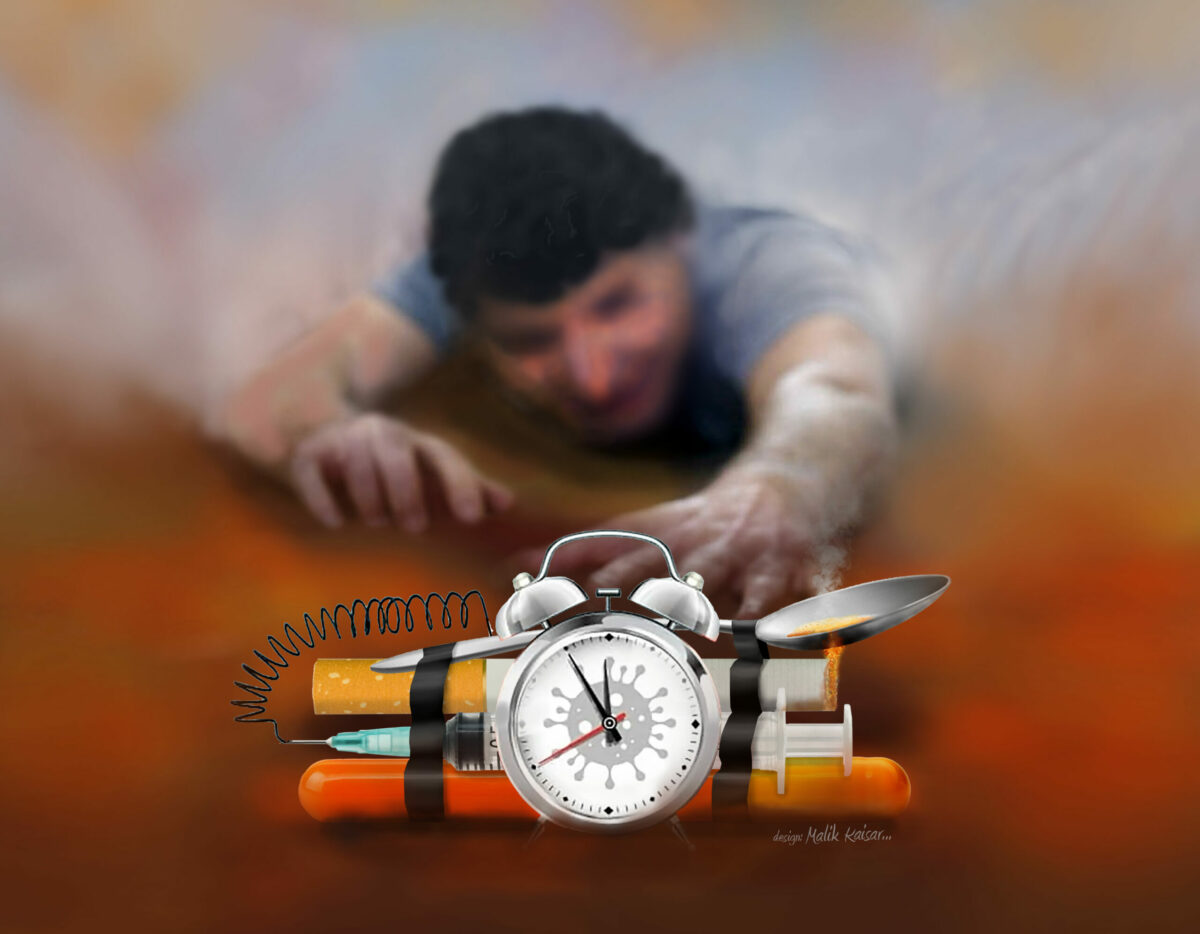
As Kashmir continues to confront the growing crisis of addiction, the focus must extend beyond simply expanding the number of rehabilitation facilities. It must also include accountability, professional oversight and compassionate care as non-negotiable standards, not aspirational ones.
On Kashmir streets, the Nasha Mukt Abhiyan has made anti-drug campaign popular. But does it somehow help Jammu and Kashmir has a better network of Drug De-Addiction Centre and Addiction Treatment facilities? If the management network is facing a crisis, how can street marches help?
The drug addiction across Kashmir valley is real. Families are suffering. Doctors are overburdened. Young lives are collapsing. Functional rehabilitation centres are not optional. But functional must mean more than buildings with locked doors and surveillance cameras. It must mean places where people are genuinely treated as patients, given structured care, spoken to with respect, and sent home not just sober but intact.
Because the true measure of rehabilitation is this: patients given a real chance to return to life with hope, safety and dignity intact.
(Names of all patients have been changed to protect their identity.)