Has Jammu & Kashmir Strengthened Its Own Tax Revenue Base Enough to Reduce Dependence...
by Ruqaya Akhter
Jammu and Kashmir's tax revenues have grown substantially, but the region remains grant-dependent and trails major states in fiscal strength
Own Tax Revenue...
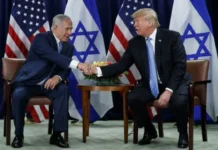
Can Israel’s Lebanon Offensive Derail the Emerging US-Iran Peace Deal?
by Asad Mirza
Israeli strikes in Lebanon have disrupted US-Iran peace talks, exposing deep disagreements and threatening a fragile regional settlement.
A fragile diplomatic breakthrough between...
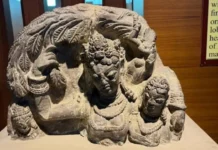
Did a Buddhist Sculpture Preserve an Ancient Eastern Birth Culture?
by Iqbal Ahmad
A rare Kushan-era sculpture from Pandrethan depicts Buddha’s birth and reflects the ancient tradition of childbirth at parental homes.
Although in the Kashmir...

Can Love, Loss and Fate Define a Life?
by Rayees Ahmad Kumar
A moving review of Pehchan Aansoo Ki, exploring love, heartbreak, cancer, human values, and the emotional complexities of life.
Rafia Rasool Magmoom...
Should Merit-Based Employment Be Turned Into a Political Spectacle?
by Umair Ul Umar
Merit-based employment should celebrate individual achievement, not political publicity, preserving dignity, fairness, and recognition of hard-earned success.
There was a time when...

Before We Know God, Must We Undo the One We Invented?
by Syed Ahfadul Mujtaba
A comparative exploration of Sartre, Attar, and Bulleh Shah, examining whether humans create God to escape freedom, ego, and loneliness.
Jean-Paul Sartre...
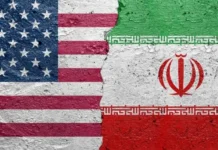
Can the US-Iran Peace Deal End Decades of Hostility?
by Asad Mirza
A new US-Iran peace framework reduces immediate war risks but leaves unresolved nuclear, regional and political disputes threatening durability.
The framework peace agreement...
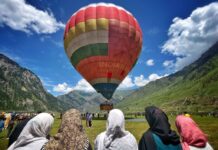
Who Are the Dards and Can Their Culture Survive Modernity?
by Dr Ajaz Afzal Lone
One of the most significant strengths of this work lies in its thoughtful exploration of the contemporary lives of the...

How Did Iran Turn the Tables on the US and Israel Despite Three Months...
by Jim Lamson and Matthew Moran
Despite severe military losses, Iran exploited strategic vulnerabilities, imposed economic costs, and survived politically, gaining leverage over adversaries.
After three...

Will the US-Iran Peace Deal Hold, or Is the Middle East Still on a...
by Asad Mirza
The US-Iran framework accord eases regional tensions, but unresolved disputes and Israeli-Iranian friction threaten its long-term viability
The historic June 2026 US-Iran framework...

In the Century of Semiconductors, Where Does India Stand?
by Sri Varshith Kumar Reddy E
Critical minerals and semiconductor supply chains have become the grammar of geopolitical power. India's answer will define its economic...

Is Elon Musk’s $1.1 Trillion Fortune a Historic Achievement or a Democratic Danger?
by Mursaleen Bashir
Elon Musk's trillion-dollar milestone highlights extraordinary innovation while raising concerns about concentrated wealth, corporate power, and democracy.
On June 12, 2026, something happened...

Is Generation Z Losing Faith in Higher Education?
by Umair Ul Umar
As employment uncertainty grows, many young people question whether traditional degrees still offer the opportunities they once promised.
For generations, higher education...

Before Reels, Did Kashmir Read More?
by Shabir Ahmad Ganaie
An exploration of Kashmir’s fading reading culture, tracing its scholarly legacy and examining how digital distraction reshaped public thought.
By the evening...
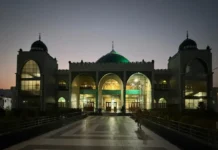
Is Kashmir Forgetting the Dignity of Those Who Guide Its Faith?
by Syed Majid Gilani
A chance encounter with an Imam earning Rs 7,000 a month raises questions about dignity, security, and community responsibility
It was the...