NMC recognition rollback for SMVDIME has set a precedent, raising fears that it could derail approvals and expansions at other new medical colleges in Jammu and Kashmir, which are currently struggling with faculty and infrastructure gaps, reports Maleeha Sofi
Jammu and Kashmir’s medical education network has twelve medical colleges with 1230 seats. The expansion, however, hit a serious roadblock as the National Medical Commission (NMC) created history by withdrawing the recognition of Shri Mata Vaishno Devi Institute of Medical Excellence (SMVDIME) two months after the first batch was admitted and was busy with studies. The unprecedented move came in the backdrop of right-wing parties seeking the transfer of 42 Muslim students allocated to the college on the NEET merit basis.
Already, NMC is sleeping over the clearance of a major expansion plan, aimed at adding 400 new MBBS berths (50 seats to every college except Handwara and Bemina) to the existing 1230-seat status. Will the Katra precedent impact the newly set-up medical colleges because most of them have issues of faculty, infrastructure, affiliate hospitals and other prerequisites?
Based on legacy, infrastructure, and readiness, the GMC network in Jammu and Kashmir has been divided into three categories. Category A includes the oldest and well-established institutions: Government Medical College (GMC) Srinagar and GMC Jammu, each currently offering 180 MBBS seats, and SKIMS Medical College, Bemina, with 125 seats. Both GMCs are expected to expand their intake by 50 seats each, subject to NMC approval.
Category B includes the five mid-tier GMCs set up in recent years: GMCs in Anantnag, Baramulla, Kathua, Doda, and Udhampur. Each of these currently has an intake of 100 students and is also seeking an increase of 50 seats.
Category C includes the newer entrants, such as GMCs in Handwara and Rajouri, both offering 100 seats. The lone private player, Acharya Shri Chander College of Medical Sciences (ASCOMS) in Jammu, adds another 100 seats to the overall pool.
Interestingly, the entire three-category GMCs are grappling with deficiencies. A total of 520 faculty positions remain vacant across the government medical colleges, including 367 considered critical for maintaining current operations and an additional 112 required for proposed new courses. Shortages also persist in the ranks of paramedical and support staff, affecting the day-to-day functioning of the colleges.
Under NMC recommendations, each medical college must have 30-ICU beds. Two GMCs at Baramulla and Handawara have not even one. In seven GMCs surveyed by the SKIMS team, only 59 ICU beds were available against the requirement of 210. There are crippling issues in emergency medicine, neurology, oncology, cardiology, and nephrology.
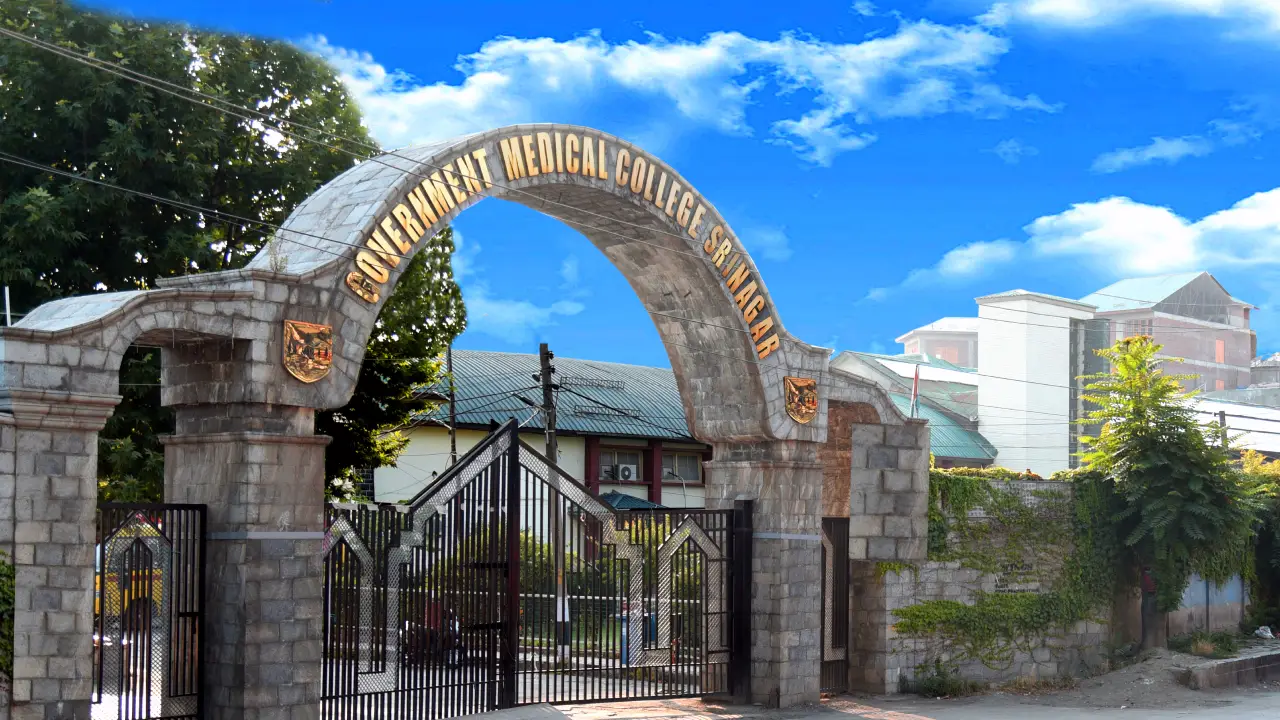
GMC Srinagar: The Pioneer
Established in 1959, GMC Srinagar is not only the first medical college of Jammu and Kashmir but also among the most respected medical institutions in northern India. From its modest beginnings in a small dispensary on the banks of the Jhelum near present-day Lalla Ded Hospital, the institution has, over six decades, grown into a cornerstone of medical education and healthcare in the region.
Under the pioneering leadership of Col GVS Murthy, the college began with the departments of Anatomy and Physiology. In 1961, it was shifted to its present campus at Karan Nagar and formally inaugurated by the then Prime Minister, Bakshi Ghulam Mohammad. That year also saw the admission of the first batch of 50 students.
The 1960s and 1970s were marked by rapid academic expansion. Postgraduate programmes in pre-clinical disciplines were introduced in 1966, followed by clinical subjects in 1968. By the 1980s, GMC Srinagar had established itself as a premier medical institution, drawing students from across India and overseas. In addition to MBBS and MD programmes, the college developed robust paramedical training streams, producing radiographers, laboratory technicians, pharmacists, and nurses.
Its principal teaching hospital, SMHS, evolved into a major tertiary care facility. The 100-bed maternity hospital at Lal Mandi was later expanded into the 500-bed Lalla Ded Hospital. Further growth came with the establishment of specialised institutions, including the Children’s Hospital at Bemina and the Bone and Joint Hospital at Barzulla. Today, GMC Srinagar is affiliated with eight hospitals: SMHS, Lalla Ded Hospital, Bone and Joint Hospital, Children’s Hospital Bemina, Psychiatric Diseases Hospital, Chest Diseases Hospital, the Super Speciality Hospital at Shireen Bagh, and Kashmir Nursing Home, collectively providing over 2,150 beds and serving more than 5,000 outpatients daily. SMHS alone, with 1,038 beds, handles between 2,000 and 3,000 OPD cases every day, making it one of the busiest public hospitals in the region.
So far, GMC Srinagar has produced over 4,000 MBBS graduates and nearly 1,000 postgraduates. Its alumni have earned distinction worldwide in clinical practice, public service, and medical research. This enduring legacy is now complemented by the institution’s expanding role in super-specialised care.
In the academic session 2025–26, GMC Srinagar is set to strengthen its super-speciality portfolio. It has received a Letter of Permission to introduce two DM seats in Neurology, along with approval for additional DNB seats—one each in Cardiology and Plastic and Reconstructive Surgery, and two in Thoracic Surgery.
Yet, GMC Srinagar faces critical manpower gaps. Of the 250 sanctioned faculty positions, 50 remain unfilled. The shortage is especially acute in super-speciality fields such as DM/MCh, Radiology, and Biochemistry, posing a significant challenge to its future ambitions.
As it enters its 55th year, GMC Srinagar stands at a defining crossroads: a legacy institution with a towering past and the potential to lead Jammu and Kashmir’s transition into advanced medical education and patient care.
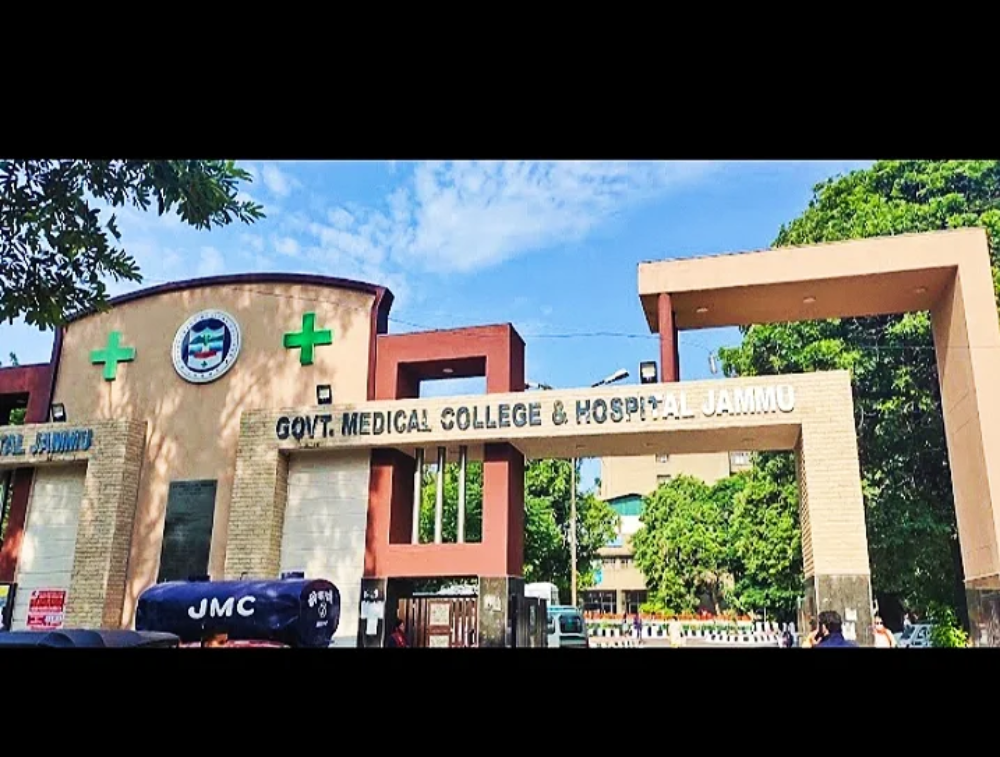
GMC Jammu: The Regional Backbone
Founded in 1973, GMC Jammu is located in the heart of Jammu city. Over the last five decades, it has produced generations of doctors, surgeons, and healthcare professionals. It was envisioned as a dual-purpose institution, to impart quality medical education and to provide advanced medical services to the people. It offers undergraduate MBBS and postgraduate MD/MS programmes across a wide range of disciplines.
GMC Jammu has eight associated institutions providing layered and specialised care. These include Medical College Hospital (MCH), its principal teaching hospital; Shri Maharaja Gulab Singh (SMGS) Hospital, which has been operating since 1940;
Chest Disease Hospital; Psychiatry Disease Hospital at Resham Ghar Colony; Super Speciality Hospital; Bone and Joint Hospital; Maternity and Childcare Hospital, Gandhi Nagar; and newly established State Cancer Institute (SCI), Jammu. Together, these hospitals form the backbone of tertiary care in the Jammu region.
For the 2025–26 academic session, the college has proposed a further expansion of its postgraduate programmes, including the introduction of new Diplomate of National Board (DNB) seats, with final approvals currently awaited.
Despite its steady growth, the institution continues to face structural challenges. Of the 250 sanctioned faculty positions, 40 remain unfilled, with critical shortages in Emergency Medicine, Critical Care, and Anatomy. These gaps have the potential to constrain both academic expansion and the diversification of clinical services.
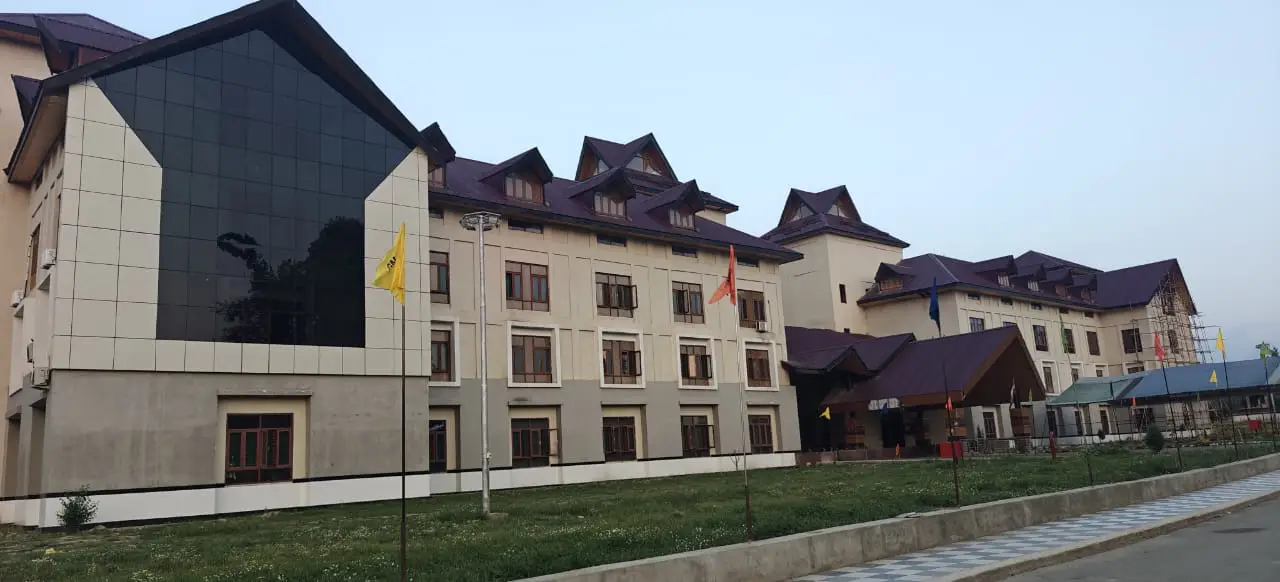
GMC Anantnag: A Rising Pillar
Established in 2018, GMC Anantnag has swiftly positioned itself as a vital institution for medical education and tertiary healthcare in South Kashmir and the adjoining Pir Panchal belt. Strategically located in Dialgam, approximately seven kilometres from Anantnag town, the college was conceived as part of the Government of India’s initiative to expand medical education infrastructure in underserved regions. It is affiliated with the University of Kashmir and recognised by the National Medical Commission (NMC).
The college commenced its MBBS programme in 2019 with an annual intake of 100 students through the NEET examination. Since then, it has steadily grown into a multidisciplinary institution with expanding academic and clinical footprints. Notably, postgraduate training was introduced in 2020 with the Diplomate of National Board (DNB) and Postgraduate Diploma courses. The postgraduate strength has seen a rapid rise from 32 in 2020 to 55 by 2023. Besides, it oversees a dedicated College of Nursing and Paramedical Sciences (CNPS) with 100 undergraduate berths annually, and provides academic and administrative oversight to nursing and paramedical institutions in Kulgam, Pulwama, and Shopian districts.
The college’s clinical arm functions through two major associated hospitals, Mirza Mohammad Afzal Beigh Memorial District Hospital (MMABM) at Janglat Mandi and the Maternity and Child Care Hospital (MCCH) at Sherbagh. These are supported by a Rural Health Training Centre (RHTC) in Sagam (Kokernag) and an Urban Health Training Centre (UHTC) in Brakpora. Together, they provide a critical health safety net across South Kashmir’s densely populated districts. It has 132 DNB trainees enrolled and has applied for 34 MD/MS seats.
But problems remain. Of the 150 sanctioned teaching posts, 90 are currently filled. Out of 104 faulty positions, only 72 are filled. Crisis areas include Neurology, Cardiology, and Pathology. Infrastructure expansion and retention of super-speciality faculty remain critical challenges in the near term. Officials said the infrastructure is coming up.
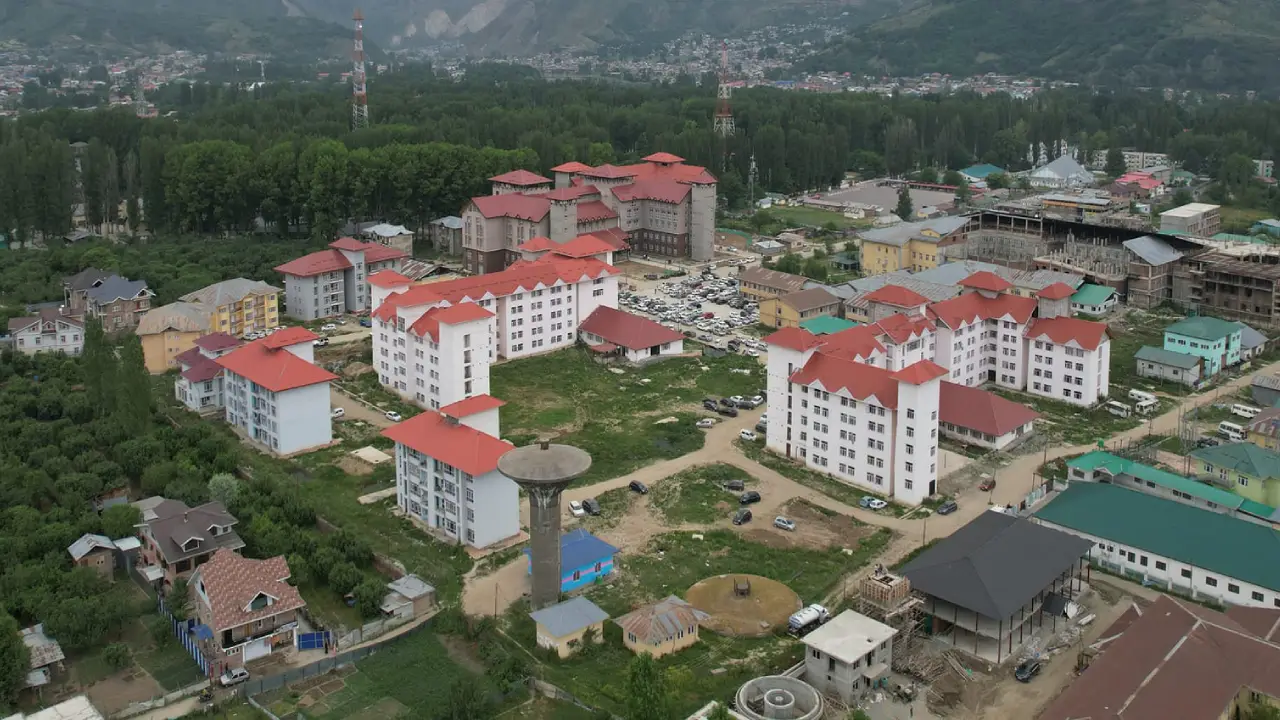
GMC Baramulla: An Anchoring
Established in 2018, GMC Baramulla has rapidly emerged as the flagship medical institution in North Kashmir. Strategically located in Kanthbagh, near the town, the college serves as a crucial tertiary-level healthcare and teaching facility for the northern region.
Of its 100 berths, 85 per cent of seats fall under the Union Territory quota, while the remaining 15 per cent are allocated to the All India Quota. In a bid to strengthen the region’s healthcare workforce, the college has also added nursing and paramedical courses in recent years. Since 2020-21, it launched DNB and Post-MBBS Diploma programmes in key clinical specialities.
The college is linked to the Government District Hospital, Baramulla, the largest government hospital in the area, with a daily footfall of 4000 patients. It also has a dedicated Maternity and Paediatric Hospital, located a few kilometres from the main campus. Besides, Urban and Rural Health Training Centres at Old Town Baramulla and Kalantra, respectively, ensure that community-based education remains a foundational pillar of medical training at GMC Baramulla. It has applied to the NMC for 16 MD/MS seats and some berths for DNB.
Of the 150 sanctioned teaching posts, only 85 have been filled so far. Its crisis areas include Oncology, Nephrology, and Microbiology. Out of 104 faulty positions, only 69 are filled. Officials said the GMC’s main academic and administrative campus is operational but still requires some finishing touches. Its 200-bedded Teaching District Hospital is going to be operational later this year.
Officials said the project is complete up to 95 per cent, as Rs 113.49 crore has been completely utilised as early as March 2025. In the 200-bed hospital, a sum of Rs 27-98 crore has been spent against the Rs 30 crore allocation.
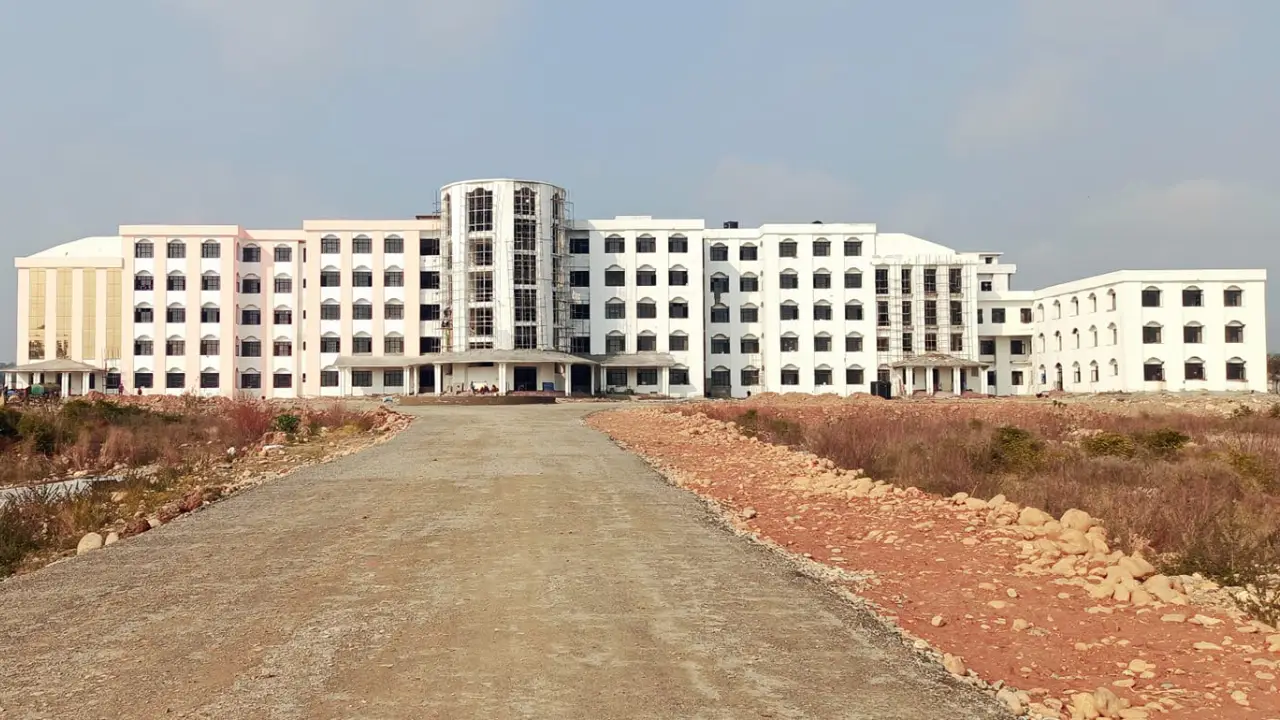
GMC Kathua: Expanding the Frontiers
Established in 2017, the 100-seat GMC Kathua is strategically located in Chak Sajjan village, approximately four kilometres from the town.
As a newer institution, GMC Kathua is in the process of developing modern academic infrastructure, including well-equipped lecture theatres, dissection halls, laboratories, libraries, and hostels.
To strengthen its postgraduate medical training, the college has submitted an application to the NMC for 24 MD/MS seats for the academic year 2025-26 across nine departments. It has already received approval for four DNB seats.
Of the 150 sanctioned faculty posts, 95 are currently filled. Out of 104 faulty positions, only 71 are filled.
Officials said that against a revised cost of Rs 161.72 crore, they have spent Rs 147.60 crore.
GMC Kathua is expected to play a pivotal role in decentralising tertiary healthcare in Jammu and Kashmir by reducing dependence on older, centrally located institutions. Its geographic location, close to Punjab and Himachal Pradesh, adds to its relevance and outreach.
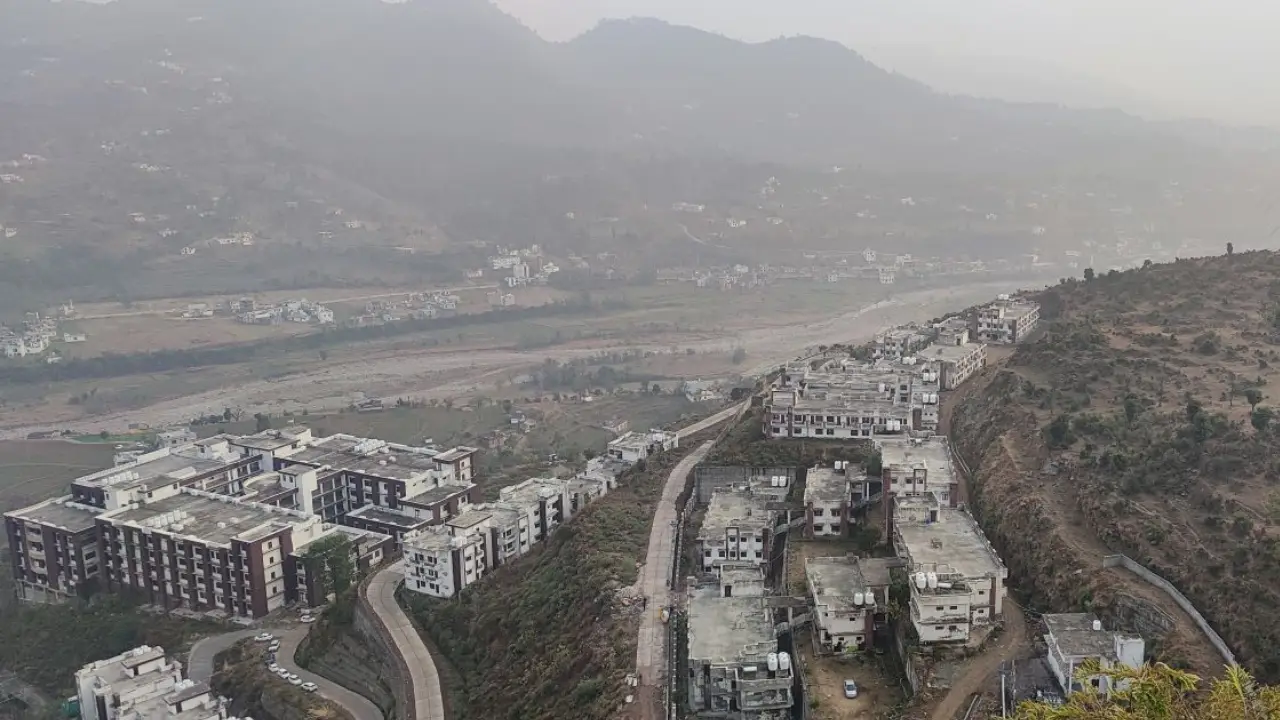
GMC Rajouri: Tackling Pir Pachal
Located three kilometres from the Rajouri town, the college has its permanent campus still under construction, but the academic activities commenced in 2019 from a makeshift setup within the premises of the existing District Hospital Complex. To meet its immediate requirement, the administration established essential teaching infrastructure, including two gallery-style lecture halls (each seating 120 students), a 250-square-metre dissection hall, four laboratories, and a 400-square-metre central library. Besides, four nearby buildings were hired to house residential and office spaces for faculty and students, allowing the institution to launch its first MBBS batch.
The 100-berth college is, however, suffering from faculty positions. Out of 120 sanctioned posts, only 45 have been filled, leaving 75 vacancies across clinical and pre-clinical departments. The college currently operates with 52 academic staff members out of 104 sanctioned under various recruitment heads.
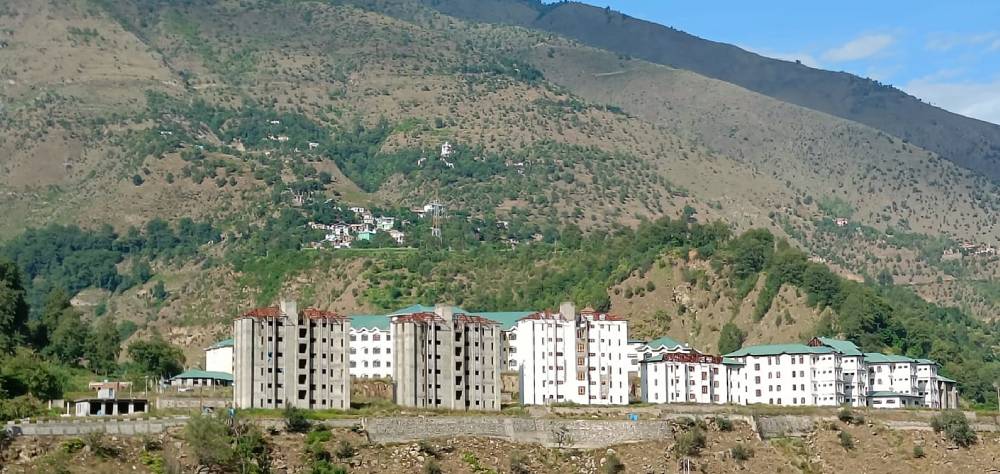
GMC Doda: Managing the Chenab Valley
The cluster of buildings visible from the Batote-Kishtwar highway after Pul Doda is GMC Doda. Located in Ghat, a few kilometres from Doda, the 100-seat GMC will take some time to emerge as the major address for healthcare in the region. It is currently undergoing the National Board of Examinations (NBE) accreditation process for DNB.
Out of 104 sanctioned faculty posts, only 41 are currently in position, highlighting a significant shortfall. It is managing the show through academic arrangements. In the gazetted cadre, it has 267 sanctioned positions, but 123 are vacant. In non-gazetted, 126 of 432 positions are vacant. Of 117 multi-tasking staff, 47 are vacant.
As of March 2024, a total of Rs 183.955 crore has been spent on the physical and functional infrastructure. The college is coming up for Rs 164.90 crore.
GMC Handwara: Flooded Ambitions
GMC Handwara, conceived as a cornerstone of healthcare and medical education for North Kashmir under Phase III of the Centrally Sponsored Scheme for new medical colleges, has gradually come to exemplify the costs of flawed planning and environmental neglect. What was envisaged as a transformative public institution has instead been repeatedly stalled by hasty site selection, administrative lapses, and an underestimation of flood risk in a highly vulnerable terrain.
The original site selected for the medical college lay along the right bank of Nallah Pohru, a watercourse long known for its volatile behaviour. In the spring of 2024, the site was struck by a series of severe flood events that brought construction to a standstill and exposed the inherent unsuitability of the location. On March 29, floodwaters rose approximately 0.6 metres above ground level, and by April 28, floodwaters exceeded four metres, submerging constructed buildings up to the first floor. These repeated inundations left little scope for remedial engineering solutions.
An expert committee led by the Chief Engineer of the Public Works (R&B) Department was subsequently tasked with evaluating the damage and the long-term viability of the site. Its conclusion was unequivocal. The committee declared the location non-tenable, citing chronic exposure to flooding and the inadequacy of proposed flood-protection measures, and warned that continued construction would pose unacceptable structural and financial risks.
In follow-up, the General Administration Department on December 16, 2024, constituted a high-level site relocation committee under the chairmanship of the Divisional Commissioner, Kashmir. The committee conducted a fresh assessment of alternative locations with reference to safety, soil stability, accessibility, and long-term sustainability. Its report, submitted on January 10, 2025, formally recommended relocation of the college. Kulangam initially emerged as the preferred alternative, with around 208 kanals of land proposed for transfer through the Agriculture Production Department, but administrative and procedural hurdles ultimately prevented the site from being secured.
The uncertainty surrounding the project began to exert severe financial pressure. Of the Rs 325 crore sanctioned for GMC Handwara, only Rs 173 crore had been released, and Rs 103.09 crore utilised. By the time work was halted, physical progress at the original site stood at a mere 12 per cent. The Ministry of Health and Family Welfare had already extended the project deadline to March 2025, but with construction paralysed, the Jammu and Kashmir government was compelled to seek a further extension until March 2027, submitting repeated representations between August 2024 and February 2025.
With Kulangam no longer feasible, a decisive turn came in March 2025, when a high-level meeting resolved to shift the project to Nathnusa. Construction at the new site is now underway for the 200-bedded Teaching District Hospital that forms the core of the medical college complex. The revised completion target has been set for March 2026, though officials privately concede that the timeline will require constant monitoring and acceleration.
To support the relocation, an additional Rs 70 crore has been earmarked, including expenditure already incurred at the abandoned Chougal site and fresh allocations for Nathnusa.
Despite prolonged uncertainty on the ground, the 100-seat GMC Handwara has made limited progress on the academic front. The institution has secured approval for seven DNB seats, with two in General Surgery and five in General Medicine. However, staffing remains a major constraint. Of the 110 sanctioned faculty positions, only 43 are currently filled.
Today, GMC Handwara exists in a state of uneasy transition, its future shaped as much by Kashmir’s fragile geography as by the quality of administrative decision-making.
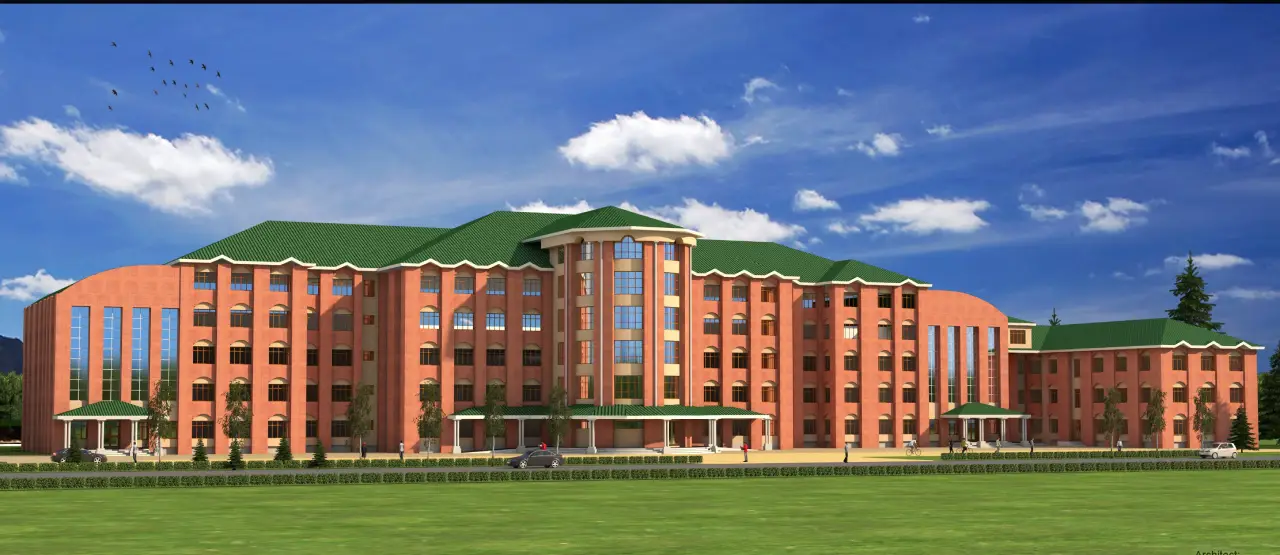
GMC Udhampur: A Dual-Campus College
Established in 2019, GMC Udhampur was originally envisioned as a unified campus, but the lack of a contiguous 200-kanal land parcel necessitated the formulation of a dual-site model, a decision permitted under National Medical Commission (NMC) norms for hilly regions.
The college’s infrastructure is currently distributed across two separate sites. The district Hospital Udhampur (60 kanals) hosts the 200-bedded teaching hospital in a congested urban location. Almost 10 km away is Baili village, where administrative blocks, hostels, residential quarters, an auditorium, and non-clinical departments are coming up over an area of 170 kanals.
Out of 110 sanctioned faculty positions, 50 are currently in place, while 60 remain vacant.
Against the project cost of Rs 325 crore, funds to the tune of Rs 176.11 crore (including Rs 26.11 crore of state share) have been released and utilised. Officials said the college is complete up to 75 per cent.
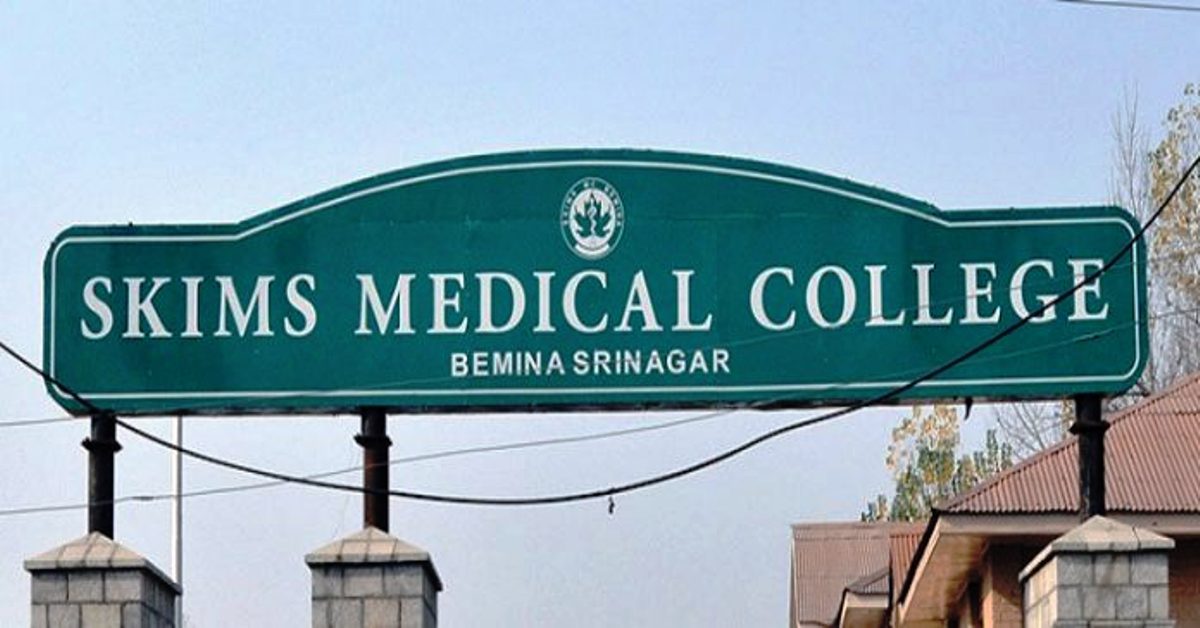 SKIMS Medical College, Bemina
The 125-seat SKIMS College in Bemina occupies a central place in Kashmir’s medical education and healthcare network, though its evolution has been marked by institutional uncertainty, state intervention, and phased consolidation.
The institution began in 1989 as the privately run Jhelum Valley Medical College under a local trust, followed by the establishment of a teaching hospital in 1993, but the college functioned for years without Medical Council of India recognition, leaving three graduating batches in professional limbo and unable to pursue employment or postgraduate training. Confronted with mounting student distress and administrative stagnation, the then Farooq Abdullah government intervened in 1998, taking over the college and affiliating it with SKIMS Soura, thereby integrating it into the public health education system and salvaging both student careers and institutional credibility.
Spread over 400 kanals, the Bemina campus was subsequently redeveloped through fresh faculty, nursing and paramedical appointments and a comprehensive architectural redesign aligned with MCI norms.
Parallel to its academic consolidation, the SKIMS Medical College and Hospital at Bemina has been under construction since 2017-18 at an estimated cost of Rs 88.13 crore, with Rs 76.74 crore approved under the Prime Minister’s Flood Restoration Package of 2014.
Officials said they have spent Rs 46.90 crore on the 250-bed IPD block against an allocation of Rs 73.26 crore.
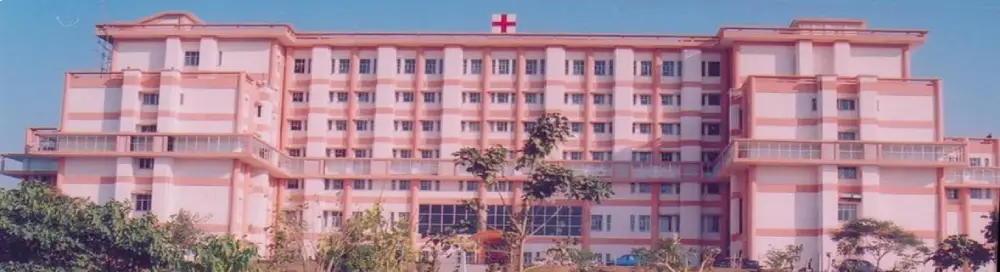
ASCOMS Jammu: A Lone Private Entity
Located at Sidhra on the outskirts of Jammu, Acharya Shri Chander College of Medical Sciences (ASCOMS) is the region’s first private medical college. With an annual intake of 100 MBBS students and 10 postgraduate seats, the institution has evolved into a significant contributor to healthcare delivery and medical training, albeit with structural and locational constraints.
Established in 1994 by the Shri Chander Chinar Bada Akhara Udasin Trust, an organisation originally constituted to manage a Hindu religious shrine in Srinagar, the Jammu and Kashmir government leased approximately 350 kanals of land to it in 1990 at concessional rates, with the condition that seats would be reserved for students from economically weaker sections of the local population.
The college has a 507-bedded multi-disciplinary hospital. The Trust retains ownership and academic oversight, but hospital operations are managed by the Batra family, a prominent regional business group. The institution currently employs over 780 personnel, including 253 faculty members and nearly 300 nursing staff, and runs 26 academic departments covering core specialities as well as super-specialities such as cardiology and neurology.

SMVDIME: A Faith-Led Vision
Run by Shri Mata Vaishno Devi Shrine Board (SMVDSB), the Shri Mata Vaishno Devi Institute of Medical Excellence (SMVDIME) is one of the best infrastructure-rich hospitals with most of the basic facilities. A defining strength of SMVDIME is its immediate linkage to the Shri Mata Vaishno Devi Narayana Super-Speciality Hospital, operated in partnership with the Narayana Health group, which will function as the teaching hospital and is slated for expansion by 200–220 beds at an estimated cost of Rs 120 crore, taking total capacity to around 250 additional beds to meet National Medical Commission norms. The medical college campus is being developed on 34 acres adjoining SMVDU, with another 11 acres earmarked for a future Dental College.
It had commenced operations from the administrative block of Shri Mata Vaishno Devi University at Kakryal, and was permitted to have the first batch of 50MBBS seats. Everything went as per the script till right-wing groups protested over the presence of the 42 Kashmiri Muslim students, and eventually, NMC rolled back the recognition for lack of adequate infrastructure.