As the families across the Jammu and Kashmir area await an enumerator’s doorbell to get counted for the Census 2027, Masood Hussain narrates the long story of the first census that was carried out in 1891
Almost 135 years ago, a man named Rai Bahadur Pandit Bhag Ram sat down to do something that had never properly been done before: count the Kashmir State. Not just any official, he was also the Judicial Member and Secretary of the State Council of the Maharaja of Kashmir, a powerful administrative position in a princely state that was technically sovereign, answerable to the British Crown only in matters of foreign policy.
The result of the 1891 Census was out in 1893 and runs into 462 pages. It counted 25,43,952 people across a territory of 80,900 square miles, roughly the size of Britain, stretching from the Punjab plains to the glaciers of the Karakoram, from the shawl-weaving lanes of Srinagar to the semi-Tibetan plateau of Ladakh. It classified them by religion, caste, occupation, birthplace, language, literacy, and marital status. From priests to scavengers, from shawl merchants to dancers, the exercise recorded what they believed, who they served, and what they were worth to a family that owned the state.
“No previous census appears to have been taken,” Pandit wrote, “the enumeration of 1873 being far from reliable.” This meant that his exercise was the first credible one. By then, Jammu and Kashmir did not exist. It was the Kashmir State.
The Kashmir State
The Kashmir State was not a compact or easily governed territory. It was an assemblage of valleys and glaciers, of plains and plateaus, of peoples who had either been conquered or simply purchased.
It began where the Punjab plains ended, and it did not stop until it reached Chinese Tibet. To its north lay the Karakoram Mountains and a scatter of semi-independent hill chiefships. To its south and west lay the British Punjab, the districts of Rawalpindi, Jhelum, Gujrat and Sialkot, the arteries of empire.
Then, 31 people inhabited a square mile.
For administrative purposes, it was divided into two major provinces and three frontier districts. The provinces were Kashmir and Jammu. The frontier districts were Ladakh, Skardu and Gilgit. Jammu encompassed three feudatory jagirs, Ramnagar, Bhadrawah and Punch, territories held by subordinate nobles who governed their own people but within the Maharaja’s larger sovereignty. It was, in the language of the census, a state of “fiscal subdivisions” and tehsils, of villages enumerated and revenue extracted. There were a total of eight towns and 8411 villages. Ladakh, Skardu and Gilgit had no towns at all.
Broadly, there were three distinct physical regions: the mountain range of Jammu, the high and fertile Kashmir, enclosed by mountain ranges, and the Tibetan belt of Ladakh and Gilgit, a landscape of rock and altitude where the rainfall was a rumour.
The Jammu region was more populous. It contained 14,39,543 people against Kashmir’s 9,49,041. Bhimbar, bordering the Punjab, was the most densely settled, with 3,55,499 people spread across 858 villages. Punch, the jagir on the western edge, had 2,68,608 people in 489 villages. Reasi had 1,91,367. Ranbir Singhpora, a settlement named after a former Maharaja, had 2,39,585. Udhampore, running north into the mountains through Ramban and Kishtwar, had 1,50,707 people thinning out as the valleys narrowed. Jasrota, to the east along the Ujh river, had 1,51,618.
The Kashmir region was smaller in population but larger in reputation. Its four subdivisions were Khas, the core of the Valley around Srinagar, with 3,09,785 people; Kamraj, to the north, with 2,55,564; Anantnag, to the south, with 2,24,558; and Muzafferabad, on the western frontier along the Jhelum, with 1,34,800.
The frontier districts added 1,55,368 more: 28,274 in Ladakh, 1,10,325 in Skardu, and 16,769 in Gilgit, termed by the census as “sparsely peopled.”
Interestingly, the census was candid about the limits of its own geographic knowledge. “The provinces and districts have never been brought under measurement,” Pandit wrote, “and it is under the circumstances impossible to determine the order in which the districts fall when arranged according to area.” The population figures he was confident of. Where, precisely, one district ended, and another began was, he admitted, “mere guesswork based on personal local knowledge of the country.” It was that kind of state that Kashmir State was by the fall of the 19th century.
Eight Towns
In a territory the size of Britain, with 2.5 million people spread across 8411 villages, the urban world amounted to eight settlements, four towns each in Kashmir and Jammu. Their combined population was 1,97,743, less than eight per cent of the state’s total. The rest of the Kashmir State lived, and had always lived, in villages.
The four towns of the Jammu region were Jammu itself, with 34,542 people; Punch, with 7,489; Mirpore, with 7,253; and Batala, with 5,206. Together they held 54,490 people.
The four Kashmir towns were Srinagar, with 1,18,960; Anantnag, with 10,227; Sopore, with 8,410; and Baramula, with 5,656. Together they held 1,43,253 people. The disproportion is immediate and striking. Srinagar alone accounted for 1,18,960 people, more than sixty per cent of the entire urban population of the state. Of the remaining seven towns, the census says plainly: they are “hardly of any importance to deserve special mention.”
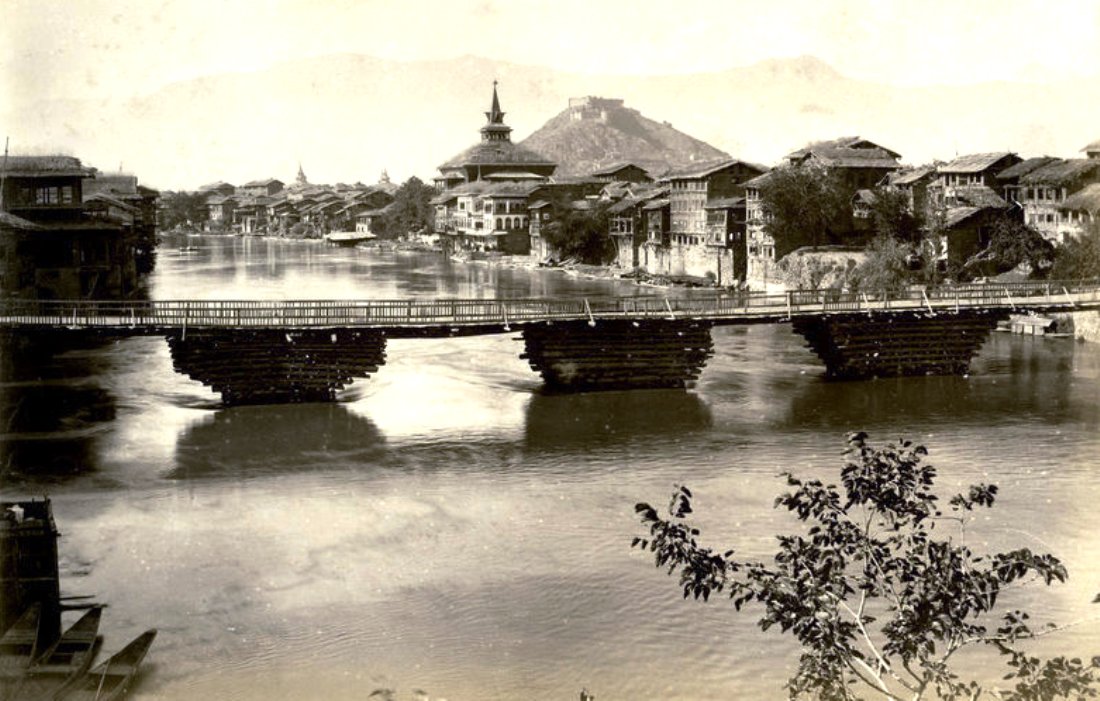
That explains why Srinagar emerged as the exception to every rule in Bhag Ram’s document. The city was situated on the banks of the Jhelum in the middle of the Valley, “picturesquely,” he wrote, extending for about two miles along the river, which divided it into two roughly equal halves connected by seven bridges. Surrounded by low swampy tracts that made it, in his careful phrasing, “unhealthy”, he mentioned fires were “frequent and often very destructive”.
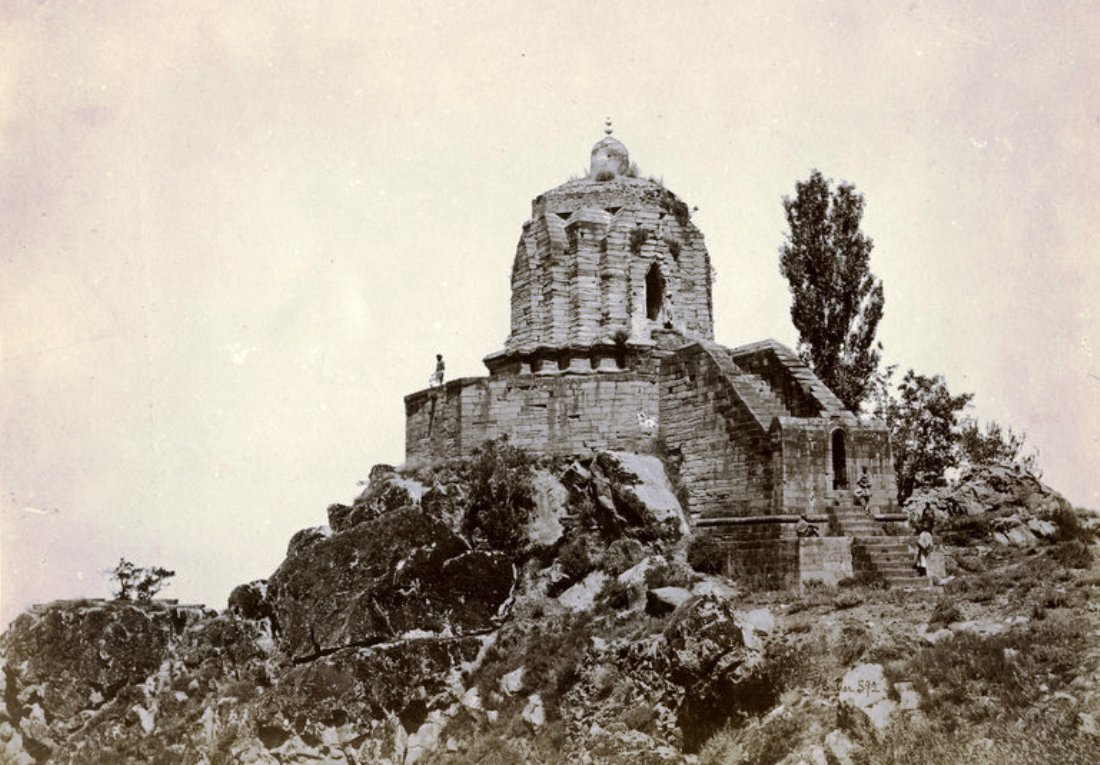
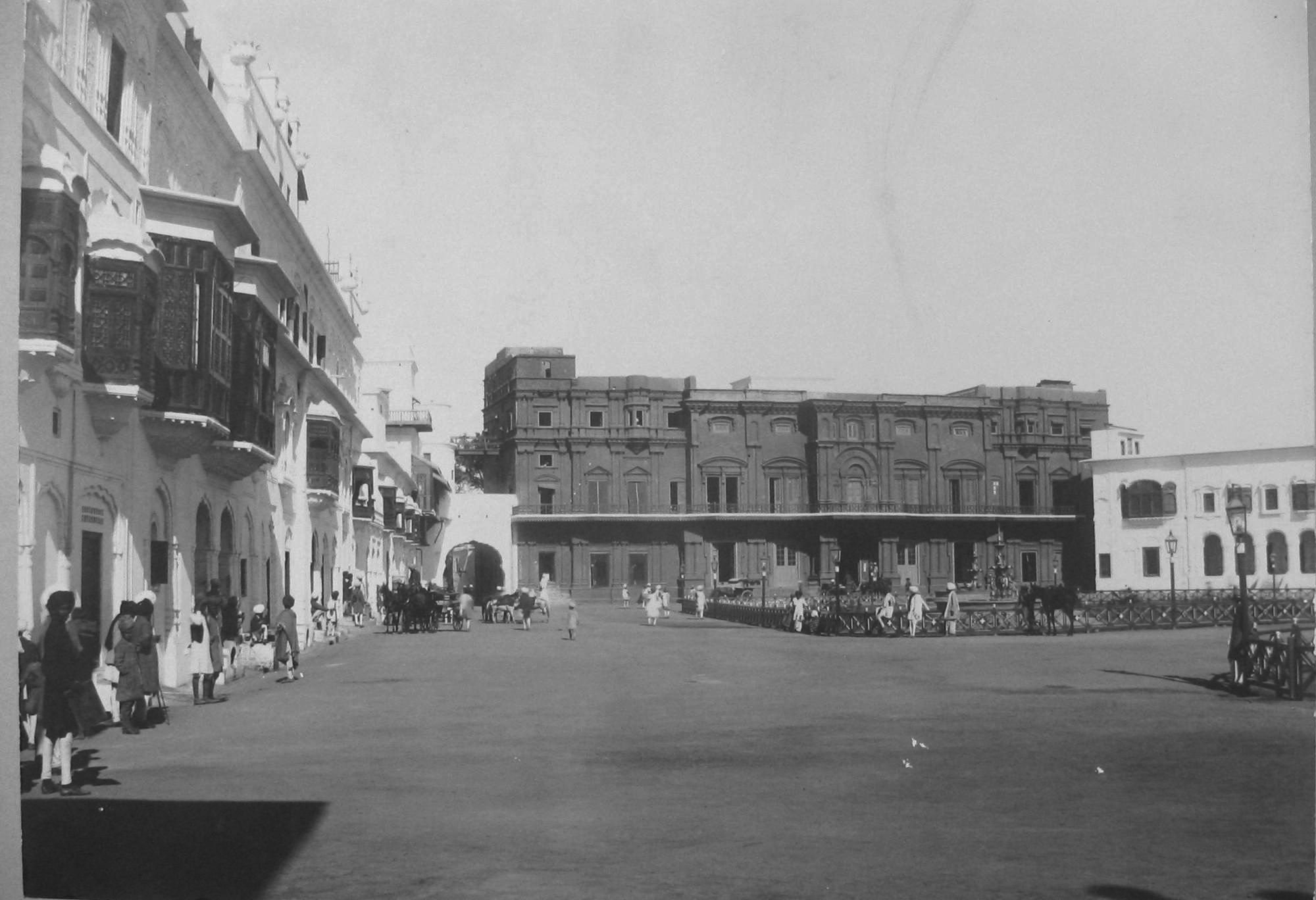
The public buildings were few. There was the Baradari palace, the fort, a gun factory, a dispensary, a school, and a mint. There were ancient mosques, temples and cemeteries. The streets were “generally narrow” and “very dirty and unfit to be visited by ladies”. And yet, surrounding this unglamorous reality was a city of genuine antiquity and beauty. The Takht-i-Suleman overlooked the city from a hill. On its summit stood a stone temple that Hindus called Shankhr Acharya, built, the census noted, by Jaloka, a Buddhist, son of the emperor Asoka, around 220 BC. The Hari-Parbat fort on its isolated hill, 250 feet high, has its surrounding wall built by Akbar in 1590 at a cost of a million pounds sterling. The Shergarhi within the city, 400 yards long by 200 wide, its walls 22 feet high, containing the state apartments, government offices and barracks.
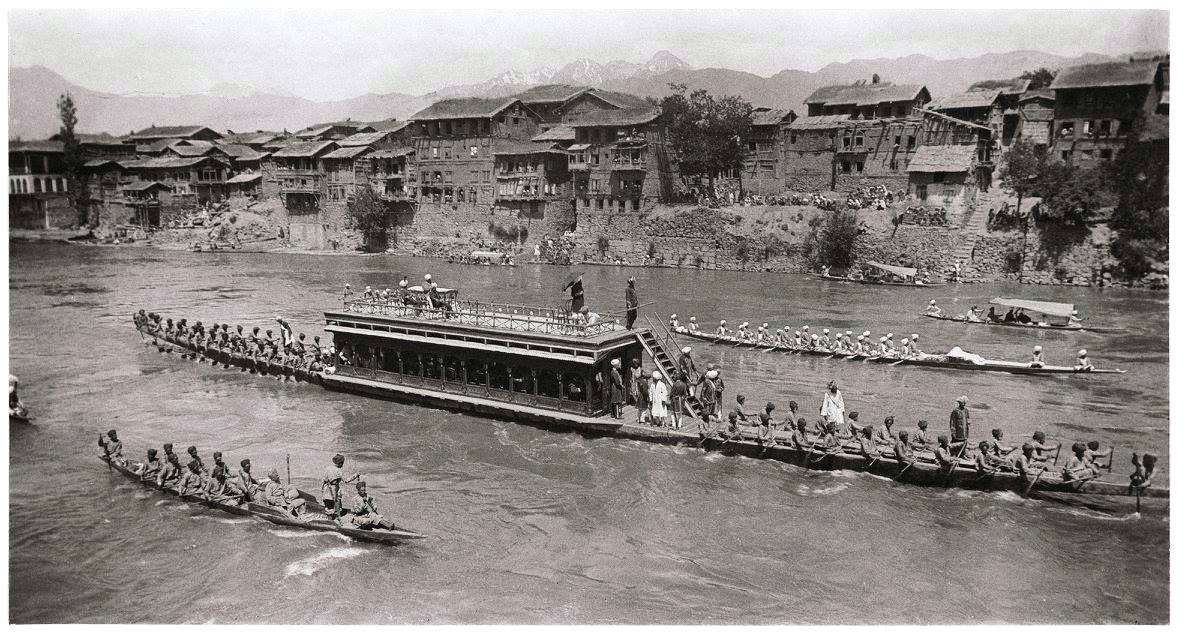
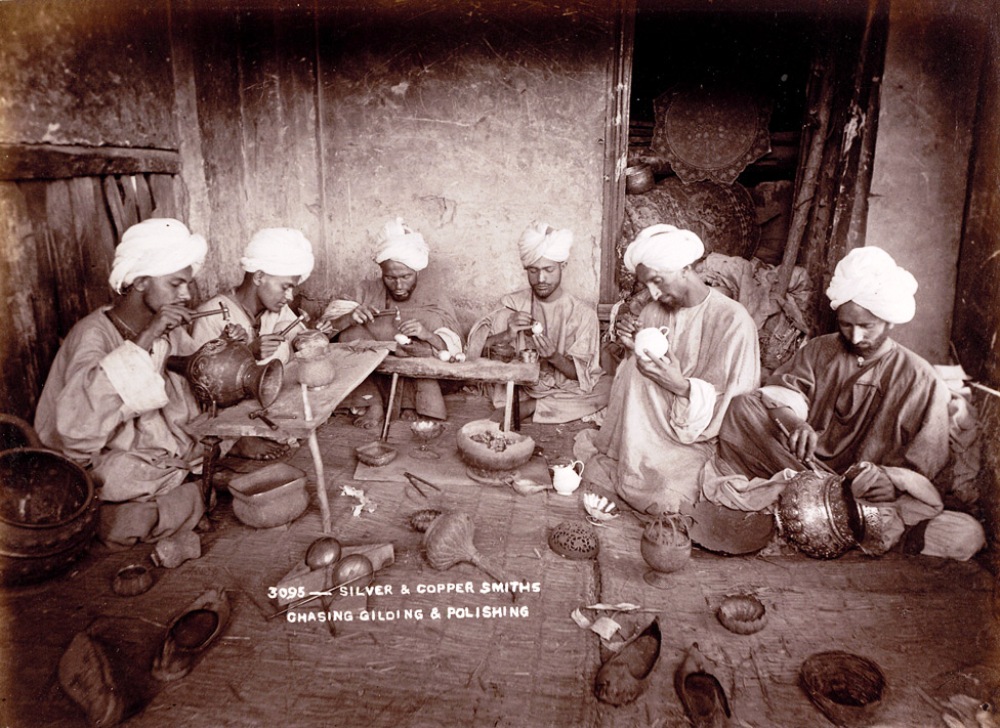
Then there was the Dal Lake, “the city lake of Kashmir, which has been sung by Thomas Moore in Lalla Rookh”. The Shalimar Bagh, laid out by the Mughal emperor Jahangir, where Moore had set his poem. The Nasim Bagh, or garden of bliss, was first planned by Akbar. Around the city’s outskirts, large mansions of great shawl merchants and bankers, exhibiting “beautiful specimens of trellised wood-work.” The Maharaj Ganj bazaar, recently built for the convenience of visitors, where “all the manufactures peculiar to Kashmir can be readily obtained.” A large population of shawl weavers with their complement of dyers, washers and brokers. Silver workers. Papier-mâché painters.
The Juma Masjid, described in detail as “a very large four-sided building, with an open square in the centre and a wooden steeple in the middle of each side, the roof of the surrounding cloister supported by wooden pillars, each formed of a single deodar tree about 30 feet high.”
Srinagar was, and knew itself to be, a Muslim city in every texture of its daily life, its markets, its craftsmen, its architecture, its streets. The census numbers confirm what the description implies: of Srinagar’s 1,18,960 people, 92,575 were Muslim. That is 77.8 per cent. The Hindu population of the state’s largest and most celebrated city was 26,069 (under 22 per cent).
Jammu, by contrast, was the seat of power. The palace and the town stood on the right bank of the Tawi River. The fort overhung the left bank at an elevation of 150 feet above the stream. It was, the census stated, “the seat of the Government” and “the largest city in the province.” It was also, by the numbers, a Hindu-majority city, the only significant settlement in the entire state where Hindus outnumbered Muslims. Of its 34,542 people, 22,355 were Hindu and 11,601 were Muslim: 64.7 per cent Hindu, 33.6 per cent Muslim. This was not an accident of demography. It was the geography of power. The Hindu concentration in Jammu town was the concentration of a ruling apparatus, officials, soldiers, priests, and merchants.
Step outside Jammu town into the surrounding Jammu Division, into Bhimbar, Reasi, Punch, Udhampore, Ranbir Singhpora, and the arithmetic reversed entirely. The Jammu Division as a whole was 55.5 per cent Muslim and 44.3 per cent Hindu. The Dogra heartland, the home territory of the ruling family, was a Muslim-majority region. Only the capital city was Hindu, but the land surrounding it was not.
The Home
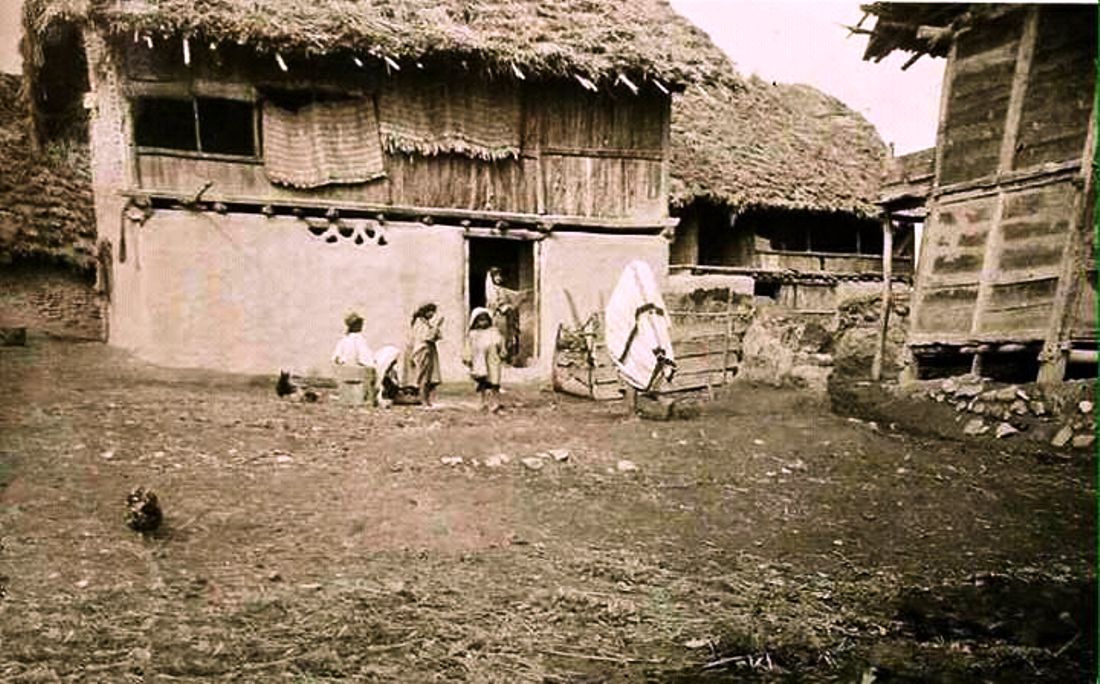
The Kashmir State had 4,47,993 occupied houses. Of these, only 36,252 (8.1 per cent) were in its eight towns. The remaining 4,11,741 houses, nine-tenths of the state’s entire housing stock, were spread across 8,411 villages. The village, the census noted bluntly, was “one made for fiscal purposes without any reference to collocation”.
In the Jammu Division, the average village had 58 houses. In the Kashmir Valley, the average fell to 33. In Gilgit, where the terrain was harshest and the population thinnest, the average was only 21 houses per village. Skardu presented the most striking anomaly of all: its 243 villages averaged 129 houses each, the highest in the state, but only 3 persons per house, the lowest anywhere.
At the other extreme, the Kashmir Valley was the most densely housed. In Khas, the central district around Srinagar, each house averaged 7 persons. So was Kamraj and Muzafferabad. The census recorded Srinagar’s 1,18,960 people in 22,448 houses, an average of 5 per house for the city.
In Jammu Division, the average was consistently 5 persons per house across most sub-divisions, rising to 6 in Udhampore and 7 in the Punch Jagir. Jammu town had only 6,194 houses in which 34542 people lived.
The Arithmetic of Faith
The census is precise about religion. On the night of the enumeration, every person in the Kashmir State was placed into one of seven categories: Hindu, Jain, Sikh, Mohamedan, Buddhist, Christian or Parsi. There were, Pandit noted with the thoroughness of a man who had checked, “no Jews on the night of the Census.”
Of 25,43,952 people counted, 17,93,710 were Muslim (70.5 per cent). Hindus numbered 6,91, 800 (27.7 per cent). Buddhists numbered 29,608 (1.2 per cent), found almost entirely in Ladakh. Christians were 218. Parsis were 9. Sikhs numbered 11,399, confined entirely to Jammu (5926) and Kashmir (5473). Jains were 593, every one of them in Jammu Division, almost certainly the small merchant community of Jammu city.
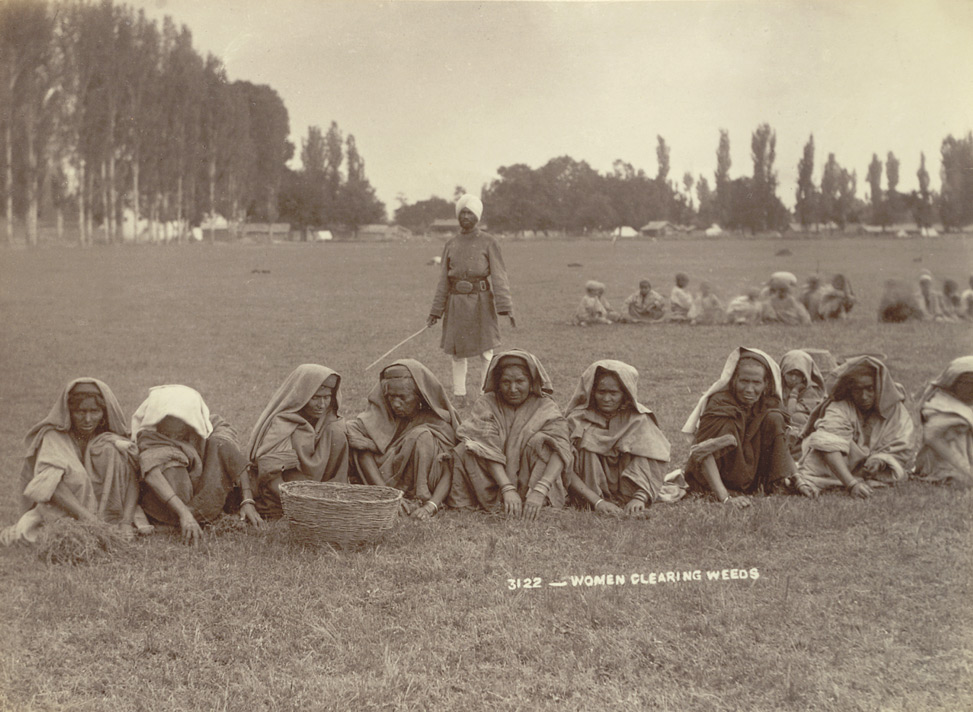
These numbers, on their own, are striking enough. Kashmir state was seven-tenths Muslim. But the aggregate conceals more than it reveals. The provincial breakdowns are where the story truly comes to life.
In the Kashmir Division, 8,83,099 (93.1 per cent) of 9,49,041 people were Muslim. The Hindu population was 60,316 (6.4 per cent). It gave the State the officials to rule.
In the Jammu Division, 7,97,459 (55.5 per cent) of 14,39,543 people were Muslim. The Hindu population was 6,31,225, or 44.3 per cent. Muslims were the majority. The only place where Hindus outnumbered Muslims was the town of Jammu.
Beyond these two provinces, the numbers become even more absolute. Skardu was 99.7 per cent Muslim. Gilgit’s counted population was almost entirely made up of a category the census listed as “unspecified”, and noted, parenthetically, were “mostly Mohemadans.” Ladakh was the exception: 88.9 per cent Buddhist, with Muslims at 10.5 per cent and Hindus.
“The Mohamedans of this State are, with few exceptions, purely of Indian origin. About 1000 AD, the population of Kashmir and Jammu Provinces was mostly Hindu, the majority being Brahmaus, Rajputs and Khatris; few Sayads,” Pandit wrote. “The Non-Indian or Asiatic Mohamedans consisted only of a few Moghals and Pathans, who were imported by the local Mohamedan rulers of the Country.”

Sectarian Demography
But Islam in this state was not a single, undivided faith. The census recorded the internal sectarian geography of the Muslim population with the same attention it brought to the Hindu-Muslim divide. By 1891, the census superintendent could report, drily, that the Shias and Sunnis were “avowed enemies” who “not unfrequently quarrel with each other”.
Pandit’s sectarian map of the state suggested that Kashmir was predominantly Sunni, while Ladakh was predominantly Buddhist. Gilgit was Shia, and Skardu was divided, two-thirds Shia, one-third Sunni, roughly 73,500 Shias and 36,800 Sunnis among its 1,10,325 people.
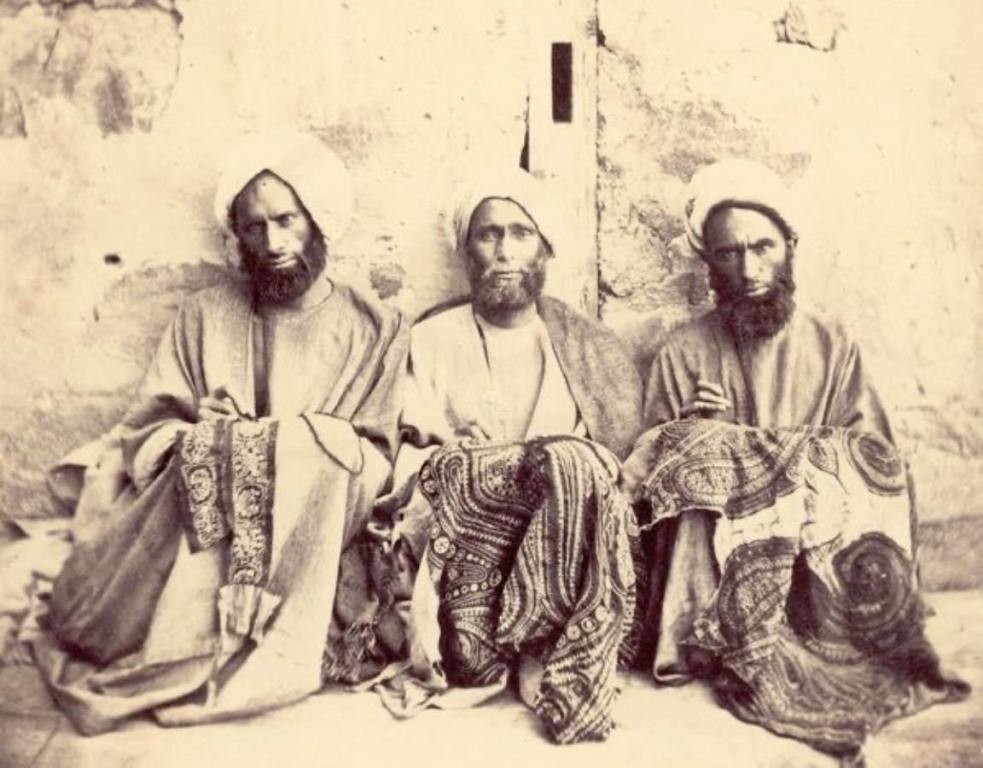
Interestingly, the census also recorded, with equal precision, the character of the Muslim population in terms of its origin. At the top stood the Ashraf, the noble classes, of non-Indian origin. The census enumerated them precisely: 1,14,393 Sayyeds, who claimed Arab descent and occupied the highest rungs of Muslim social prestige; 38,016 Pathans, of Afghan origin; and 16,588 Mughals, descendants of Central Asian Timurid stock. Together they numbered 1,68,997, which is 9.4 per cent of the state’s Muslim population.
The census noted, with careful qualification, that these groups “can be hardly classed as such”, foreigners, given centuries of intermarriage with local populations. Yet it was “significant”, the document observed, that they were “up to the present even known as bahar se ae hue“, those who came from outside. The social distinction, in other words, had not dissolved across four or five centuries of residence. Ancestry was still currency.
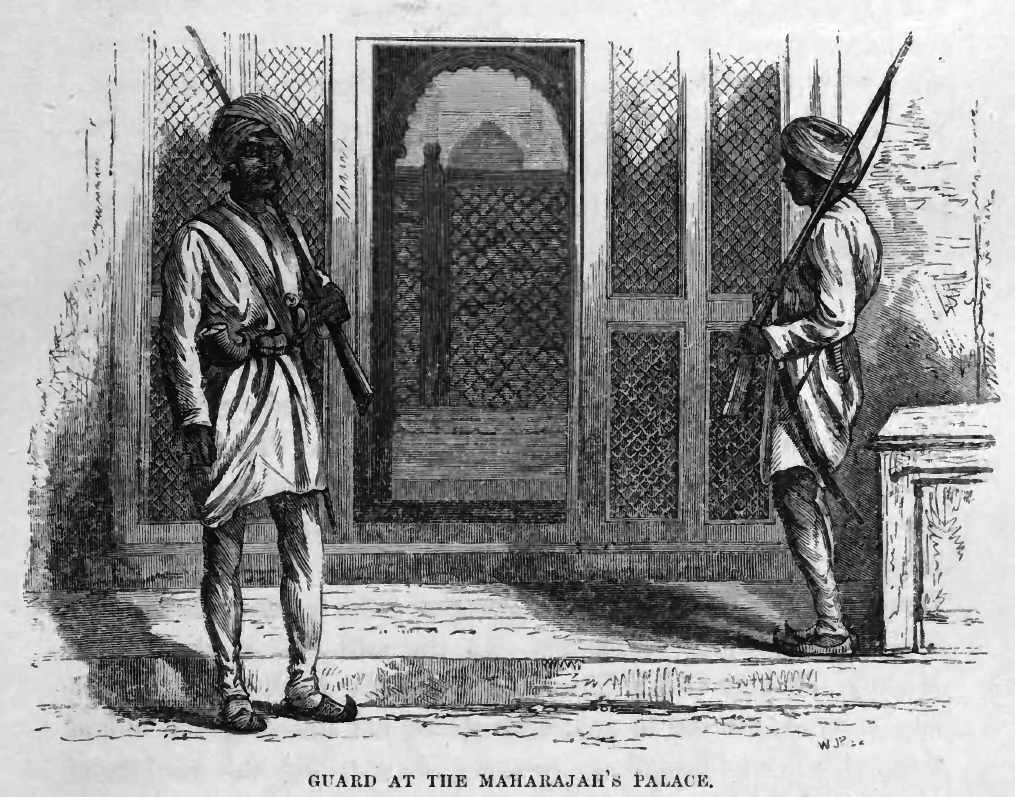
Below the Ashraf came the Sheikhs, 3,73,633 people, described in the census as “the convert class of Kashmir Mohamedans, as distinguished from the Sayad, Moghal or Pathan.” These were the Brahmans, Khatris and others who had embraced Islam over the preceding five centuries and now occupied a middle position in the Muslim social order. The Sheikhs included further subdivisions of their own: the Pirzadas, descendants of holy mendicants; the Baba Zadas, descendants of the Khalifas of Makhdum Sahib, whose shrine was “considered the most sacred in the country”; and the Kains, described as “the original Mohamedans of Srinagar city, considered also the purest and of the best descent.” Purity of descent, the very concept that Brahmanical Hinduism had institutionalised, had been reproduced within Kashmiri Islam, with its own gradations and its own snobberies.
At the base of the Muslim social pyramid stood the 16,24,713 people the census categorised as “tribes of Indian origin”, the vast agricultural and artisan majority of the state. These were the Bhat, the Dar, the Ganai, the Sufi, the Rathar, and the Raina. They were Muslim in faith and Kashmiri in every other respect, but they carried none of the social prestige of the Sayyed or even the Sheikh. They grew the food, wove the shawls, and composed over 90 per cent of the Muslim population.
The result was a state in which the religious divide was also, almost everywhere, a divide of power and occupation. Muslims grew the rice, wove the shawls, rowed the boats, carried the loads, and built the houses. Hindus, a small, highly educated, administratively positioned minority, ran the government. The census recorded this without dwelling on it. But in the column that listed occupations, and in the clause that named State service as the preserve of one community and excluded the other, the structure of the Kashmir State in 1891 was written down with clarity that no subsequent history has entirely erased.
The Rulers
The ruling dynasty was the Jamwal Rajputs, a clan the census traced through twelve generations to a semi-mythical founder named Jamulochan, from whom the name Jammu derived. From this lineage had come Gulab Singh, who, in 1846, after the Anglo-Sikh War, purchased Kashmir from the British for 75 lakh Nanakshahi rupees under the Treaty of Amritsar and added it to his existing territory of Jammu. The census did not dwell on this purchase, but it was the foundational transaction of the state that Bagh Ram was counting.
The presidency of the State Council, the body that ran the state’s day-to-day administration, was held by Raja Sir Amar Singh. The secretary was Pandit Bhag Ram. The pattern repeated itself down through the ranks of the administration. The census recorded that the “favourite occupation of Kashmiri Pandits” was “trade and commerce, State service.” Muslim Kashmirians, who were 93 per cent of the Valley’s population, “monopolised all the occupations of Kashmir”, and then came the three words that carried the weight of the entire political arrangement: “excluding State service.”
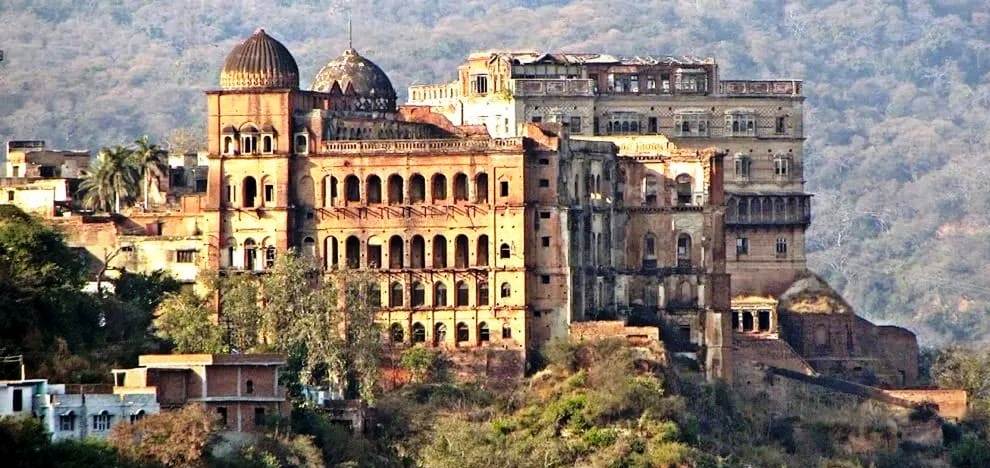
To understand how complete this domination was, the internal caste arithmetic of both communities matters. Within the Hindu population of 6,91,800, the census recorded 5,18,246 (74.9 per cent) people under “Brahmanical Religion”. Of these, 4,58,300 were in Jammu Division, the Dogra Brahmans and their sub-divisions, the priestly and administrative castes of the hills. And 59,690 were in the Kashmir Division, the Kashmiri Pandits proper, who ran the state.
The census further recorded that the Kashmiri Pandits were internally divided into two hereditary professional classes: the Karkuns, the laity who had mastered Persian, the language of Mughal and Dogra governance, and entered state service; and the Backabats, the priestly class who maintained the religious ceremonies. The Karkun-Backabat division, the census explained, had hardened over centuries from a functional arrangement into a hereditary distinction. The officials were the Karkuns. The priests were the Backabats.
The Transplants
The arrangement of power was not only administrative. It was also territorial, and deliberately so. The census records that the settlement of Mians in Kashmir Valley was “due to jagirs conferred by Maharaja Gulab Singh on the Dogra Mians of Jammu, in Parganah Deosar, as a measure necessary for the preservation of peace in his newly-acquired territory.”
The Mians were Dogra Rajputs, kinsmen of the ruling clan, warriors of the Jammu hills whom Gulab Singh had transplanted into south Kashmir, into the Anantnag district, and rewarded with large land grants. The purpose was not agricultural. It was military and political: a garrison of loyal Rajput landholders, settled among a Muslim peasantry, available to the Maharaja if the locals ever rose against him.
Parganah Deosar, where the Mians were concentrated, had 182 villages and a total population of 40,169 people. But the census could not record how many of those were Mians. The reason is recorded in the State Council’s own proceedings: the Mian villages had resisted enumeration. Their households were governed by strict purdah, and the Mians were, the census noted, “averse to any enquiry” about their women, “some of them distinctly refused to help the enumerators, while others who were more complacent gave information of questionable reliability.”
The State Council had to pass a special resolution directing the Prime Minister to make “suitable arrangements” to count them, and the census superintendent admitted that “the final enumeration of these villages will not be so accurate as is desired.”
While the Census recorded that 96.6 per cent of the population were born where they lived, the document mentioned an immigrant population of 86,153 (3.4 per cent of the total population). Of them, 65,108 immigrants had come from Kapurthala, Patiala, Chamba, Sirmore, and Bilaspur. The enumerator attributed it to Jammu’s proximity to the Punjab districts of Sialkot, Gujrat, Jhelum, and Rawalpindi, intermarriages, trade, and employment ties with the State.
Caste and Purity
The Kashmir State of 1891 was a society organised, in its deepest structure, around the question of purity. Who was clean, who was unclean, who could touch whom, who could cook for whom, who could follow which occupation and who was forbidden from ever doing anything else. These were not incidental features of social life. They were its architecture.
The census recorded this architecture with the same conscientious thoroughness it brought to everything else. Under the heading of religion, it drew an immediate distinction between “pure” and “impure” Hindus.
Pure Hindus were Hindus of all denominations. Impure Hindus were a category unto themselves: Bhangis, scavengers, and artisans of low castes who, “in consequence of their trade and occupation, the inferiority of their social status and adherence to usages and customs prohibited in other orders,” were considered “a quite distinct creed”.
They were Hindus in name and in origin. In practice, the census suggested, they lived outside the boundary of what Hindu society recognised as itself. Their number in the Kashmir State was 1,73,553, nearly seven per cent of the total population. Of them, 172925 lived in Jammu, 625 were counted in Kashmir and one each in Ladakh, Skardu and Gilgit.
They cleaned what others dirtied, removed what others could not touch, and made what others used but would not acknowledge making. The census listed them, counted them, and moved on.
Among the Muslim castes, the census pursued its own taxonomy of origin and occupation with equal diligence. It identified the major Muslim communities of the Valley and traced their lineages with care. The Bats, numbering 94,144, the single largest Muslim caste group recorded, were identified as Brahmans who had converted to Islam and become farmers. The Sufi, the Aitu, the Tantre, the Dar, the Raina, the Ganai, the Khande, all were listed as Brahman-origin castes that had entered Islam over the preceding five centuries and descended into cultivation, weaving and trade.
The 2,48,789 Gujars occupied a separate chapter. The nomadic Muslim cattle-herders who moved their animals between the high pastures of summer and the low valleys of winter, season after season, were described as “one of the principal nomadic tribes of the hills” who “still retain their primitive costume, language, and tribal sections.” They were enumerated with difficulty, and it was recorded.
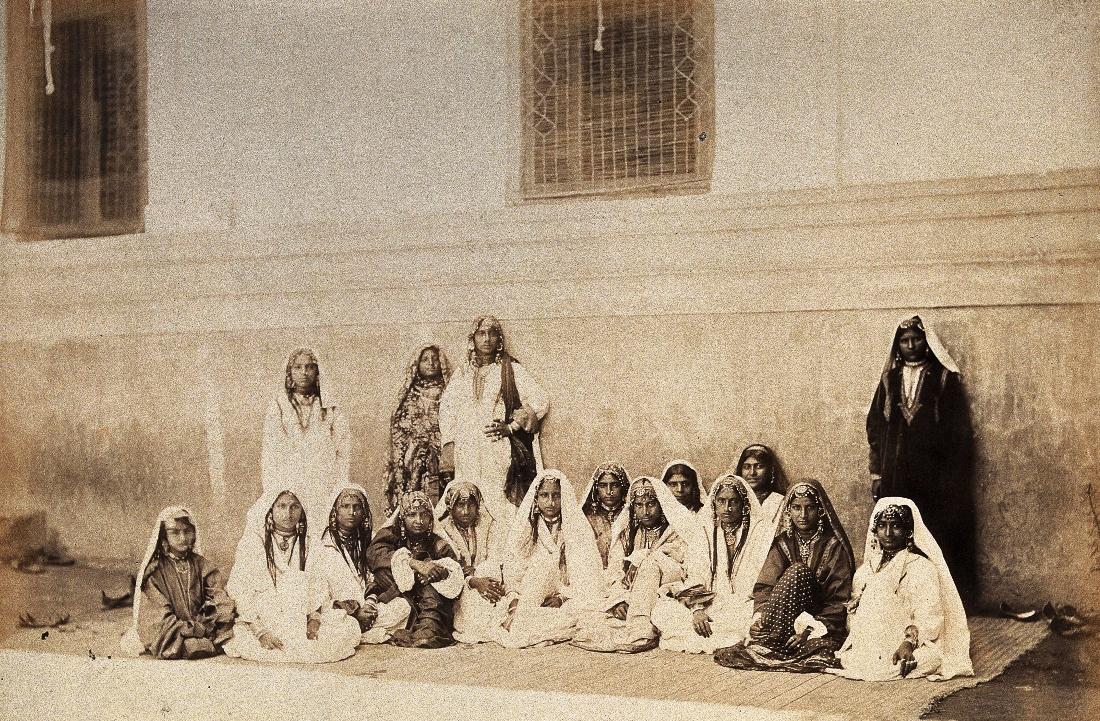
In Ladakh, the social hierarchy took a different form. The census recorded a community called the Boni, or low, who occupied the bottom of Ladakhi society in a way that cut across religion and geography. The Boni included, by hereditary assignment, all the dancing women of Ladakh, all the musicians, all the smiths and carpenters, all the craftsmen of every kind.
Division of Labour
The census also recorded the professions: “occupations peculiar to Hindus” and “occupations peculiar to Mohamedans.”
Among the latter, it listed dancers and singers, butchers, boatmen, and certain categories of weavers. Among the former, it listed priests, revenue officials, and, by the structural logic of the document, State service in its higher forms. The division of labour in the Kashmir State was not merely economic. It was religious, hereditary, and enforced by a social consensus that the census recorded but did not question.
There were the Kanjars.
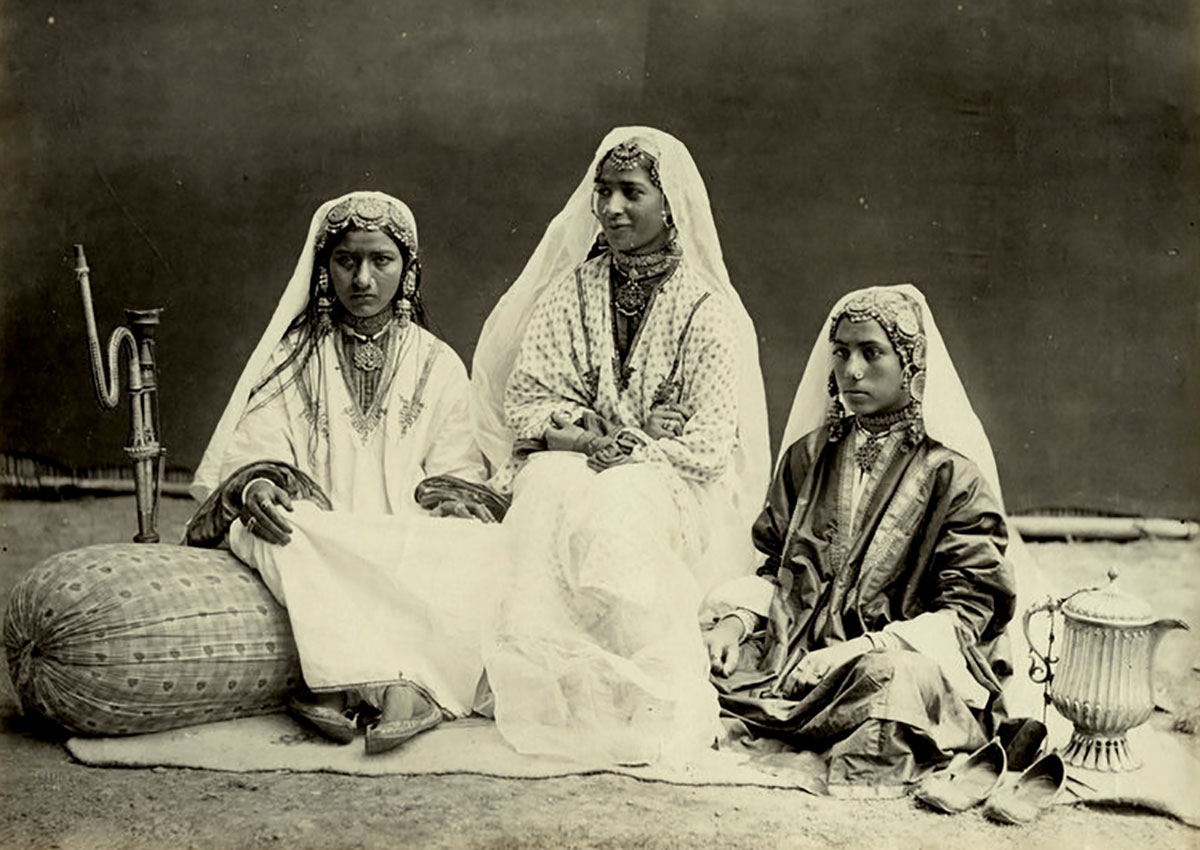
The enumerators recorded, with bureaucratic precision, the existence of the Kanjars, a hereditary Muslim community whose occupation was dancing and singing, and whose presence in the state’s formal ledgers meant the regime both knew what they did and taxed them for it. The numbers, broken out by location, tell their own story.
In Srinagar, there were 24 Kanjars. In Baramulla, there were 25. Across the rural periphery of Kashmir, there were 177 more — bringing the total for Kashmir to 226, of whom 118 were male and 108 female.
In Jammu Division, the Kanjars numbered 154 in Jammu city itself, 42 in Mirpore, and 353 across the rural Jammu districts, a divisional total of 549. Besides, there were 250 Pernas as well. Every single one of them was Muslim. Not one Hindu or Sikh was recorded in either category. The census also enumerated a broader category of musicians and singers, 13,372 people across the state, of whom just three were Hindu. The remaining 13,369 were Muslim. That a profession simultaneously hereditary, stigmatised, and taxable was almost exclusively Muslim in a state run by a Hindu government was, like much else in this document, recorded without remark.
The Kanjars were not a concert troupe. They ran establishments that the regime taxed as part of the entertainment and service economy.
What the census captured, in its occupational tables, was a society in which your birth determined your work, your work determined your status, your status determined what you could eat and with whom, and all of this was considered so natural, so settled, so beyond discussion, that the Census recorded it simply as fact.
The Bhangi cleaned drains. The Kanjar danced. The Kashmiri Pandit kept the accounts. The Dogra soldier guarded the fort. The Muslim peasant grew the rice. The Maharaja sat in his palace on the Tawi. The census counted all of them and called it a picture of society.
It was. That is precisely the point.
The Occupational Tables
The census drew a stark economic line between Kashmir and Jammu. Jammu had little industry beyond the traditional work of village artisans and menials. Its towns, especially Jammu city, the seat of government, sustained trade in ghee, oil, grain and essentials with the surrounding hill tracts, while catering to the royal household and the civil and military establishment.
Kashmir’s urban population was comparatively more advanced: its principal crafts were shawl weaving, blanket weaving, wool spinning and carding, gold and silver work, and carpentry. The occupational tables made this concrete.
Kashmir had 9,491 shawl weavers, 4,423 blanket weavers, 339 carpet weavers, 161 pashm workers, and 2,592 boatmen.
Jammu had 40 bow and arrow makers (supplying weaponry to the state), all 97 salt sellers (a major commodity in Kashmir), and 12,789 land occupants who did not cultivate, a number that pointed directly at the jagirdar landowning class of Dogra territory.
The tables of state service told a different story. Of 171 officers, only eight were from Kashmir. All three military officers were from Jammu. And cutting through every category, the bluntest figures of all: 2,47,906 Muslims were cattle grazers against 883 Hindus; all 775 dancers in the state were Muslim; and all 12 writers were Hindu.
Kashmir had 460 money changers, most of them usurers, the loan sharks. Of 665 patwaris, village revenue officials on whom the entire land taxation system rested, 653 were in Kashmir. Jammu did not require them at all because they did not pay the taxes Kashmir paid.
Kashmir had 3336 grain dealers against 17 in Jammu. Grain was grown by people on their land that the state had taken over. It was the state selling the grains after purchasing from the State. They would sell after the state granary permitted them.
Trauma and Tables
Pandit Bhag Ram was satisfied with his work. He said so, in the measured tones of a senior official reporting to his superiors. The census had been conducted under difficult circumstances: resistant local officers, inaccessible terrain, a population unaccustomed to being formally counted, and a budget of Rs. 25,653 for 2.5 million people. Eighty-five per cent of re-abstracted sheets tallied with originals. The methodology was sound. The tables were complete.
Its language, when it stepped outside its tables, was the language of the 19th-century colonial naturalist sorting the human world into specimen jars. The Ladakhis were “an ugly race”. The Kashmiris were “quick, versatile and plausible”, the last word carrying, in the usage of the period, a distinct suggestion of unreliability. The Dards of Gilgit were “decidedly clever.” The Gujars were “primitive.”
The census-writer looked at the people of the Kashmir State and described them the way a zoologist might describe newly catalogued species: their physical characteristics, their habits, their apparent intelligence, their fitness for various purposes.
The polyandry of Ladakh, one woman, multiple husbands, a custom the census recorded as “quite general” among the poorer people, attributed to limited cultivable land, was described without moral comment but with ethnographic precision. A Ladakhi woman could take multiple husbands from the same family, the census explained, or “choose yet another husband from a different family, a stranger.”
Similarly, the document recorded the existence of Kanjar’s, without a word of judgment in any direction. These silences are not failures of the document. They are, in their own way, as historically revealing as anything the document explicitly states. A census reflects what a state considers countable, which is to say, what a state considers real.
Almost 135 years later, when every Kashmiri family is waiting for an enumerator’s doorbell, the 1893’s 462-page document survives. It is Kashmir’s portrait, not so distant a past but is precise, limited, shaped by the assumptions of those who made it, and for that reason, like all such portraits, more honest than it intended to be.