The pheran, Kashmir’s centuries-old cloak of identity and survival, now travels across India as a fashion statement, comfortable, stylish, and admired, while its artisans and heritage often remain invisible, reports Babra Wani

While quietly scrolling through her phone, Adeeba stumbled upon a short video on YouTube. It was a chilly winter morning, the clouds hanging low with a sense of gloom, and somehow, so did she, as she watched the clip unfold. “It was a pheran, and its depiction,” she said. It was a non-Kashmiri content creator wearing a slightly loose kurta and calling it a pheran. “That is where I believe I lost it.”
Pheran, the traditional Kashmiri cloak, has been a part of the Kashmir culture for centuries, not as a fashion statement but because of the climatic conditions.
The piece of attire, however, has come a long way. From the days when the pheran was the only major clothing for men and women and was usually used to be the woollens, to the era when it started getting into the integral part of the bridal trousseau. “The trousseau would be decided by the number of suits a bride would carry at rukhsati,” Raja, who was married somewhere in the sixties, said. “The ‘suit’ then would mean a complete set comprising a scarf, pheran, shalwar, and phiraq. Brides would usually have a minimum of Sath Soot (seven suits).”
That has already changed. Now the ‘suit’ is just a matching scarf, upper (firaq) and shalwar. Now the pheran is by and large a fashion statement, and that is where the market has got in. Streets apart, now a detached pheran moves fast on screens through posts, reels, shorts, and news and digital markets.
A New Statement
As the effects of climate change extend beyond their traditional crucibles, like the Kashmir Valley, more and more people in the plains of North India have discovered the Kashmiri Pheran, not just as protection against the cold, but as a fashion statement. While Kashmiris working outside the valley and migrant Kashmiri Pandits were the early ambassadors of this iconic attire, the fashion circuit has now embraced it, elevating the Pheran to new heights.
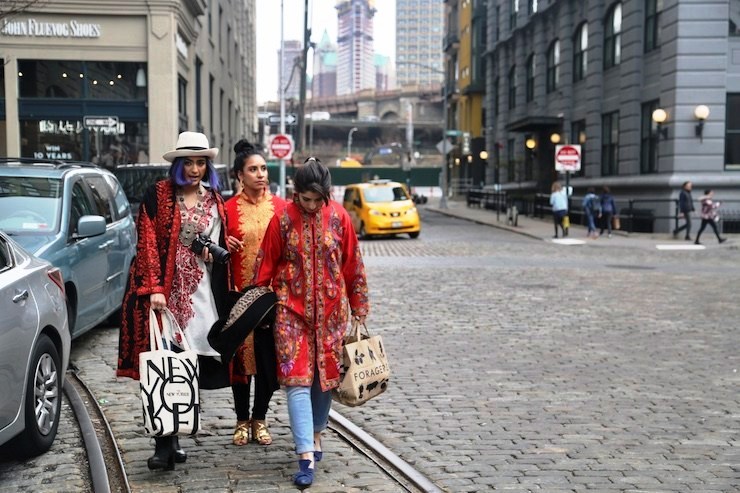
North Indian winters are no longer predictable. Cities once unaccustomed to sustained cold now face prolonged chills, dense fog, and erratic weather. Infrastructure has failed to keep pace: homes remain poorly insulated, heating is unreliable, and synthetic winter wear, built for style rather than climate, often falls short on comfort.
Now, it moves through airports, college campuses, shopping streets, and television studios with a quiet confidence, worn as casually as a jacket or coat. A celebrity drapes it loosely over denim while posing for cameras. A young student in Delhi buys one from a street market, drawn by its warmth and silhouette, unaware that the garment carries centuries of history stitched into its seams.
The pheran, once unmistakably Kashmiri, has become familiar, almost universal. It has crossed regions and meanings, shedding some of its specificity while gaining widespread appeal. What was once a garment of survival has become a statement of style, comfort, and cultural borrowing.
The cloak’s migration into mainstream Indian fashion was not the result of a single event but of converging forces. Cinema offered early glimpses, often romanticised, sometimes politicised. Television and tourism followed, turning the pheran into visual shorthand for Kashmir itself. But it was the rise of social media and celebrity culture that truly accelerated the shift. A photograph travels faster than history, and a garment worn by a famous body gains new meanings instantly.
When celebrities began wearing pherans in public, the garment detached from its context. It became a look. Designers soon followed, adapting the silhouette, experimenting with fabrics, and rebranding it as winter chic. Influencers amplified the trend, pairing pherans with boots, scarves, and sunglasses, stripping the garment of its specificity while retaining its aesthetic appeal.
Politics Joins
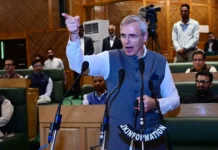
Politics and bureaucracy, too, played their role. The opening day of the Budget Session of Parliament recently turned heads when Baramulla MP Er Rashid entered the House wearing a pheran, quietly asserting regional identity in a space dominated by uniform political symbolism. The gesture, simple yet striking, was hailed by his party, Awami Ittehad Party, projecting it as a symbol of “self-respect” and “cultural presence”.
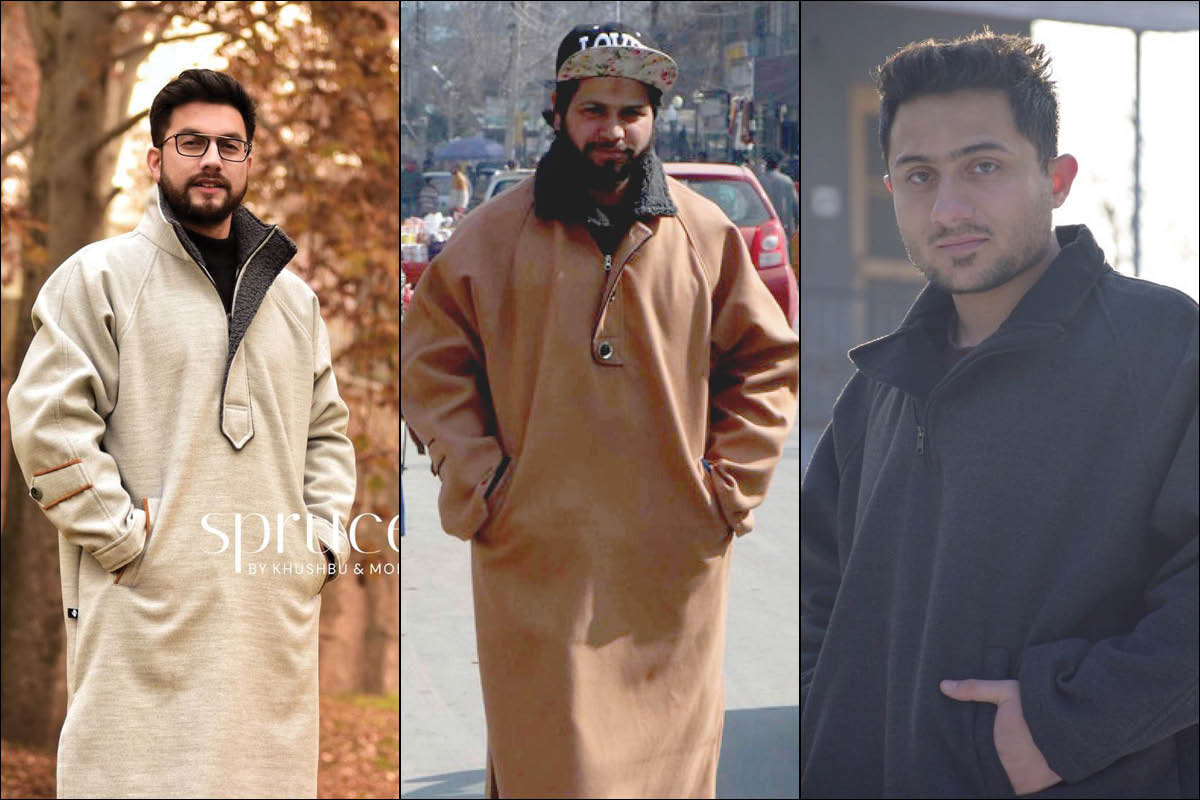
At one point in time, even a circle of IAS officers were seen attending official functions in pherans, as were ministers. In those days, the powerful often gifted friends in Delhi a pheran, turning the garment into a marker of both warmth and prestige.
A non-native politician now slips into one during a visit to Kashmir, the photograph carefully framed for circulation. VP Singh, the former Prime Minister, used to wear a Pheran during winters after a Budgam resident would gift a piece every year. Then Narendra Modi wore it many times and made speech in Kashmir. When politicians wear pherans during their Kashmir sojourns, the act is loaded with symbolism. The garment became a costume of connection, a visual claim of familiarity with Kashmir, a trend started by Mrs Indira Gandhi. These moments may not translate into deeper engagement with the pehran-wearers, but social media matters.
This helped the pheran enter the national wardrobe without a contract. There was no conversation about ownership, no framework to ensure that the people who had preserved and perfected the garment would benefit from its popularity. The aesthetic travelled freely, and the economics of it have just started.
Orders Pour In
Almost daily, Shahid, who runs an online shop of Kashmiri apparel, packs orders of pheran to send them outside Kashmir. “The demand is the highest right now,” he admitted. “I receive orders pan-India. I even received an international order, but I could not cater to it.”
Seerat Zehra, who runs an online store, too, echoed Shahid’s thoughts and said the market is no longer local. “It has become more global, for instance, in Delhi, the Pheran has practically become a ‘winter uniform’ due to its comfort and style,” she said. “And I think credit goes to Instagram and Facebook for bridging the gap.”
Her customers are based in Canada, Australia, Delhi, Bangaluru, Shimla and Jaipur. “The demand is quite high,” she said, happy that her store is making money.
The Evolution
To understand what the pheran has become, it is fundamental to first understand what it was.
“Pheran has always been a part of the identity of Kashmir because of our demography and topography,” Adeeba said. “I remember once my grandfather said that pheran was never meant to be a fashion; how people depict it now, it was an invention based on a necessity.”
She remembers her teenage days when people preferred wearing jackets, coats, and shawls, and pheran seemingly faded away from the scene. Then the cloak made an impressive comeback. “I remember after some designers improvised pherans, they again became trendy. Now, men and women wear designer pherans, and there were side collars and side chains.”
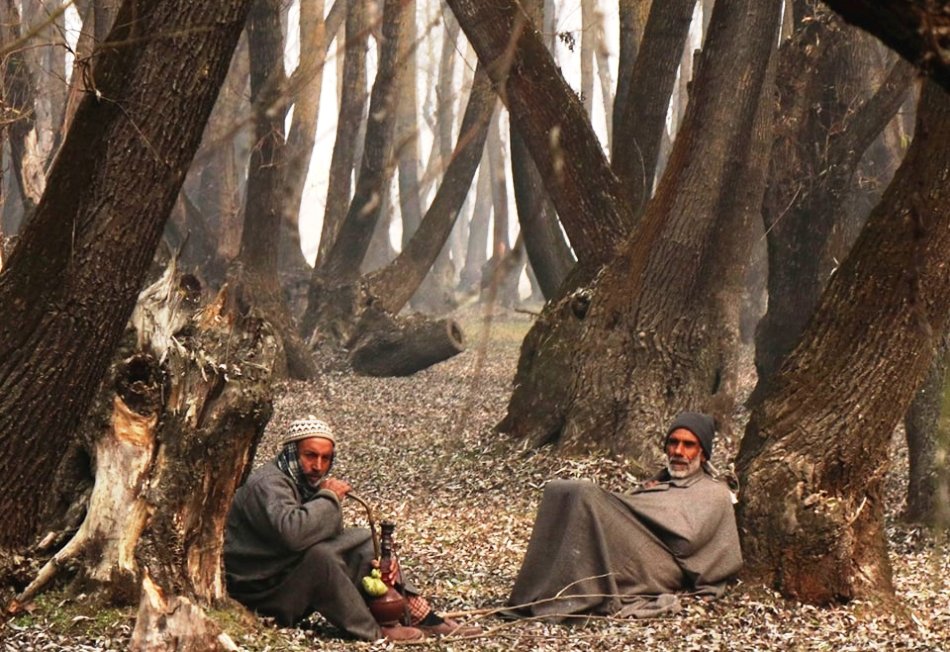
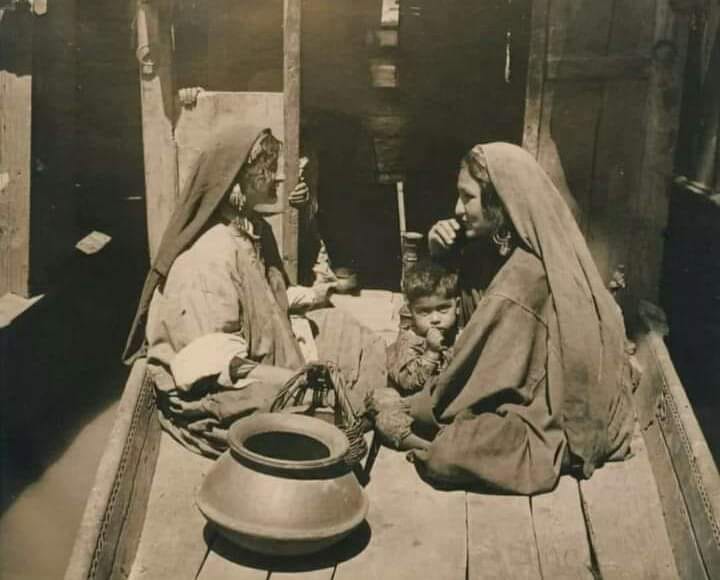
The fact is that Kashmir is personified culturally by pheran, the traditional attire that has evolved over the centuries. Its evolution is still an unfinished debate. Some believe it evolved from the Persian word pariehan, which means clothing, and many assert that even the Nilmat Purana has a mention of pravarna, and the pheran could be its evolved name. Some people even credit historic figures and attribute pheran to Badshah, the Zain ul Abidin. So many chroniclers attribute its introduction to the Mughal era with the motive of taking away the martial nature of the residents from their character. Even Walter Lawrence believes so but there are no clear details to substantiate all this.
Scholars assert that the garment reflects the deep Central Asian and Persianate influences that reached Kashmir through centuries of trade, scholarship, and conquest. Yet the garment did not merely borrow from these traditions; it absorbed them and evolved. Over time, the pheran became distinctly Kashmiri, shaped not only in form, but in meaning.
Cultural Appreciation
Zubair Kirmani, a fashion designer who promotes fashion label Bounipan, said the pheran is not a fashion silhouette, but a living archive. “It carries memory, climate, resistance, and care,” Kirmani said. “Worn by both men and women, it shifts subtly: women wear it plain or adorned with local embroidery like tilla, sozni, and aari, while men often prefer a simpler form. Across class lines, it is a shared luxury, shaped by need, status, and personal history. Everyone brings something personal into it through fabric, stitching, use, or memory.”
Kirmani asserts that Pheran was always designed to hold warmth, movement, and dignity long before it was asked to look beautiful. “It represents our shared histories of artisans and everyday survival. It belongs to everyone, yet never looks the same on anyone.”
The key designer is happy and sees it encouraging to see the pheran being appreciated across the country, which, he believes, shows that Kashmiri culture resonates far beyond the valley. “The true appreciation must also mean fair recognition and economic participation for the artisans and communities who are its original custodians,” he said. “When the craft travels, the value should travel back home as well. Only then does cultural adoption become meaningful cultural respect.”
Appreciation becomes extraction when the story, the source, and the people are removed from the product, Zubair believes. “If the pheran is worn, reinterpreted, or sold without acknowledging Kashmir, without engaging Kashmiri artisans, and without returning value to the region, then it shifts from appreciation to appropriation,” he said. “True appreciation is rooted in respect, credit, and shared benefit.”
When production moves away from Kashmir, the pheran often becomes a silhouette rather than a story, he said. “The form may survive, but the artistry, materials, and cultural intelligence that give it meaning are weakened,” he regretted. “For me, real value lies in keeping the craft, the narrative, and the makers closely connected.”
Better Visibility
Kashmir designer Sheikh Anam receives three to four pheran orders every week. “The Kashmiris who have settled in the USA and UK have their own community, so I am getting a lot of orders from the USA through social media,” she revealed. “And then all over India too, from different places, especially the colder regions like Rajasthan, Delhi, Pune, etc.”
Anam started her boutique two months ago. “I have not released my summer collection yet, so I don’t know how the response is going to be for the summer collection,” she said. “For the winter collection, however, all over India, especially in colder regions where people basically wear wool, I am getting a lot of orders.”
The orders she receives from outside Kashmir are contributing fairly to her economy, “My team is getting fair pay, like my karigars and my tilla artisans. They get paid whatever they ask for,” she admitted. “Unlike the native customers, the non native buyers do not bargain because they know the value of handwork.”
Anam admitted that Pheran’s relevance inside Kashmir has not diminished, even though the silhouette and idea have travelled beyond the region. Its adoption outside Kashmir has strengthened the visual and cultural representation of Kashmir on a wider stage.
“People adapting or producing pheran-inspired garments outside the region does not take away from what it means to us,” she believes. “It does not dilute its identity. Kashmir remains the source culturally, historically, and emotionally. That connection cannot be replicated.”
Pheran has evolved with deep intelligence and purpose as the loose, free silhouette, which is not just aesthetic. It was required to be so that people could carry kangris inside the garment during harsh winters. That functional relationship with climate and daily life is something that continues to anchor the pheran in Kashmir, regardless of where else it appears, the Kashmir designers believe.
Anam asserts that from an economic perspective, wider production has increased visibility and market demand. “As long as artisans and makers in Kashmir are being paid fairly for their work, what they themselves consider appropriate, there is no inherent harm in the garment being sold at higher prices elsewhere,” she said. “Pricing strategies differ from brand to brand, and that becomes a business decision rather than a cultural issue.”
In Vogue, Finally
Entrepreneur designer Mariya Reshi said that pheran represents the cultural authenticity of Kashmir, regardless of the fashion appeal it now carries.
“But it goes beyond warmth. It’s about comfort, the ease you feel when wearing it. When something is truly comfortable, it naturally carries itself on you,” Mariya said. “The pheran is casual, yet it can be made beautiful, and that comfort lends confidence. When you feel at ease in what you wear, you carry it with grace.”
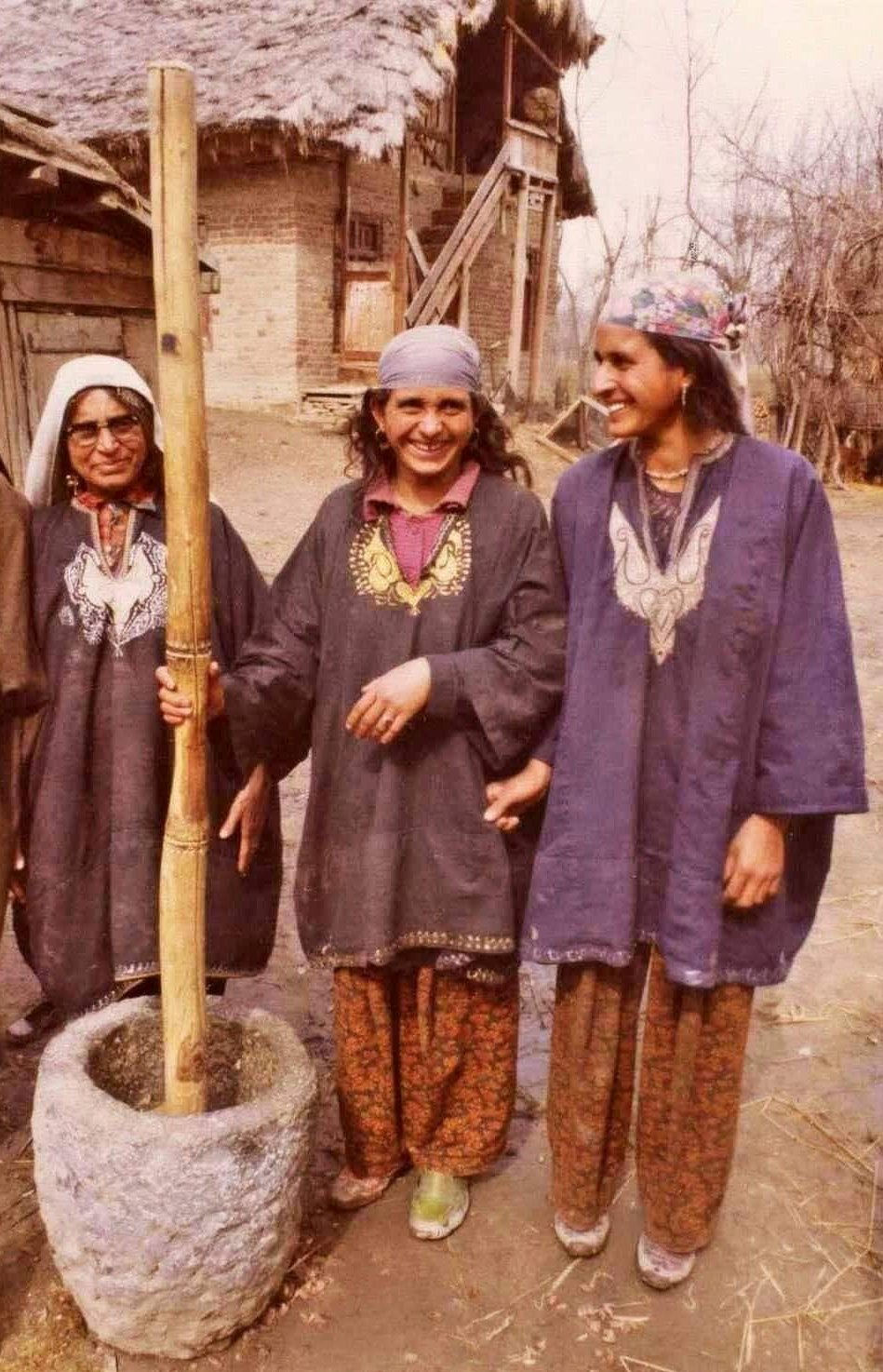
Mariya feels very good when she sees other states accepting it as a good attire and carrying it in a good manner. “I don’t believe the economic benefits are limited to outside Kashmir,” she said. “Retailers and wholesalers here benefit as well, because the stock is sourced from within Kashmir. Whether manufacturer, wholesaler, or retailer, everyone in the supply chain gains from this expanded market beyond the Valley.”
Her store receives more than 100 orders during winters from non-native users. “My customers are mostly based in Delhi and Punjab, who buy, wear and cherish it,” she revealed. “I guess pheran is the only attire that has become a fashion statement.”
One reason, Mariya said, is the unmatched comfort of the pheran, something no other garment can offer. “What began as a necessity is now becoming a style, a fashion statement across the world,” she said. “It benefits those who manufacture it and those who sell it, but it also benefits us as cultural representatives. Kashmir is being seen and recognised globally, and that visibility feeds into tourism as people grow curious about the place, its beauty, and its culture.”
The Diversity
The fact remains that while Pheran is the base, its variants are a basket. The base model is its most distinctive feature, having a capacity to accommodate the kangri, an earthen pot filled with embers that provides heat from within. The pheran’s volume was deliberate, its drape generous, allowing warmth to circulate without direct contact with fire. Worn over a lighter inner layer, it functioned as a mobile shelter, a wearable room. It was practical, adaptable, and intimate.
Even before it would become fashionable, at the same time, however, it was an identity marker and identified the persons wearing it. It was a tool of social stratification, too.
The traditional Kashmiri pheran was a carefully constructed, double-layered garment, deeply embedded with social meaning. It consisted of an outer pheran, costly, colourful, often decorated (in case of women), and publicly visible, and an inner layer known as the poutch, usually of plain white cotton and cut to the same length. The poutch served a practical purpose: it protected the outer garment from the intense heat of the kangri, extending the life of what was often an expensive piece of clothing.
Every element of the pheran communicated identity. The naal, or collar, particularly in women’s pherans, was embellished with gold or silver thread, signalling refinement and household status. The nour, or sleeve, carried some of the sharpest social distinctions through the qurab, the sleeve cut. Among occupational women and working communities, the qurab was designed for utility, allowing free movement in fields and on lakes. Among elite women, it was deliberately styled to reveal the skin, transforming function into display.
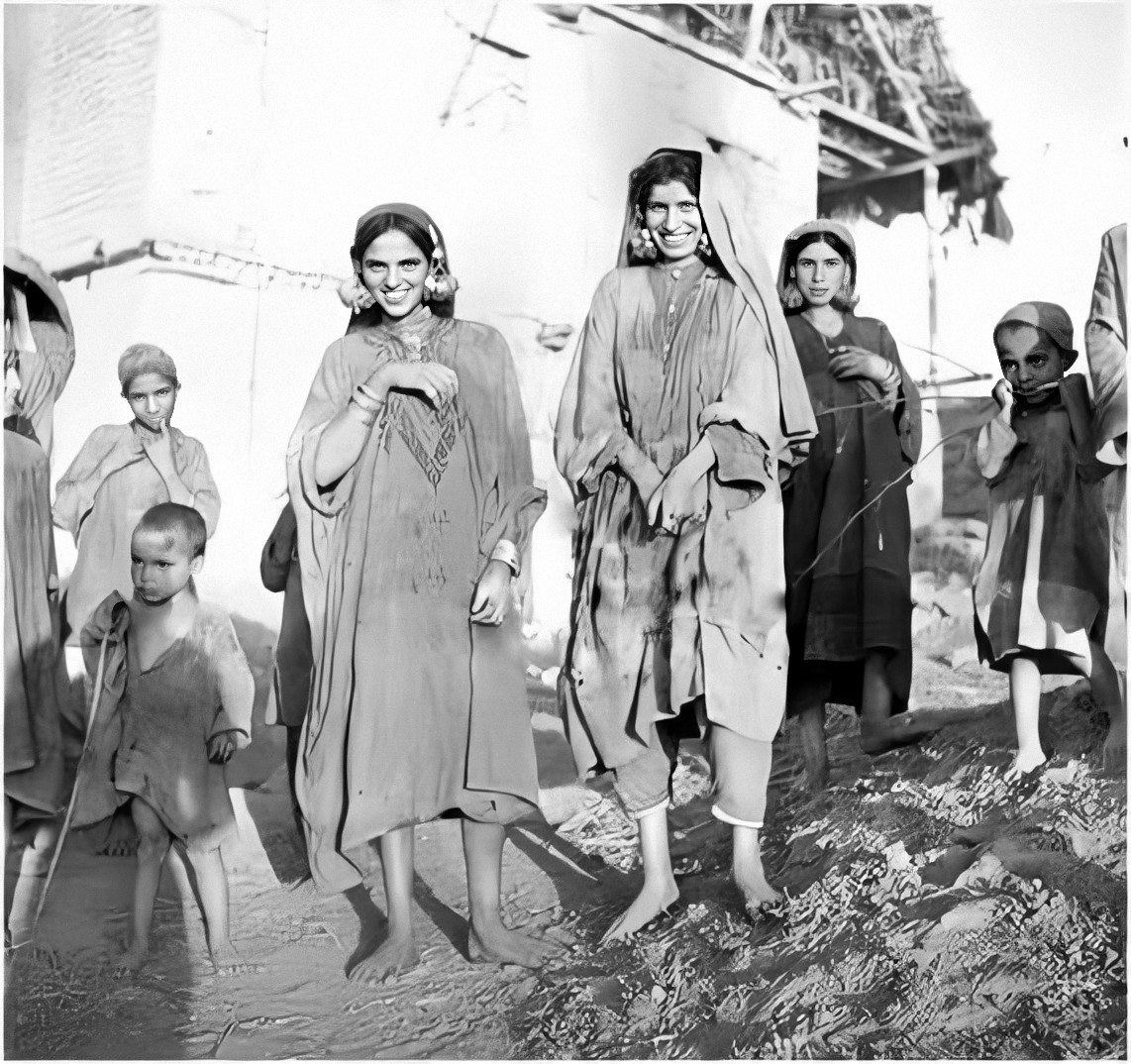
Communal distinctions were equally legible. Pandit pherans traditionally had longer sleeves than those worn by Muslims. The extra sleeve length allowed Pandits, whose lives were more centred on indoor, sedentary and clerical and governance work, to hold the handle-less hot china cup during tea, while Muslim pherans had shorter sleeves, suited to outdoor labour and manual work. Even pockets marked a difference: Muslim pherans typically had one chandeh, while Pandit pherans had two.
At the lower edge, the dāman defined the garment’s fall, while the laedeh, a folded extension of cloth, served dual purposes, practical for the poor, who could let it down as the wearer grew, and symbolic for elites, who used it to signal status through excess fabric. In certain classes, kid pherans had attached hankies to manage the flowing noses during harsh winters.
Taken together, the pheran was not merely winter clothing. It was a coded social text, through which class, occupation, gender, and community in Kashmir could be read at a glance, long before modern tailoring flattened these distinctions.
Well, before the cloak moved to social media, it had changed a lot. All class distinctions were over. Barring the summer, autumn and winter pherans, there are two pherans now – the traditional one and the more urbane working pheran, fit like a coat, almost the outer skin and very well designed and available in woollen and non-woollen.
The Final Cut
It has now been modified in terms of giving a fair and ethical future to Kashmiri designers and artisans. It has come up with different designs, different patterns, and new variations.
“Designers are exploring new works, new patterns, and new colour combinations in handicraft. So, a pheran will remain a pheran forever,” Marya said. “Its stitching is totally different from a kurta or a loose shirt because it is made in kaliya, it has kaswacha, and in some cases, kurab. There are two types, nuri and kurab, and kurab itself has a different history in Kashmir and a different cultural perspective in how people used to wear it.”
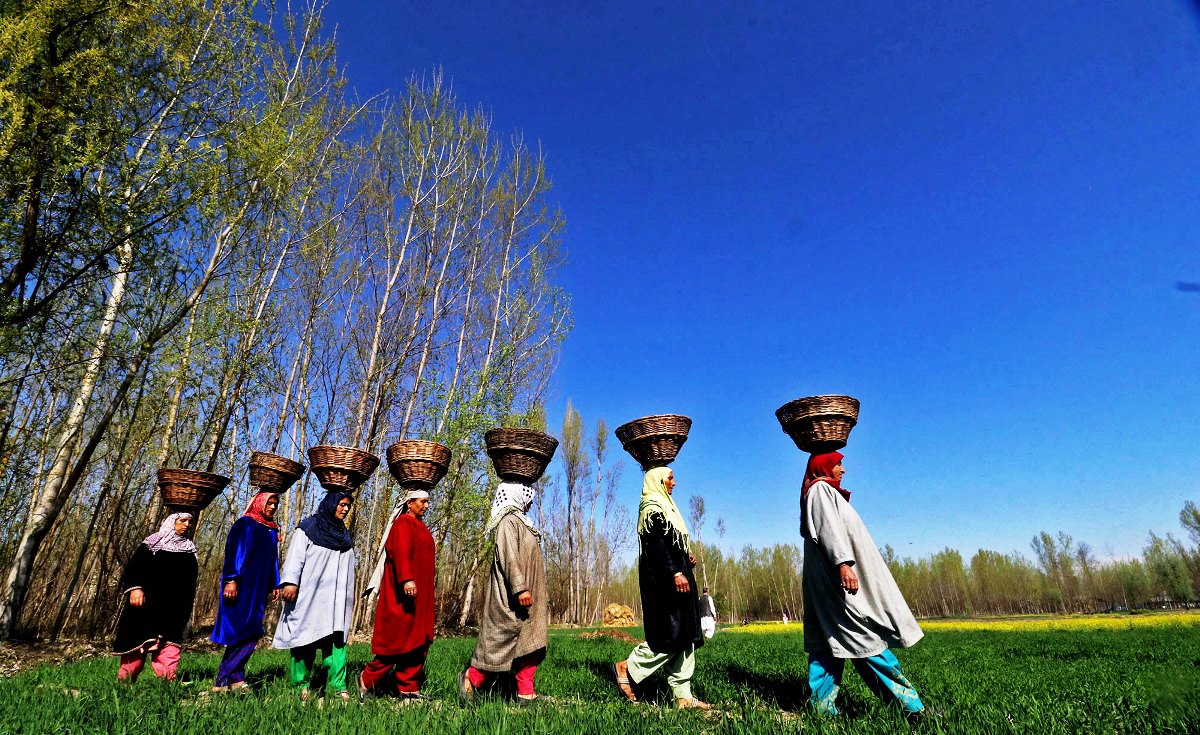
She believes stitching and design are unchanged. “The only things changing are the different bases used in the artwork, the colour patterns, and the colours themselves,” she said. “Today there are work pheran, wedding pheran, and party pheran. That is how traditions survive, they adapt without losing identity.”
It is the working pheran for males and females that is on the streets in Delhi, Punjab, Himachal Pradesh and in Jammu.
Ultimately, the pheran’s journey beyond Kashmir does not threaten its essence, the designers and sellers collectively believe. “It glorifies the culture, brings Kashmir into wider conversations, and reinforces the fact that this garment originates from a place with a living, breathing tradition, one that continues to thrive at home.”
An Opportunity
The pheran’s rising popularity signals an opportunity that Kashmir has yet to fully realise. With proper geographical indication protection, transparent labelling, artisan cooperatives, and Kashmir-based fashion enterprises, stakeholders believe that the pheran could anchor a sustainable cultural economy. It could create year-round employment for weavers and embroiderers. It could position Kashmir not just as a source of inspiration but as a centre of design and innovation.
Issues remain. “The problem is we prefer trading over manufacturing,” pointed out Kirmani. “If we controlled manufacturing ourselves, artisans would have year-round work and the value would remain in Kashmir.”
Kirmani credits the media, social, formal and the film for the arrival of the pheran on the streets. “Social media has taken the pheran out of workshops and streets and put it into the world,” he said. “It is trending now, but a lot of the credit goes to local people who took it out of their closets and made it part of everyday fashion again.”
Pheran has featured in movies and songs, even though people believe that in many of its Bollywood representations, it has been stereotyped.
“Mostly, celebrity pherans are still made in Kashmir. Construction-wise, it is simple; anyone can replicate the dress anywhere, but culturally, it belongs to Kashmir. It is a property of the Kashmiri people,” another designer said.
Designers believe seizing the opportunity would require intention, policy support, ethical entrepreneurship, and consumer awareness. It would require recognising that cultural objects are not infinite resources, and that their survival depends on the survival of the communities that sustain them, they insist.
Stakeholders warn that the pheran should not follow the shawl. “Amritsar is selling more shawls than Kashmir would sell ever,” one designer said. “Abuse has to be stopped, and it must start from within.”
Misuse of the word pheran is happening, a Kashmiri apparel shop owner said. “Some brands sell coats and call them pheran. Inspiration is fine, but naming matters. Credit must go to the place the garment comes from.”
In Delhi, winter bazaars are flooded with pherans. Some were sourced directly from Kashmir, sold by traders linked to Kashmir weavers and embroiderers. Many were not. Factories outside Kashmir began mass-producing pherans using blended fabrics and mechanised processes, cheaper, faster, and easier to distribute. These were marketed in the language of authenticity, “Kashmiri pheran,” “handmade,” “traditional”, even when neither claim held.
Design studios operate elsewhere. Branding is decided in metropolitan centres. Online platforms dominate distribution. Kashmir, meanwhile, is often reduced to a source of raw labour, excluded from ownership of the intellectual and cultural value it creates
“A pheran does not always have to look traditional, but if there is a dress that is inspired by a pheran, say it honestly. That acknowledgement builds Kashmir’s identity rather than erasing it, and that is what we want. Do not take away the Kashmir from the Kashmiri. It is indeed a blessing that we have global recognition now, but give our artisans the due credit. Our artisans have always been misused; do not do that.”
Until that happens, the pheran will continue its quiet journey across North India, warming bodies while leaving its birthplace economically cold.