In Kashmir, where different cancers are exhibiting an upward trend, cervical cancers are insignificantly low given the conservative nature of life and culture, reports Umaima Reshi
Zahida (name changed) is a 42-year-old cervical cancer survivor from Kulgam. She was diagnosed with the peculiar malignancy in late 2018 and has now been in remission for two years. “About a month before I was diagnosed, I would experience bleeding even after my cycles were over,” Zahida recalled. Following medical evaluation, the diagnosis was confirmed: squamous cell carcinoma of the cervix.
“The journey was incredibly tough,” Zahida reflected. “From the tests and surgery to the radiotherapy, the pain was at times unbearable. But I had support, which is so essential.” Explaining the ordeal, she described herself now as stronger and braver, viewing her recovery as a test of faith. “It was a test from my Lord, and I came through it.”
Though limited in numbers, cervical cancer is gradually emerging as a newer challenge in Kashmir. In India, cervical cancer represents 6 per cent to 29 per cent of all female cancers, with significant regional disparities due to healthcare access. A 2019 study indicated a five-year relative survival rate of 67.4 per cent from 2014 to 2022, while Jammu and Kashmir recorded incidence and mortality rates of 6.13 per cent and 3.39 per cent, respectively, according to NIH data from 2019.
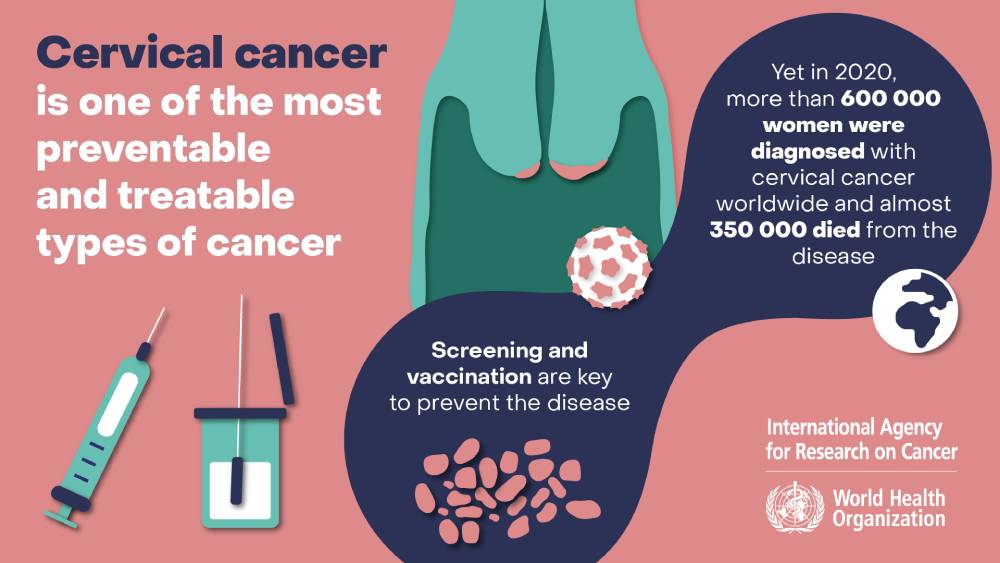
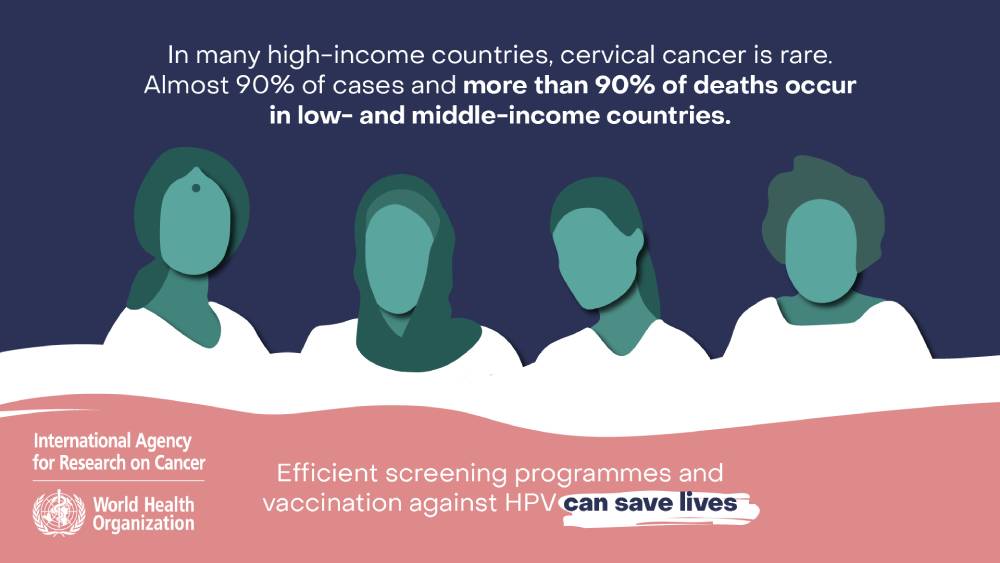
Cervical cancer, the fourth most common cancer among women worldwide, arises from malignant growth in the cervix. While preventable, its incidence and mortality rates present significant global healthcare challenges. The condition adversely affects women’s reproductive health and is often shrouded in stigma, particularly in India, where lifestyle choices and societal norms hinder support and awareness efforts. In 2022, the World Health Organisation (WHO) reported around 660,000 new cases and about 350,000 deaths related to the disease. Women with HIV are six times more likely to develop cervical cancer, contributing to approximately 5 per cent of cases.
Over the years, the cervical crisis has sent hoards of women to oncologists. This reporter witnessed a frighteningly long line of women at a state-run hospital with all women battling the malignancy.
Zulaikha (name changed), a 35-year-old from Anantnag. In 2015, she was diagnosed at stage 1B1. As a mother of two toddlers, she initially dismissed her symptoms, chalking them up to fatigue from her daily responsibilities. “I often ignored the chronic abdominal pain,” she admitted, “thinking it was just the strain of a busy life.” But eventually, she noticed a change in her vaginal discharge, which had become watery and lumpy. Concerned, she visited her gynaecologist, who recommended a Pap smear test. The subsequent biopsy confirmed cervical cancer.
“The weeks following the diagnosis were overwhelming,” Zulaikha recounted, describing the biopsies, scans, and consultations that followed. The physical toll was compounded by the emotional strain of fear and uncertainty.
Support from her husband, who took on additional responsibilities, and her relatives was essential. “I found strength in the stories of other survivors,” she said, which motivated her to raise awareness about early detection.“I underwent surgery and some rounds of radiotherapy, and by God’s grace, I am doing well now. I go for regular check-ups; this truly needs careful attention each year.”
Clinical Signs
In its early stages, cervical cancer often progresses without noticeable symptoms. As the disease advances, symptoms may include vaginal bleeding following intercourse, between menstrual periods, or post-menopause; menstrual bleeding that is unusually heavy and prolonged; watery or bloody vaginal discharge, which may be profuse and accompanied by an unpleasant odour; pelvic pain or discomfort during intercourse; and, in some cases, weight loss, fatigue, and leg swelling.
These symptoms generally warrant prompt medical attention, as they may indicate the need for further evaluation.
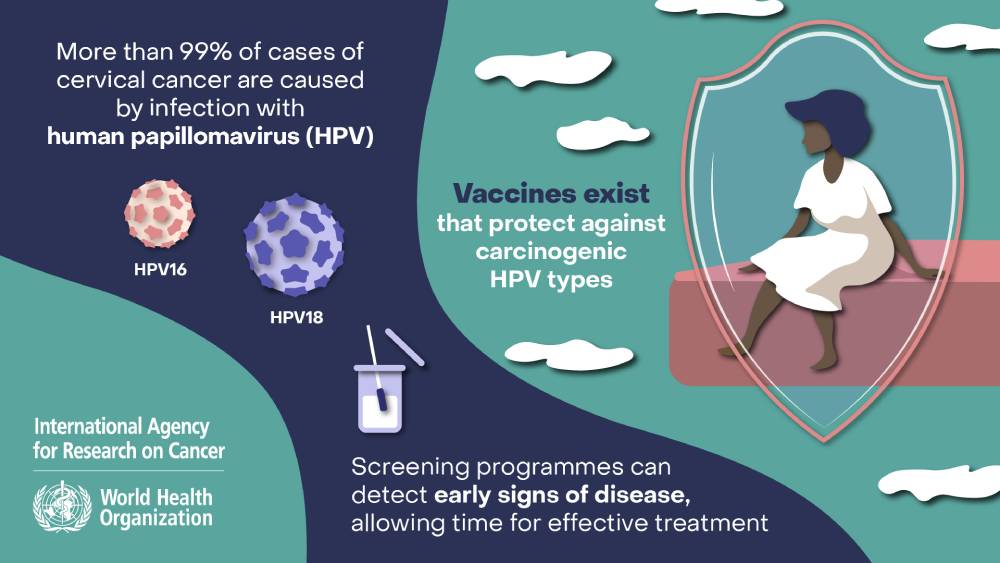
Human papillomavirus (HPV) is a common sexually transmitted infection affecting the skin, genital area, and throat. Nearly all sexually active individuals are exposed to HPV, often without symptoms. Most cases are cleared by the immune system, but persistent high-risk HPV infections can lead to abnormal cell growth and, eventually, cancer. It typically takes five to ten years for these abnormal cells to develop into cancer, with risk factors including the HPV strain, immune health, smoking, other sexually transmitted infections, number of births, young pregnancy age, and contraceptive use.
“Cervical cancer is a very common entity in women of productive age, especially in India,” gynaecologist, Dr Ruksana Waheed, working in a private hospital, said. “The rate is increasing day by day. It is mainly because of two things, in teenagers because of premature exposure to mass media and other things which also cause abnormal sexual behaviour. Long before the tests were not done on a routine basis but now we do it every six months to ensure safety. The main issue is people take things lightly and do not engage in safe intercourse which also leads to infections in the private parts. Moreover, reduced immunity also triggers this.”
Dr Mehbooba Beigh, another gynaecologist and obstetrician, also mentioned that understanding the risk factors is crucial, as many of them are preventable or manageable through lifestyle changes, vaccination, and regular cervical screening.
“HPV is the main lead of cervical cancer, particularly HPV types 16 and 18 that are more likely to cause cancerous changes in the cervix. Smoking tobacco also increases the risk of cervical cancer,” Beigh explained. “The baleful substances in tobacco can harm cervical cells, making them exposed to HPV-related changes. Women with weakened immune systems, such as those living with HIV/AIDS, are more prone to persistent HPV infections, and can also grow the likelihood of developing cervical cancer. Having assorted sexual partners or initiating sexual activity at a young age surges the possibility of HPV infection, as the cervix is more prone to the virus during its developmental stages. A hereditary background of cervical cancer may have a genomic tendency, putting women at greater risk.”
Incidence
In the Indian Journal of Cancer, the paper An uncommon malignancy in Kashmir suggested that while numerically it does not exist in Kashmir. Between January 1, 2009, to December 31, 2011, several women were screened at the Regional Cancer Centre, Srinagar. Frequent cancers among females were documented and analysis of cancer cervix cases was carried out. Cervical cancer did not rank among the top ten cancers; with only 45 cases (0.01%) recorded out of a total of 3,084 adult female cancer diagnoses.
The medical records department at the State Cancer Institute of SKIMS, Soura has also documented the number of cervical cancer cases over the years, providing perceptive data on the trends from 2016 to 2024. In 2016, 2017, and 2018, the recorded cases demonstrated a primary increase, rising from 19 to 34 and then slightly declining to 33 cases.
In consequent years, there was a decrease in the yearly cases registered, with 2019 and 2020 showing a reduction from 19 to 15 cases. However, the pattern varied again during 2021 and 2022, when the number of cases surged from 24 to 29 by the end of the year.
The recent data from 2023 and 2024 further reflects variability, with case rates ranging from 17 in one year to 22 in the other. This highlights the fluctuating nature of cervical cancer incidence within the region. Experts attribute the low prevalence of cancer to the lifestyle and faith, where monogamy is in fashion and promiscuity, is abhorrent.
Dr Ruksana Sami, a gynaecologist and obstetrician at Health n Oyster Clinic, provides comprehensive cervical cancer screening services and advanced diagnostic tools for early detection, making her clinic the only private facility in Kashmir with such options.
Asserting that genital cancers are the second most common cancer among women in India, Dr Sami noted Kashmir has a relatively low incidence due to cultural and lifestyle factors. “This may be due to religious practices, hygiene standards, or other cultural aspects,” she said while acknowledging a gradual rise in cases in India linked to evolving lifestyles.
Its treatment is linked to its detection – the earlier the diagnosis, the better the treatment outcomes, less invasive procedures, conserving the cervix and avoiding radical surgeries. Advanced treatment becomes more complex and palliative. “We see patients with cancer in both its advanced stages and its pre-cancerous phases,” she explained, emphasising that timely intervention can significantly impact patient outcomes.
Undetected cervical cancer typically progresses over about a decade, with pre-cancerous cells developing into invasive cancer. In advanced stages, patients often face extensive, painful surgeries. Cervical cancer screening, based on sexual activity, allows for early detection before the disease fully manifests. “Cervical cancer generally affects individuals over the age of 25,” Dr Sami noted. In Kashmir, cultural norms with a focus on monogamy limit the incidence but post-marriage cases do come.”
Individuals from lower socio-economic backgrounds with multiple sexual partners, or those engaging in sexual activity at an earlier age, are more susceptible to getting cervical cancer. HPV, a DNA virus with around 40 strains, significantly contributes to cervical cancer; some strains cause infections, while others are oncogenic. HPV induces cellular alterations that can progress into malignancy, characterised by increased cellular proliferation and changes in cell structure. “Among the HPV strains, types 16 and 18 show the strongest link to cervical cancer,” she added, indicating that screening prioritises higher-risk individuals, especially those with risk factors like low socio-economic status, multiple sexual partners, or early sexual activity.

Chronic Pelvic Pain
“Some patients experience chronic pelvic pain that, if untreated, can result in persistent pelvic discharge and discomfort,” Dr Sami said. In such cases, the initial cellular change, known as metaplasia, can evolve into cancerous alterations. HPV triggers nuclear changes in affected cells, disrupting the nucleocytoplasmic ratio.
The cervix’s layered structure leads to varied dysplasia levels—mild, moderate, and severe—reflecting degrees of abnormal cell growth. When these changes extend into the basal layer, they can invade the cervical stroma, marking the onset of invasive carcinoma. However, if confined to the epithelial layer, the condition is classified as carcinoma in situ (CIS), remaining localised.
“If the condition stays in this early stage, we can opt for conservative treatment,” she explained.
Dr Sami explained that when conservative treatments are used, patients are often able to conceive. If carcinoma remains at the in situ stage, various conservative techniques, such as cold knife colonisation, can be applied. These procedures remove abnormal cells from the endocervix, which may slightly affect cervical competence, but fertility is generally preserved. With suitable precautions, patients can carry a pregnancy.
LBC and HPV DNA Co-Testing
Liquid-based cytology (LBC) provides a modern alternative to the Pap smear, acting as a type of biopsy. Dr Sami explained that in a Pap smear, a brush collects cervical cells for analysis, often resulting in excess inflammatory cells that complicate interpretation. LBC improves this process by filtering out unnecessary cells, simplifying examination.
It is typically conducted every three years if results are negative and allows for simultaneous HPV DNA testing, known as the five-yearly LBC/HPV co-test. If LBC detects inflammatory cells indicating infection, further evaluation with colposcopy is recommended. Cervical biopsies are performed under local or spinal anaesthesia, depending on the extent.
Colposcopy and Cervical Biopsy
Colposcopy is the final stage in detection, providing a magnified view of the cervix. Dr Sami noted that a 3 per cent acetic acid solution or Lugol’s iodine is applied to assist in diagnosis. This technique identifies low-grade and high-grade squamous intraepithelial lesions (LSIL and HSIL). Additional procedures, such as vaginoscopy, allow for examination of the vagina, vulva, and cervix, which can reveal conditions like atrophic vaginitis.
For suspected lesions, a direct biopsy may be performed. If confirmed by cervical biopsy, conservative surgeries, such as cervical conization and trachelectomy, may be considered to preserve fertility, depending on the surgeon’s discretion.
Recommendations
Children between 9 and 11 years of age typically show robust immunity, Dr Sami explained, noting that early HPV vaccination is encouraged within this age group due to stronger immune responses. For adults aged 25 to 45, HPV vaccination may also offer benefits, though they should undergo HPV DNA testing first.
Screening is primarily recommended for individuals over the age of 25.“Those who test positive should proceed with treatment rather than vaccination,” Dr Sami advised. For patients receiving a negative HPV DNA result, a follow-up test is recommended after five years. In cases of a negative result on the LBC/HPV co-test, retesting every three years until age 65 is suggested, with further testing generally deemed unnecessary if results remain negative until then.
She clarified that any positive result may require continued screening even after the age of 65. “Cervical cancer, which usually develops over approximately a decade, is treatable when detected within this timeframe,” added Dr Sami.
Progression and Metastasis
Dr Sami highlighted that the disease can spread from the cervix to the uterus, ovaries, ureters, rectum, and pelvis. In more advanced cases, it may even reach the lungs and liver. “As cancer progresses, a fungating mass often forms,” she explained, “releasing a discharge with an unpleasant odour and impacting the ureters, which can obstruct urination.” Radiotherapy, she noted, can lead to constriction in nearby tissues and blood vessels.
When cervical cancer originates on the cervix’s outer surface, or portiovaginalis, squamous cell changes are visible; however, cancers arising in the endocervix, or cervical canal, may remain hidden until an advanced stage, underscoring the importance of regular screening.
Surgical Approaches
Surgical resection is typically the preferred treatment for early-stage cervical cancer, where the disease is confined to the cervix. DrRuksananoted that the complexity of procedures ranges from minimally invasive techniques to more extensive surgeries. Surgery is particularly important for younger patients who wish to preserve reproductive function and fertility. It may also be recommended for those with recurrent cervical cancer.
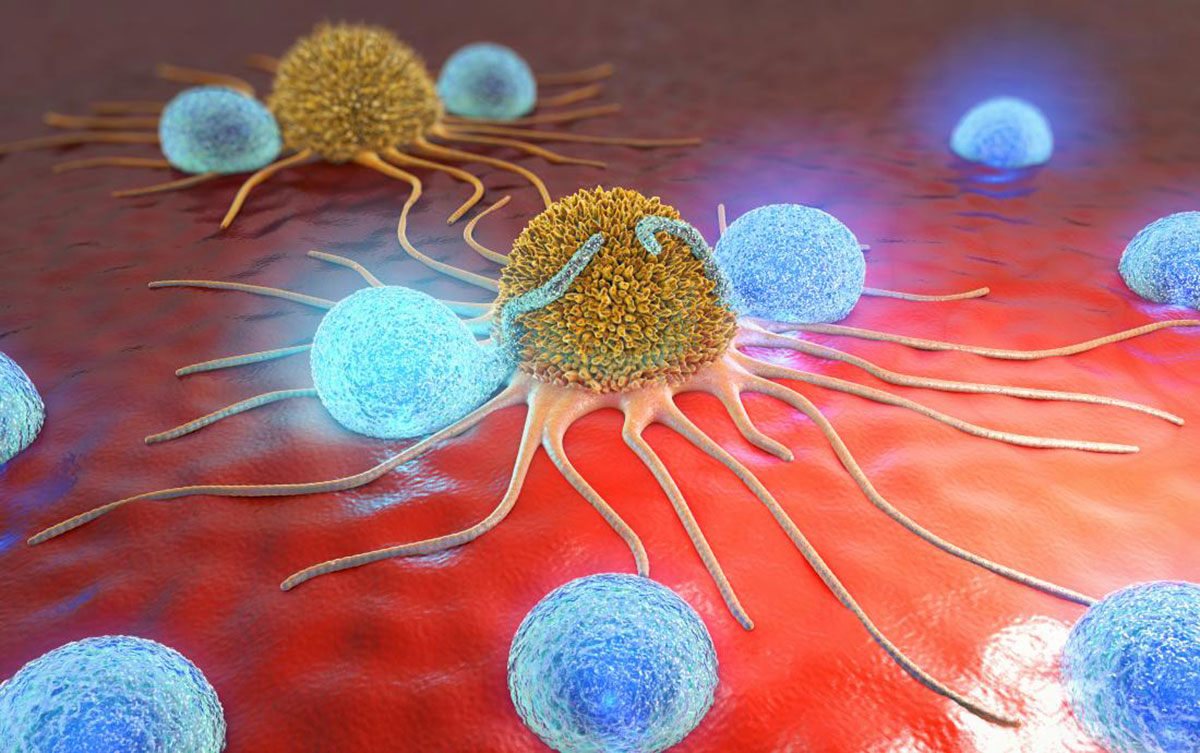
Cervical conisation involves removing a cone-shaped section of abnormal tissue from the cervix and is generally advised for patients diagnosed with carcinoma in situ (CIS) or early-stage invasive cervical cancer. This procedure can be performed using a scalpel or laser, with the cold knife cone (CKC) technique being a common method that excises the cervical transformation zone and part of the affected cervix.
For patients who are not candidates for conisation due to complex pathology or advanced disease but wish to maintain fertility, radical trachelectomy is often recommended. This procedure removes most of the cervix and surrounding tissue while preserving nearby structures, such as the ureters and bladder. A portion of the cervix is retained to allow for the placement of a cerclage, a stitch that supports pregnancy.
“In cases with complications, we proceed with more complex surgeries, including radical hysterectomy and extra facial hysterectomy, and may also resort to radiotherapy,” Dr Ruksana added.
The Stigma
Around the world, people are beginning to address this issue openly, countering both the hesitation and lack of awareness that have hindered dialogue. Across social media platforms, numerous influencers and actors are raising their voices, challenging the stigma that often discourages candid discussion. Some actors have even staged mock deaths to draw attention to the issue, sparking wider public awareness.
Zulaikha(name changed) expressed her reluctance to speak about her experience, attributing it to the persistent social stigma attached to women’s reproductive health issues. There is, she noted, a tendency to associate the cancer with hyper-sexuality or a lack of chastity.
“I was torn about whether to speak,” she said. “In our society, stigma and cultural traditions, especially around gender, often silence women. We do so much, yet face the fear of rejection and discrimination. Initially, I felt embarrassed, but then I asked myself: why should I feel ashamed about what I am enduring?”
She acknowledged that while her family had been incredibly supportive, she knew that was not the case for everyone. “We move forward in so many ways with technology and modernity, yet our attitudes remain deeply rooted in the past,” she asserted. “I urge every woman not to remain silent on issues that affect them, particularly regarding health. In the end, that is what truly matters.”