The National Family Health Survey-6 points to major gains in healthcare delivery across Jammu and Kashmir. Yet, the region continues to grapple with alarmingly high caesarean birth rates, troubling fertility trends and a growing burden of lifestyle-related health issues, reports Mir Rameez Raja
The sixth round of the National Family Health Survey has brought out key public-health data about erstwhile Jammu and Kashmir State. Collected between 2023 and 2024, it shows the health system has moved firmly in the right direction since the previous round in 2019–21.
It has also highlighted a new epidemiological challenge, envisaging rising obesity, accelerating caesarean-section rates, and a surge in diabetes and hypertension. This is expected to define the region’s healthcare priorities for the decade ahead.
A Society in Transition
NFHS-6 suggests, 11.9 per cent of Jammu and Kashmir’s population is now above 60 years, up from 9.5 per cent per cent in NFHS-5. This demographic shift, while reflecting improved longevity, will place fresh demands on geriatric and chronic-disease care infrastructure.
Conversely, the share of children below five years stands at 7.5per cent, a slight rise from 6.7per cent, indicating the region has not yet completed its fertility transition.
Ladakh has 14.6per cent of the population above 60, compared to just 8.9per cent in NFHS-5. Ladakh’s younger cohort (below 15 years) is at 25.7per cent, slightly higher than Jammu and Kashmir’s 24.9per cent.
A House In Order
The single most arresting data point in Jammu and Kashmir’s household profile is the explosion in health insurance coverage. In NFHS-5, only 13.8per cent households had a member covered under any health financing scheme. By NFHS-6, that figure has surged to 96.3 per cent. This reflects the aggressive roll-out of the Ayushman Bharat Pradhan Mantri Jan Arogya Yojana (AB-PMJAY).
Pre-school enrolment has also seen a significant rise, climbing from 27.2per cent to 40.1per cent in Jammu and Kashmir and from 30.4per cent to 46.0per cent in Ladakh. Internet usage among women has risen sharply from 43.3per cent to 63.6per cent.
Fertility, Choice, Unmet Need
Jammu and Kashmir’s total fertility rate (TFR) stands at 1.8 children per woman in NFHS-6, up marginally from 1.4 in NFHS-5. Regardless of the uptick, Jammu and Kashmir remains below replacement fertility. Ladakh records a TFR of 1.6, a rise from 1.3.
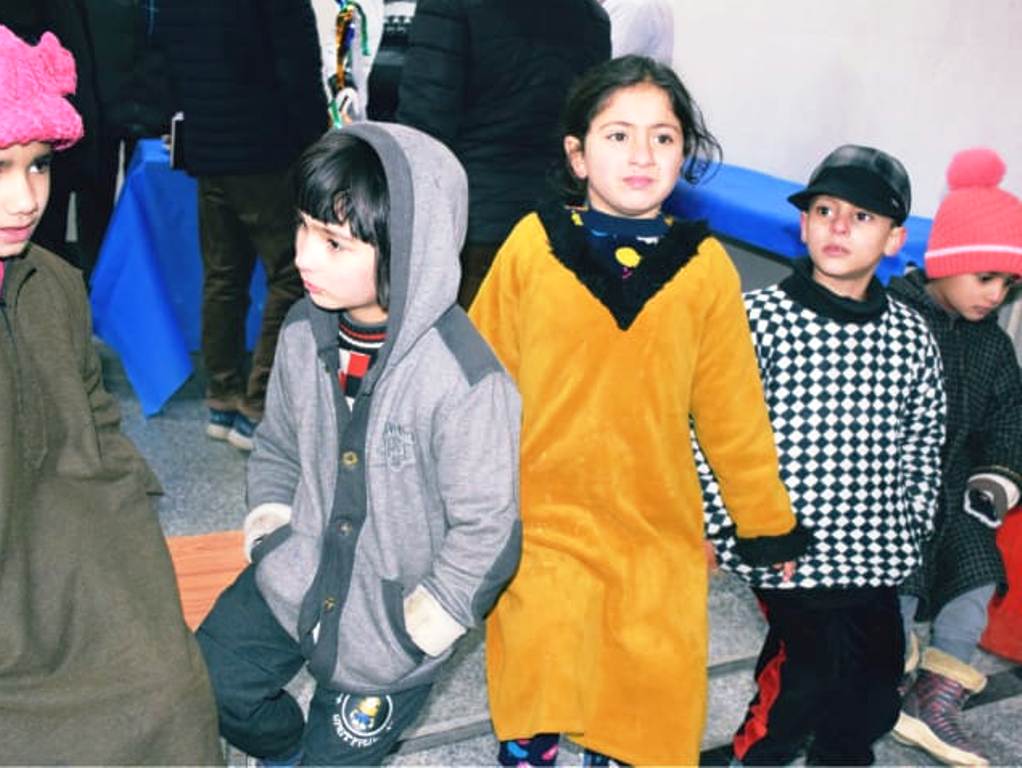
Child marriage, historically elevated in some parts of Jammu and Kashmir, remains low by national standards. Women aged 20–24 who were married before 18 account for just 5.1 per cent in J&K and 3.5per cent in Ladakh, both figures marginally above NFHS-5 levels but far below the national averages. Men marrying before 21 (age 25–29 cohort) stands at 8.5 per cent in Jammu and Kashmir, unchanged from NFHS-5.
The family planning data for Jammu and Kashmir reveals a striking shift in method mix. While overall contraceptive prevalence has risen slightly from 59.8 per cent to 61.2 per cent, the composition has changed dramatically: reliance on modern methods has fallen from 52.5 per cent to 39.4 per cent, while use of traditional methods has jumped from 7.3 per cent to 21.8 per cent. Unmet need has also ticked up marginally from 7.8per cent to 8.2 per cent.
In Ladakh, however, overall contraceptive use has risen from 51.3 per cent to 66.4 per cent, driven by both modern and traditional methods.
Mothers and New-borns
Among the most consistently positive findings in NFHS-6 for both Jammu and Kashmir and Ladakh is the data on maternal and antenatal care. Nearly all mothers are now accessing antenatal services, and the quality of that care, measured by early first trimester check-ups and completion of at least four visits, has improved substantially in both territories.
However, Jammu and Kashmir’s caesarean section rate has risen from 41.7 per cent to 51 per cent, more than double the WHO-recommended upper threshold of 10-15 per cent. The rate in private facilities has climbed to 90.0 per cent. Public facilities record a C-section rate of 48.6 per cent.
In Ladakh, institutional births have risen from 95.1per cent to 98.0per cent. However, the C-section rate has reached 27.8per cent, driven primarily by urban areas at 44.3 per cent.
Postnatal care has also improved across both regions. In Jammu and Kashmir, 88.2 per cent of mothers received postnatal care from a qualified health professional within two days of delivery, up from 84.2per cent. In Ladakh, postnatal care coverage of 93.0per cent is among the highest in the country, up from 79.6per cent in NFHS-5.
Children, Vaccines, Nutrition
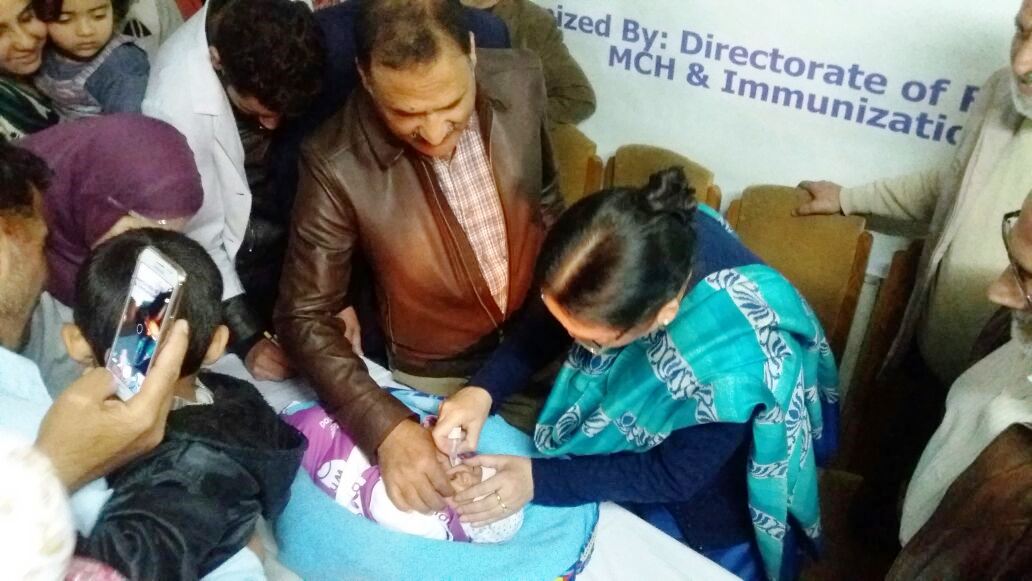
The most dramatic vaccination gain in Jammu and Kashmir, and arguably in the entire survey dataset for this region, is the rotavirus vaccine coverage, which has risen from a negligible 5.3 per cent in NFHS-5 to 91.4 per cent in NFHS-6. This reflects the introduction and scale-up of rotavirus vaccination under the Universal Immunisation Programme after 2019. The impact on diarrhoeal disease burden in children under five will be tracked closely in future rounds.
Measles second-dose coverage, a historically weak point for India, has risen from 73.6 per cent to 82.4 per cent in Jammu and Kashmir and from 74.2per cent to 85.7 per cent in Ladakh.
The reduction in child malnutrition is one of the standout findings of NFHS-6 for Jammu and Kashmir. Stunting has fallen from 26.9 per cent to 21.4per cent, wasting from 19 per cent to 10.6 per cent, and severe wasting from 9.7 per cent to 4.1 per cent. Underweight prevalence has dropped from 21 per cent to 14.5 per cent.
Ladakh records similarly encouraging trends. Stunting has declined from 30.5per cent to 26.0per cent, and wasting from 17.5per cent to 10.6 per cent.
The Adult Health
Both territories are experiencing a rapid and alarming rise in non-communicable diseases, obesity, diabetes, and hypertension that threatens to overwhelm health systems newly upgraded to deliver maternal and child services.
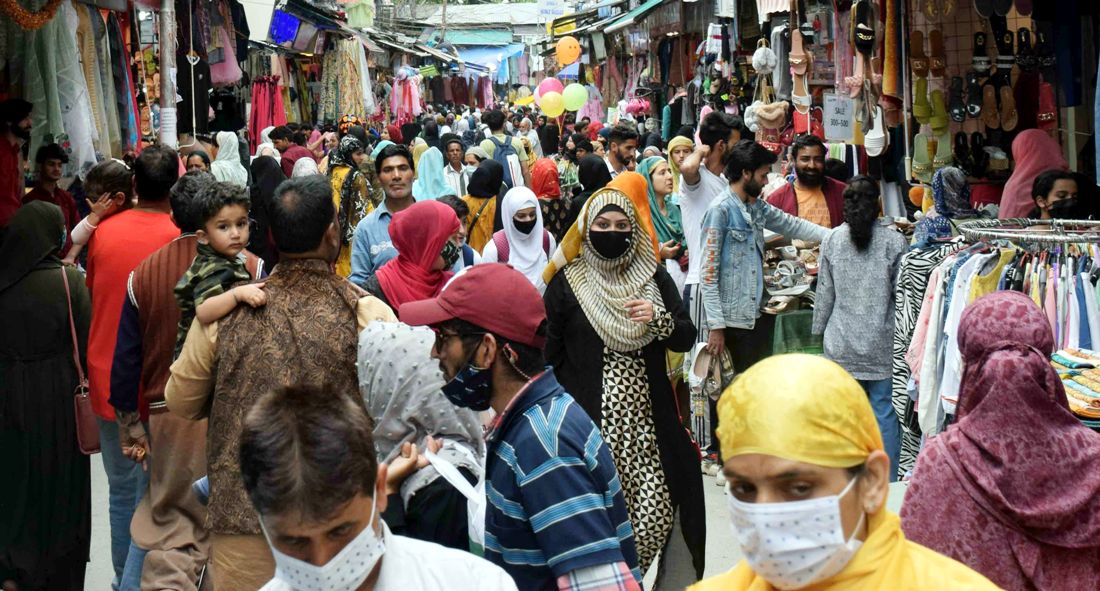
In Jammu and Kashmir, the share of women who are overweight or obese has risen from 29.4 per cent to 36.7 per cent, more than a third of women in the reproductive age group. The proportion of women with high or very high blood sugar (indicative of diabetes or pre-diabetes) has risen from 8.7 per cent to 13 per cent, and elevated blood pressure among women from 20 per cent to 25 per cent. These are substantial increases over just three to four years.
The urban burden is even sharper. Urban Jammu and Kashmir records 48.7 per cent of women as overweight or obese, and 17 per cent with elevated blood sugar. Hypertension among urban women stands at 29.4 per cent.
Ladakh’s adult NCD picture is somewhat less alarming, with obesity figures lower than Jammu and Kashmir and blood sugar prevalence stable.
Women Rising
Among the most consequential stories in the NFHS-6 data for Jammu and Kashmir and Ladakh is the transformation in women’s empowerment indicators. On multiple measures, household decision-making, financial inclusion, menstrual hygiene, and digital access, women in both territories have made significant gains since NFHS-5.
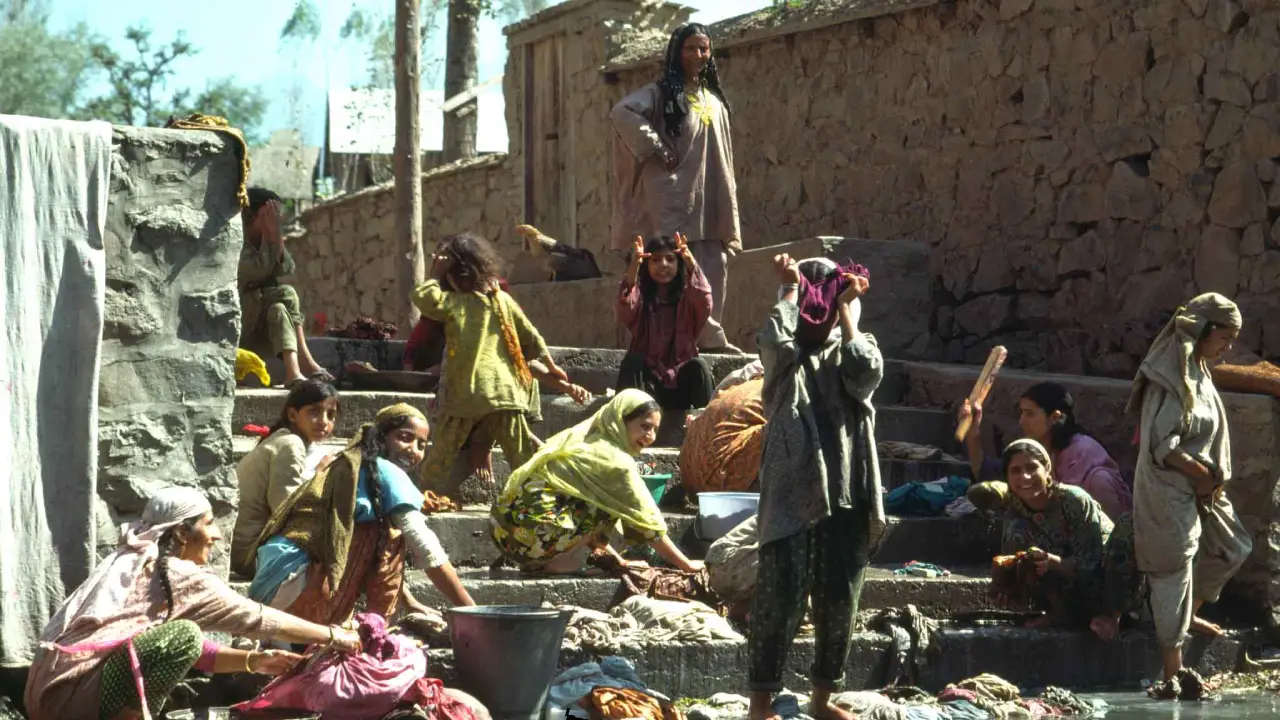
Jammu and Kashmir’s married women participating in three or more household decisions has risen from 81.6 per cent to 91.3 per cent, a 10-percentage-point increase that is among the larger gains of any state or UT in the survey. Women’s own bank account use has risen from 84.9 per cent to 93 per cent, reflecting the continued success of financial inclusion initiatives. Hygienic menstrual protection has risen from 74.5 per cent to 82.5 per cent, indicating that both product availability and awareness campaigns are penetrating even rural Jammu and Kashmir.
The data on gender-based violence represents perhaps the most striking single improvement in the entire Jammu and Kashmir dataset. The share of ever-married women reporting spousal violence has fallen from 9.7 per cent to 3.4 per cent. Physical violence during pregnancy has also declined from 1.2 per cent to 0.4 per cent. In Ladakh, the decline is even more dramatic: from 17.7 per cent to 1.9 per cent for spousal violence.
The Road Ahead
The NFHS-6 data for Jammu and Kashmir and Ladakh paints a portrait of two regions in the midst of a health transition, one that brings with it both the fruits of years of investment in primary healthcare and the emerging challenges of development-driven non-communicable disease.
The gains are real and substantial. But the warning signs are unmistakable. Caesarean section rates that now exceed 50 per cent in Jammu and Kashmir cannot be clinically justified and represent a failure of obstetric care governance. Obesity is rising rapidly, particularly among urban women.