Kashmir’s medicinal plants are retreating to higher altitudes as climate change alters seasons, threatening biodiversity, traditional healthcare, and centuries of local knowledge, reports Afreen Ashraf
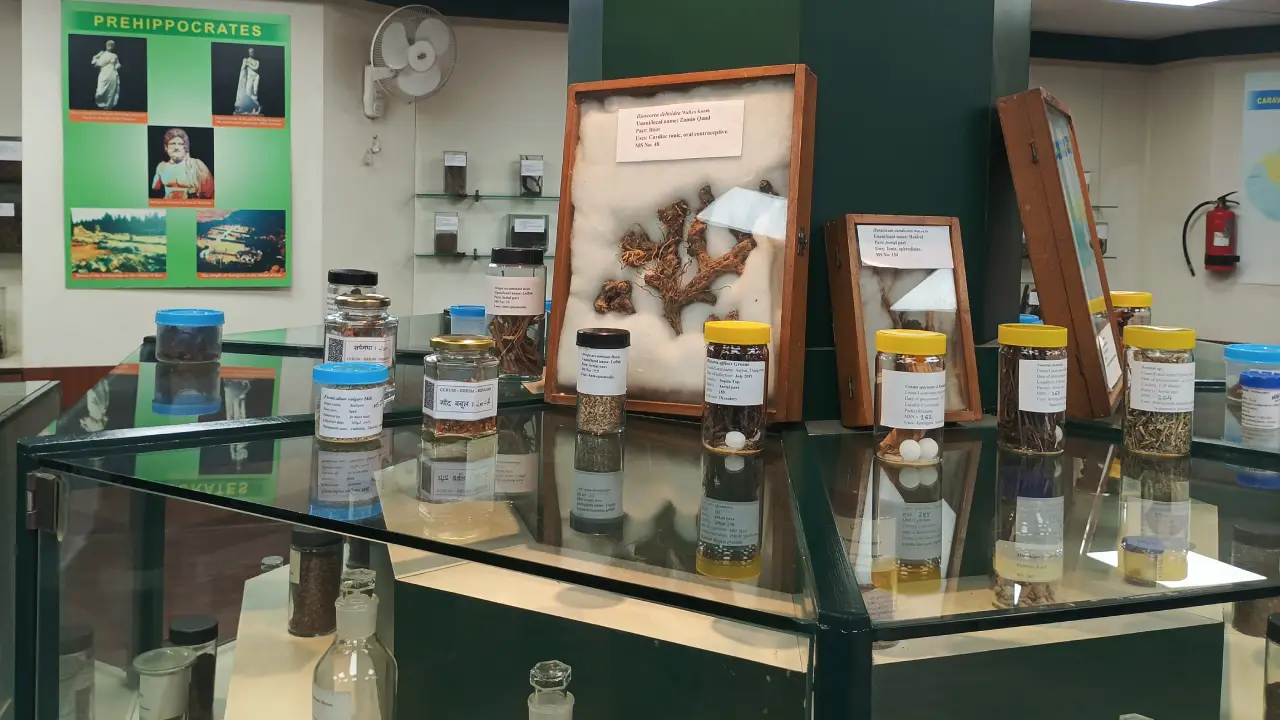
“On a slope near Baramulla, where jadwar once grew without effort, there is now only grass,” Dr Tariq Ahmad, who heads the survey section at RRIUM Srinagar, said. “It was usually present in this area, but after a recent landslide destroyed its natural habitat, its availability has been badly affected.”
What has happened with Jadwar on this slope is not an isolated loss, but part of a wider decline. A 2018 study identified 50 native medicinal plant species in the region as in need of “immediate conservation action”, based on ecological and socioeconomic factors. In Jammu and Kashmir alone, the cultivated area under medicinal herbs fell from 34 hectares in 2016 to 28 hectares in 2019.
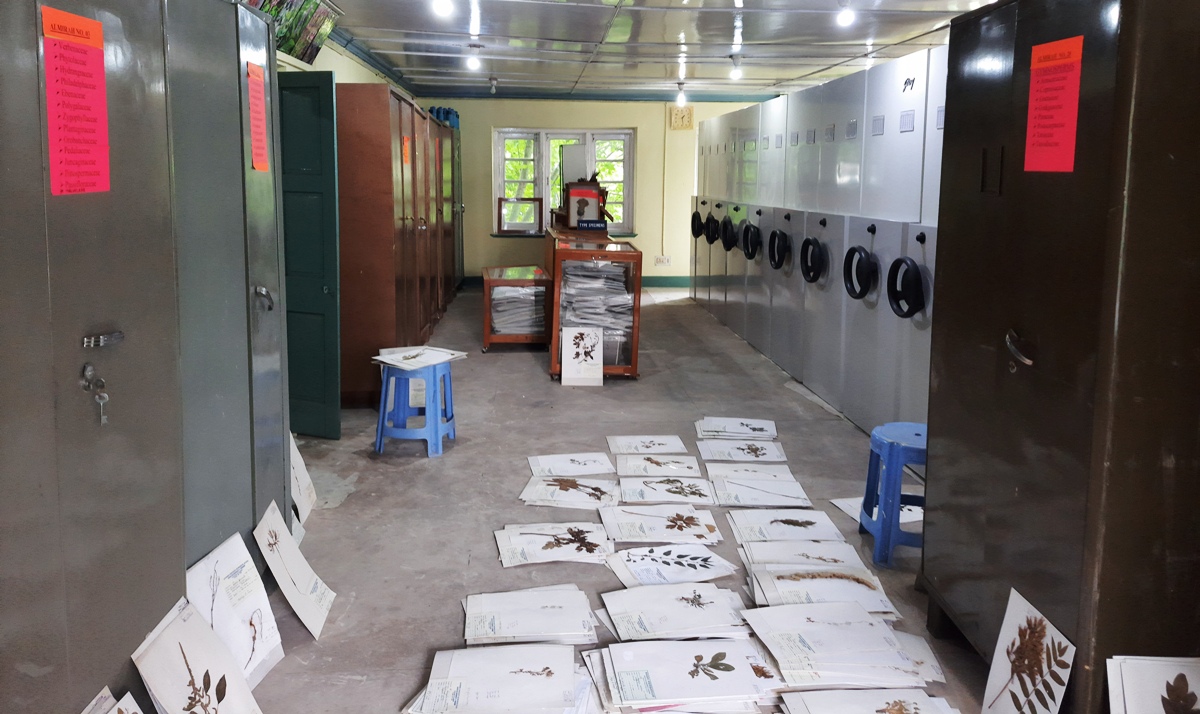
Researchers assert that the herbs, which earlier thrived between certain elevation ranges, are now being found at higher elevations due to the rise in temperature as regeneration at lower elevations has slowed or stopped completely. On a field walk to RRIUM’s herbarium and Museum, the staff pointed out the early eruption of blossoms on Viburnum grandiflorm, Kulmach, which is much earlier than usual. “It should have bloomed in March, but look it is already here in January,” one caretaker said. “The ideal temperature of this month would have never contributed to bloom.”
Climate change impact is visible. Medicinal herbs that once grew abundantly across valleys and alpine regions are no longer appearing where they were once easily found. They have shifted the space.
A Tradition Interrupted
Jammu and Kashmir lies within one of the world’s richest biodiversity hotspots, defined by sharp topographic and climatic contrasts, from temperate lowland forests to alpine meadows and snow-clad peaks. Its Himalayan belt alone hosts over 3,000 documented species of flowering plants, gymnosperms and pteridophytes, many adapted to distinct ecological niches shaped by elevation and geology. Beyond this diversity, the region is particularly renowned for its rich medicinal flora.
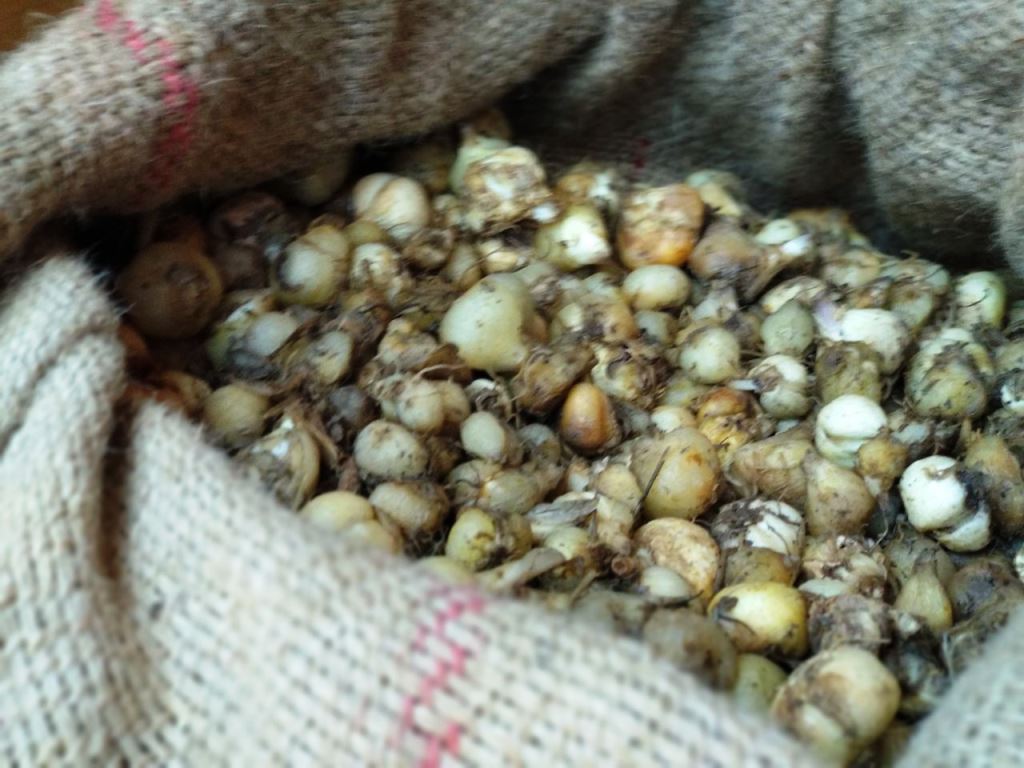
Extensive ethno-medicinal surveys have documented more than 1,100 plant species used in traditional healthcare, most of them native to Himalayan ecological zones and locally relied upon to treat a wide range of ailments
Ghulam Rasool, a resident, recalls an incident that reflects the deep trust many place in traditional medicine. “Once, my mother had a severe cough. We took her to a doctor, but she did not recover immediately—not because the medicine failed, but because she trusted hakims more than doctors,” he says.
He adds that his mother has relied on herbal remedies since childhood, convinced they cause no side effects. Like her, many in the region have depended on traditional treatments for generations, viewing them as safer alternatives to allopathic medicines, which they believe often carry adverse effects.
The belief is evident in the rising footfall at Unani hospitals. Dr Mohammad Abbas Raza, a Unani physician at RRUIM, says the facility receives between 100 and 150 patients daily. “Most cases relate to respiratory and orthopaedic problems,” he says, adding that the hospital also treats patients recovering from chemotherapy or radiation therapy.
For centuries, Kashmir has relied heavily on medicinal plants for treatment. Under the AYUSH (Ayurveda, Yoga & Naturopathy, Unani, Siddha and Homoeopathy) framework, centres across Jammu and Kashmir reportedly cater to millions seeking traditional therapies, including herbal care. Local hakims continue to treat ailments ranging from fever to joint pain using plant-based formulations. They have drawn on this botanical wealth for generations, underscoring the region’s ecological and cultural significance.
Seasonal Cycle Break
Long known for its mild, predictable seasons, Kashmir’s rhythm has shifted. Snowfall in several years has fallen by more than 40 per cent compared to historical averages, winters have turned drier, and snow cover has reduced. On May 22, 2025, the Valley recorded its hottest day in nearly six decades. Rainfall has also become erratic, with an estimated deficit of around 85 per cent between November 2025 and January 2026. What were once rare extremes are now occurring with increasing frequency, pointing to a clear climate shift.
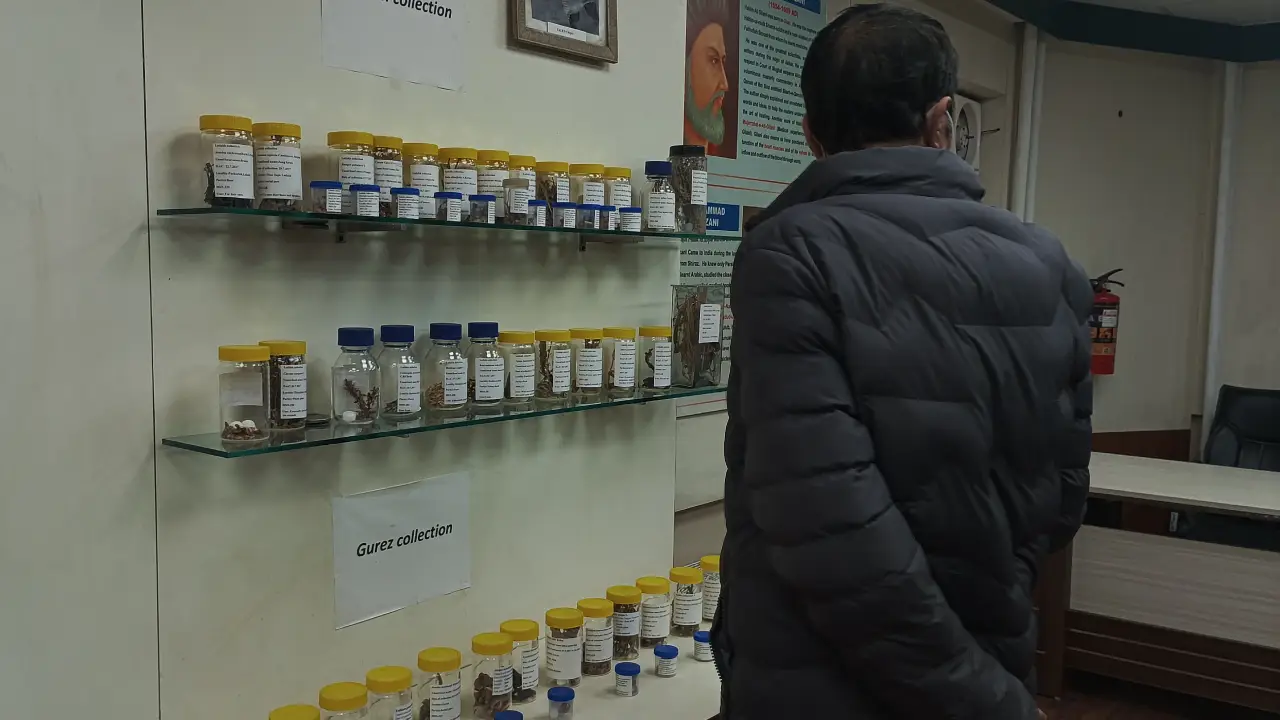
Weather patterns are growing increasingly unreliable. Sudden temperature spikes, unseasonal snow or rain, and sharp atmospheric swings are being reported more often, disrupting traditional cycles. Survey findings reflect the impact: altered flowering times and shortened growth periods have been observed in several medicinal species.
“Herbs that once waited for spring to bloom are now already out, only to be damaged by frost,” a researcher said. Spring now sets in earlier, triggering premature flowering as plants respond before conditions fully stabilise. The snow cover, once crucial for root development, has become increasingly scarce. “Winter used to prepare the medicine,” said Dr Tariq. “Now winter comes late and leaves early.”
Kutki, once common on cold, moist alpine slopes, depended on prolonged winters and gradual snowmelt. Collectors earlier found it within a predictable altitudinal range. Now, they must climb higher, often beyond familiar terrain. The plant requires stable spring temperatures, but survey observations indicate a sharp decline at lower elevations. “These were not rare plants,” the researcher added. “But they are becoming unreliable.”
Residents say winters no longer resemble the past. Ice formations that once remained frozen throughout the season now melt or fracture earlier, a shift many attribute to rising temperatures.
“Earlier, I would stay in Srinagar until April before returning to Sonmarg because of heavy snowfall,” Mohammad Ashraf, a shawl seller, said. “This year, I plan to go back by mid-February. I’m told Sonmarg isn’t that cold anymore.”
Six Endangered
Several medicinal and aromatic plant species in Kashmir are now on the brink of extinction. At least six have entered the Red List of the International Union for Conservation of Nature (IUCN) and are officially classified as endangered. Species once common across mid-altitude landscapes are steadily retreating to higher elevations.

“Bazerbung (Ajwain Khorasan), once reported on the University of Kashmir campus, has now shifted to higher altitudes,” a researcher said, attributing the change to rising temperatures and altered precipitation patterns.
Other key species are under similar stress. Aconitum heterophyllum (Patis), used traditionally as an anti-inflammatory and digestive remedy, is becoming scarce due to habitat loss. Wanwangun (Podophyllum hexandrum), valued for treating ulcers, wounds and pain-related conditions, is also declining rapidly. Researchers warn that many such plants are disappearing without documentation or regeneration efforts, threatening both biodiversity and Kashmir’s traditional medical knowledge.
Unaccounted Loss
Despite decades of study, Kashmir’s medicinal plant diversity remains only partially documented. Ethnobotanical surveys have recorded over 1,100 species used in traditional medicine across Jammu and Kashmir, one of the largest Himalayan inventories, but experts stress this is just a baseline. Many surveys cover limited districts or communities, leaving vast alpine and sub-alpine areas underexplored due to rugged terrain, short field seasons, and scarce resources.
Several plants are known only through oral traditions, identified by local names and uses, with little or no formal taxonomic or chemical study. Some species actively used by healers have never been assessed for pharmacological properties. Traditional knowledge is also eroding, as younger generations participate less in herb collection and lore transmission.
With climate change and habitat disturbance accelerating, researchers warn that many species may vanish before being fully documented, risking the loss of both biodiversity and centuries of medicinal knowledge. If this trend continues, countless medicinal herbs will remain hidden, and potential scientific discoveries may be lost forever.
Herb Shifts
Scientific research now confirms what collectors and field researchers in Kashmir have long observed. A 2022 modelling study in Environmental Sustainability found that medicinal plants reliant on cold, stable alpine conditions are steadily moving to higher elevations as temperatures rise. Kutki (Picrorhiza kurroa), once abundant on moist alpine slopes, is particularly vulnerable due to its narrow climatic tolerance and dependence on prolonged snow cover. The study projects a 200-400 metre upward shift in suitable habitats by mid-century, sharply shrinking its range.
Regional surveys by the Botanical Survey of India and Kashmir-based institutions show similar trends for Jadwar, with poor regeneration at lower altitudes and increasing reliance on fragile high-altitude zones. Experts warn that species already near the upper alpine limits face a “dead end,” with climate-driven migration potentially leading to local extinction before they are fully studied or conserved.
“Climate change has hit our herbal plants hard,” the researcher said. “Most grow in alpine and sub-alpine zones, and now they are receding higher. Beyond a certain altitude, plants cannot survive due to harsh conditions and intense radiation.”
Fading Away
As Kashmir’s seasons grow increasingly erratic, medicinal herbs are quietly retreating from the landscapes that once nurtured them. Species such as Jadwar, Kutki, and Kulmach, once easily located by collectors and routinely used by hakims, are now pushed to higher altitudes or vanishing from familiar terrain. The change is gradual and cumulative, often unnoticed until absence replaces abundance.
The loss goes beyond plants. With each disappearing species, layers of traditional knowledge, local names, harvesting practices, seasonal cues, and healing applications passed down through memory are eroding. For generations, these herbs formed the backbone of everyday healthcare in Kashmir, providing affordable, trusted treatment long before modern medicine reached the region.
Medicinal plants are also tied to identity and livelihood. Collectors, healers, and families now travel farther, search longer, and return with less. Even well-documented species are becoming unreliable, while lesser-known herbs risk disappearing before they are ever studied or recorded.
If trends continue, Kashmir risks losing not only rare plants but an entire knowledge system rooted in its mountains, forests, and seasons. The disappearance of these herbs would not merely mark an environmental decline; it would sever a centuries-old bond between people and the land that sustained their health, erasing healing traditions that cannot be replaced once gone.