Around Kashmir’s shrines, devotion has quietly built a market that, for hundreds of households, is the only one that never shuts, reports Asrar Syeed
At the foothills of Hari Parbat, the shrine of Kashmir’s revered saint Sheikh Hamza Makhdoom, widely known as Makhdoom Sahib, has been a religious centre for the Muslims of Kashmir for centuries. For Abdul Ahad Sofi, the area holds different chapters of his life.
“I was born and raised in this area and have spent most of my life here,” Sofi, sitting at his departmental store, said. “During my childhood, climbing the stairs of Makhdoom Sahib was almost a daily activity. Children of this area hold this sacred place very close.” .
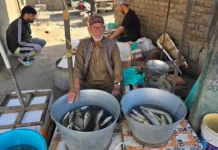
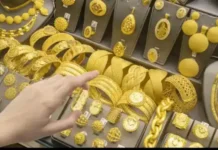
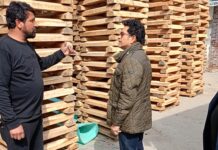
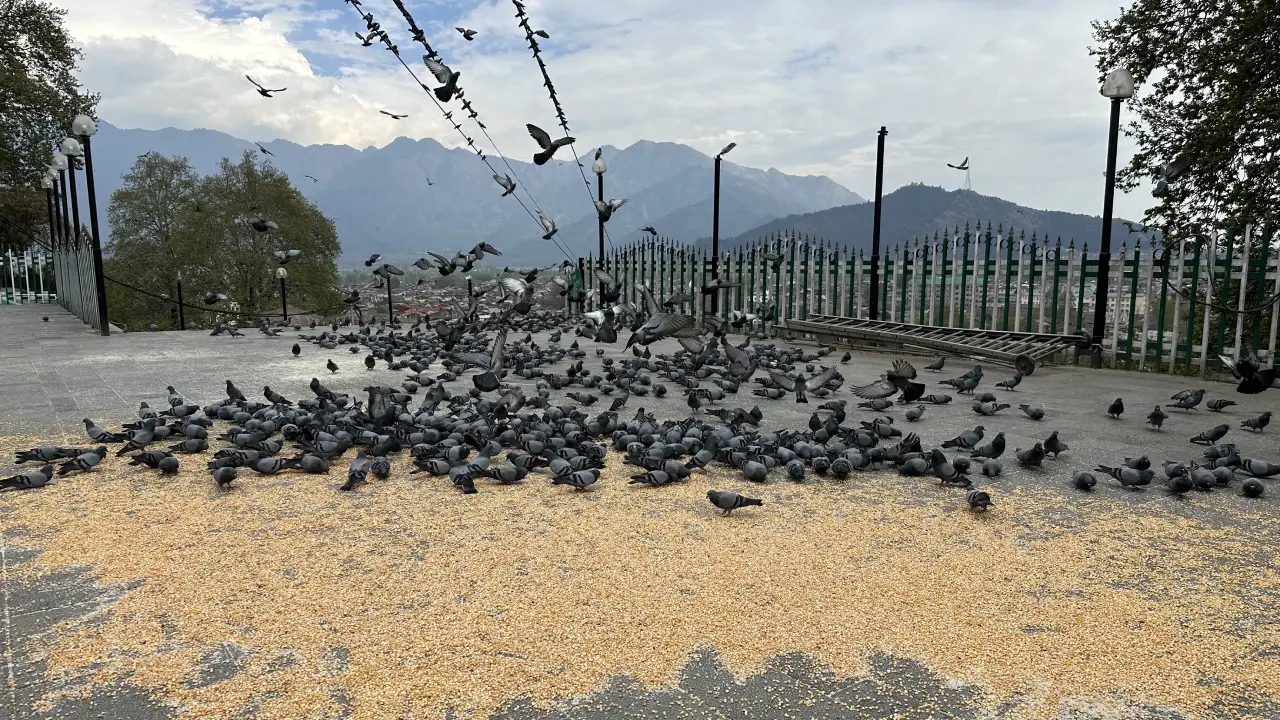
Across the valley, hundreds of shrines and historical mosques built centuries ago have been places of both religious and commercial activity. The worshippers who visit them every day for faith and devotion also sustain hundreds of shopkeepers. Around every shrine, worshippers buy from these shops, from maize to traditional food, clothes and household items.
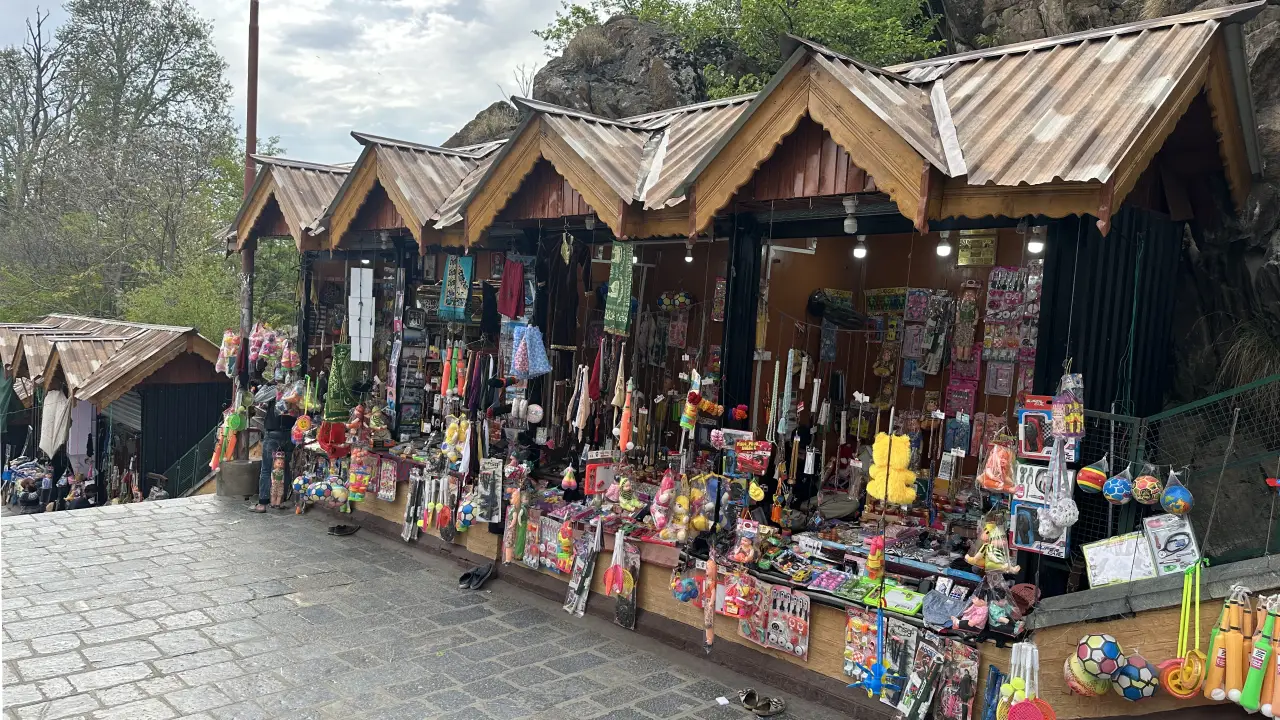
At Makhdoom Sahib, the shops that were once few have multiplied. “Our family used to run a traditional Kashmiri bakery, a kandur shop, and only a few shops existed here then,” said Sofi, recalling how the area has changed over the years. “There was maize, which worshippers buy to feed the birds around the shrine, fried alwe mounji, Masal Tschot, a few shops selling Islamic literature and two or three selling household items. Nowadays you can see shops selling clothes, toys for kids, even mobile phones.”.
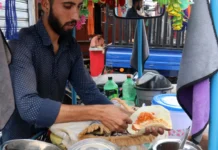
Riyaz Ahmed, from the old city of Srinagar, earns his living selling Masal Tschot, a thin bread served with boiled white peas cooked overnight and a little onion sauce.
“I didn’t have enough money to start even a medium-scale business. So I put my little savings into this cart and decided to sell this bread-wrap. In the initial days I sold it around Jamia Masjid, then because of the turbulent situation I shifted to Makhdoom Sahib. It has been at least eight years now,” said Riyaz while attending to a few customers.
In Kashmir, political uncertainty has meant prolonged shutdowns, and curfews lasting weeks have cost people their livelihoods. Earnings fell sharply during those times, and Riyaz, like other shopkeepers here, credits the daily worshippers for keeping him afloat. “Had this shrine not been here, our earnings wouldn’t have been enough to meet our expenses,” he said. Sofi agrees. “This shrine has provided livelihood to so many households over the years. Our hearts are filled with gratitude. Without it, we would have faced difficult times.”
The Friday Market
Surrounded by hills and green landscape is the shrine of Kashmir’s revered Sufi saint Sheikh Noor-ud-Din Noorani at Charar-e-Sharief, around 30 kilometres from Srinagar. It attracts thousands of worshippers every Friday. Here too, faith and livelihood sit side by side.
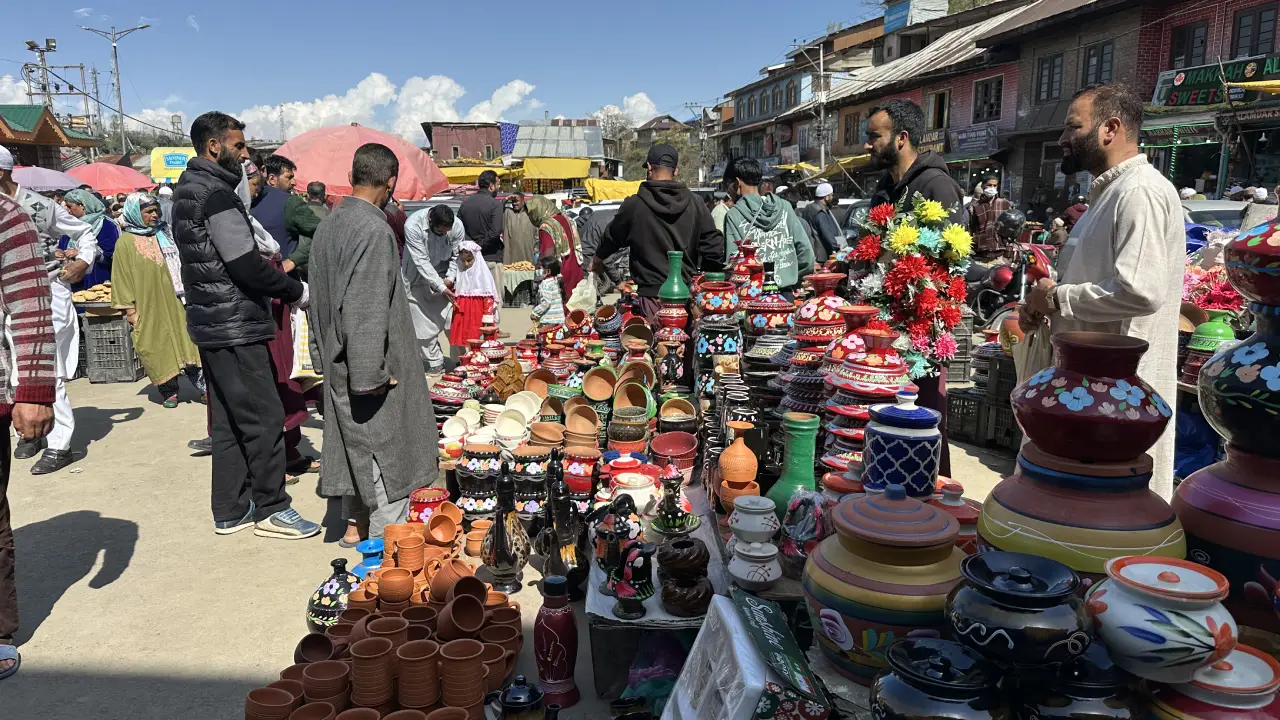
Outside the shrine, a small area holds permanent shops and street vendors selling pottery, local bread, fried food and household items. For Sameer, the place became a source of income when he needed it most. “I completed my graduation in 2022 and searched for a job until 2024, but unfortunately I couldn’t find one,” said Sameer, attending to worshippers coming out after the congregational Friday prayers.
According to official data as of November 2025, there are over 3.57 lakh registered unemployed youth in Jammu and Kashmir. Kashmir division accounts for 2.08 lakh of them and Jammu division for 1.50 lakh.
“After failing to get a job, I was not doing well mentally, and at home the responsibilities and expenses were rising every day. During those days I visited Charar-e-Sharief, and after offering prayers I stopped for a cup of tea. While drinking it I learnt how many young boys had set up makeshift shops here, and it made me think of doing the same,” Sameer said.
Every week, hundreds of worshippers come to Charar-e-Sharief for the Friday prayers and walk through the market afterwards. “I am thankful I started my makeshift shop here, where I sell pottery. By the will of Almighty, I have been making decent earnings,” he said.
Mushtaq Wani, from Nagam in Budgam, said the market has supported hundreds of households. “These Sufi saints are part of our lives. If you look at Kashmir’s history, many of the arts and crafts came here with them. They brought faith, and they brought livelihood too.”
The Annual Urs
The annual Urs at Kashmir’s Sufi shrines are among its biggest religious gatherings, marking the death anniversary of a saint and drawing large crowds. During these days, the number of shops outside the shrines grows, and the shrines become centres of trade as much as devotion.
“Every year the Urs is celebrated here, and people come in large numbers to the shrine of Zain-ud-Din Wali. The people of Aishmuqam are very close to this shrine. Many of us grew up playing with friends during the Urs,” said Abdul Majeed.
The road leading up to the shrine has a permanent line of shops selling food, children’s toys, Kashmiri fritters and packets of maize. “I have been selling food items here for many years. Aishmuqam is visited by a large number of people almost daily. Because Pahalgam is a short distance away, many people travelling there stop at the shrine for prayers and then go through the market,” said Altaf Ahmad, whose shop is a favourite among locals.
For the shopkeepers around these shrines, the worshippers are also their customers, and every visit to pray is, in some small way, a visit that keeps a household running.