Kashmir’s traditional gathering spots, from riverside Yarbal to mosque hammams, are giving way to cafes as new social hubs, even as political unrest and lockdowns push many of these businesses to the edge, reports Asrar Syeed
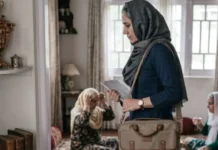
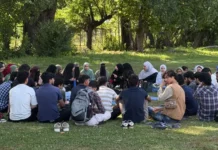
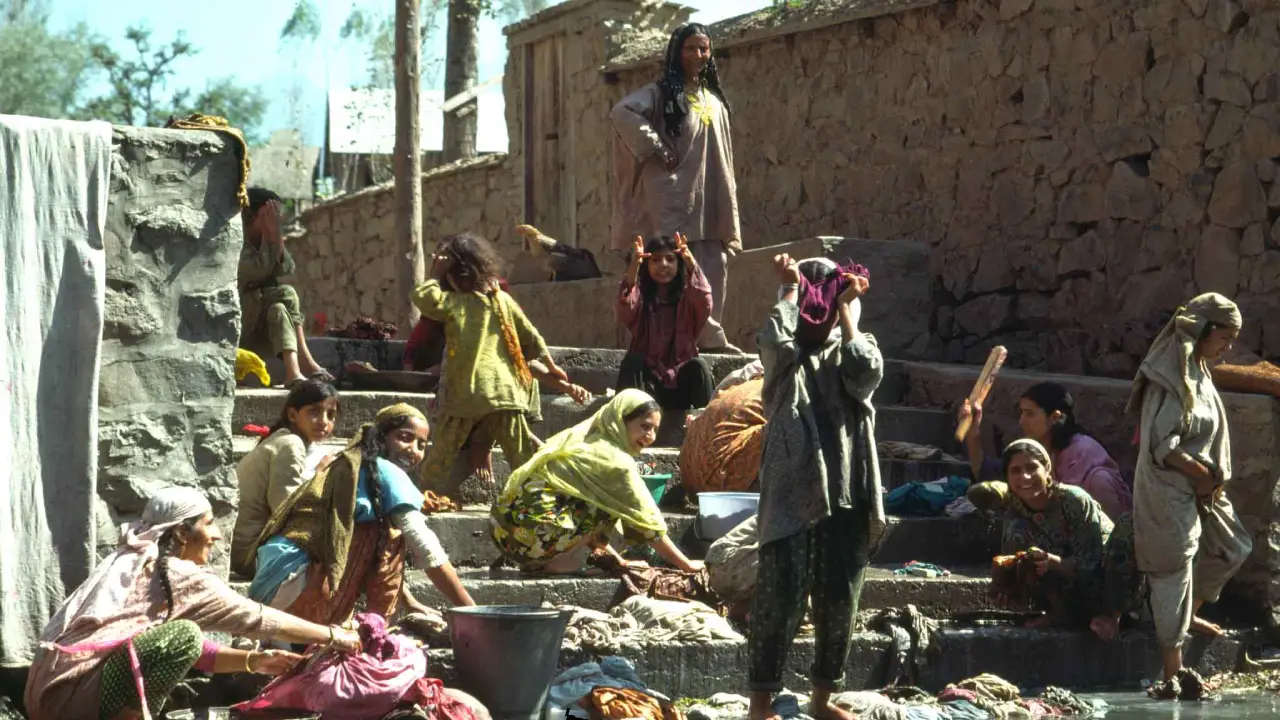
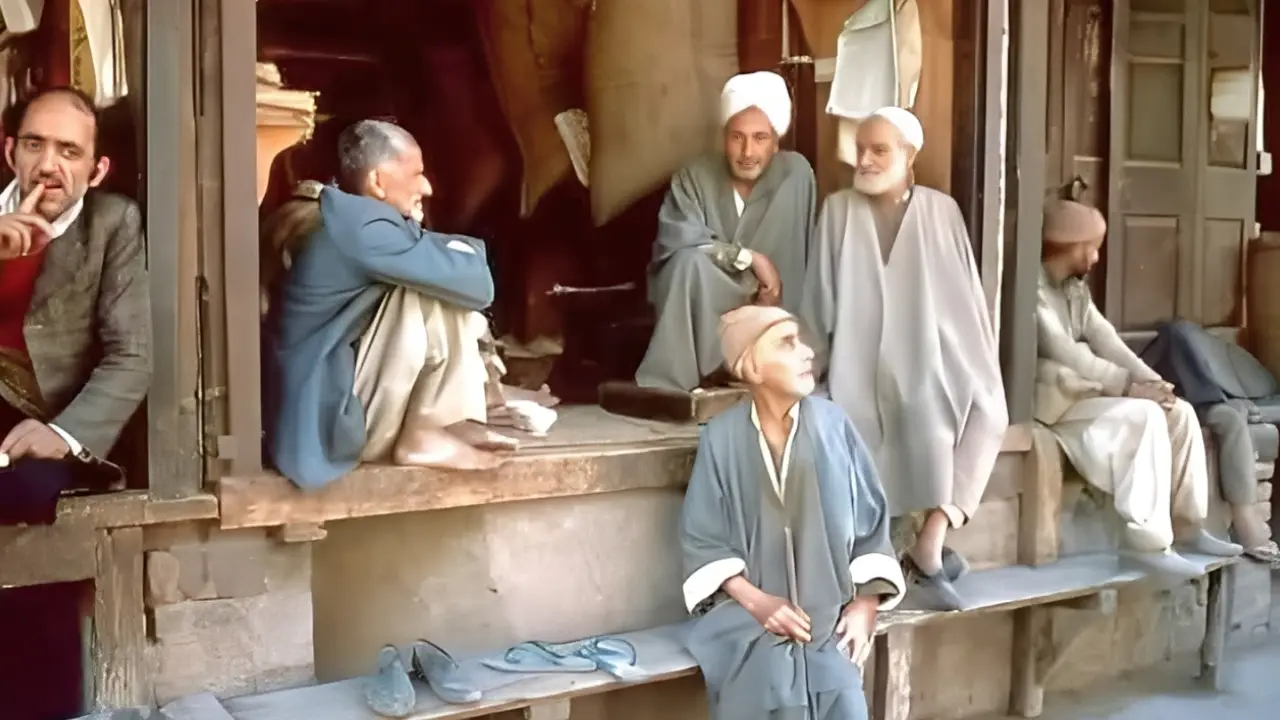
Socialisation in Kashmir has changed a great deal over the last few years. For centuries, women cherished conversations held on Jhelum Yarbals. Men would crowd Waneh Peayand’s (shop fronts) to learn what was happening around in politics, culture and religion. By evenings, Hammams in mosques would offer the ‘story so far’ to one and all, especially when temperatures plunged below zero.
This has all changed and is still evolving. While people of all ages have joined the virtual platforms of their choice on social media, those keen to socialise physically meet and greet each other in newly established cafés. These cafés have become the new spot for conversations, meetings and exchanging views, in a way that would have seemed unfamiliar to an earlier generation.
Right now, Kashmir is witnessing an exponential rise in newly established cafés. Almost every street and corner now houses a few cafés, where youngsters, office-going employees or the elderly visit to meet their friends, relatives or colleagues with whom they once worked. Reunions of students, birthdays of friends or family members, outdoor office meetings, or a quick visit for a cup of coffee, have all become a routine part of life in a way they never used to be. Now some families prefer hotels for Nikkah as well.
Thematic Cafés
In the interiors of Srinagar’s Raj Bagh area, Cafe Morels has lately become a favourite spot for people from every background. Owner Nasir Ali Khan usually occupies one of the tables inside the restaurant to keep a check on every activity happening around him. From initiating conversations with customers who visit the café, to having little chats with his staff, Nasir is always caught up with something.
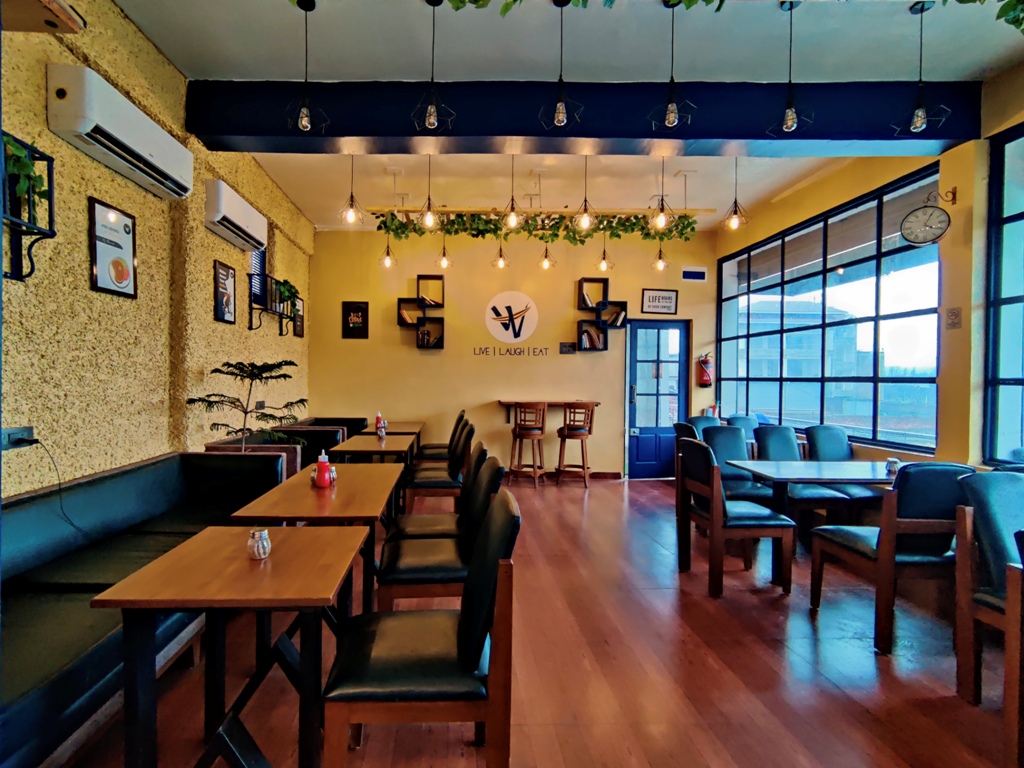
“It is very important for a cafe owner to develop a close connection by spending time at their cafe,” Khan said. “This helps in learning your shortcomings, where you have to improve, and also keep a check on your business.”
Before entering the café business, Nasir worked in the radio industry, where he earned the title RJ Nasir, and many people still know him by this name today. He always wished to own a café, or as he puts it, create a space where people from every background could spend time with their family, friends or children.
However, he kept delaying the opening of the café. “I always wished to own a café, but somehow it always got delayed,” he said. “Until one early morning in the COVID-19 wave, I did not feel like continuing with radio. And I decided of quitting my radio job and maybe relax, or take a break, think of something else.” Nasir did not inform his family for a week. “It was not an easy decision, but somehow I did what I thought should be done,” he said. “My parents, in-laws, did tell me that I should rethink.”
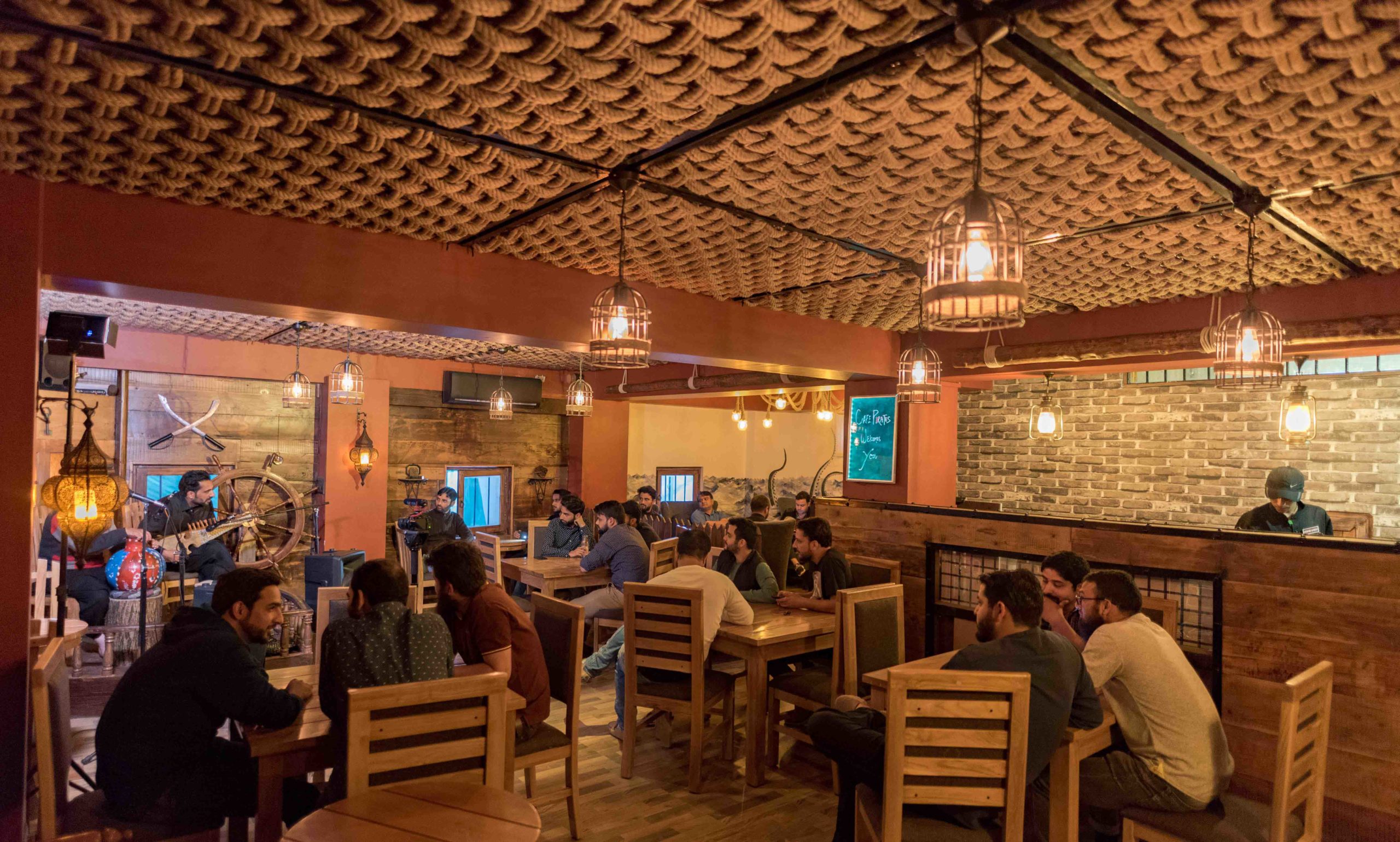
Passionate about meeting new people and always excited about conversation, Nasir sees this emerging cafe culture as a positive sign. “See, today if you see in Srinagar there are so many cafes. When I was growing up, it was the opposite of this. There were a handful of cafes. I remember it was my uncle who took me to a cafe for the first time, named Mehfil, after I had passed one of my examinations. That day I experienced for the first time what a café was all about. But over the years, the picture has completely changed. Cafés are filled with friends meeting after a long time, and parents take their children to them. Overall, these cafes have changed the concept of socialisation.”
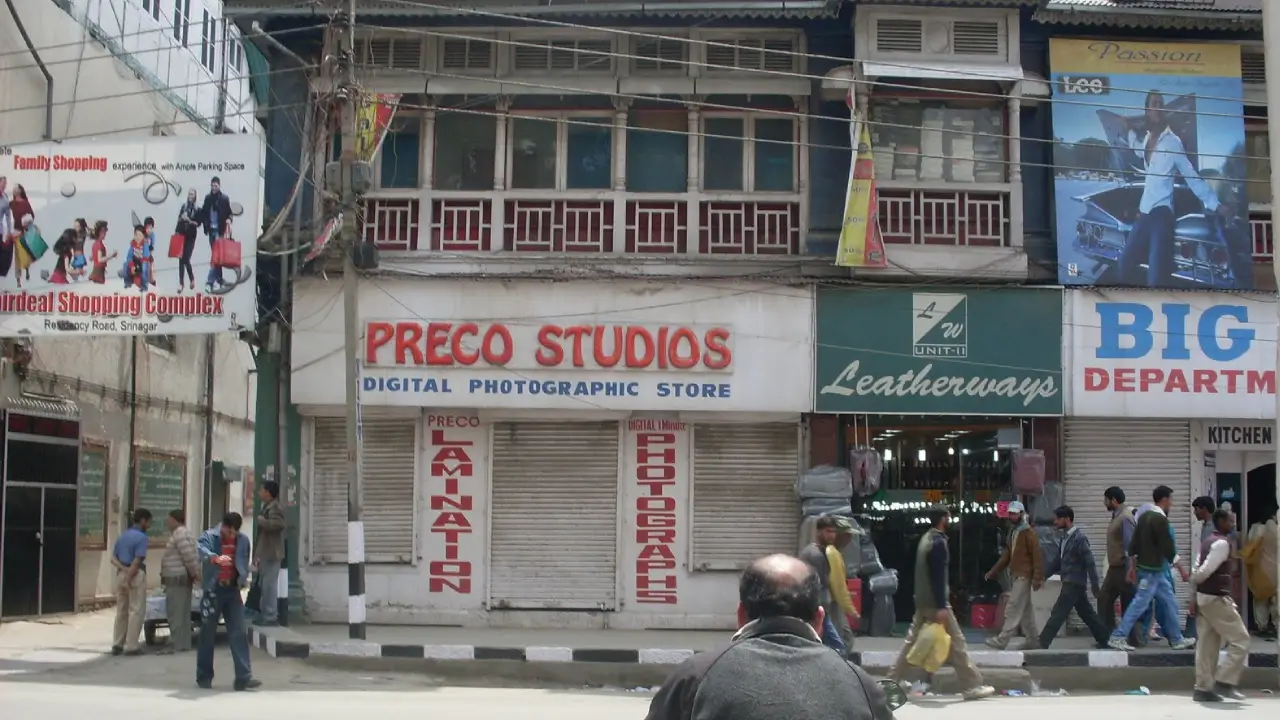
In the nineties, the only such space was on Residency Road where the Coffee House operated.
In Uptown
In Srinagar’s Solina area is a cafe named Cafe Ertugrul, which follows the theme of the famous Turkish TV series Diriliş Ertuğrul, and has lately attracted both local and non-native customers in large numbers. The interiors of the café have been largely designed keeping in view the theme of the series, which was a massive hit around the world, and in Kashmir too it received widespread attention. Owner Tafheem Tariq was drawn towards opening such a café when he witnessed how people in Kashmir embraced the series because of its strong moral and ethical values.

“Basically, it was during the Covid 19 pandemic, when I was studying at Kashmir University, that I suddenly started witnessing a massive wave among people for the name Ertugrul,” Tafheem recalled. “The series was being watched by everyone, even my own family. And upon my brother’s suggestion, I also watched the series. And that is when the idea of this café was born. Until that time, I never knew about such an important personality as Ertugrul Ghazi. And that is when I decided that I would create a space which will carry both the name of this great Islamic warrior and, apart from that, also his moral and ethical values. And that was how café Ertugrul was born.”
Since it opened, the café has served hundreds of customers and offered a unique space to people. “We make sure people who visit the cafe find this space unique, and at the same time find our service driven by ethics and morals, which are the two most key principles our cafe follows,” asserted Tafheem, who was among the first few people to start a theme-based cafe in Kashmir. ” Tourists from different parts of the country have also shown a keen interest. We welcome everyone and make sure they leave the cafe on a positive note.”
A Social Change
In the not-so-distant past, socialisation in Kashmir was woven into the rhythms of everyday life. During the harsh winter months, men would gather in mosque hammams, sitting around the heated stone floors and discussing things.
Then, people regularly visited the homes of relatives, friends and neighbours, keeping alive relationships that were sustained through frequent personal contact. Family gatherings, weddings and other social occasions brought together extended families and communities, often turning them into spaces for long conversations and shared memories. For children, school was another important social space where friendships formed and ideas were exchanged through everyday interaction.
Much of this older social fabric has survived, though it has been steadily changing with modern life, technology and migration. Unlike the periphery, the cafés have advanced the concept of socialisation, and given people new places for chai pa charcha.
Tafheem argues that in the past, people did not much like the idea of hanging out, meeting their friends outside, or eating as a family outside their home. “Today, if you see, youngsters are fond of having a cup of coffee outside, meeting their friends outside their homes, and even families are having lunches or dinners in cafes or restaurants,” he said. “And over the past couple of years the demand has only increased, and this is the main reason behind the increase in cafés.”
Anam Khan, co-owner of Books and Bricks cafe, agrees that cafés are changing the concept of socialisation in Kashmir. “Cafés have introduced a new kind of social space that is informal, accessible, and welcoming to different age groups,” she said. “I have college students walking in with the same ease as a retired government officer. The most heartwarming are the mother-child dates after school. Today, cafes are where students study, entrepreneurs hold meetings, artists collaborate, friends catch up and families spend quality time together.”
Books and Bricks follows a similar pattern to American diners when it comes to aesthetics. Over the years since it was established, the cafe has held book reading sessions, live music sessions and much more. “Cafés are filling a gap by providing safe and comfortable environments where people can connect, exchange ideas and build relationships,” Anam said. “We really need these softer third spaces in our community. This evolution is particularly important for young people, who increasingly seek spaces that encourage creativity, networking and self-expression.”
The Flip Side
Every week or month, new cafes emerge across various districts of Kashmir. At the same time, however, many are also shutting down because of low footfalls, debts and low sales. In certain cases, a few years ago, even the situation played the daredevil.
For Shahid, the closure of his Kupwara cafe, Hunger Bites, was not something he did voluntarily. Following the abrogation of Article 370, months-long restrictions in Kashmir caused massive economic losses. After some respite in winter, as restrictions were being removed in a phased manner and the economy was slowly breathing again, another lockdown was imposed to contain the spread of the Covid 19 virus.
“During the Article 370 lockdown period, I somehow managed to save my business,” Shahid said. “But when the Covid 19 lockdown continued for months, I had no option but to shut down my café permanently. There were no means to pay the staff and rent of the shop.”
Shahid is not alone. Hundreds of businessmen across Kashmir have faced massive losses whenever the political atmosphere turns volatile, or due to natural disasters.
From August 5, 2019 until the end of 2021, Kashmir suffered losses worth Rs 50,000 crore, according to Kashmir Chamber of Industry and Commerce (KCCI) estimates. Behind these figures are stories of hundreds of shops shutting down.
“Living in Kashmir and running a business here comes with its own challenges,” said Anam Khan, whose cafe, Books and Bricks, remained shut during both the lockdowns for months. “The political climate, the tourist influx, the weather situation and the traffic directives for VIP movements all directly impact the daily sales and contribute to the revenue generation of the business.”
Besides, Nasir Ali argues that a lack of understanding and no research before opening the café could be other factors. “See, opening a cafe might seem to be something very attractive, but running a cafe requires proper understanding of the industry,” he said. “Challenges are everywhere.”
The Way Forward
Jammu and Kashmir is currently witnessing a soaring rate of unemployment. Latest estimates of the Periodic Labour Force Survey suggest the overall unemployment rate for Jammu and Kashmir stands at 6.7 per cent, which is almost double the national rate. Amid these uncertain times, many youngsters wish to start something of their own.
Tafheem Tariq said there is no reason why one should not open something like a cafe. “But the person should first spend some time researching the market, building a business plan, and also ideas about how to manage a crisis,” he said. “Study the cafe business and not rush into things.”
Anam Khan echoes the same note of caution paired with optimism. “Kashmir has immense talent and creativity,” she said. “If that entrepreneurial spirit is supported with practical skills and perseverance, the hospitality sector can become a meaningful source of employment and economic growth for the region.”
As Kashmir witnesses a steady growth in the number of cafés, the sector has emerged as an important source of employment for youth. At the same time, however, a significant number of cafés are closing down, raising questions about sustainability.