Watlab in Kashmir’s down-north embodies serene natural beauty, rich cultural heritage and spiritual significance, reports Babra Wani

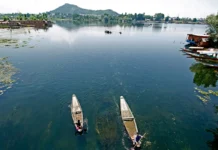
Tucked away on the picturesque banks of Wular Lake, the captivating Watlab is a quaint settlement boasting unparalleled natural beauty that never fails to enchant visitors.
Almost 75 km north of Srinagar, Watlab is strategically located along the Sopore-Bandipore road. Its unique geography finds it positioned at the Jhelum River’s highest navigable point. The village spans across a north-south axis, bordered by Kehnoosa Village to the north and Hardusho Village to the south. Well-maintained bridges traverse the river, complemented by an extensive network of roadways that facilitate seamless connectivity.
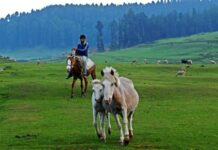
Its climate proves to be a delightful bonus. Characterised by rolling mountains, Watlab remains relatively untouched by human development. The panoramic views from elevated vantage points are nothing short of breathtaking, offering awe-inspiring vistas of the Wular Lake, Kashmir’s largest freshwater lake, the premier Ramsar site, and its surrounding landscape.
The Shrine
Beyond natural allure, Watlab holds significant religious importance. It shelters a revered shrine dedicated to Muslim Sufi saint Baba Shukuruddin. Also known as Topandaz-e-Kashmir, Baba Shukruddin was born in 790 Hijri (1388 Ad) at Arwat in Machhama, Budgam. He gained spiritual enlightenment under the guidance of Shaikh-ul-Aalum and Zainud Din Rishi. Renowned for his teachings, Baba Shukruddin fostered harmony and brotherhood, attracting devotees of all faiths. His legacy includes mentoring Baba Payamud Din Rishi of Tangmarg and strengthening the peer-mureed bond.
Located 17 kilometres north of Sopore, the shrine’s accessibility complements its allure. Situated on the shores of Wular Lake, it offers a captivating destination. This scenic locale boasts an otherworldly ambience and breathtaking beauty, rendering it ideal for day excursions.
The village’s picturesque apple orchards add allure to the rice fields and the forested belts.
In 1947, a new mosque was constructed and the renovation of the meditation shrine was carried out. The complex features a wooden western entrance, Langer Khana, the community kitchen for communal dining and Musafir Khana (guest house) accommodations for pilgrims.
Adjacent landmarks include Baba Ragi Reshi’s grave to the west and Baba Roop Reshi’s resting place overlooking Wular Lake. Visitors are warmly welcomed with Langer (community kitchen) at the shrine.
Beyond the shrine’s allure, Wular Lake itself stands as a primary attraction, beckoning exploration.
Wular Lake
Wular Lake, visible from Watlab, is a premier attraction in the region. Known locally as Wolar, it ranks among India’s and South Asia’s largest freshwater bodies. Located in Bandipora, the lake owes its existence to tectonic activity.
The lake’s waters are fed by the Jhelum River and Arin and Madhumati streams. Ancient texts, notably the Nilamatapurana, reference the lake as Mahapadmasaras. Its nickname, Ullola, stems from the Sanskrit term for “high and stormy waves,” reflecting its turbulent afternoon waters.
The lake’s name, Wular, originates from the Kashmiri term for “gap” or “fissure,” believed to be its formation catalyst.
Wular Lake boasts historical significance. Accounts suggest Kashmiri Sultan Zain-ul-Abidin commissioned an artificial island within the lake. Other records indicate surrounding lands belonged to Raja Sundrasen’s kingdom, reportedly submerged by the lake as divine retribution.
Ecologically vital, Wular Lake is a designated Ramsar site, one of 80 in India. Its wetlands shelter diverse fish species: Sattar Snow Trout, mosquito fish, Chush Snow Trout and Pink Barb. The lake’s abundant fisheries contribute significantly to Kashmir’s harvest, approximately 60 per cent.
Ecosystem
This natural treasure seamlessly blends historical intrigue, ecological importance and breathtaking beauty, solidifying its allure.
Watlab, a treasure trove of biodiversity in Kashmir, is home to an array of bird species. The Himalayan monal, Indian roller, Barn swallow and Eurasian sparrow hawk are among the many species found in the region. In recent years, the local government has taken steps to promote tourism by introducing boating and water sports such as water skiing.
Visitors to Watlab have limited options for lodging, with the sole choice being a forest rest house situated amidst picturesque apple orchards. This setting makes for an enjoyable and scenic visit. Alternatively, Watlab offers substantial lodging options, including homestays with local families. These homestays provide travellers with an immersive experience of authentic Kashmiri culture and hospitality. They offer a unique perspective on local customs, cuisine and traditions.
Take A Trip
For those planning a trip to Watlab and Wular Lake, the ideal time to visit is between June and August. The weather during these months is pleasant and cool. Moreover, the favourable climate ensures the lake remains open for boating and other aquatic activities.
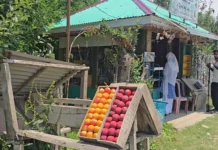
Watlab boasts a vibrant cultural scene deeply rooted in Kashmir’s traditional crafts and agricultural heritage. The regional economy is primarily driven by agriculture, characterised by sprawling apple orchards, rice fields and walnut plantations. This abundance has positioned Watlab and neighbouring Sopore as pivotal contributors to Kashmir’s economy, particularly within the apple industry. Sopore, renowned as the apple town of Kashmir, is one of Asia’s largest apple markets, with Watlab significantly contributing to this agricultural output.
Despite possessing immense natural beauty and cultural significance, Watlab remains relatively under the radar compared to prominent Kashmiri tourist destinations like Gulmarg and Pahalgam. However, adventurers who make the trek to Watlab often find the journey deeply rewarding. The area lends itself perfectly to ecotourism and religious tourism, offering serene retreats far removed from Kashmir’s densely populated areas.
Wular Lake is encircled by several strategic mooring sites. Key locations include Sodrakut to the east, Nandihal, Nus and Bandipore nallah to the northeast, Madhumati nallah to the north and Kiunus, Ashtong, Watlab and Zirmanz to the west, with Ningal situated to the southwest. For an optimal panoramic view, Kiunus, Watlab and Zurmanz are highly recommended. However, Watlab and Zurmanz become hazardous for boats during inclement weather.