
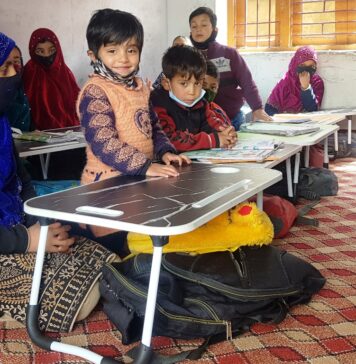

What Does Kashmir Mean to Those Who Call It Home?
by Nazira Maqbool
Through memories, landscapes, culture and conflict, the writer presents Kashmir as a homeland of beauty, resilience, hospitality and aspirations beyond political turmoil.
Often...

Is Infertility Really a Curse, or Is Society’s Treatment of It the Greater Curse?
by Palveen Kour
Infertility is a medical condition, not a woman’s failure; the greater harm comes from social stigma, blame, emotional abuse and marriages lacking...
From Hashtags to History: Is Gen Z Redefining Political Participation?
by Dr Iqra Shafi
Across Asia, Gen Z is reshaping political activism through digital mobilisation, issue-based movements and demands for accountability, opportunity, transparency and institutional...

Are Tibetan Muslims in Kashmir Caught Between Belonging and Citizenship?
by Sri Varshith Kumar Reddy E
Tibetan Muslims in Kashmir, descendants of a centuries-old trans-Himalayan community, remain culturally integrated yet face unresolved questions
The story of...
Was Mir Naushad Rasool a Gentle Voice of Conscience in Kashmir’s Urdu Literature?
by Suhail Saalim
Mir Naushad Rasool, teacher and Urdu columnist, combined literary insight, social observation and humane values, leaving behind a distinctive voice in Kashmir’s...

Can the Islamic Economic System Offer an Answer to Global Inequality?
by Suhail Gaznavi
Islamic economics seeks to balance private enterprise, social responsibility and wealth distribution, offering an ethical alternative to persistent global inequality
The modern world...

Can China’s ‘Ice Silk Road’ Give Beijing a First-Mover Advantage in Arctic Trade?
by Asad Mirza
China’s Arctic push is turning the Northern Sea Route into a strategic trade corridor, challenging India and others to catch up while...

In Kashmir, Is Public Office a Responsibility or a Privilege?
by Mudasir Rasool Najar
Delays, weak accountability, and poor public service undermine citizens' dignity. Reform requires ethical governance, empathy, institutional accountability, and officials who treat...

How Has Digital Procurement Transformed Public Spending in Jammu and Kashmir?
by Mehraj Dar
Digital procurement has transformed public spending, competition, transparency, and project execution in Jammu and Kashmir while strengthening institutional accountability.
Public procurement in Jammu...

What Happens When AI’s Unconscious Becomes Stronger Than The Human Mind That Created It?
by Dr Ghulam Mohamad Khan
AI is building a vast collective unconscious from human knowledge, potentially transforming cognition while quietly eroding humanity’s capacity to think...
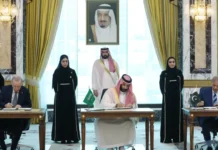
Can the Makkah Pact Reshape the Middle East’s Security Order?
by Asad Mirza
Saudi Arabia, Türkiye and Pakistan’s defence pact signals weakening faith in US guarantees while reshaping regional deterrence, alliances and strategic calculations
On August...
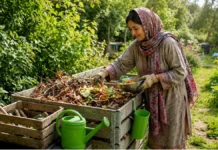
Can Home Composting Protect Kashmir’s Wullar Lake?
by Dr Raja Muzaffar Bhat
Bandipora takes the lead by issuing a landmark notification. Other DCs must come up with similar orders to streamline the...
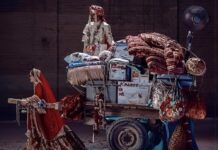
Is Kashmir Hiding Dowry Behind ‘Gifts’?
by Dr Ifrah Ferooz Kawoosa
Kashmir’s culture of gifting brides increasingly resembles dowry, imposing financial, psychological and social costs while contradicting Islam’s marriage principles.
The Kashmiri...

What Must Mobile Retailers in Kashmir do to Brace for a Difficult year?
by Faisal Kawoosa
Kashmir’s mobile retailers must adapt through financing, premium inventory, smarter sales pitches, refurbished devices and diversified brands amid rising prices.
Techarc recently conducted...
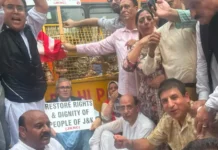
Was a Single Protest Enough to Bring Statehood Back to Jammu and Kashmir?
by Mursaleen Bashir
A single protest cannot secure statehood; sustained pressure and democratic engagement are needed to keep Jammu and Kashmir’s demand alive.
Some protests become...