In Kashmir, a new wave of hospitality options is reshaping the tourism sector by providing alternate accommodations. A unique blend of everyday experiences and cultural heritage, these family-run initiatives offer more than space to stay, Babra Wani reports
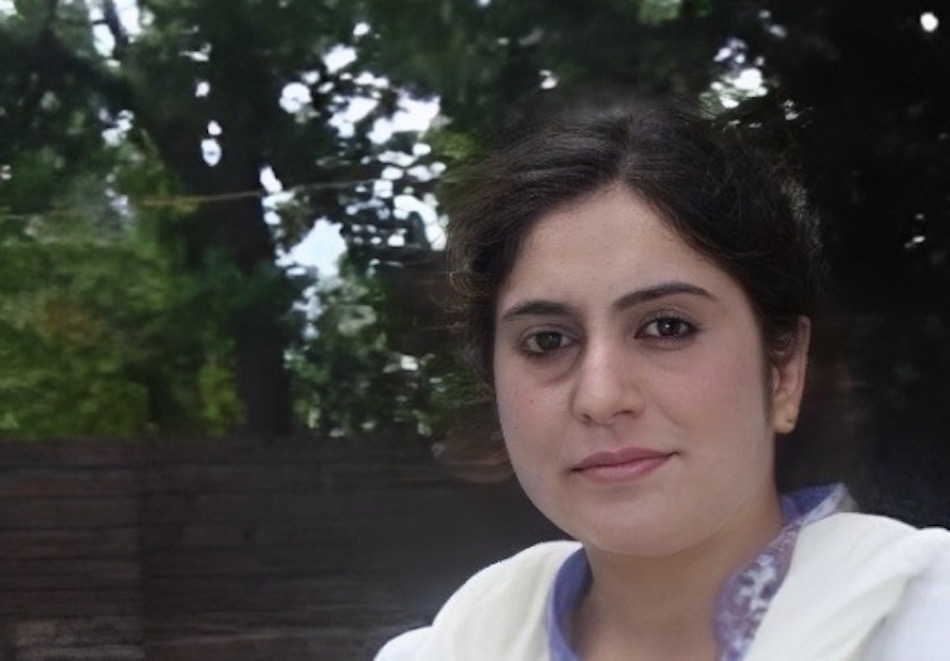
Early marriage and an inclination in academic pursuits did not go together for Asiya Kallo, a resident of Harwan in Srinagar’s outskirts. Married at 17, her studies were limited to basic education only. However, her desire to do well in life did not die. While focusing on the family for twenty-odd years, she was continuously exploring options to stand out independently.
Finally, in 2016, a homemaker for decades, Asiya convinced her husband to convert part of their home into a “homestay” for tourists and took charge of managing its affairs.
It was among the first homestays in the area. A trailblazer, nearly six years later, she was running a successful enterprise. She managed everything independently, from cooking to cleaning to overseeing logistics, establishing herself as a one-woman force.
“I got married quite early. I was 17 or so, and I have not studied much either,” said the 45-year-old homemaker. “But I always wanted to do something of my own, to start something, and that is when the idea of starting the homestay struck me.” She said she always wanted to work, but because of her educational background, she could not.
Initially, they were thinking of starting a marriage hall, but eighteen years later, the couple decided on the homestay. “I believe it was one of the first here, and now homestays have become a common affair.”
However, it was not an easy journey. In the beginning, she said there had been considerable hesitation. Her in-laws were reluctant to embrace the idea. “They wondered how we would live here and how the guests would live”
With time, however, opinions changed, and once an individual decision is a family affair. Besides family help, she has engaged two workers as well.
Out of the eleven rooms in Asiya’s bungalow, six have been reserved for the homestay, while five are used by the family of five.
Asiya maintained that the homestay business was among the most fulfilling ventures one could pursue. “It saves you from familial conflicts and keeps you busy in a productive manner.”
She remained optimistic about the future of her business. “I believe it is our minds that make things difficult. There is nothing difficult at all.”
A Chain of Homestays
Beyond the snow-capped peaks and Mughal gardens, a network of homestays is reshaping the tourism landscape in Jammu and Kashmir. What began as a modest initiative under the 2022 Jammu and Kashmir Homestay Policy it has evolved into a promising grassroots movement – one that combines tourism, empowerment, cultural restoration, and local enterprise. People like Asiya are now able to earn a respectable livelihood.
With 2,350 registered homestays offering over 17,000 beds, Jammu and Kashmir is witnessing a new era in decentralised tourism. These homes-turned-lodges, nestled across valleys, hillsides, mountain trails, and quiet hamlets, offer more than mere shelter – they open a window into the region’s living heritage.
Off the Tourist Map
Mohammad Afzal owned one of only two homestays in a remote village in Gurez. His 19-year-old son, Hashmatullah Khan, a first-semester BSc student in Bandipora, said the entire family, including the women, contributed to its operations. “My two sisters, one younger and one elder, and my younger brother all help run the homestay,” he explained. “My sisters left their studies and now manage the household chores.”
They had launched the homestay in 2019. Hashmatullah recounted that the idea had come to his father while observing the breathtaking scenery of Gurez. Afzal had initially constructed the house for residential purposes before deciding to convert it into a guesthouse. “Because of its beautiful surroundings, it was perfect for attracting tourists,” he said.
The Long-Lasting Legacy
In the serene, picturesque landscapes of Pahalgam, nearly 45 years ago, two teenagers, Baba Bashir and his cousin, began working as tourist guides, catering primarily to foreign visitors. They accompanied travellers on treks and explorations into the surrounding mountains.
It was during these excursions that the idea of establishing a homestay first took root. The cousins decided to start one in the village of Maamal Shikargah in Pahalgam. For the past three years, Bashir’s son, Waseem Ahmad Hajam, has taken over the family venture.
Thirty-year-old Waseem, a resident of Dahwatoo village in Pahalgam, lived approximately twelve kilometres from the homestay. He had previously worked as an adventure and tourist guide in other parts of India, a profession he abandoned during the pandemic. He explained that, before COVID-19, the region largely attracted European tourists, with whom he had worked closely. However, after the pandemic, a shift occurred, and visitors began arriving from southern India. Since then, he has been associated full-time with the homestay.
Waseem had dedicated four rooms of their hut for the homestay, accommodating up to sixteen guests at a time. With a diploma in cooking, he prepared meals for his guests. Along with his younger brother, he had been working to expand the enterprise. He recalled that the homestay had initially operated on leased land. “As my father grew older,” he said, “he purchased the land himself.”
Obstacles in the Journey
Like Afzal, Waseem faced several challenges. “The biggest issue is the lack of road connectivity,” he said. “There are no proper roads here.” The homestay lay three kilometres from the market; while two kilometres were navigable, the final kilometre consisted of a kacchi sadak, an unpaved track, making it difficult for cabs to reach the location.
To mitigate the inconvenience, Waseem and his brother had begun offering transportation for their guests. “We are trying our best to give them a pick and drop,” he added.
An undergraduate, Waseem remained determined to expand the family business and welcome more tourists to their remote and rugged haven. The family had constructed another homestay in their native village with a twelve-room facility, offering all necessary amenities.
Located in Tulail Valley’s Badwan village, close to Angaikot Valley, Gujran, Kabul Galli, and Ladakh, Afzal, a farmer also believed the setting was ideal for offbeat tourism. “Since this place is off the beaten path and very suitable for tourism, we decided to convert it into a homestay,” he explained. The house offered five guest rooms, and his sisters prepared the meals.
The family typically received between 100 to 200 visitors per month for six months from May to October. Bookings were conducted online, and the homestay had also been listed on Google Maps. Since its inception, they have hosted over 2,000 tourists. “My elder brother manages the administrative work, and we run it full-time,” said Hashmatullah.
Unlike Asiya, who had faced no significant setbacks, Afzal said they encountered several challenges, the most pressing being governmental neglect. “The biggest challenge is that the government does not give proper attention to Tulail Valley,” he alleged. “They focus is on Gurez but not here. Tourism schemes are not provided in this area. The Tourism Treasury offers schemes worth Rs 3.25 lakh, but not in Tulail.”
He further explained that although the Tribal Affairs Department provided some funds, between Rs 5 to 6 lakh, his family had not received any such support. “We do not get those scheme benefits or government attention. People here want to grow tourism,” he added.
“Tourists first arrive in Gurez, and people there tell them there is no accommodation in Tulail. That creates problems for us,” he said. “We have faith in Allah, but we want the media to highlight this place so tourists and the government can pay attention. This place is very poor.”
Afzal hoped to expand the homestay to eight or ten rooms. “By the grace of Allah, our expenses are being managed smoothly. I have five sons and three daughters, and my daughters and wife handle the food services. We plan to expand it further,” he said.
Besides Afzal’s, the only other homestay in the area was built in the traditional style, with two rooms constructed from wood and mud.
Foreigners had previously been barred from visiting Tulail, but that restriction was lifted this year. “Most of the tourists who visit us are from India,” Afzal said.
According to data from the Department of Tourism, the Kashmir division had emerged as the frontrunner in homestay accommodations, with 2,049 units registered, significantly more than the Jammu division’s 301. Srinagar led the list with 833 homestays, offering 3,307 rooms and 6,614 beds. Anantnag followed with 439 units, comprising 1,571 rooms and 3,142 beds. Baramulla hosted 294 units with a total of 2,352 beds, while Kupwara now had 70 homestays providing 560 beds. In the Jammu division, Rajouri, Jammu city, and Doda topped the list with 77, 53, and 53 units, respectively.

A Home Beyond Hospitality
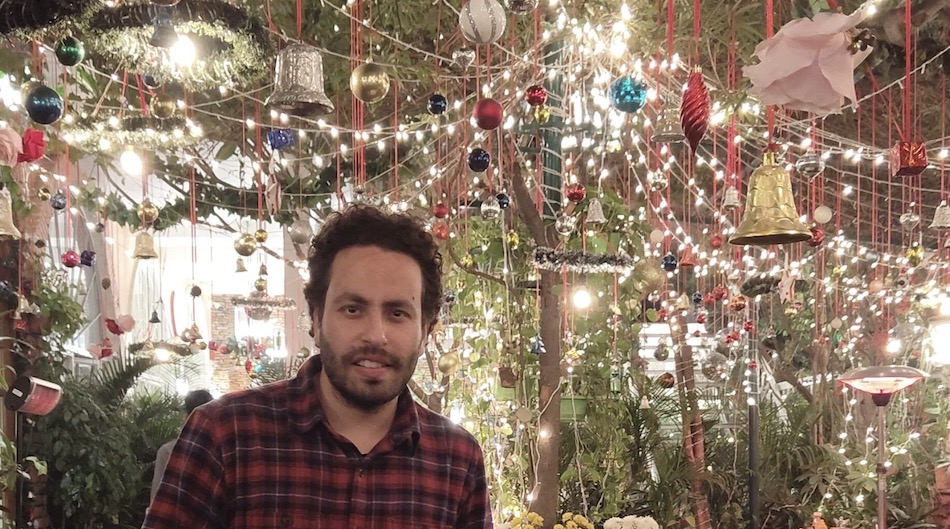
“The concept of homestays was already in my mind long before it came to Kashmir. Not only did I have the idea, but I was also living it,” said Danish Ali, a resident of Dalgate who operated two successful homestays in Shalimar and Nishat. “My family has been in the handicrafts business for a long time. Since I was a child, many foreigners used to visit us, and they would stay with us in our homes. They came as guests, but over time, as they lived with us, they became like family. That experience stayed with me and inspired me to build a business around it.”
The Nishat property belonged to his aunt, but Danish managed it entirely. The 36-year-old holds a Bachelor’s degree in Business Management from Bangalore.
Danish explained that he accepted only one family booking at a time, whether the group consisted of two people or eight. Once a family reserved the space, no further bookings were taken for that period.
“I make sure to sit with the guests and help them understand the Kashmiri culture. We sit together on the floor, on qaleens, as we traditionally do in Kashmir. It is not a typical guest-and-owner relationship like in hotels,” he said. “I make sure to spend a good time with them.”
Danish did not employ a team and managed all responsibilities himself. “Along with my mother, of course. She prepares homemade food for the guests, as offering authentic local food and culture was my main intention behind starting this homestay business. And recently, I have hired just one employee to help out,” he said.
Preserving Culture
For the future, Danish intended to expand by adding more homestays, not solely for profit, but also to preserve local culture and provide visitors with an authentic experience. He expressed interest in converting vacant houses into functioning homestays, allowing more travellers to experience life in Kashmir as it was truly lived.
“My dream is to expand the homestay business across Kashmir by acquiring more homes and presenting them in their natural form, so visitors can truly see and feel how we live,” Danish said.
“We create space for real conversations and cultural exchange. The demand is quite high, not just for me, but also for my friends who run hotels. We are expecting even more tourists once the railway services begin,” he added.

Digital Footprints in the Valley
“I started this business through word of mouth, and now I am listed on MakeMyTrip and other travel platforms. I am also connected with a few travel agents who help bring in bookings. We also have a social media presence,” said Danish.
Like him, several other homestay owners had begun to leverage digital platforms—particularly Instagram—as well as websites such as Airbnb, MakeMyTrip, Booking.com, and Agoda.
Waseem’s homestay, for instance, was listed on Google for direct bookings.
Like other businesses, the homestay sector is also taking advantage of virtual access.
However, despite the momentum of the homestay movement, certain challenges persisted. Power outages, limited internet access in remote regions, and seasonal fluctuations in tourist footfall continued to affect the sector.