Kashmir was conquered by an early Mughal and ruled for over a decade. While harshly governing the Vale in the sixteenth century, he wrote a wonderful book that is a key resource for the rise of Mughals and medieval Kashmir, writes Muhammad Nadeem
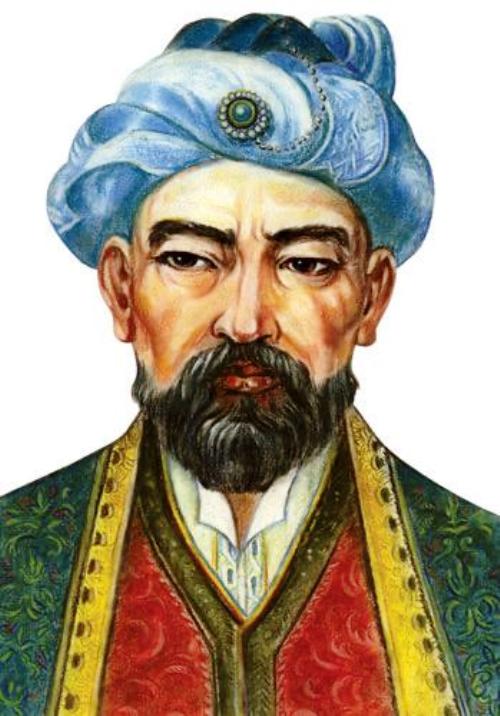
Mirza Haider’s Tarikh-i-Rashidi, while occasionally ambiguous in chronology, brings its era to life, offering a unique lens on history. Despite occasional wandering prose, it unveils cultural and religious landscapes with richness. Haider’s personal biases add authenticity to his Mongol perspective, enriching understanding despite minor timekeeping inconsistencies. It is a cornerstone of early Mughal history. While Haider’s subjectivity poses limitations, the Tarikh‘s value lies in its vivid portrayal and cultural insight, reminding us of history’s diverse perspectives.
In Ladakh
After overcoming early perils, Mirza Haider established a domain in India, displaying his leadership and resilience. His journey to Ladakh was not without challenges. While some actions in Ladakh reflected the religious beliefs of his time, his broader legacy includes notable achievements in music patronage and governance.
The nineteenth-century English officers whose translations preserved Haider’s history for posterity recognised its worth. Yet their Victorian-era mindset influenced the early Western narrative surrounding Haider in problematic ways. Branding the Mongols as barbarians and their leader perfidious, these scholars echoed the very religious chauvinism displayed in the Tarikh itself. Later historians like Erskine adopted a more neutral tone but continued to evaluate Haider by the standards of their day as opposed to his historical context.
Haidar’s Kashmir
Mirza Haidar’s Tarikh-i-Rashidi is a fascinating historical chronicle offering valuable insights into the socio-political dynamics of 16th-century Central Asia, integrating perspectives on the rise and decline of the eastern Chingizid Mongols known as the Moghuls. A scholar of Moghul descent, Haidar’s aristocratic lineage provided unique access to perspectives and information.
For some time, Kashmir lacked a singular supreme ruler, with various native chiefs exercising authority. During this period, they supported Nazuk Shah as a ceremonial figurehead. Mirza Haidar initially aligned with Nazuk Shah, but later faced desertion from key allies, such as Rachi Chak, who sought refuge with Shir Shah, prompting intervention from the latter. Threatened by the prospect of invasion, Mirza Haidar retreated with a small contingent to remote terrain for about three months. However, on August 2, 1541, he decisively defeated his adversaries, consolidating his control over Kashmir.
A brief peace prevailed until 1543, when dissenters, backed by external forces, sought to topple Haidar’s rule but were promptly crushed. Haidar then launched a campaign against Ladakh, reportedly bringing several districts under his control, including one known as Looshoo according to Firishta, though its exact location remains elusive.
During his absence on an expedition, an epidemic broke out, claiming the lives of three opposing chiefs. This brought a period of peace lasting about two years until he launched an attack on Kishtwar province. Bandagani Koka led part of the force but was defeated and killed in two engagements. The remaining force retreated to Haidar’s division, although he did not pursue subduing the province. The following year, 1548, he reportedly focused on Little Tibet (Baltistan), then Tibet, followed by Rajouri and Pakhli, successfully incorporating them into his Kashmir dominions.
In 1549, tensions arose with the Afghans of Hindustan when Salim Khan succeeded his father Shir Shah. The Niazi tribe rebelled against Salim’s rule and sought refuge in Rajouri, Kashmir, where descendants of former Kashmiri chiefs who opposed Mirza Haidar’s rule resided. Negotiations ensued, leading to a peaceful resolution with Salim, who returned to Delhi. Some Kashmiri partisans joined Mirza Haidar, while others accompanied Salim to his capital. Discrepancies exist between accounts, with one citing a clash near Nau Shahra in Rajaori, while others place it in the Banihal district. Haidar reportedly sent the heads of slain Niazi as a peace offering to Salim Khan, suggesting diplomatic manoeuvres with the Afghan Shah of Hindustan.
Kingdom’s Uprising
Driven by an ardent admiration for Kashmir’s beauty and potential, Mirza Haidar dedicated his career to seeing it flourish under Mughal rule. This vision propelled him on a remarkable journey, forging crucial alliances and spearheading bold initiatives.
While serving as governor under Kamran Mirza, Haidar recognised Kashmir’s potential within the Mughal Empire. He skilfully navigated political complexities, garnering support from both regional leaders and the Mughal emperor Humayun. Though some plans faced temporary setbacks, Haidar’s unwavering determination and resourcefulness led him to pursue his mission with a small but dedicated force. “Difficulties may arise, but they are simply stepping stones to our ultimate goal,” he wrote about the challenges that became his opportunities.
Haidar’s strategic brilliance shone through as he led his forces over the mountain passes from Punjab, swiftly securing Srinagar as the leader, Gazi Shah, faltered.
While armed clashes with Kashmiri forces, including Gazi Shah’s reinforcements, proved challenging, Haidar’s leadership and personal valour shone through. Despite being outnumbered in Srinagar, his tactical manoeuvres and courage yielded significant victories. He strategically captured Gazi Shah’s son and later neutralised his key rival, Zangi Chak, demonstrating decisive action. These triumphs significantly weakened the opposition and paved the way for further progress.
Haidar’s pursuit of integrating Kashmir into the Mughal Empire revealed both his strategic brilliance and complexities in navigating cultural dynamics.
While securing initial victories through adept leadership, tensions arose due to challenges in balancing promises made to local chiefs and upholding cultural protocols. Notably, a misunderstanding with the Raja of Kishtwar highlighted the importance of cultural sensitivity. Despite challenges, Haidar’s perseverance saw him nearing consolidation of his authority after almost a decade. A tragic turn of events, however, led to his demise during a nighttime raid, leaving his vision unrealised. Although the campaign ultimately concluded with the withdrawal of Mughal forces, it undeniably contributed to fostering dialogue and cultural exchange between Kashmir and the wider Mughal Empire.
Homesickness
Though the campaign faced internal challenges, it undeniably opened channels of communication and trade between diverse regions.
The chronicle details the intricacies of medieval warfare, offering insights into military strategy, siege tactics, and battlefield dynamics. Haidar vividly portrays both the valour and challenges of leadership, the exhilaration of battle, and the complexities of cultural encounters. While his perspective aligns with the religious beliefs of his time, it can be viewed as a reflection of historical context rather than an endorsement of violence.
Facing challenges like homesickness and cultural differences, Haidar navigated complex dynamics within his diverse army. While acknowledging the logistical difficulties of operating far from home, the text could also be interpreted as highlighting the resilience and adaptability required for such campaigns.
Haidar’s evolving perspective regarding religious conversion could be viewed as showcasing his sensitivity to local customs and a focus on maintaining social harmony. Rather than portraying his initial approach as inherently negative, it could be seen as a reflection of the prevailing religious beliefs of the time.
Mirza Ali Taghai
The portrayal of Mirza Ali Taghai’s actions could be toned down to avoid demonising any individual. Instead, the focus could be on the importance of discerning trustworthy advisors and the consequences of relying on misinformation. Similarly, Haidar’s self-reflection offers a valuable lesson in acknowledging mistakes and learning from them, showcasing his self-awareness and growth as a leader.
The decision to withdraw could be framed as a strategic manoeuvre to preserve his army and regroup, allowing him to fight for his goals from a more strategic position in the future.
He then shifts focus to document Kashmir itself during his temporary occupation. He marvels at the natural abundance and architectural splendour built up over centuries of Hindu and Muslim rule before the Mughals. From snow-capped peaks to lush orchards to masterful mosques and palaces, the vivid sensory details enliven this exotic land in the reader’s imagination as a lost 16th-century paradise. Haidar also inspects Kashmiri society, weaving a harmonious religious pluralism shattered by the intolerant iconoclasm he enabled. He sheds light on the inherent tensions between preserving cultural heritage and imposing religious orthodoxy.
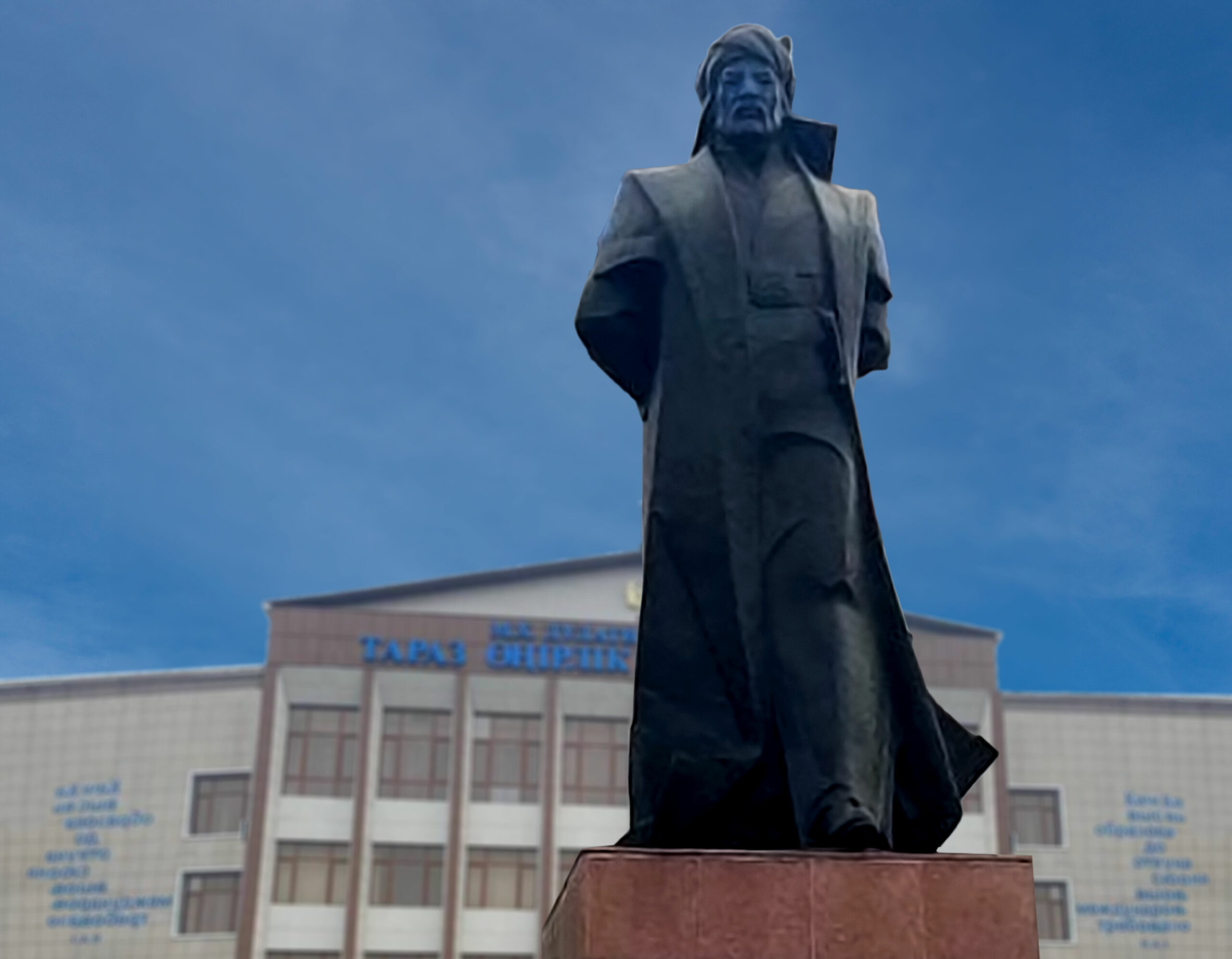 Mirza Haidar poignantly learns this timeless lesson. His chronicle shows both himself and his men not as simplistic brutes but as complex humans. They want to do heroic things, but also to see their families. They want to spread the true faith but also understand cultures take time to change.
Altogether Mirza Haidar gifts us a unique window into the beliefs and experiences driving conquests shaping a critical historical juncture – the Mughal century reaching its zenith straddling the medieval and early modern epochs. Through military memoir imbued with psychological insight, he puts flesh on the shadowy chronology of kings and battles.
A Dance of Diplomacy
In 1550, Haidar sent ambassadors with gifts to Delhi, reciprocated by Salim Khan’s envoy with horses and muslins sent to Srinagar. The reasons for this exchange and its outcomes remain unspecified.
Similarly, differing accounts exist regarding Haidar’s death in 1551, with Abul Fazl and Firishta offering varying details. Firishta’s account may be more reliable, given Abul Fazl’s uncertainty.
The accuracy of Abul Fazl’s portrayal of Mirza Haidar’s character may be debated. Firstly, during his respite in Kashmir, he dedicated himself not only to music but also to scholarly pursuits, notably composing the Tarikh-i-Rashidi, a work overlooked by Abul Fazl. This historical endeavour likely consumed much of his time, evident from references to dates within the text. Mirza Haidar’s extensive citation of various authors suggests thorough research, possibly prioritising the study of texts over musical pursuits like the lute or zitara. Noteworthy among his sources was a copy of his cousin Babur’s Memoirs, likely acquired during his time in India.
Regarding accusations of disloyalty to the emperor, it is essential to contextualise the historical circumstances. When administering Kashmir in Nazuk Shah’s name, Mirza Haidar was in a complex geopolitical situation. With Humayun in Persia seeking refuge and the uncertainty surrounding the return of the Baburid dynasty to the throne of Hindustan, Haidar’s actions were pragmatic rather than disloyal. Despite his successful conquest of Kashmir and the defeat of Shir Shah’s troops, there was no compelling reason beyond loyalty to the Chaghatais for Mirza Haidar to refrain from establishing himself as the state’s ruler.
A Sovereign in Waiting?
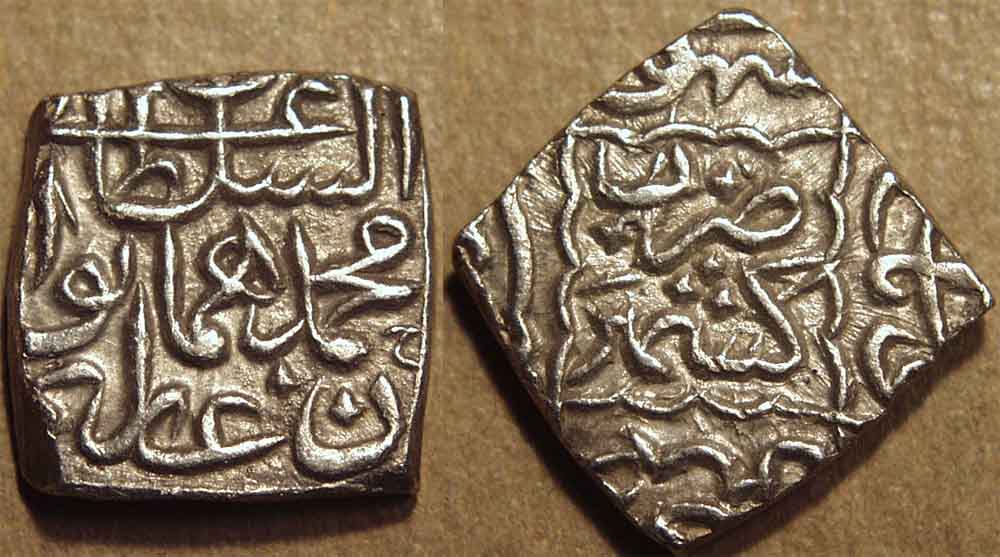
His acknowledgement of Nazuk Shah as a nominal sovereign can be viewed as a strategic move while awaiting Humayun’s potential return to claim his rightful rule in India. Humayun did eventually reclaim his authority in 1555, almost four years after Haidar’s demise. Haidar’s efforts to consolidate his support for Humayun demonstrated through striking coins and reading prayers in Humayun’s name, suggest allegiance to the Baburid dynasty.
Despite uncertainties in numismatic and documentary records, existing evidence supports Mirza Haidar’s loyalty to his superiors. He faithfully served Sultan Said Khan until the Khan’s death, then maintained his allegiance to the Chaghatais amid turbulent transitions, demonstrating a consistent commitment to his masters throughout his life.
Decipherable dates, while falling within Haidar’s regency, offer evidence suggesting his recognition of Humayun as his sovereign during his influential period in Kashmir. However, no coins were found indicating such acknowledgement before Haidar’s conquest of Kabul. The coinage and historical records of this era remain incomplete, making premature conclusions about Haidar’s allegiance to the Chaghatai Emperor unwise until further evidence surfaces.
Haidar’s sphere of influence spanned vast territories, encompassing Western Turkistan, Bokhara, Farghana, Semirechensk (Seven Rivers), Ili (Zungaria), Eastern Turkistan, Tibet, Ladakh, Baltistan, Gilgit, and adjacent regions like Chitral, Wakhan, Badakhshan, Afghanistan, Kashmir, and Northern India.
It would be informative to understand the composition of the armies that invaded territories like Badakhshan, Chitral, Ladakh, Tibet, and Kashmir during the reigns of Aba Bakr and Sultan Said. These forces likely consisted of relatively small numbers, possibly numbering in the hundreds rather than thousands, with the bulk likely comprising mercenaries from regions beyond Alti-Shahr. Mirza Haidar does not specify the ethnic makeup of these forces.
Kashmir After Mirza Haidar
In his account of the conquest of Kashgar in 1514, Haidar provides an analysis of the chiefs in Sultan Said’s army, predominantly Moghuls from various clans or tribes allied with them. However, the tribal followers mentioned appear to constitute only a fraction of the total army, suggesting a significant presence of mercenaries, including Kipchaks, Turkomans, Afghans, Karluks, and others. This expedition, originating from Farghana and Moghulistan rather than Altishahr, likely fielded a larger force than those deployed in later distant expeditions.
During Sultan Said’s 1532 campaign against Ladakh, Kashmir, and Tibet, Haidar’s estimated army size lacked a detailed breakdown.
Mirza Haidar’s successors in Kashmir, spanning approximately thirty-five years after his era, emerged from families whose internal weaknesses facilitated his successful regency, an uncommon feat among native chiefs during that period. Following his demise, internal strife persisted, with eight kings ruling between 1551 and 1587 until Akbar intervened, ultimately incorporating the region into the Chaghatai dominions in India.
Caught in the Tides
A small Moghul population still exists among the Turki populace in Eastern Turkistan, though their numbers are negligible and dispersed primarily in northern towns. They do not form distinct communities but blend seamlessly with the local population, identifiable only to close associates. Despite their identification as Moghuls, they receive little respect, are often relegated to menial lifestyles, and are viewed as inferior by others. While some may also reside in Western Turkistan, Farghana, or Transoxiana, there is scant mention of them in those regions. Notably, sub-tribes known as Mongol or Mangal persist in the Hazara region and along the Afghan-Indian border among divisions of the Afridis.
These groups, believed by Sir H Howorth to be remnants of the Mongols, potentially represent later iterations of the Moghuls. Just as the Hazaras trace their ancestry to Mongol invaders, the Mangals may similarly descend from another Mongolian army that once traversed Afghanistan during the era of Chingiz Khan or his successors. However, whether their physical features and language bear traces of this heritage remains uncertain.
Viewed through a post-colonial lens, attempts to blame Haider for the decline of the Eastern Chagatais seem grounded in hindsight bias. Given the information and ideological constrictions of the time, did better policy options even exist? Perhaps instead of assigning guilt, it would be more fruitful to view Haider as an emblematic figure caught in the swells of historical tides beyond his control. This perspective aligns better with contemporary academic norms stressing cultural relativism.
The Human Experiences
Ultimately the Tarikh-I-Rashidi and the life of its author exemplify the interplay between individual agency and socio-political circumstances in shaping human fortunes. Appreciating Haider’s efforts and limitations in context allows admiration for his talents and achievements while tempering harsh moral judgments of his worldview. Through nuanced analysis, the text can elucidate dynamics that still drive events in Central Asia and beyond today. This makes Mirza Haider Mirza Haidar’s history a work not only of scholarly insight but civic relevance as well—one that merits attention across cultures and centuries.
Haidar’s Tarikh-i-Rashidi stands as a vital source for understanding the Moghuls, shedding light on the interplay of power, cultural influences, and evolving identities. While our modern perspective emphasizes the human cost of conflict, individual accountability, and societal diversity, recognizing these limitations should not overshadow the work’s significance. We find compelling themes explored, from power dynamics to cultural influences and the constant flux of identities.