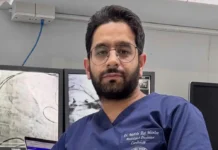
Yaqeen Sikander, a Kashmir psychotherapist was at the forefront of delivering psychological aid when a massive earthquake hit Turkey. He tells Khalid Bashir Gura about his journey and experiences in a disaster-hit zone while sharing some lessons for a highly seismic zone like Kashmir.
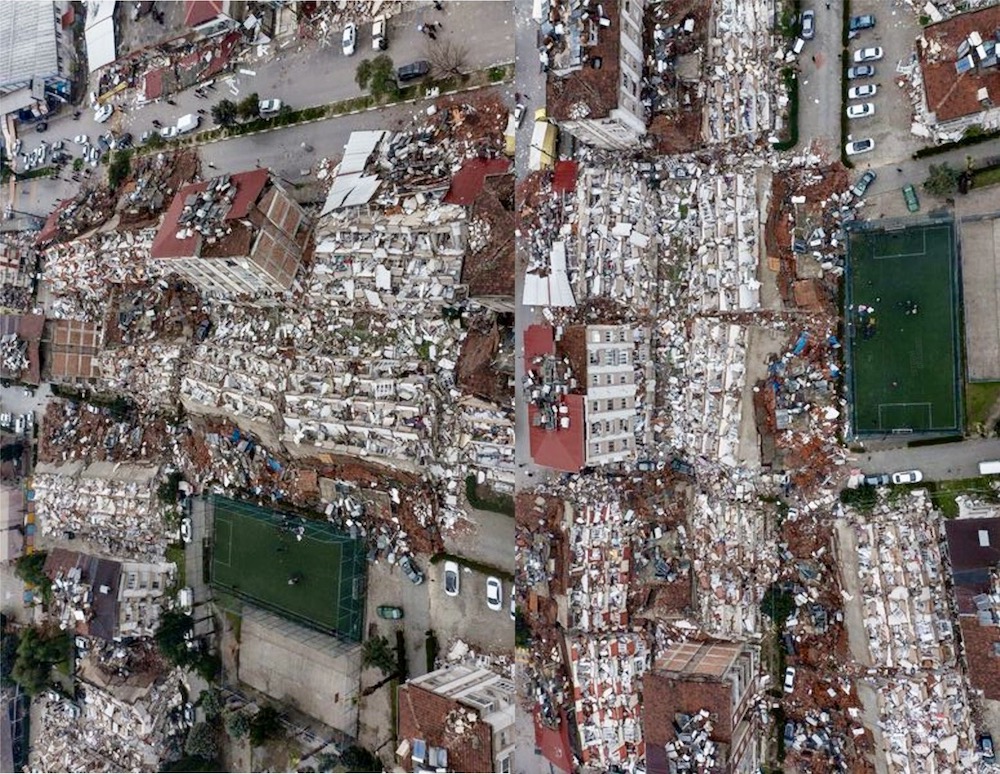
On February 6, 2023, a devastating earthquake killed thousands of people in Turkey. Amongst thousands of volunteers at different fronts was Kashmir psychotherapist, Yaqeen Sikander, who works in Istanbul.
Hours before the disaster the capital of the erstwhile Ottoman Empire, Yaqeen was happy to join his family after finishing his work. As the tragedy struck, his joy started fleeting. His first thought was the return of haunting memories of the 2005 earthquake back home when he was a school student.
“Even though my family was safe but I had baleful premonition especially the psychological impact of the disaster on the people,” Sikander said. Little did he know that his sudden itineration struggles would dwarf in front of what he would experience and witness. “As I was in a stressed mental state, I flew immediately to Istanbul, carrying psychological first aid for victims.”
A month later, when a strong earthquake was reported from Kashmir, the panic created by social media forced Yaqeen to use the same medium to allay the fears and counsel his people back home.
Avoid a flight in a panic, he advises. “It is better to take refuge on the side of strong objects like kitchen counters, and refrigerators, as if slabs or walls fall it makes life a triangle,” he said. In countries like Japan where tremors are frequent, society has developed safe buildings v. “We don’t have such luxury in Kashmir.” It is not an earthquake but the construction that kills.
The Journey
Sikander is a PhD candidate at Ibn Haldun University in clinical psychology, Istanbul. Unlike his contemporaries, after finishing high school in Kashmir in 2007, he studied Psychology, English, Education, Political Science, and Islamic Studies in higher education. He earned his bachelor’s from the International Islamic University Malaysia.
“At bachelor’s level of Human Sciences (Hons) in Psychology, I majored in Psychology with a Minor in Islamic Revealed Knowledge,” he said as he also completed his Masters in Guidance and Psychological Counselling, from Marmara University in Istanbul. “I wrote my dissertation about the Syrian Refugee Children in Istanbul with regards to their Happiness, Resilience and Post-traumatic Growth.”
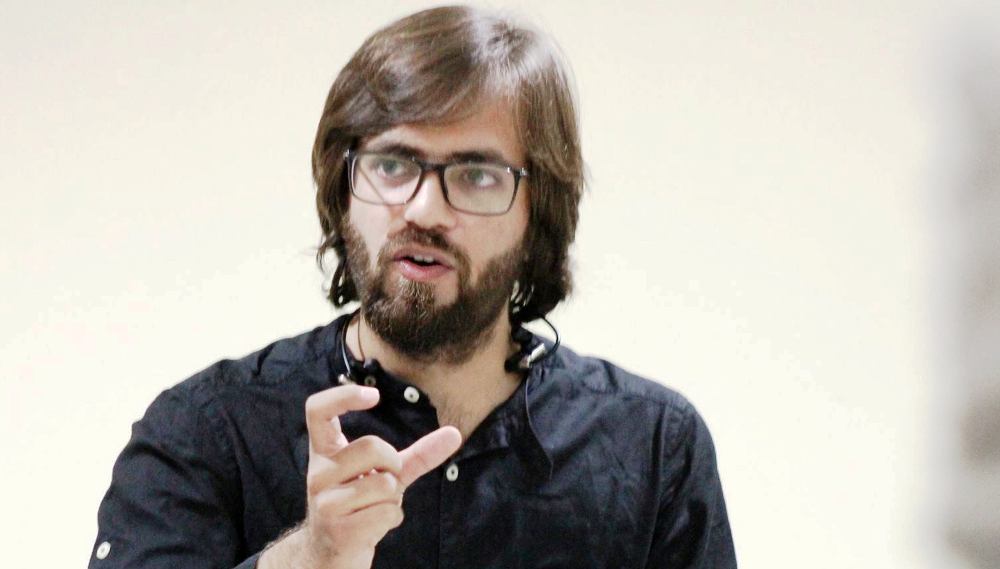
As a Psychotherapist and Clinical Psychologist, to develop people-centric interventions that boost individual and organisational strength and well-being, Yaqeen trained in Malaysia, Germany, Turkey and India. He advocates mental health and wellness in workplaces and specialises in psychotherapy, psychometric testing, employee wellness, peak performance, stress management and self-care development. In the last five years, he travelled to more than 35 countries to share his experiences and guide the freshers.
“I run a personal bootstrapped venture under which we provide our psychotherapy and speaking services globally,” Yaqeen said. After graduating from Malaysia in 2015, he returned home for a year and started Inspire ME Foundation, a non-profit that works with youth for skill and capacity development and education. “I am also a part of several international groups including universities abroad with which I volunteer to provide mental health training and humanitarian aid in areas of need,” he said.
The Psychotherapy
Psychotherapy, aka talk therapy, is about the power of words. It is a process of translating the theory of psychology into practical life. Apart from making people mindful of their thoughts, it teaches them how thoughts impact feelings and behaviour. “Besides serving as a catharsis process, it is not the kind of talk one can have with a friend. A psychotherapist assesses and identifies problems and offers solutions and treatment,” he said.
If someone after psychotherapy changes thoughts, it will be reflected in behaviour too. “It is not a random talk or sharing with any close person. There should be no fear of being judged. Psychotherapists are under a therapeutic alliance of maintaining confidentiality,” he said.
Psychotherapy is a structured and evidence-based form of treatment, which involves a mental health professional helping individuals with emotional, psychological, and behavioural issues. “It provides emotional support in a safe, confidential and non-judgmental space and when stories are told in such spaces, it leads to healing by reducing feelings of isolation and loneliness,” he said.
Psychotherapy, he said, also teaches emotional regulation, self-awareness, and conflict resolution and helps in processing trauma and difficult emotions by processing them effectively. The role of psychotherapy is also dependent on the competency of the therapist and the individual’s willingness to engage in the process.
According to him, besides other mental health disorders, if depression, anxiety and panic, loss of purpose, or one is not happy with the quality of one’s life hinders daily life functioning one should see a psychotherapist.
“Even people who are not afflicted with mental health disorders can avail the help of psychotherapists. It helps to set new goals, retain focus or want to get rid of bad habits,” he said.
“Social challenges can be tackled through policy advocacy and preventative programmes and I am involved in both,” Yaqeen said. “In the menace of drug addiction, psychotherapists can help in 3R’s i.e. Rehabilitation, Recovery and Relapse prevention.”
For crimes and violence, there is a role of Psychotherapy as it helps individuals manage and redirect their anger in non-violent ways. “Therapists teach conflict resolution skills, thus improving communication and relationships,” he said. “As for the victims of violence, psychotherapy can aid in processing trauma and building resilience.”
Disaster Preparedness
The therapists at his university are trained in disaster response. Previously, their clinic had served in Libya during floods. Now they had clinical training sessions with the supervisors on providing psychological first aid immediately to the victims of the earthquakes. “I was tasked with making posters for children and adults for relaxation and calming. We distributed these in the relief camps,” he said.
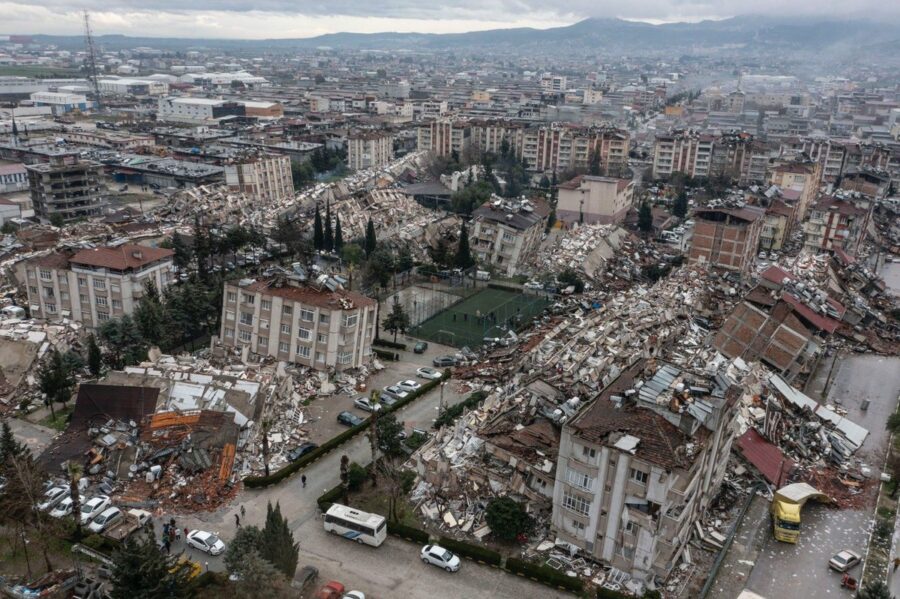
Later, I got the call to join our second group of volunteers. His wife also volunteered. Soon, he was dejected to register ground reality as towns were rendered ghost towns under mountains of rubble. The streets smelt of dead. “All I could see was debris and silence, like the one after a storm had passed,” he remembers, staying in a state-run dormitory with bunker beds. “Adiyaman had suddenly transformed into a ghost town. We reached Egricay province, where more than 400 tents had been pitched.”
The disaster response team of the government AFAD had taken good measures. They had pitched tents on time and provided other services. His team provided psychological first aid.
“The first month in any disaster is the acute phase wherein people are trying to make sense of what happened. As a psychotherapist, you need to establish safety and trust. Their basic needs are to be met,” he said. “After one month, as people begin to register loss, and prolonged grief, PTSD cases start to come up. And that is where our work as clinical psychologists comes in.”
They would visit the families in tents and assess their psychosocial needs. “Slowly, the people started recognising me and calling me by my name,” he remembers.
In his meetings with the victims, he met an older lady who had lost 21 members of her family. A young man had lost 229 members of his extended family. They were living with the “survivor’s guilt”, like the man he met who lost his daughter but wished it were him instead of her.
Faith Factor
Faith, according to him is a protective factor and a mechanism that provides meaning to individuals. It influences values, moral dilemmas and life choices. So, it has an essential role in healing. Existentially speaking, humans are out there to seek meaning actively and most individuals do that through faith. At the same time, the role of faith in psychotherapy should be determined collaboratively between the therapist and the client, taking into account the client’s values, goals, and the therapeutic approach being used.
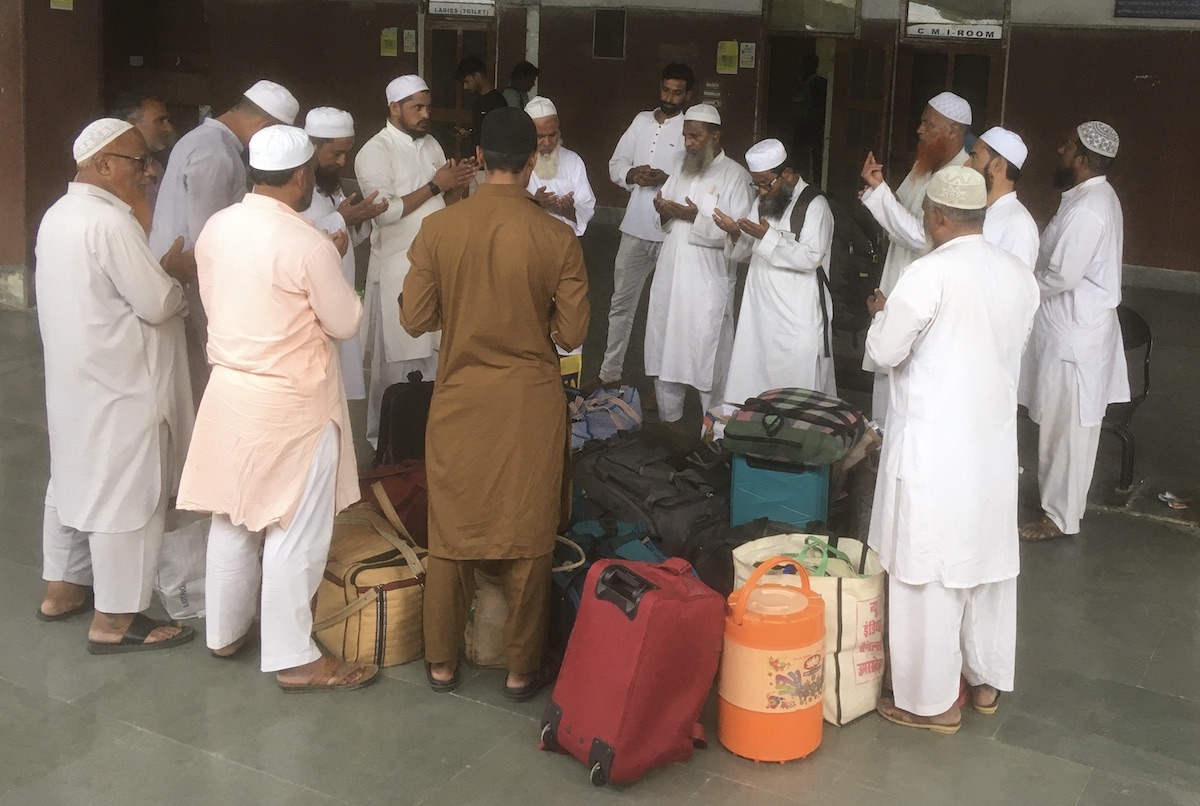
“I hardly came across anyone complaining,” he said. “They accepted it as a fate. Faith is the bonding factor.” There is suffering and healing too. There is trauma and resilience too. Now, his team is processing data to research qualitatively the role of faith in resilience in southeast Turkey.
Lessons for Kashmir
Kashmir is also a high seismic zone; the Turkey experience can help the Vale to stay prepared for unexpected events. Yaqeen calls for having emergency plans, supplies, and infrastructure in place so that disaster preparedness and response systems are ready if and when the calamity strikes. The psychological first aid and disaster preparedness should be made common, he asserted.
“Adiyaman, the place I chose to go was the last place to get relief as it encountered chaos ensuing earthquake. There was panic, traffic jams and towns turned upside down,” he said. “What matters is how quickly relief reaches to the affected,” he said.
The government should ensure new buildings are earthquake resilient as it can save lives and minimise damage.
Social Media
Most of his social media content on mental health and other aspects of it impacting the daily life of any person is in the Kashmiri language. “We are making free content available on mental health and we have a team for that. Second, is providing at least a 50 per cent discount on our services to people from Kashmir,” he said. “Lastly, we help by referring people to other therapists who are accessible in Kashmir. All this is to increase the access of psychotherapy to the people back home.”