Lung cancer remains one of the most overlooked health crises in Kashmir. While globally half of the smokers get the lethal disease, a growing number of non-smokers are also falling victim to it. Unlike liquor, there are murmurs for a blanket ban on smoking, Umaima Reshi reports
At the beginning of 2023, 45-year-old Bano (name changed) was diagnosed with stage 3 non-small cell lung cancer. “When I first visited my doctor, I downplayed my symptoms, mentioning only shortness of breath and fatigue. In reality, I was far from fine,” she said.
She had been struggling to eat and exhibited nearly every symptom of lung cancer. Initially, her condition was mistaken for anxiety, attributed to her heavy workload. “My doctor suggested blood tests, but as my symptoms worsened, I was misdiagnosed with asthma and Covid19. Weekly tests for chronic cough, acid reflux, and pneumonia yielded no clear results. It was a chaotic period until further blood tests confirmed carcinoma.”
Subsequent scans verified the diagnosis. Bano had never smoked or consumed addictive substances and was uncertain about what had triggered her condition. “What I do know is that this diagnosis has profoundly changed me and my outlook on life.”
Responsibility has shaped Bano’s life since she was 11, the year she lost her father. As the eldest daughter, she took on the role of supporting her mother and raising her younger brother. “Time passed quickly. I hardly noticed how much I had neglected my well-being while managing everything and maintaining a demanding nine-to-five job. Despite the challenges, I felt fulfilled, believing I was doing the best for my family.”
Now, confronted with illness, she struggles with uncertainty. “I often wonder who I can rely on during this difficult time,” she regretted. “I am trying to remain hopeful and draw upon my inner strength, but ultimately, I place my trust in God. I pray for a chance to lead a normal life again so my family does not have to bear this burden.”
A Wider Epidemic
Bano’s case is not an isolated one. Experts believe lung cancer is among the most prevalent forms of the disease in Kashmir. Like Bano, Athar (name changed) was also diagnosed with non-small cell lung cancer.
In 2017, Athar’s life changed dramatically when he received his diagnosis. “My story is not much different from many others with this disease,” he said. At the time, he was thriving in his career and deeply engaged with his family and livelihood. Then, subtle signs began to appear. “I started feeling dizzy and developed double vision,” he recalled. “I dismissed it as exhaustion.”
Soon, his symptoms worsened. He lost balance and had difficulty swallowing. “I thought it was just ageing and weight gain slowing me down,” he admitted. He considered asthma or allergies as possible explanations, but treatments for these conditions provided no relief.
Despite temporary improvements from prescribed medication, his symptoms persisted. A neurologist eventually admitted him to the hospital for further tests. An MRI revealed a mass in his lungs.“What followed was a series of tests, mounting anxiety, endless disruptions, and, finally, a diagnosis.” Although he continues to battle the disease, his journey has been one of resilience and determination.
A Fight for Survival
At 58, Waheed (name changed) found himself on an unexpected and arduous journey. “I noticed two swollen glands in my throat. My smoking habit was at its peak during that time and that was when I thought it might be time to visit my doctor,” he said.
His physician referred him to an ENT specialist, who initially suspected a mild infection or tonsillitis. However, a CT scan followed by a PET scan revealed a troubling white spot in his upper lungs. Further tests confirmed stage 2 lung cancer.
“I was diagnosed three years ago, and, thankfully, I am now in remission after undergoing several therapies. The journey was far from easy.” Waheed endured gruelling chemotherapy and a strict medication regimen that drained his energy and willpower. Yet, he held onto his faith. “It was a difficult time, but patience bore fruit. Above all, Allah granted me a new life.”
Rising Incidence
Lung cancer remains a significant public health concern. In Kashmir, data from the Medical Records Department at the State Cancer Institute of SKIMS, Soura, Srinagar, reveals notable trends in lung cancer cases over the past decade.
In 2014, 402 cases were documented, rising to 452 in 2015 and 473 in 2016. The upward trend continued, with 506 cases recorded in 2017 and 515 in 2018. However, fluctuations emerged in subsequent years. In 2019, the number fell to 423, declining further to 383 in 2020 before increasing to 454 by the end of 2021.
The latest figures indicate resurgence. In 2022, cases rose to 500, climbing to 542 in 2023 before dropping slightly to 505 in 2024.
In 2024, SKIMS detected over 5,400 cases by December 31, up from 5,108 in 2023. Lung cancer is the second most common cancer among males, accounting for 16 per cent of all cases.
The World Health Organization (WHO) identifies smoking as the primary cause, accounting for approximately 85 per cent of cases. Non-smokers are also at risk, particularly those exposed to second-hand smoke, which contains carcinogenic agents. Other contributing factors include prolonged exposure to asbestos, radon, arsenic, chromium, beryllium, nickel, soot, and tar. Studies suggest that individuals living in polluted areas face an elevated risk, while genetic predisposition further influences susceptibility.
Stages and Diagnosis
“Lung cancer, like many other cancers, progresses in stages,” explains Dr Shah Naveed, a leading surgical oncologist based in Srinagar. “Stage one is when the cancer remains confined to the lung without invading deeper tissues. By stage two, the tumour has grown and may have spread to nearby lymph nodes. At stage three, the disease advances further, affecting adjacent structures or forming multiple tumours within the lungs. Stage four is the most severe, where the cancer has metastasised to distant organs.”
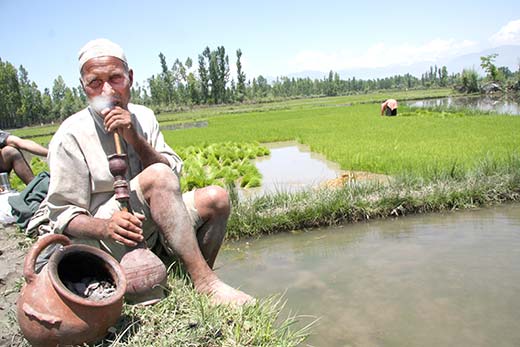
Dr Shah highlights that lung cancer is increasingly common in Kashmir. “The region is landlocked, and while diet has little influence, smoking remains a significant factor. The hookah culture, in particular, affects not only smokers but also those exposed to second-hand smoke.”
Lung cancer ranks among the two most prevalent cancers in Kashmir, disproportionately affecting men and rural populations. “Most cases are seen in individuals aged 50 to 70, though a significant number of patients also fall in the 40 to 50 age group,” he notes.
The disease is rarely detected early in the region. “More than 70 per cent of lung cancer cases are diagnosed at stages three or four. Surgery is an option at early stages, but for advanced cases, we rely on chemotherapy, radiotherapy, targeted therapies, and immunotherapy,” Dr Shah explained. Early symptoms are often mild and mistaken for common respiratory issues, leading to delayed diagnoses. “Persistent cough, chest pain, shortness of breath, coughing up blood, fatigue, unexplained weight loss, and recurrent lung infections can all indicate lung cancer.”
Diagnosis involves imaging tests such as chest X-rays, CT scans, and MRIs. “Bronchoscopy can be used to visualise the lungs, and if abnormalities are found, a biopsy is performed to analyse tissue samples. This helps confirm whether cancer is present or if other conditions are responsible,” Dr Shah adds.
The Treatment
Lung cancer develops through a process known as carcinogenesis, explained Dr Sheikh Aejaz, former head of medical oncology at SKIMS and senior oncologist at Ramzaan Hospital. “It occurs in three stages: initiation, promotion, and progression. During initiation, carcinogenic agents such as smoking and cancer-causing viruses alter the DNA sequence in cells. An enzyme called reverse transcriptase misreads the DNA, leading to changes that cause uncontrolled cell growth. The promotion stage follows, where these abnormal cells multiply rapidly, culminating in the progression phase, which results in visible tumours.”
Lung cancer is broadly classified into two main types: small-cell lung cancer (SCLC) and non-small cell lung cancer (NSCLC). “NSCLC is the more common type and is essentially neuro-endocrine in nature,” he said. It is further divided into squamous and non-squamous subtypes. “Squamous cancers are mostly seen in male smokers and tend to develop near the central airways. Non-squamous cancers, such as adenocarcinoma, usually form in the lung periphery.”
Reflecting on advancements in treatment, Dr Aejaz noted that chemotherapy was once the only available option. “In the past 25 years, our understanding of cancer’s molecular mechanisms has grown significantly. In adenocarcinoma cases, for instance, we now analyse gene expression, which has led to the development of targeted therapies. These treatments use antibodies to address specific antigens, marking a breakthrough.”
Genetic Research
Research has shown that nearly half of lung cancers exhibit distinct genetic markers. “One key example is the Epidermal Growth Factor Receptor (EGFR), a protein on the surface of cells that regulates growth,” he said. “We now have drugs specifically designed to target EGFR and other genetic expressions such as ROS1, MET, and ALK panels.”
Dr Aejaz highlighted a pattern observed in lung cancer cases among non-smokers, particularly women from East Asia. “Traditionally, lung cancer was considered a disease affecting men, but these cases challenged that assumption. Extensive research revealed significant EGFR expression in their lungs, leading to the development of targeted therapies.”
According to him, about 28 to 29 per cent of adenocarcinoma cases exhibit EGFR expression. “Identifying and addressing this has transformed lung cancer treatment. It underscores the importance of personalised medicine, which tailors treatment to an individual’s genetic profile and improves survival rates.”
Targeted therapies have revolutionised the management of NSCLC. “By pinpointing genetic mutations such as EGFR, we can design treatments that block cancer’s growth pathways,” he said. “For example, drugs like Gefitinib have extended patients’ life expectancy from a year to more than seven years.”
Another key genetic marker is the anaplastic lymphoma kinase (ALK) gene, involved in cell growth. “It is expressed in about six per cent of adenocarcinoma cases. When detected, we administer a specialised drug tailored to inhibit the gene, ensuring precise and effective treatment.”
The Urgency of Prevention
Despite medical advances, lung cancer remains a leading cause of death due to late diagnoses, limited awareness, and inadequate preventive measures. “Prevention is crucial,” Dr Aejaz stressed. “It occurs at three levels: primary, secondary, and tertiary. Nearly two-thirds of lung cancer cases are preventable through smoking cessation, public education, and occupational hazard control.”
He pointed to the historical impact of tobacco advertising, which falsely promoted smoking as glamorous. “These misconceptions must be undone. Awareness efforts should target school children through collaborative initiatives involving parents, teachers, religious leaders, and the media.”
Governments, he said, must play an active role by enforcing stricter tobacco control policies and prioritising early detection. “Low-dose CT scans have shown success in screening asymptomatic high-risk individuals, yet they remain underutilised in many regions.”
Dr Aejaz has witnessed both progress and challenges in oncology. From helping establish paediatric oncology services and a Doctorate of Medicine (DM) programme in oncology to initiating transplant procedures for myeloma patients at SKIMS, his career has been marked by both breakthroughs and systemic hurdles.
“Smoking shortens life by five minutes for every cigarette consumed,” he said. “This reality should push doctors, policymakers, and society as a whole to take collective action against this preventable disease. It requires constant and determined effort.”
Tobacco and Alcohol
The National Family Health Survey (NFHS-5) 2019–21 reveals significant disparities in tobacco and alcohol consumption across gender and urban-rural populations in Jammu and Kashmir. While tobacco use among women remains low at 1.2 per cent, men show far higher rates, with 31.6 per cent using some form of tobacco. Alcohol consumption follows a similar pattern, with 3.8 per cent of men consuming alcohol compared to just 0.2 per cent of women. Among men, the most commonly used tobacco products include cigarettes (27 per cent), bidis (4 per cent), hookah, cigars, and pipes (2 per cent each).
However, a survey conducted by the Department of Community Medicine at Government Medical College (GMC) Srinagar suggested the overall incidence of smoking in Jammu and Kashmir stands at 37 per cent. The study found that 23 per cent of students smoke, with the figure rising to 29 per cent in Srinagar. Besides, the National Journal of Community Medicine reported that Kashmir ranks sixth in India in cigarette consumption, with 36.7 per cent of men and 1 per cent of women identified as smokers.
District-wise data from NFHS-5 highlights sharp variations in tobacco use across Jammu and Kashmir. The highest prevalence was recorded in Kupwara, where 56.6 per cent of the population consumed tobacco in some form, followed by Anantnag (49.9 per cent) and Budgam (48.8 per cent). Jammu district reported the lowest tobacco consumption (26.5 per cent), followed by Kathua (35.4 per cent) and Srinagar (38.4 per cent).
According to the Global Adult Tobacco Survey (2016–17), one in five individuals (20.8 per cent) in Jammu and Kashmir smokes, placing the region sixth in the country, following Meghalaya, Tripura, Arunachal Pradesh, Manipur, and Mizoram.
The survey also revealed that Jammu and Kashmir spent approximately Rs 5530 crore on tobacco products over seven years, contributing to state tax revenues. On average, residents spend around Rs 800 crore annually on tobacco.
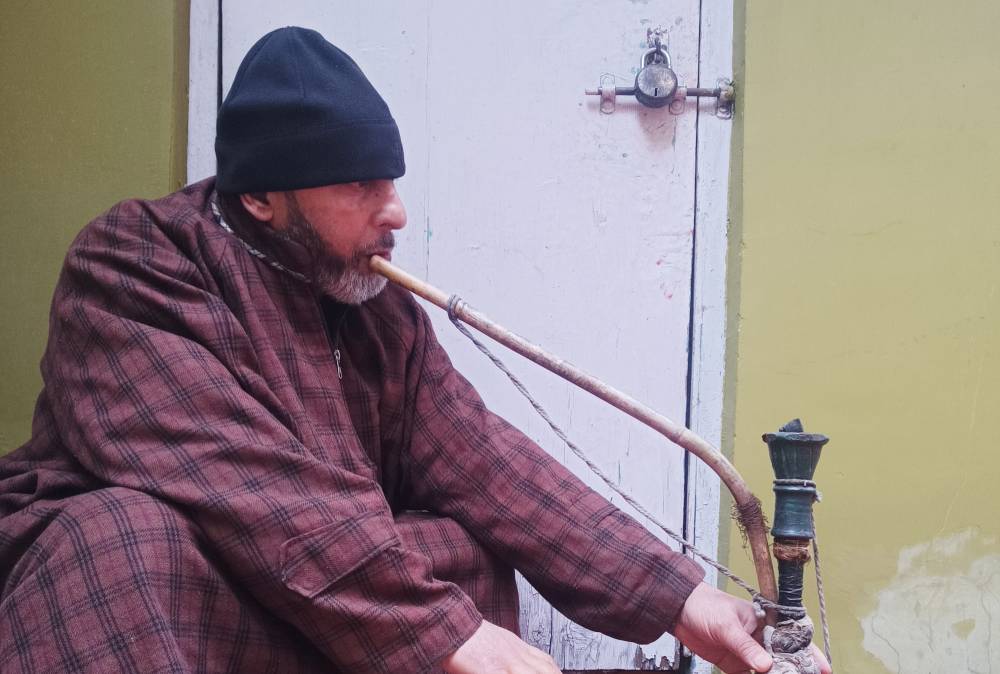
“There is a raging debate going on in support of a private bill that the government must ban liquor,” one journalist said. “In the 15-49 age group, according to National Family Health Survey 6, 32 per cent of men in Jammu and Kashmir smoke tobacco in comparison to four per cent of men who drink. Ideally, they should prefer smoking over drinking because smoking sends hundreds with cancer to hospitals than liquor.”
The scribe said that on average a lung cancer patient ends up spending half a million rupees before the disease consumes him and if he or she survives, the costs spiral up to a million bucks. “It is a broad average but factually the costs are too huge,” he said. “Why cannot tobacco products be banned.”
On the flip side of it, the government gets a paltry sum as tax from tobacco products. “In the current fiscal 2024-25, Jammu and Kashmir threw up Rs 699.43 crore in smoke for the last nine months and Rs 153 crore were taken by the government as 28 per cent GST,” he added.
Half of Smokers Get Cancer
A World Health Organisation (WHO) report states that tobacco kills half of its users who do not quit, accounting for more than eight million deaths annually, including an estimated 1.3 million non-smokers exposed to second-hand smoke. The Global Adult Tobacco (GAT) Survey in India reports that tobacco use causes approximately 1.35 million deaths in the country each year. The concentrated carcinogens in tobacco make it a major risk factor for cancer, while the widespread use of areca nut—often chewed with betel leaves—further increases exposure to carcinogenic substances.
In response, the Government of India has introduced a series of stringent anti-tobacco measures following the Tobacco Control Act of 2003. These include the National Tobacco Control Programme, nationwide awareness campaigns, tobacco cessation helplines, graphic health warnings on packaging, a ban on certain chewing tobacco products, the prohibition of e-cigarettes, the establishment of tobacco testing laboratories, and strengthened surveillance systems. As a result, adult tobacco use (ages 15 and above) declined by 17 per cent between 2009–10 and 2016–17, according to the Global Adult Tobacco Survey-2 India (2016–17).
Dr Sheikh Aejaz Aziz, also highlighted the devastating impact of tobacco use. “Lung cancer remains the leading cause of cancer-related deaths worldwide. In the United States alone, lung cancer mortality stands at 17 per cent,” he said. “While smoking rates are declining, its consequences remain severe.”
A Growing Crisis in the Air
Jammu and Kashmir, long admired for its pristine landscapes and crisp mountain air, is grappling with a silent but escalating crisis. Rising pollution levels are compromising public health, posing particular risks to vulnerable groups.
According to the Air Quality Index (AQI) report, breathing the air in the region is equivalent to smoking 1.7 cigarettes a day. Jammu, Rajouri, Srinagar, and Udhampur are currently experiencing poor air quality. Over the past five years, AQI levels across Jammu, Srinagar, Bandipora, Udhampur, Baramulla, Rajouri, Handwara, Kulgam, and Sopore have fluctuated.
In 2020 and 2021, air quality remained moderate. By 2022, it worsened to poor in Jammu and Udhampur while staying moderate elsewhere. In 2023, conditions briefly improved from moderate to good, only to shift back again in 2024, oscillating between moderate and good.
Dr Aejaz, an environmental expert, warns that the problem extends beyond vehicular and industrial emissions. “Automobile exhaust, smoke, dust, and agricultural waste are just the tip of the iceberg,” he said. Less recognised yet equally harmful, he explains, are deforestation, hazardous waste, radioisotope emissions from household gadgets, and asbestos exposure. With pollution levels in flux, he stresses the urgent need for intervention, pointing out that air quality plays a decisive role in a range of health conditions.
WHO’s Strategy
WHO recognises lung cancer as a major global health challenge and has adopted a comprehensive approach to tackling the disease. Its strategy focuses on tobacco control, early detection, cancer prevention, and improving access to effective treatment.
In its tobacco control efforts, the WHO supports countries in implementing evidence-based policies to curb consumption. These include higher taxes on tobacco products, bans on advertising, promotion, and sponsorship, and mandatory graphic health warnings on packaging. By restricting tobacco use, the organisation seeks to eliminate the leading cause of lung cancer.
To strengthen cancer prevention, the WHO promotes early detection programmes, urging governments to introduce screening measures for high-risk populations. Detecting lung cancer in its early stages significantly improves the chances of successful treatment.
Beyond prevention, the organisation provides technical guidance to member states, working to expand access to essential cancer medicines and fostering international collaboration to enhance research and share effective strategies.